Local Service Information
Lake Stevens
A city surrounding the lake of the same name in central Snohomish County.
County: Snohomish County
ZIP Codes Served: 98258
Neighborhoods: Downtown, Frontier Village
Nearby Communities: Everett, Marysville, Snohomish, Granite Falls
Common Property Types: Predominantly single-family homes with townhomes and some condominiums and multifamily housing; commercial property includes retail, office, and small mixed-use buildings.
Local Tree & Landscape Notes: Common regional trees include Douglas fir, western red cedar, western hemlock, bigleaf maple, and red alder, alongside many ornamental species. Wet soils and dense canopy are common considerations for access and scheduling.
Permit Considerations: Permit requirements vary depending on tree size, species, protected areas, shoreline regulations, critical areas, and local municipal code. Always verify current requirements with the local jurisdiction before beginning work.
Climate: Marine west coast climate typical of the Puget Sound region: mild, wet winters and warm, relatively dry summers, with most rainfall from fall through spring. Occasional wind, snow, and ice events and seasonal soil saturation influence tree health and the timing of tree work.
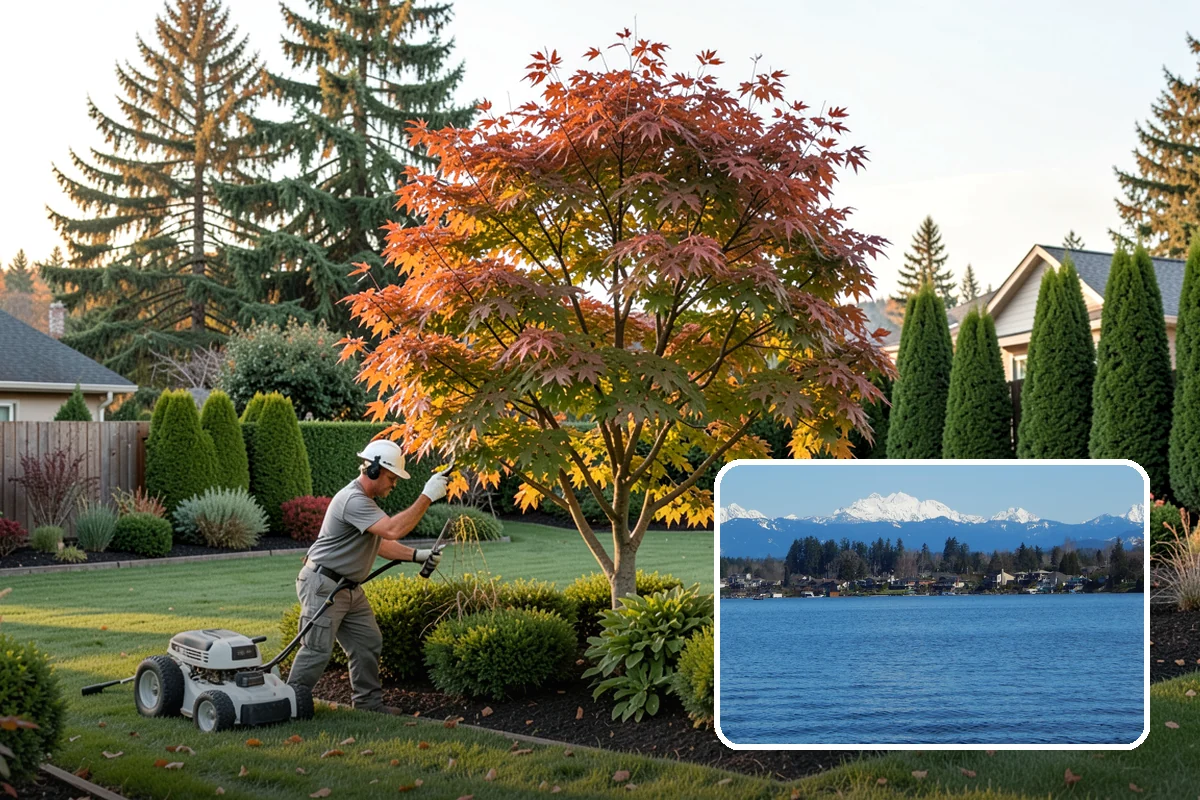
Landscaping around Lake Stevens revolves, fittingly, around the lake at the community’s heart. This growing Snohomish County city mixes established lakeside homes with newer subdivisions near Frontier Village, so yards range from waterfront gardens to fresh suburban lots still finding their shape. With Cavelero Park and the downtown lakefront anchoring local life, residents often want landscaping that supports outdoor living and recreation while standing up to the wet Puget Sound lowland climate.
With many properties oriented toward the water, landscaping here often balances usable outdoor space with runoff control on lots that slope toward the lake. Newer homes near Frontier Village tend to start from close-to-blank yards needing full plans, while older lakeside parcels focus on refreshing tired beds and maximizing views.
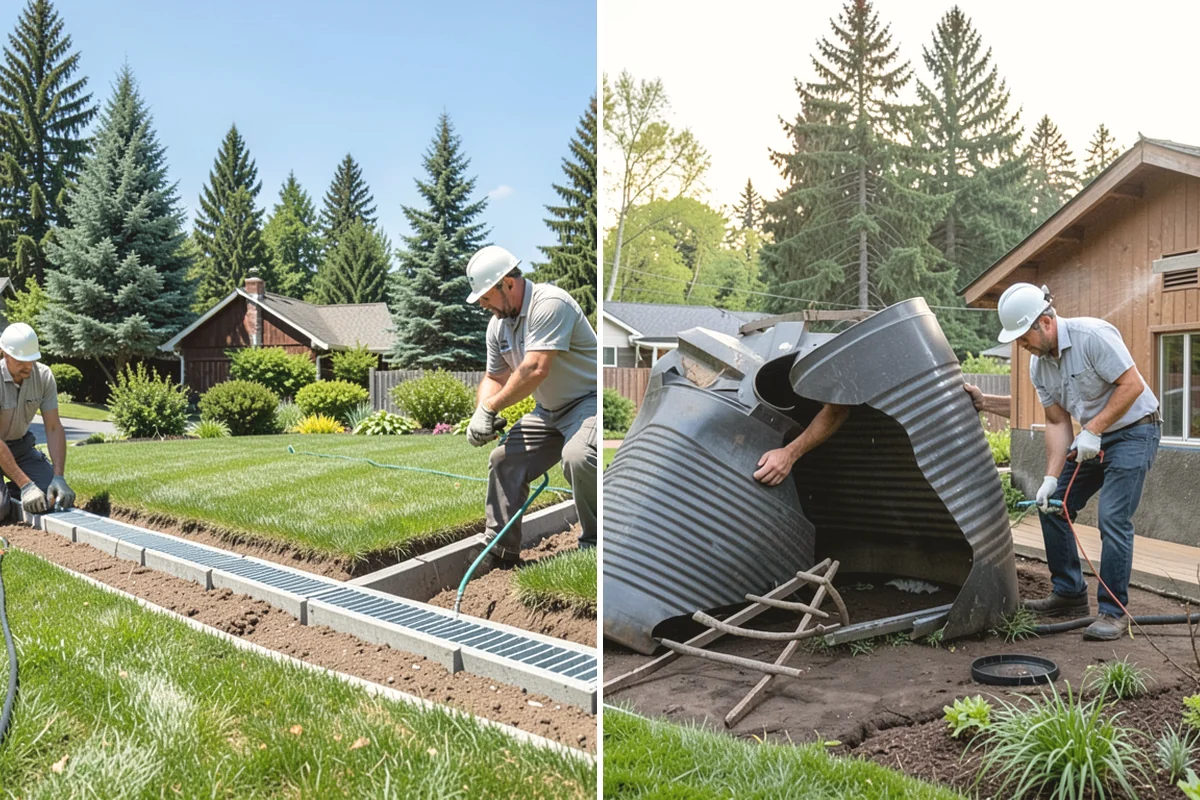
Site Conditions: Lake Stevens sits in the Puget Sound lowlands, where glacial soils drain unevenly and lakeside lots can stay damp. Slopes running down toward the water make drainage and grading central concerns, sun exposure varies with orientation to the lake, and low spots hold moisture well into spring.
Seasonal Considerations: Spring is busy with cleanups and new plantings as lakeside soils dry out, and it’s the best window to prep lawns for the season. Mild summers still call for irrigation on newer subdivision lots, while autumn shifts attention to leaf cleanup and readying drainage before the rains. Winter brings pruning, moss control on shaded lawns, and storm debris cleanup.
Common Project Types: Around Lake Stevens, popular projects include patios and fire-pit areas for lakeside entertaining, retaining walls on sloped waterfront lots, full landscape installs for new Frontier Village-area homes, lawn renovations, and rain-friendly plantings that handle the region’s steady moisture. Screening and privacy plantings between newer close-set homes are common too.
Property Styles: The city’s mix of established single-family homes, townhomes, and newer subdivisions means lot character varies widely. Waterfront and near-water parcels often have grade changes and view considerations, while newer developments near Frontier Village offer flatter, more open canvases that invite full-yard design from the ground up.
Local Materials & Plants: Moisture-tolerant plants suit Lake Stevens well, from red-twig dogwood and sword ferns to rhododendrons, ornamental grasses, and hardy perennials that handle wet winters. Permeable pavers, gravel, and local stone help manage runoff on sloped lots, and durable turf blends stand up to the area’s active, outdoor-oriented households.
Planning Your Project: On lots draining toward the lake, planning for water movement early prevents headaches later, and heavier grading is best scheduled for drier summer months. Newer-development yards benefit from a phased plan, and any work near the shoreline or on steeper slopes should be checked against local rules before excavation begins.
Ready to turn your Lake Stevens yard into a space built for lakeside living, from Cavelero Park to the downtown waterfront? Reach out to discuss your goals and shape a landscaping plan suited to your lot and the local climate.