Shaping Your Outdoors. Surpassing Expectations.
Lake Stevens Pittosporum Trimming
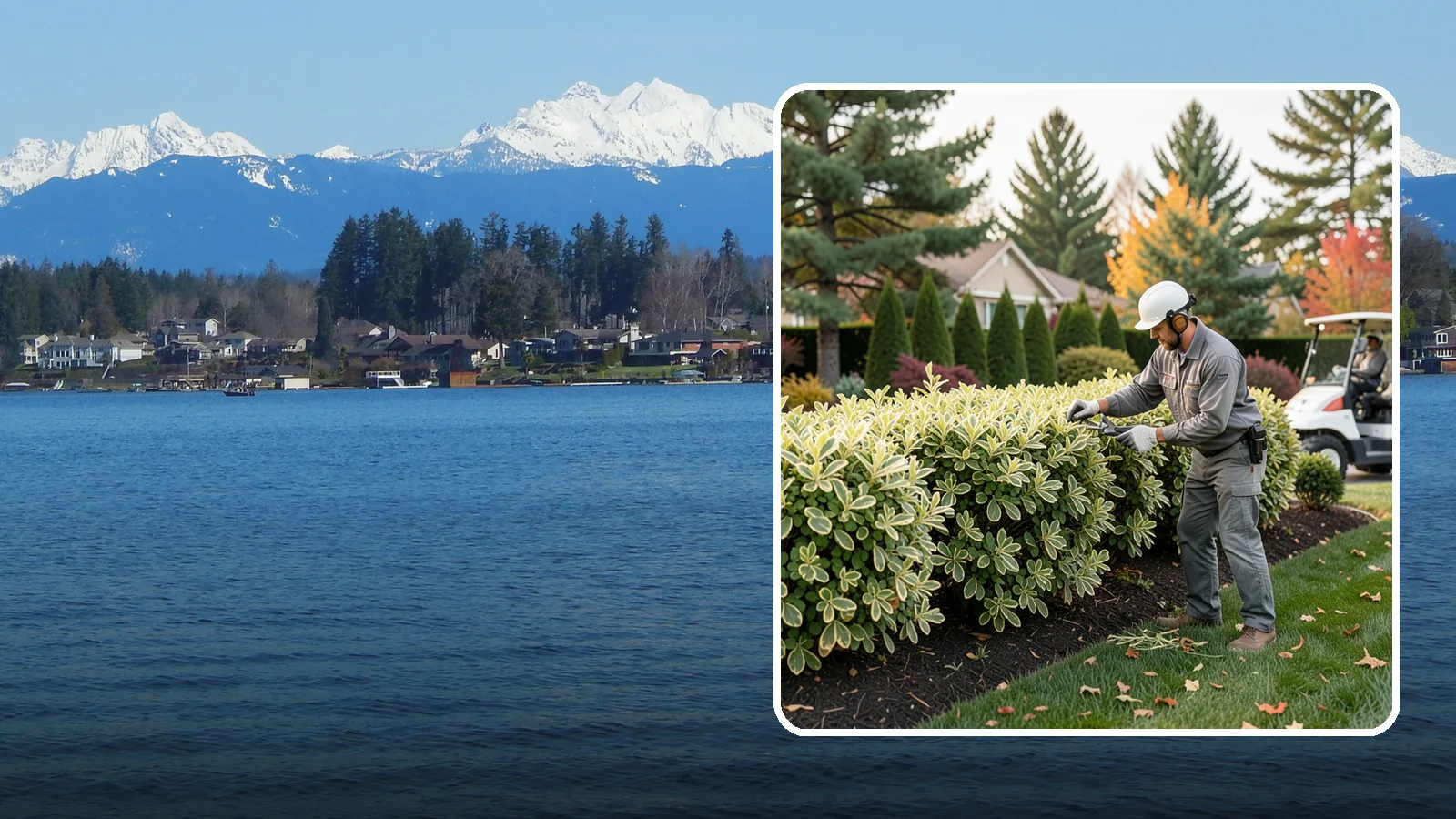
Detail-oriented pittosporum trimming that shapes this refined evergreen hedge while protecting its delicate variegated or wavy foliage.
Your pittosporum has gone leggy. The top is thick and green, but the base is bare, or one side has pushed out past the fence line. Maybe the hedge now blocks a window or crowds a walkway, and the shape you had last year is gone.
Trimming fixes most of this when it is done at the right time and in the right way. Washington Landscaping offers pittosporum trimming in Lake Stevens, with free estimates and an ISA Certified Arborist on staff. Call or text 425-433-9444 to ask about your hedge.
Pittosporum Trimming Timing and Care in Lake Stevens
Pittosporum grows fast and keeps pushing new shoots from the tips. If the tops are cut lightly and the sides are left alone, the outer layer gets dense while the inside loses light. Leaves drop inside the plant, and the base turns thin. Overgrown hedges are mostly a result of skipped or uneven trimming.
Why timing matters here
Pittosporum is an evergreen that can be damaged by cold, and new growth is the most tender. In Lake Stevens the median last spring frost (32 F) falls on about Mar 24, per Daymet data for 2005-2025. Frost can come earlier or later in any given year. A heavy cut made before that date can trigger soft new shoots that a late frost may burn. Waiting until the frost risk has passed is the safer choice for hard shaping.
The same data shows a frost-free season of about 225 days, running to about Nov 10. That gives a long window for growth after trimming. Plants cut in spring have months to fill in and harden off before the cold returns. A late cut in fall leaves less time for that, so we would usually keep fall work light.
What the work looks like
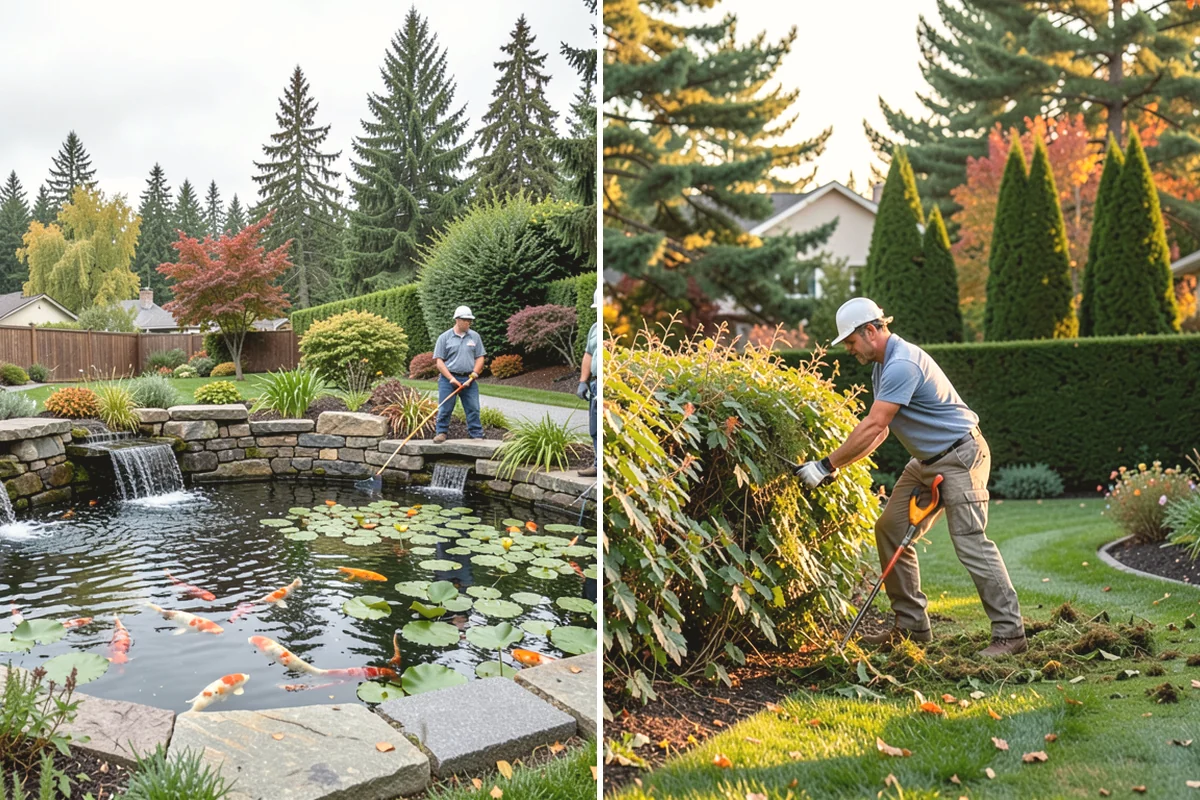
We start by looking at the hedge or shrub: its height, the gaps, any dead wood, and how much has to come off. Then we cut back to a shape that is slightly narrower at the top than at the base. That lets sunlight reach the lower branches. Where a plant is badly overgrown, we may spread the reduction over more than one season instead of cutting everything at once, since pittosporum does not always recover well from being cut into bare wood.
Clippings are the other part of the job. Pittosporum makes a lot of green waste, so cleanup is part of what to expect.
July is the driest month here, at about 0.74 in of rain on average. After trimming in summer, a freshly cut plant may need extra water. Dry weather is a good reason to plan watering after any cut.
Washington Landscaping is licensed, bonded and insured, and estimates are free.
Lake Stevens yard conditions at a glance
| USDA hardiness zone (2023) | 8b |
|---|---|
| Last / first frost (median) | Mar 24 / Nov 10 |
| Tree canopy | 31.4% of the city |
| Share of rain October to April | 78% |
| Dry months (under 1.25 in) | July |
A year in a Lake Stevens yard
- Late winter
- Dormant pruning for most deciduous trees and shrubs, before buds break.
- Spring
- Last frost is usually around Mar 24; in 1 year in 10 it comes on or after Apr 12. Plant frost-tender annuals and vegetables after that.
- Early summer
- Check sprinklers and drip lines before July, the start of the dry months here.
- Summer
- July average 0.7 in. Water deeply and less often; mulch beds to hold moisture.
- Fall
- Aerate, overseed and plant trees and shrubs while the soil is warm; first frost is usually around Nov 10. Winterize irrigation before then.
- Winter
- About 40 days a year freeze at night and thaw by day: keep drains, paver joints and wall weep holes clear.
Dates are medians for the city from Daymet 2005-2025; your yard and any given year can differ.
Sources: Daymet daily weather (NASA/ORNL), 2023 USDA Plant Hardiness Zone Map data (PRISM, Oregon State University), USDA SSURGO soil survey, USGS 3DEP elevation, USFS/NLCD tree canopy 2025, US Census ACS 2020-2024.
Lake Stevens Pittosporum Trimming
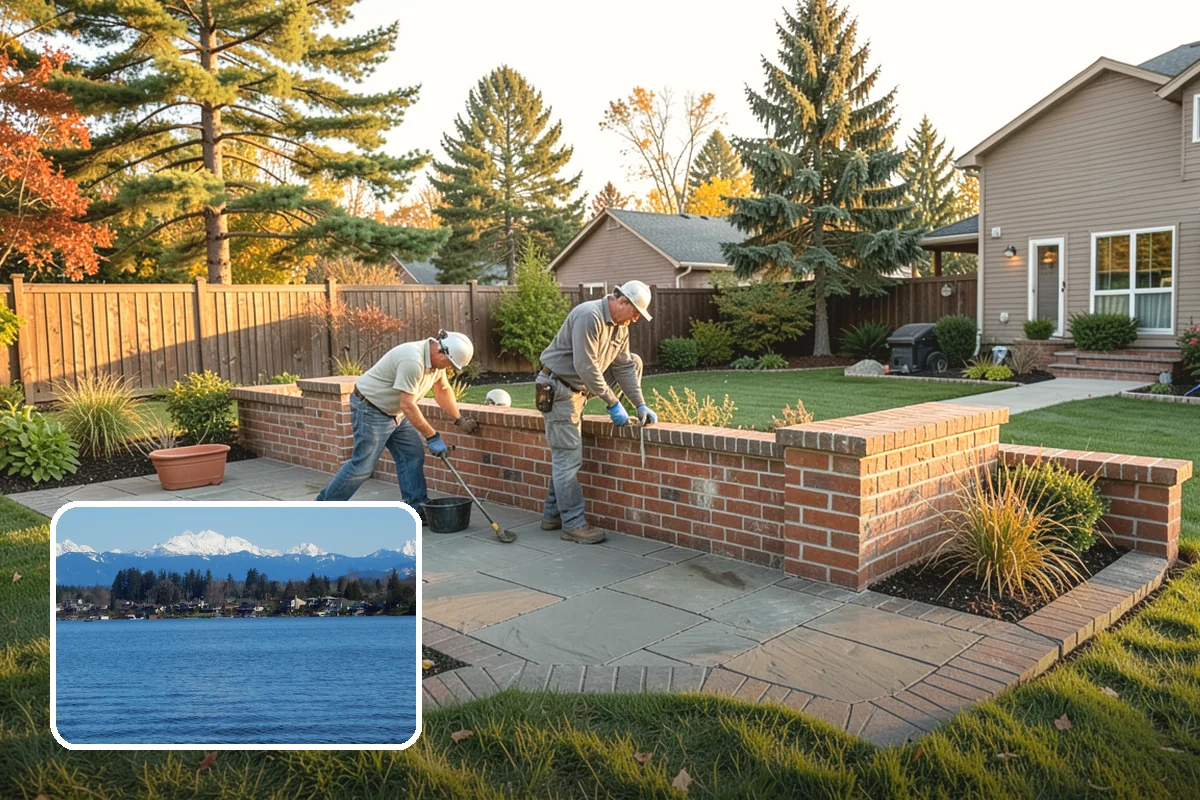
Local Service Information
Lake Stevens
A city surrounding the lake of the same name in central Snohomish County.
Benefits
Maintains a refined, compact evergreen shape; Protects variegated and wavy foliage from shear damage; Suits both formal and informal screens; Avoids cold-tender soft growth with proper timing; Keeps the hedge dense with light regular shaping
Process
Pittosporum Trimming in nearby areas
Also serving Lake Stevens
- Crown reduction in Lake Stevensat Washington Tree Services
Get a Free Pittosporum Trimming Estimate in Lake Stevens
Tell us about your project. We’ll review your needs and provide a customized, no-obligation proposal.
Request a Free Consultation
Complete the form or call our team to discuss your project.
On-Site Assessment
We’ll review your property, discuss your goals, and recommend an appropriate solution.
Receive a Customized Proposal
Receive a detailed estimate outlining the proposed work and pricing.