Local Service Information
Puyallup
A city in the Puyallup River valley known for its fairgrounds and agricultural heritage.
County: Pierce County
ZIP Codes Served: 98371, 98372, 98373, 98374, 98375
Neighborhoods: South Hill, Downtown, Riverside
Nearby Communities: Sumner, Tacoma, Edgewood, Fife
Common Property Types: Predominantly single-family homes with townhomes and some condominiums and multifamily housing; commercial property includes retail, office, and small mixed-use buildings.
Local Tree & Landscape Notes: Common regional trees include Douglas fir, western red cedar, western hemlock, bigleaf maple, and red alder, alongside many ornamental species. Wet soils and dense canopy are common considerations for access and scheduling.
Permit Considerations: Permit requirements vary depending on tree size, species, protected areas, shoreline regulations, critical areas, and local municipal code. Always verify current requirements with the local jurisdiction before beginning work.
Climate: Marine west coast climate typical of the Puget Sound region: mild, wet winters and warm, relatively dry summers, with most rainfall from fall through spring. Occasional wind, snow, and ice events and seasonal soil saturation influence tree health and the timing of tree work.
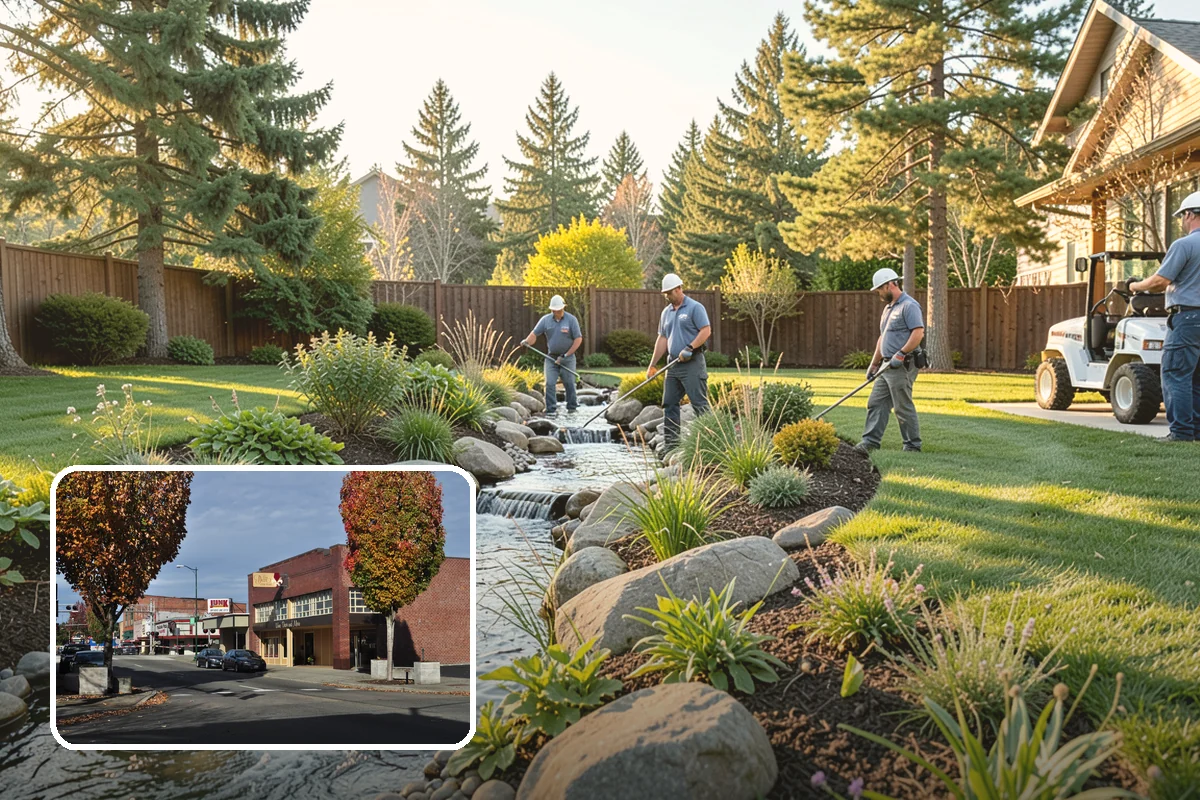
Puyallup blends established valley neighborhoods with growing hillside subdivisions, and its landscaping ranges just as widely. From the flat, fertile Riverside area near the Puyallup River to the newer developments up on South Hill, yards here sit on classic Puget Sound lowland ground with mild winters and a generous growing season. With landmarks like the Washington State Fairgrounds and Pioneer Park anchoring the community, homeowners often want landscapes that feel polished and productive, whether on a compact downtown lot or a roomier hillside parcel.
Landscaping in Puyallup is often shaped by the split between the valley floor and South Hill, so plans account for richer, wetter valley soil in one area and gentler, better-drained slopes in another. Residents near Sumner and Tacoma commonly want a balance of curb appeal and easy upkeep across a broad mix of home styles.
Site Conditions: The valley bottom near Riverside and the Puyallup River holds deep, fertile, moisture-retentive soil, while South Hill parcels sit higher with somewhat freer drainage. The lowland climate keeps winters mild, but flat valley lots can pool water in the wet months and need thoughtful grading.
Seasonal Considerations: Damp winters and early spring keep valley ground soggy, so major planting waits for drier soil; warm summers drive vigorous lawn and garden growth that rewards steady watering. Fall is the season for overseeding, dividing perennials, and managing the heavy leaf drop common in older Downtown and Riverside neighborhoods.
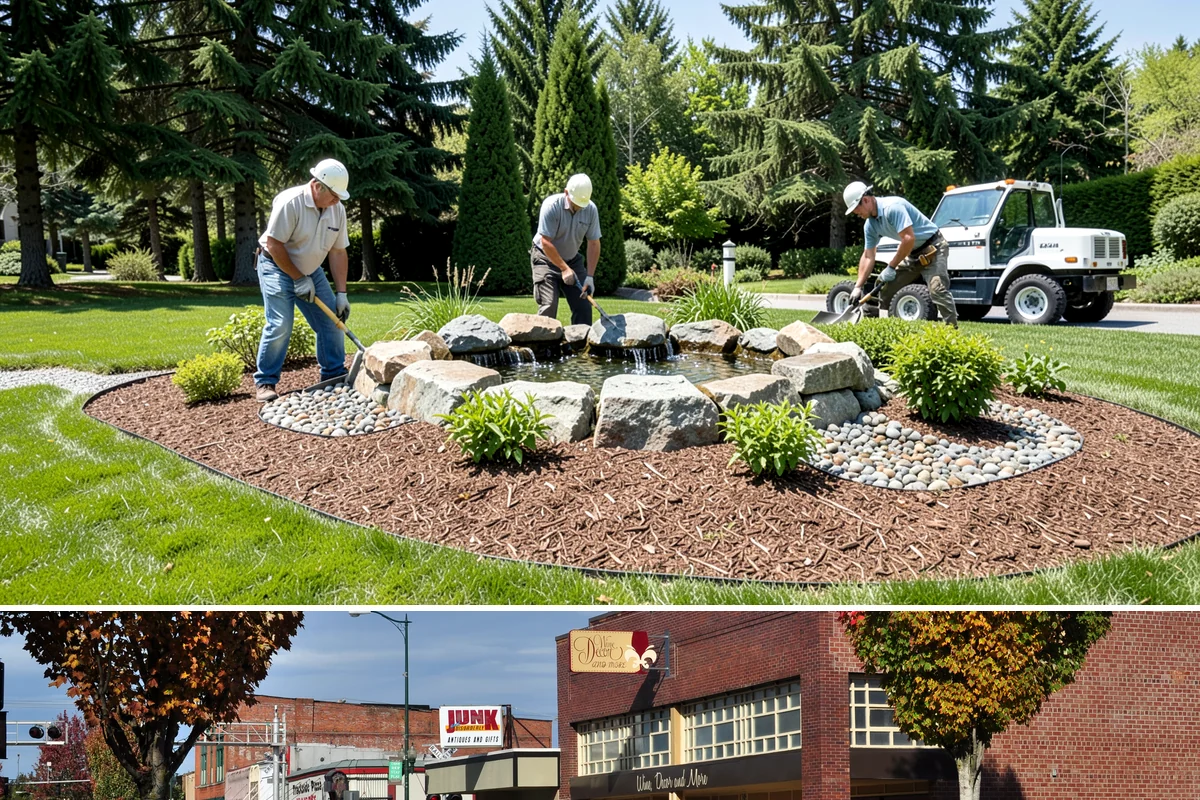
Common Project Types: Across Puyallup, common projects include full lawn installs on new South Hill lots, garden beds and edibles that thrive in fertile valley soil, patios and retaining walls for sloped hillside yards, and refreshed front landscapes on established downtown homes.
Property Styles: The housing mix spans single-family homes, townhomes, and condominiums, with flat valley lots near Riverside contrasting with terraced, view-oriented parcels on South Hill that often call for grade-aware design.
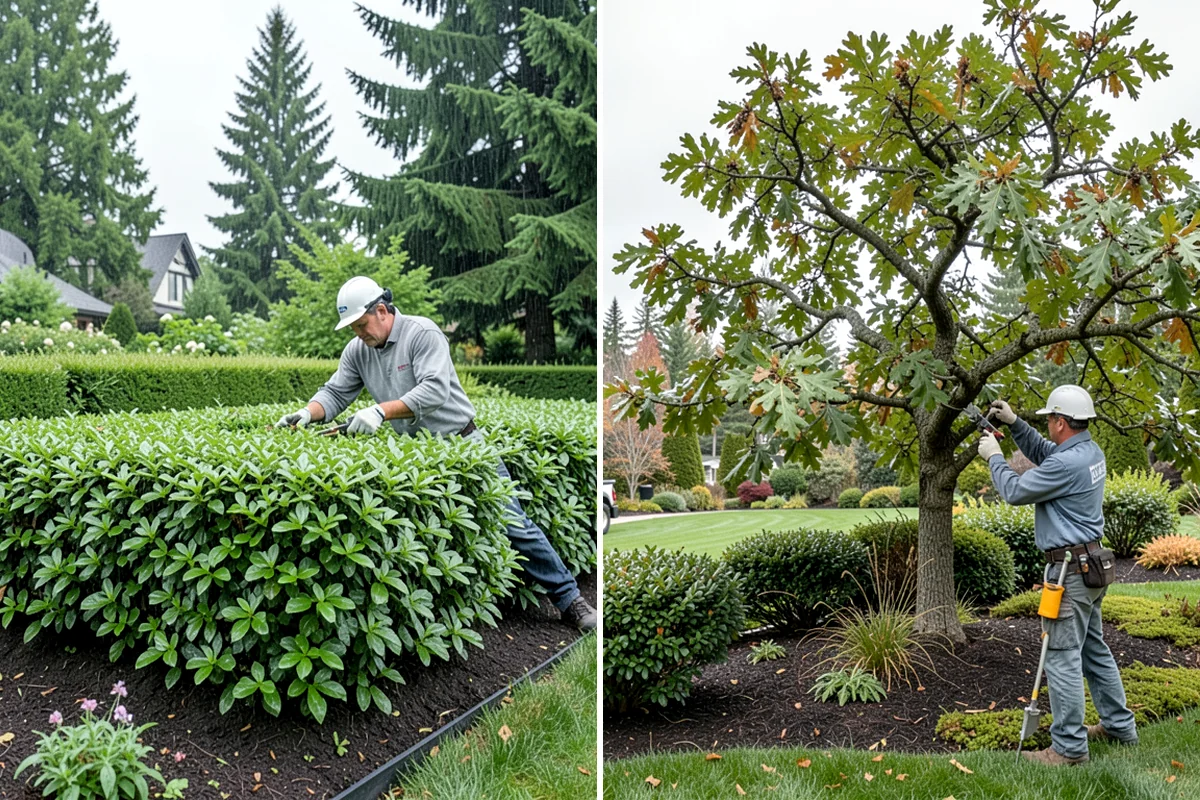
Local Materials & Plants: Dependable regional plants like Japanese maple, hydrangea, boxwood, and hardy ferns suit local conditions, while retaining-wall block, basalt, and quality bark mulch handle both flat valley beds and sloping South Hill yards with lasting results.
Planning Your Project: Timing valley planting for drier weather and sequencing hillside grading before installs both help projects run smoothly. On sloped South Hill lots or parcels near the Puyallup River, reviewing access, grading, and general drainage considerations early prevents surprises later.
From a South Hill hillside to a Riverside valley lot, reach out to plan a Puyallup landscape that fits your property and makes the most of the area’s mild, productive seasons.