Shaping Your Outdoors. Surpassing Expectations.

Sammamish Blackberry Removal
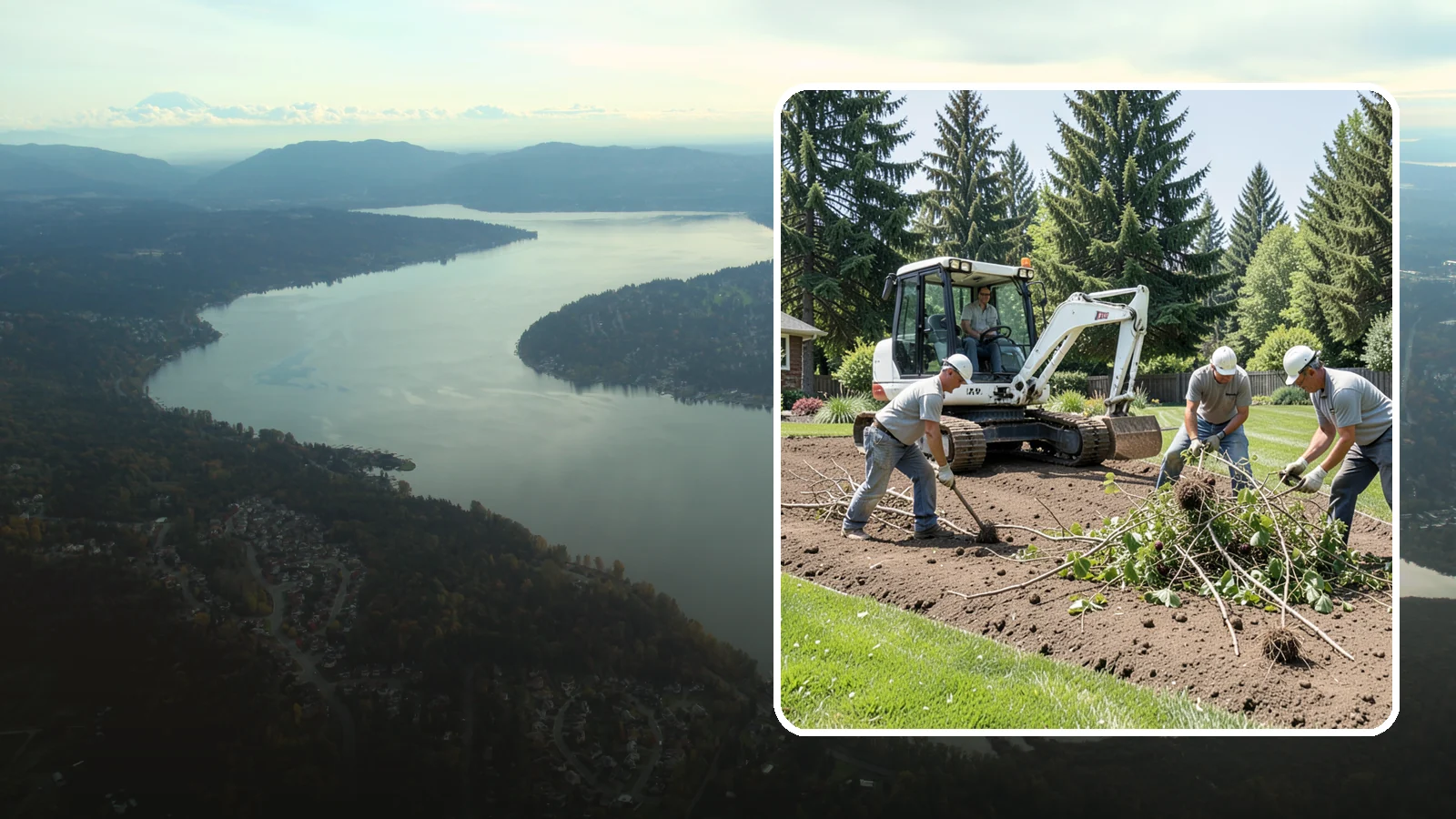
Complete removal of invasive Himalayan blackberry, including root crowns, to reclaim your property for good.
Blackberry removal works best when the plants are actively growing and you can see what you are dealing with. In Sammamish, the median frost-free season runs about 231 days, from about Mar 24 to Nov 14, so there is a long window for cutting, digging and follow-up. Frost can come earlier or later in any given year.
Washington Landscaping, based in Bothell, clears blackberry thickets and the root crowns that let them return. Call or text 425-433-9444 for a free estimate.
Planning Blackberry Removal in Sammamish, WA
Blackberry is not cleared in one pass. Canes can be cut back quickly, but the root crown is what regrows. A plan has to cover both the top growth and the roots below it.
What affects the scope
Two things matter most on a Sammamish property: slope and shade. Per USGS 3DEP elevation data, about 19% of the city's land slopes 15% or more. That figure describes the city as a whole, and your own yard may differ. On a steep bank, digging out crowns is slower and harder. Loose soil can also wash out once the cover is gone, so the bank may need replanting soon after.
Tree canopy covers about 40.6% of Sammamish (USFS/NLCD 2025). If your thicket grows under or around mature trees, crews have to work carefully near trunks and surface roots. Washington Landscaping has an ISA Certified Arborist on staff, which is useful when canes have wrapped into branches or the clearing sits close to a tree you want to keep.
Thicket size and density also set the scope. Older stands have deep, woody crowns and a thick layer of dead canes underneath. A small patch along a fence is a very different job from a half-acre slope.
What to expect
The work usually starts with cutting canes down to a manageable height and hauling them away. Crowns and main roots are then dug out. Some root fragments will stay in the soil. New shoots may show up during the growing season, and they should be cut or dug out while they are small. Expect to need at least one follow-up visit or some yard work on your own.
After clearing, bare ground invites weeds and, on slopes, erosion. Many homeowners plant native shrubs, groundcover or mulch soon after. Your estimate can cover what to do with the cleared area.
A free estimate lets you see the plan before you commit. Financing is available subject to credit approval. The company is licensed, bonded and insured ($2M).
Practical tip: before the visit, walk the edge of the thicket and mark any plants, irrigation lines or property markers you want protected. Hidden items inside blackberries are easy to damage.
Sammamish yard conditions at a glance
| Tree canopy | 40.6% of the city |
|---|---|
| Land sloping 15% or more | 19% (40% or more: 3%) |
| Soil drainage (rated land) | 24% well, 72% moderately well, 4% poorly drained |
| Share of rain October to April | 80% |
A year in a Sammamish yard
- Late winter
- Dormant pruning for most deciduous trees and shrubs, before buds break.
- Spring
- Last frost is usually around Mar 24; in 1 year in 10 it comes on or after Apr 10. Plant frost-tender annuals and vegetables after that.
- Early summer
- Check sprinklers and drip lines before July, the start of the dry months here.
- Summer
- July and August average 0.7 in and 1.2 in. Water deeply and less often; mulch beds to hold moisture.
- Fall
- Aerate, overseed and plant trees and shrubs while the soil is warm; first frost is usually around Nov 14. Winterize irrigation before then.
- Winter
- About 34 days a year freeze at night and thaw by day: keep drains, paver joints and wall weep holes clear.
Dates are medians for the city from Daymet 2005-2025; your yard and any given year can differ.
How Sammamish’s soils drain
- Well drained24%
- Moderately well72%
- Poorly drained4%
Share of rated land in the USDA SSURGO soil survey; built-over ground is not rated. A soil check on your lot tells you what you have.
Sources: Daymet daily weather (NASA/ORNL), 2023 USDA Plant Hardiness Zone Map data (PRISM, Oregon State University), USDA SSURGO soil survey, USGS 3DEP elevation, USFS/NLCD tree canopy 2025, US Census ACS 2020-2024.
Sammamish Blackberry Removal
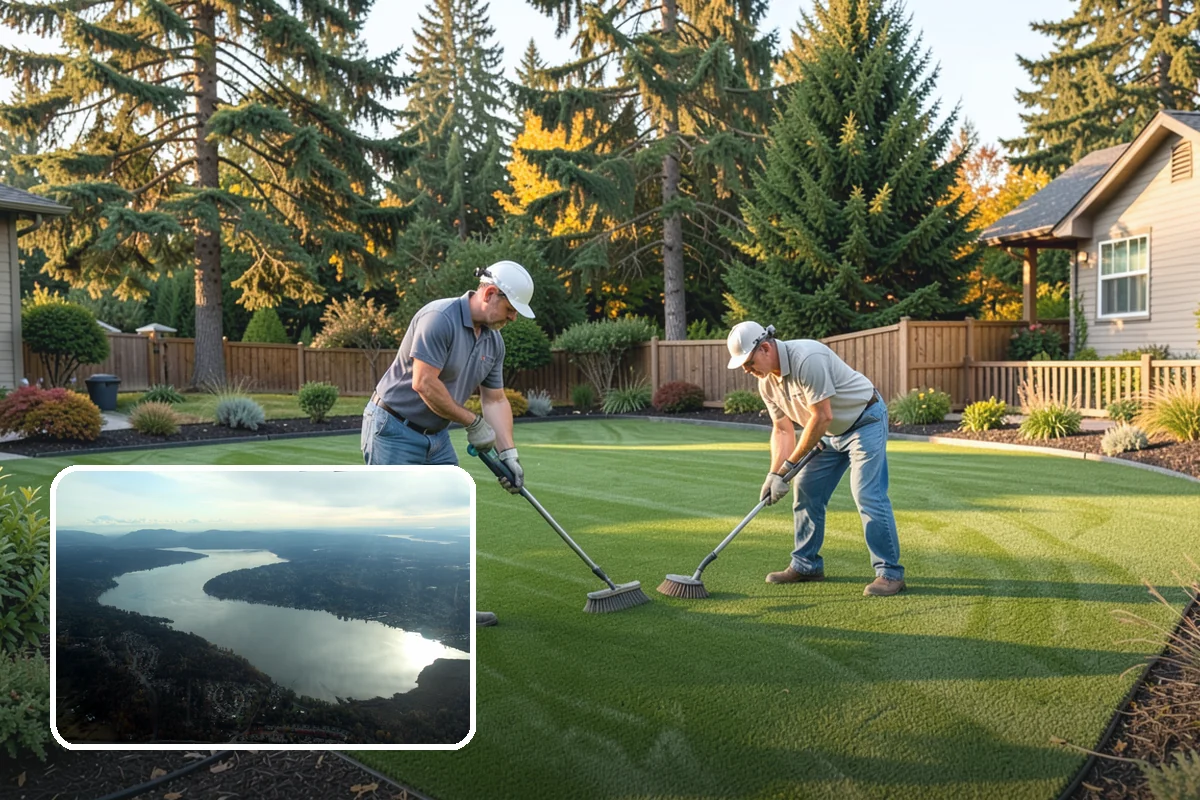
Local Service Information
Sammamish
A residential plateau city on the east side of Lake Sammamish.
Benefits
Reclaims blackberry-choked ground; Root crowns dug out, not just cut; Lasting results, not regrowth; Clears yards, fence lines, and slopes; Follow-up guidance to keep it out
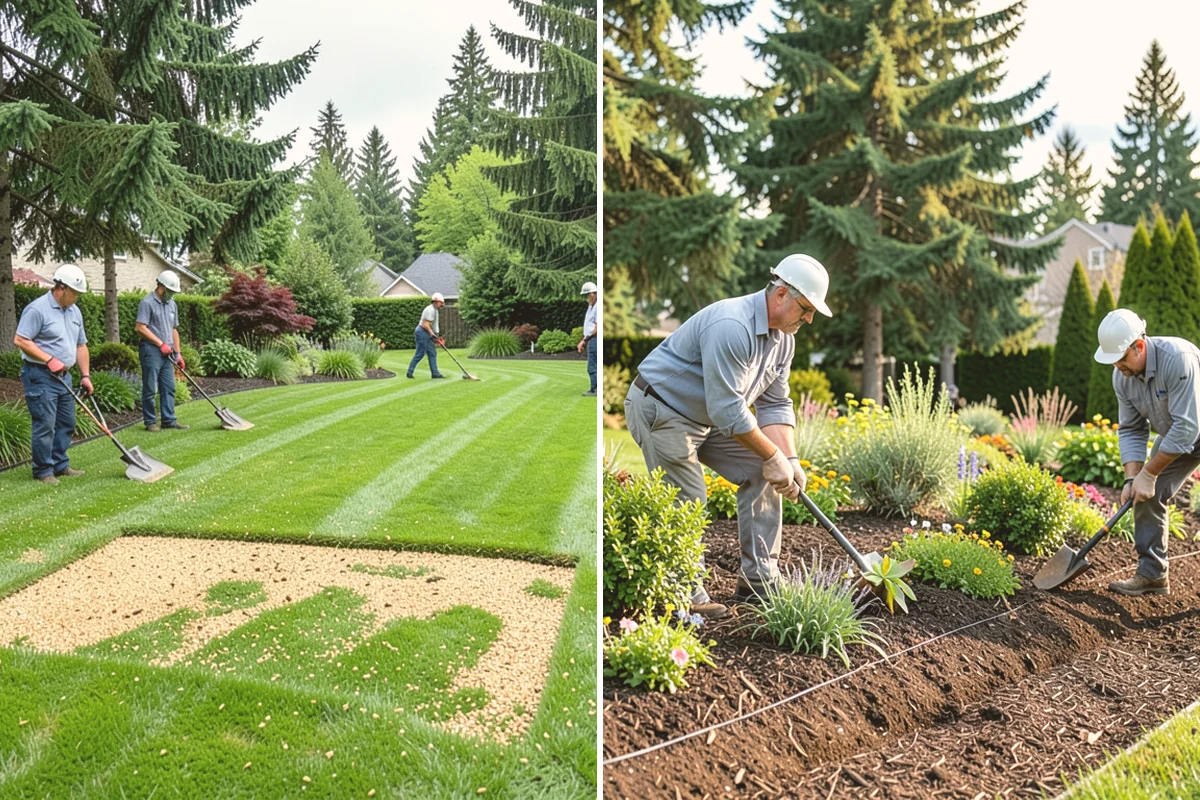
Process
Also serving Sammamish
- Deck Demolition in Sammamishat Washington Construction
- Trail clearing in Sammamishat Washington Tree Services
Get a Free Blackberry Removal Estimate in Sammamish
Tell us about your project. We’ll review your needs and provide a customized, no-obligation proposal.
Request a Free Consultation
Complete the form or call our team to discuss your project.
On-Site Assessment
We’ll review your property, discuss your goals, and recommend an appropriate solution.
Receive a Customized Proposal
Receive a detailed estimate outlining the proposed work and pricing.