Shaping Your Outdoors. Surpassing Expectations.

Sammamish Lawn Pest Control
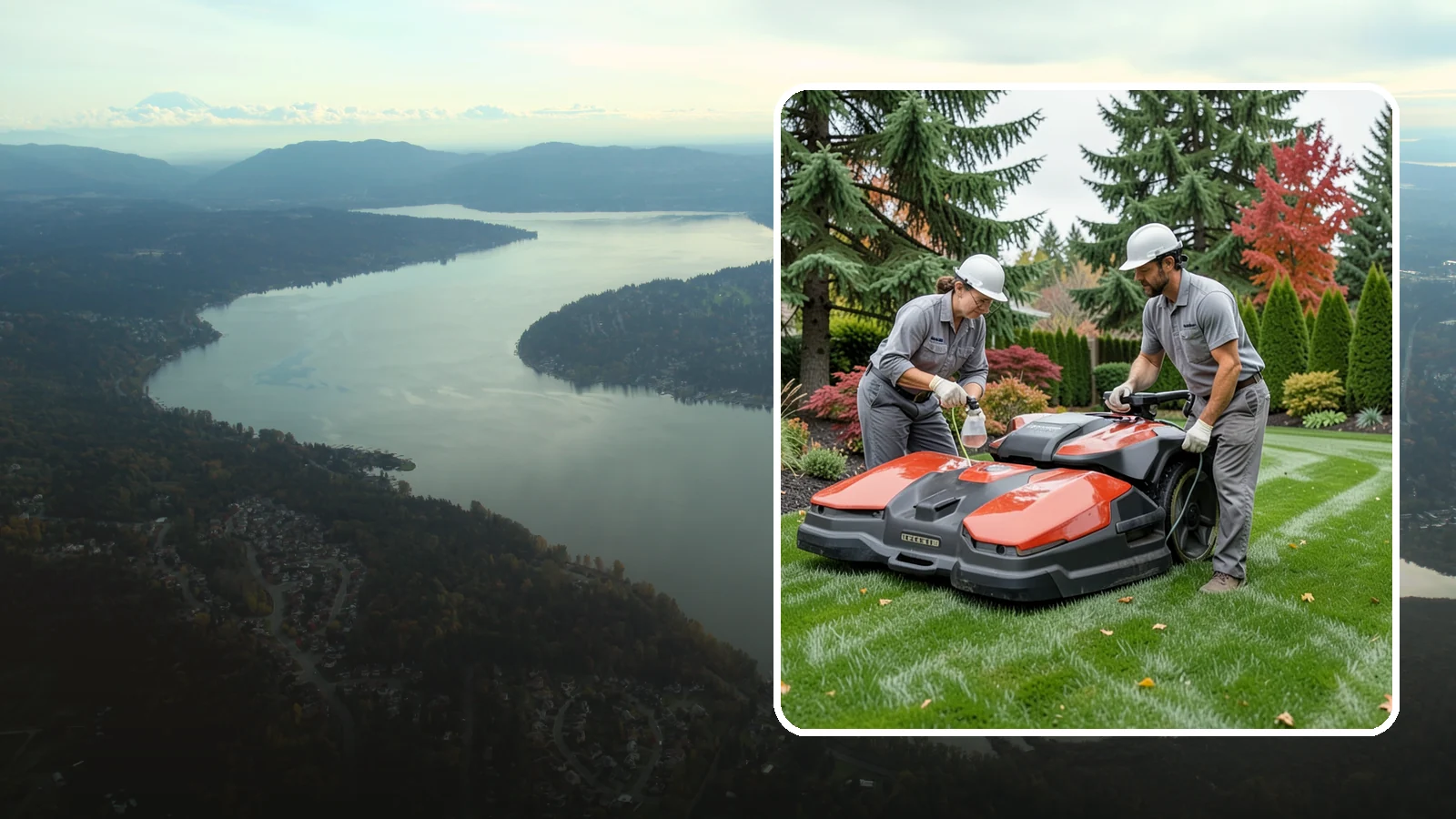
Lawn pest control that handles the insects damaging your turf and keeps grass healthy.
The lawn looks fine in May, then brown patches show up in late summer. The turf pulls up like loose carpet, or birds and skunks tear at the grass. Those are common signs of lawn pests, and they are why many Sammamish homeowners start searching.
Washington Landscaping provides lawn pest control in Sammamish. We find out what is actually feeding on the grass before any treatment is chosen. Our company holds a Washington State pesticide applicator license, and you can call or text 425-433-9444 for a free estimate.
Lawn Pest Control in Sammamish: Timing and Local Conditions
Most lawn damage blamed on pests starts with grubs, the larvae of beetles that feed on grass roots. Other causes can look the same. Drought stress, fungal disease, and dull mower blades all leave brown or thinning turf. A correct diagnosis comes first, because treating the wrong problem wastes time and can stress the lawn further.
Why timing follows the season
Pest activity follows the weather. In Sammamish, the frost-free growing season runs about 231 days, from roughly March 24 to November 14. Those are medians from Daymet data for 2005 to 2025, so frost can come earlier or later in any given year. A long growing season means turf pests have a long window to feed and breed, and it also means we have more than one point in the year to inspect and act.
The last spring frost has a median date of March 24. That is a useful marker for when soil begins to warm and insects become active again. Early spring is a good time to look over the lawn and note areas that struggled the year before.
Dry summers raise the stakes
July and August are the dry months here. Average rainfall is about 0.71 inches in July and about 1.21 inches in August. A lawn that is short on water is weaker, and root feeding by grubs does more harm to turf that cannot reach moisture. Damage often becomes obvious in these months even if the pests have been present for some time. Your own yard may differ from these city-wide averages, since shade, slope, and soil all change how much water the grass gets.
What the work looks like
We begin with a walk of the lawn. We check the turf for how easily it lifts, dig small sections to look at the root zone, and note thatch depth, moisture, and mowing height. If insects are the cause, we recommend a targeted treatment. If the cause is something else, we say so and suggest changes to watering, mowing, or aeration instead. Any applications are done under our Washington State pesticide applicator license.
We also talk through habits that help the lawn recover, such as deeper, less frequent watering and keeping the grass a bit taller in summer. Free estimates are available, and financing is available subject to credit approval.
Sammamish yard conditions at a glance
| Days with 0.1 in or more of rain | 128 a year |
|---|---|
| Tree canopy | 40.6% of the city |
| Frost-free season | about 231 days |
| Share of rain October to April | 80% |
| Last / first frost (median) | Mar 24 / Nov 14 |
A year in a Sammamish yard
- Late winter
- Dormant pruning for most deciduous trees and shrubs, before buds break.
- Spring
- Last frost is usually around Mar 24; in 1 year in 10 it comes on or after Apr 10. Plant frost-tender annuals and vegetables after that.
- Early summer
- Check sprinklers and drip lines before July, the start of the dry months here.
- Summer
- July and August average 0.7 in and 1.2 in. Water deeply and less often; mulch beds to hold moisture.
- Fall
- Aerate, overseed and plant trees and shrubs while the soil is warm; first frost is usually around Nov 14. Winterize irrigation before then.
- Winter
- About 34 days a year freeze at night and thaw by day: keep drains, paver joints and wall weep holes clear.
Dates are medians for the city from Daymet 2005-2025; your yard and any given year can differ.
Sources: Daymet daily weather (NASA/ORNL), 2023 USDA Plant Hardiness Zone Map data (PRISM, Oregon State University), USDA SSURGO soil survey, USGS 3DEP elevation, USFS/NLCD tree canopy 2025, US Census ACS 2020-2024.
Sammamish Lawn Pest Control

Local Service Information
Sammamish
A residential plateau city on the east side of Lake Sammamish.
Benefits
Identifies and targets the specific pest; Addresses Northwest-common pests like crane fly; Stops thinning and discoloration; Protects turf without over-treating; Combined with practices that build resilience

Process
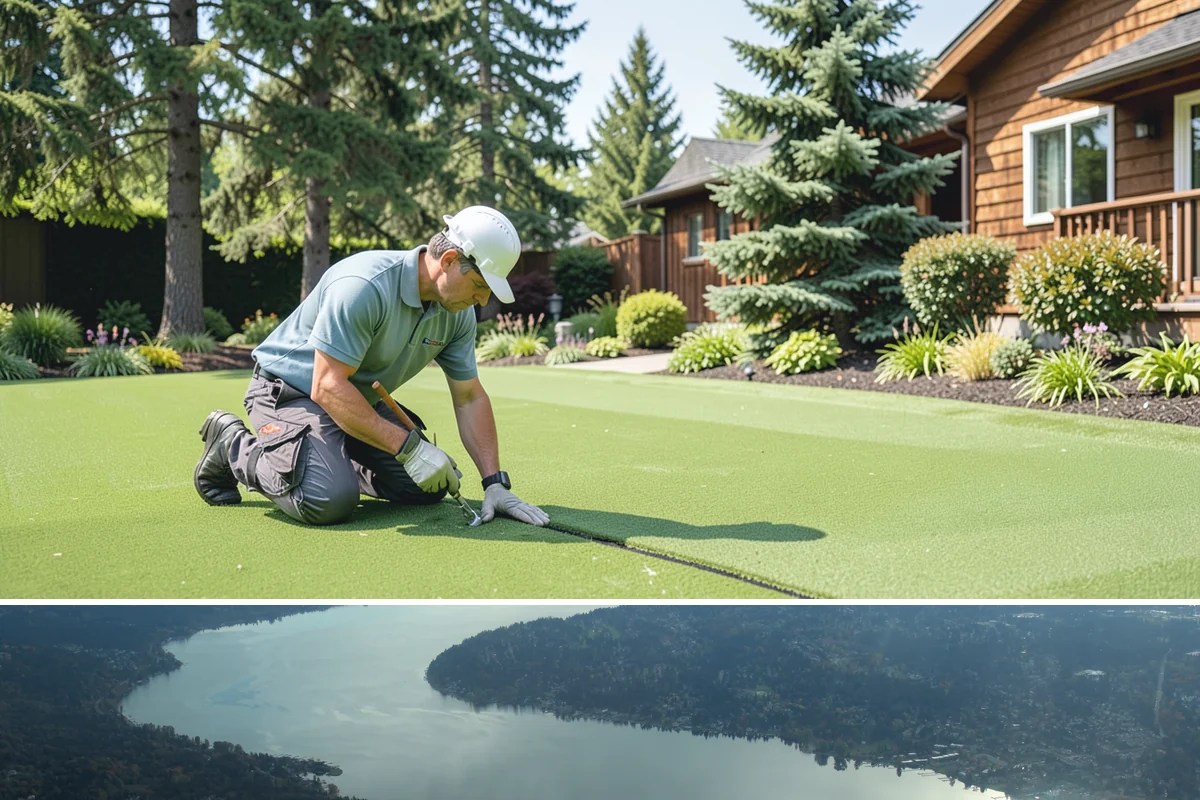
Get a Free Lawn Pest Control Estimate in Sammamish
Tell us about your project. We’ll review your needs and provide a customized, no-obligation proposal.
Request a Free Consultation
Complete the form or call our team to discuss your project.
On-Site Assessment
We’ll review your property, discuss your goals, and recommend an appropriate solution.
Receive a Customized Proposal
Receive a detailed estimate outlining the proposed work and pricing.