Local Service Information
SeaTac
A city surrounding Seattle-Tacoma International Airport in south King County.
County: King County
ZIP Codes Served: 98148, 98158, 98168, 98188
Neighborhoods: Angle Lake, McMicken Heights, Bow Lake
Nearby Communities: Burien, Tukwila, Des Moines, Kent
Common Property Types: Predominantly single-family homes with townhomes and some condominiums and multifamily housing; commercial property includes retail, office, and small mixed-use buildings.
Local Tree & Landscape Notes: Common regional trees include Douglas fir, western red cedar, western hemlock, bigleaf maple, and red alder, alongside many ornamental species. Wet soils and dense canopy are common considerations for access and scheduling.
Permit Considerations: Permit requirements vary depending on tree size, species, protected areas, shoreline regulations, critical areas, and local municipal code. Always verify current requirements with the local jurisdiction before beginning work.
Climate: Marine west coast climate typical of the Puget Sound region: mild, wet winters and warm, relatively dry summers, with most rainfall from fall through spring. Occasional wind, snow, and ice events and seasonal soil saturation influence tree health and the timing of tree work.
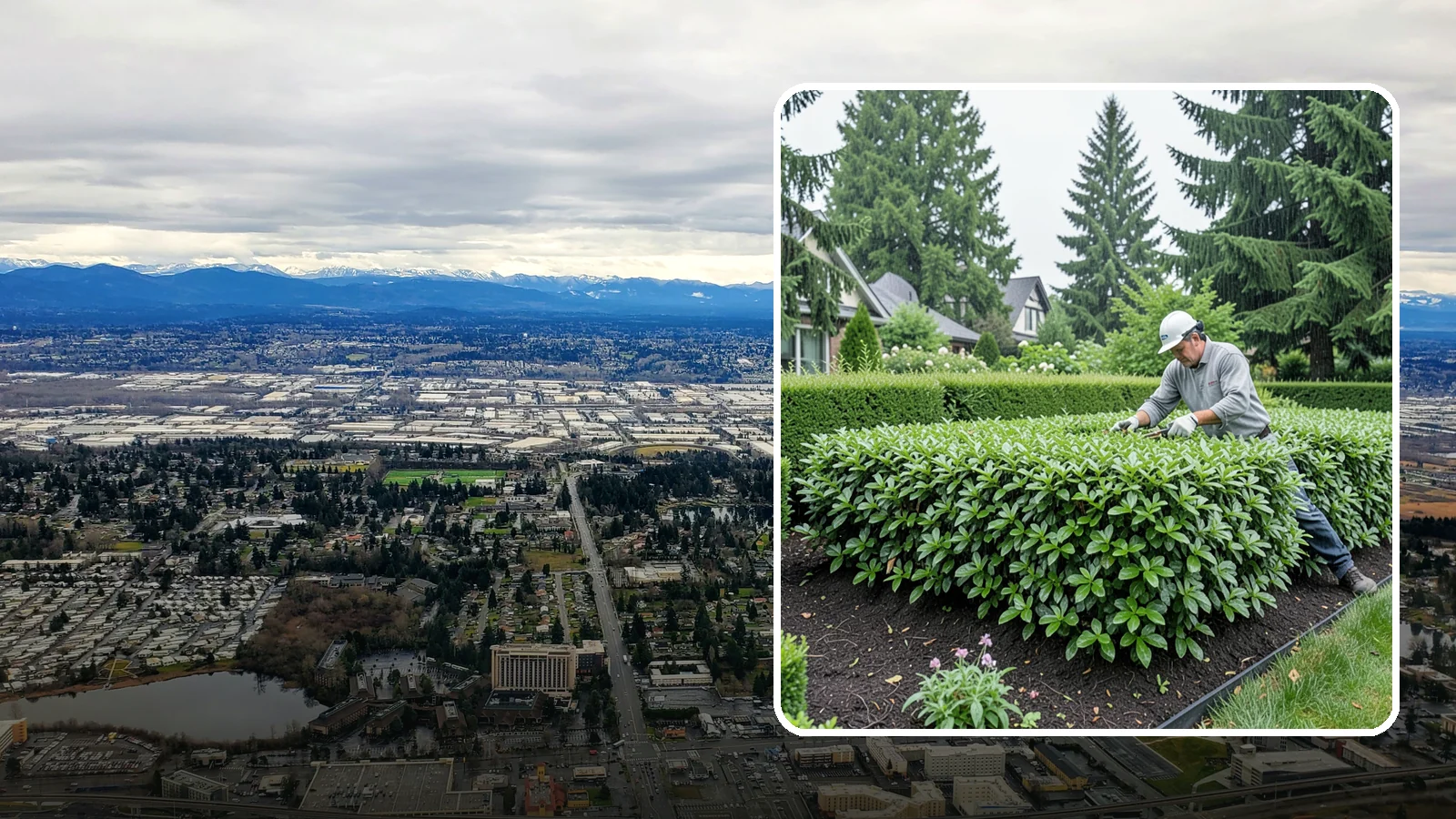
Landscaping in SeaTac balances tidy residential yards with the busy character of a city built around Seattle-Tacoma International Airport. From the neighborhoods near Angle Lake and McMicken Heights to the pockets around Bow Lake, homeowners tend to want low-maintenance, resilient plantings that hold up to the mild but wet Puget Sound lowland climate. Compact single-family lots and townhome parcels shape most projects, so thoughtful use of limited space matters a great deal here.
Because many SeaTac properties sit close to Angle Lake Park and the airport corridor, landscaping here often emphasizes screening, noise-buffering greenery, and clean curb appeal that works on modest lots. Residents around Bow Lake and McMicken Heights typically treat yard work as ongoing seasonal upkeep rather than sweeping overhauls.
Site Conditions: Ground reflects the Puget Sound lowland setting: generally moist, glacially derived soils that can hold water through the wet months, with gentle grades common across the Angle Lake area. Sun exposure varies from open front yards to shaded backyards under mature conifers, and drainage planning matters on the flatter lots.
Seasonal Considerations: Spring in SeaTac calls for bed cleanup, fresh mulch, and lawn overseeding as the rains ease. Summer brings the dry stretch where irrigation and mowing schedules matter most, while fall is prime time for planting and leaf management under the neighborhood maples. Winter work leans toward pruning, drainage checks, and protecting tender plants from the occasional cold snap.
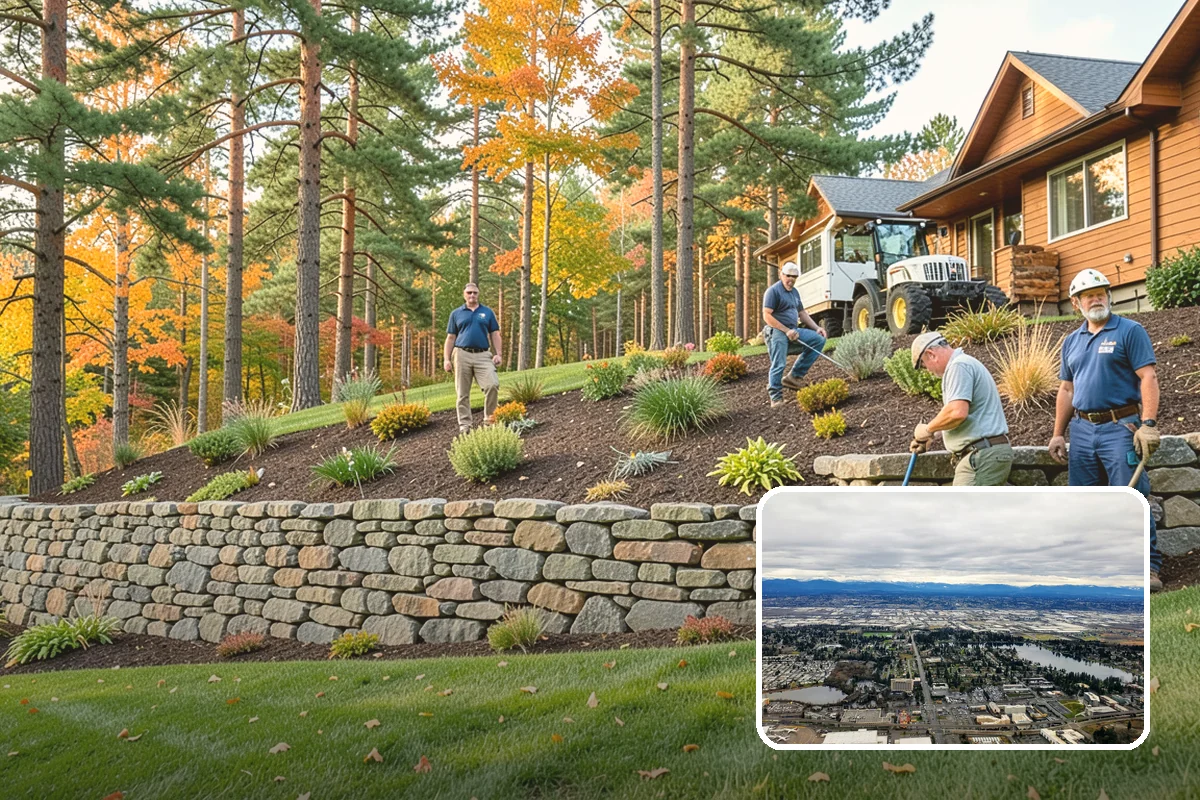
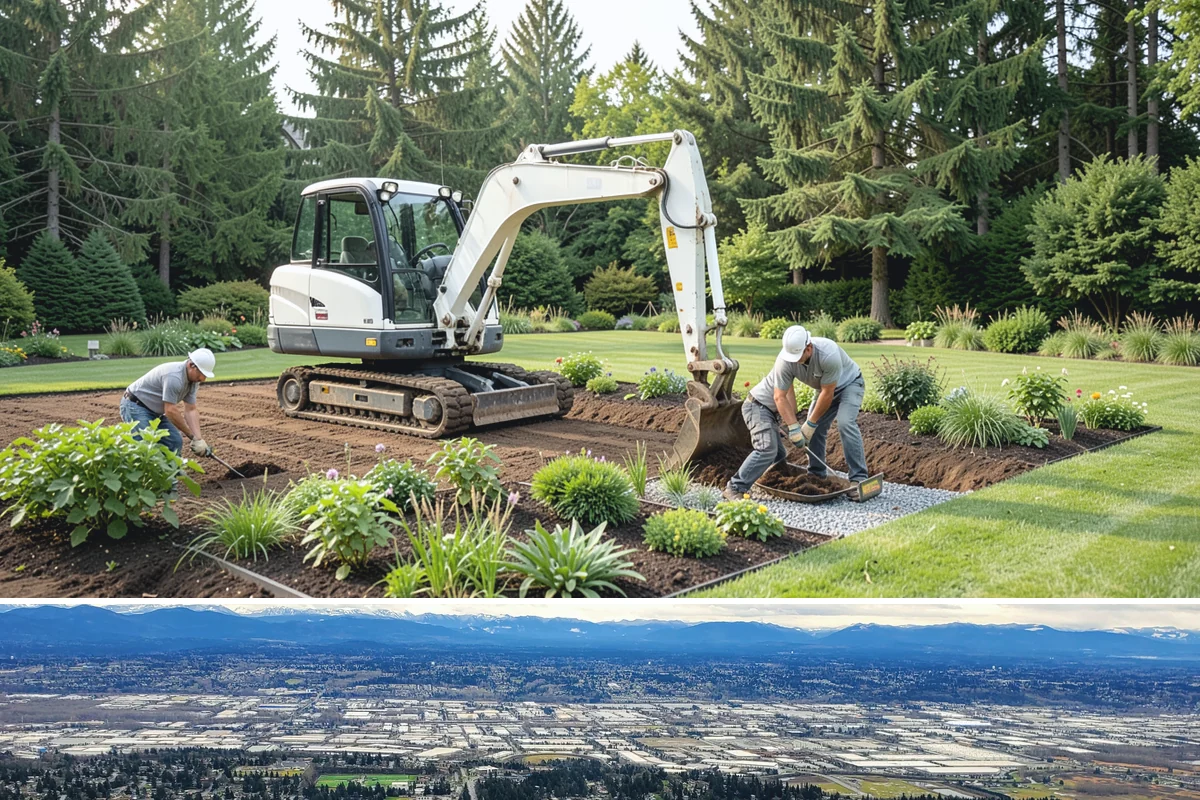
Common Project Types: Typical SeaTac projects include lawn renovation, foundation plantings, and privacy hedging for closely spaced single-family and townhome lots. Patios, low retaining walls, and refreshed front-yard beds are popular, along with screening plantings that soften views toward the busier corridors near the airport.
Property Styles: Most SeaTac lots are compact single-family or townhome parcels, with some condominium and multifamily grounds mixed in around Angle Lake and north of the airport. Yards tend to be modest in size, rewarding efficient layouts and plantings scaled to smaller usable space.
Local Materials & Plants: Reliable choices for SeaTac’s mild, wet lowland climate include evergreen shrubs like laurel, boxwood, and arborvitae for screening, plus rhododendrons, ferns, and hardy perennials that thrive in filtered light. Bark mulch and locally common gravel work well for beds and pathways in this zone 8b setting.
Planning Your Project: Planning a SeaTac project generally means timing plantings around the wet-season windows and coordinating access on tighter urban lots. It helps to consider drainage early, group hardscape and planting phases sensibly, and check with local authorities about any general requirements before larger grading or tree work near the Angle Lake neighborhoods.
If you are planning a landscaping refresh in SeaTac, from the Angle Lake area to McMicken Heights, we would be glad to talk through your yard’s goals and help you shape a plan that fits your lot and the local climate.