Local Service Information
Snohomish
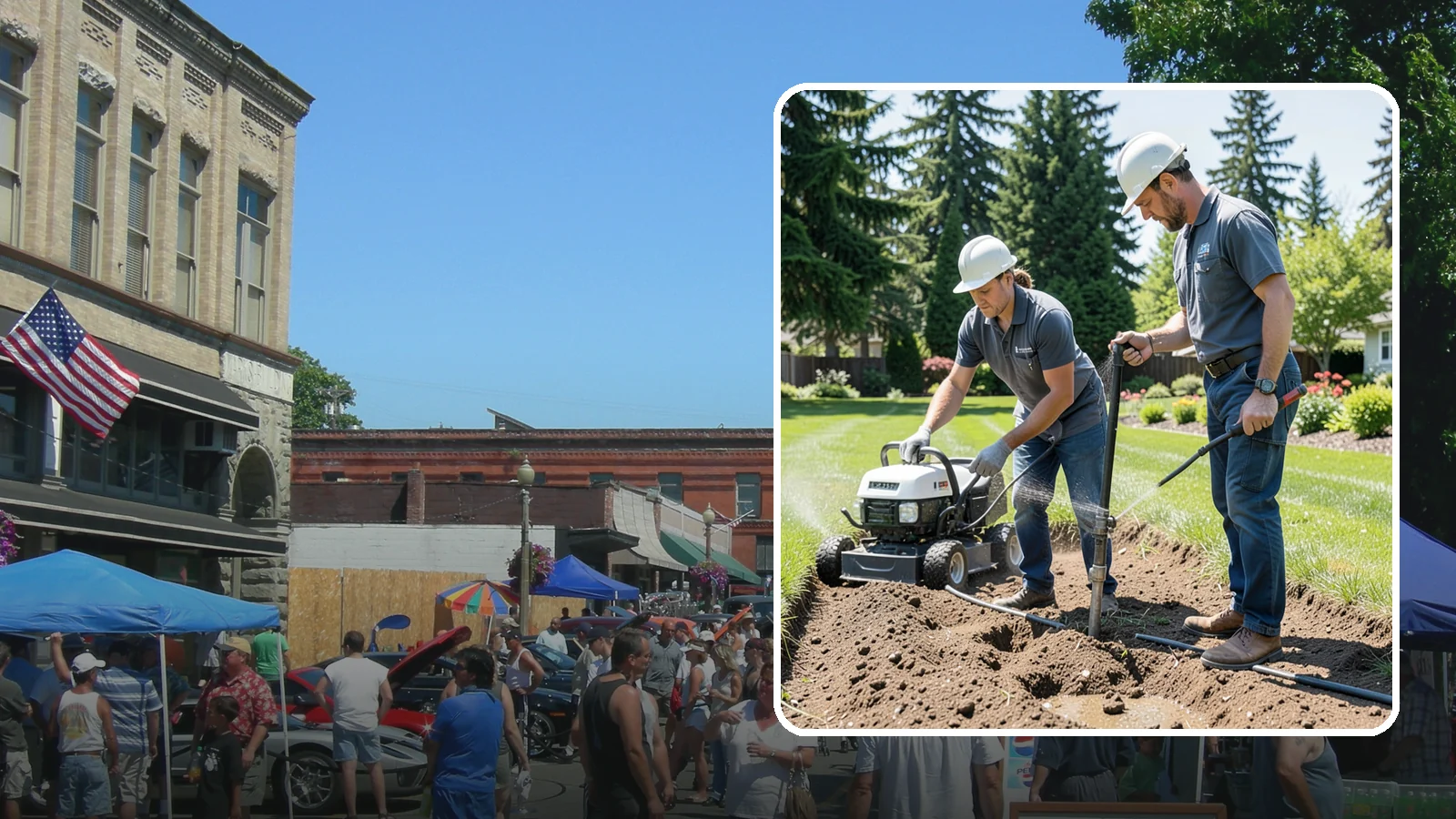
A historic city on the Snohomish River known for its antique district and river valley setting.
County: Snohomish County
ZIP Codes Served: 98290, 98296
Neighborhoods: Historic Downtown, Pilchuck
Nearby Communities: Everett, Monroe, Lake Stevens, Mill Creek
Common Property Types: Predominantly single-family homes, with some townhomes and multifamily housing; commercial property includes small retail, civic, and light commercial buildings.
Local Tree & Landscape Notes: Common regional trees include Douglas fir, western red cedar, western hemlock, bigleaf maple, and red alder, alongside many ornamental species. Wet soils and dense canopy are common considerations for access and scheduling.
Permit Considerations: Permit requirements vary depending on tree size, species, protected areas, shoreline regulations, critical areas, and local municipal code. Always verify current requirements with the local jurisdiction before beginning work.
Climate: Marine west coast climate typical of the Puget Sound region: mild, wet winters and warm, relatively dry summers, with most rainfall from fall through spring. Occasional wind, snow, and ice events and seasonal soil saturation influence tree health and the timing of tree work.
Landscaping in Snohomish carries the charm of a historic river town known for its antique district and walkable downtown. Around the Pilchuck neighborhood and the streets near the Snohomish River, homeowners often blend classic garden style with practical, easy-care plantings. The mild, wet lowland climate encourages green lawns, flowering borders, and mature trees that complement the city’s heritage character.
In and around Snohomish’s historic downtown and Pilchuck area, landscaping frequently means caring for established yards, complementing older homes with period-appropriate plantings, and creating comfortable outdoor spaces. Residents here tend to value gardens that look good year-round with steady seasonal attention.
Site Conditions: Snohomish sits in the river valley on generally fertile lowland soils that can stay moist, particularly on lots near the Snohomish River. Terrain is largely gentle, with open sun on many properties and shadier spots beneath established trees, making drainage and thoughtful plant placement worthwhile on damper ground.
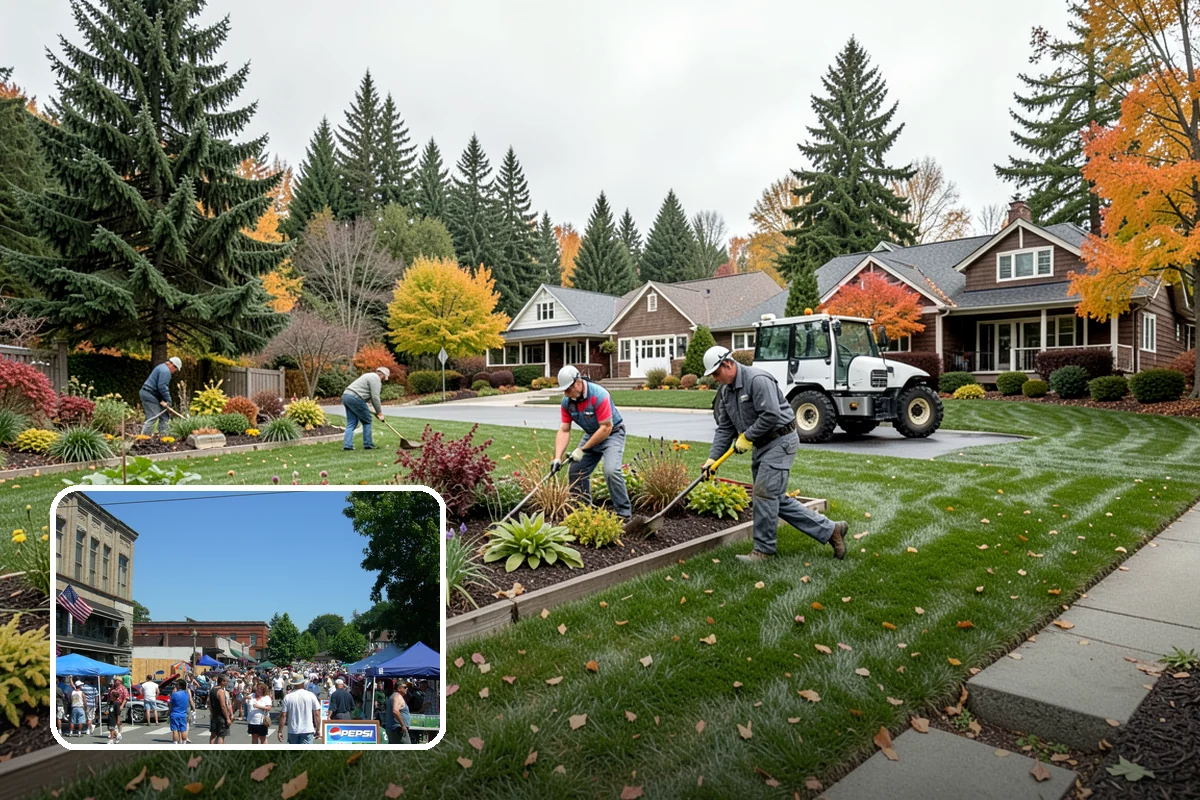
Seasonal Considerations: Spring in Snohomish is busy with bed cleanup, mulching, and lawn recovery as the valley warms. Summers bring the dry period where irrigation and mowing routines matter, and autumn is ideal for planting and managing leaf fall from the town’s mature trees. Winter is the time for dormant pruning, drainage checks, and protecting beds through the wet, cool months.
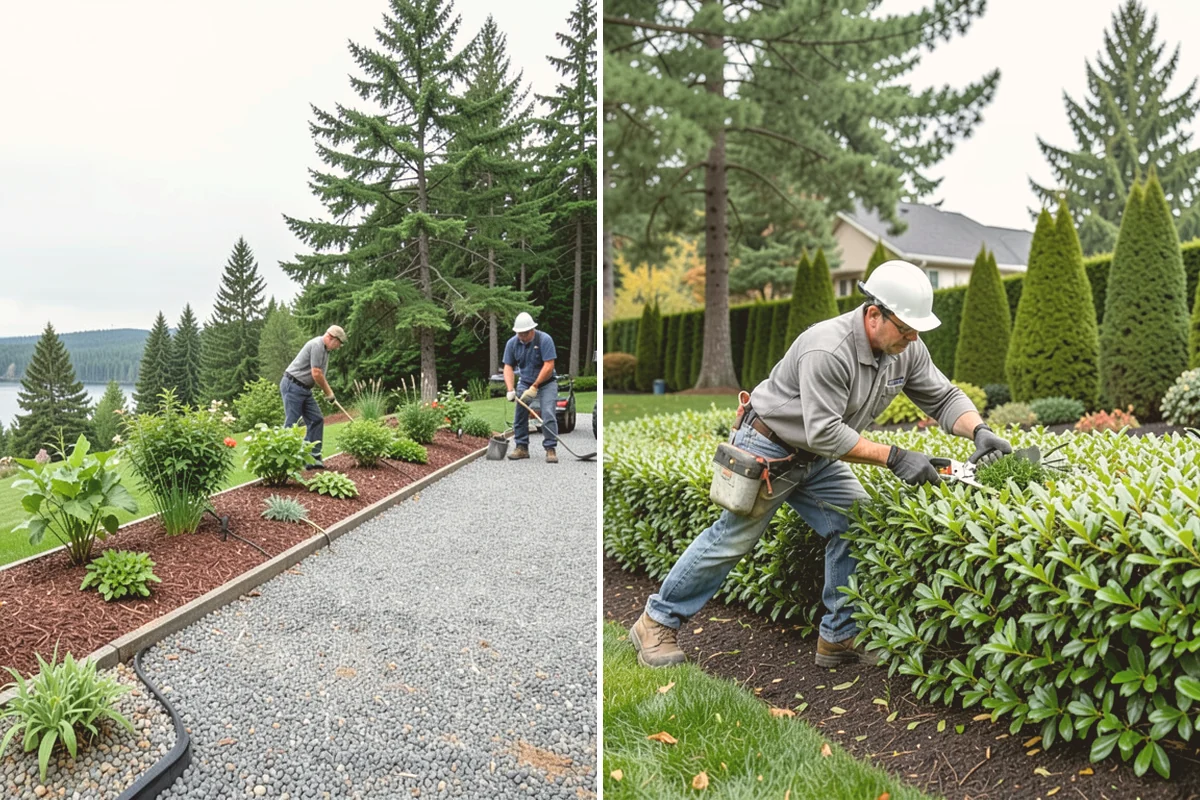
Common Project Types: Frequent Snohomish projects include lawn renovation, cottage-style and perennial borders, and foundation plantings suited to historic single-family homes. Patios, walkways, raised garden beds, and privacy plantings are common, along with refreshes that update older yards near the downtown antique district.
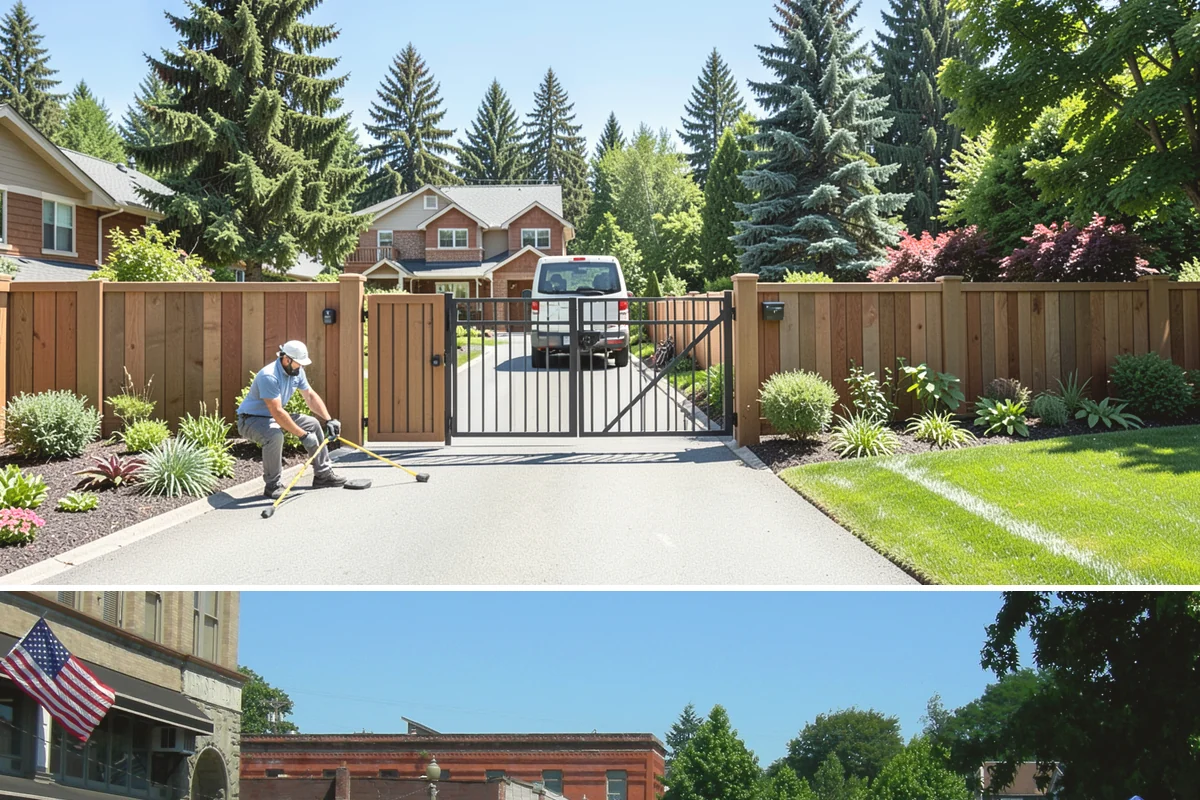
Property Styles: Snohomish properties are largely single-family homes, many with historic character, plus townhomes and multifamily grounds near downtown and Pilchuck. Established trees, traditional layouts, and moderate lot sizes shape projects, often pairing preservation of mature plantings with new features.
Local Materials & Plants: Snohomish gardens flourish with classic, climate-friendly plants like hydrangeas, roses, lavender, and rhododendrons, alongside ferns and hardy perennials that suit the valley’s moist soils. Bark mulch, natural stone, and brick complement the historic character and the mild zone 8b conditions for beds and paths.
Planning Your Project: Planning a Snohomish project often involves working around mature trees, older infrastructure, and damp valley lots near the river. Considering drainage early, sequencing hardscape and planting sensibly, and checking general local requirements before major grading or tree work help projects near the historic district go smoothly.
If you are planning a garden or landscape update in Snohomish, from the historic downtown to the Pilchuck area, we would be glad to discuss your vision and help create a plan that fits your home and the river-valley setting.