Local Service Information
South Prairie
A very small town in the foothills of southeast Pierce County near the Carbon River.
County: Pierce County
ZIP Codes Served: 98385
Neighborhoods: A small rural town core near the Carbon River
Nearby Communities: Buckley, Wilkeson, Orting
Common Property Types: Predominantly single-family homes on larger and rural lots, with some farm and acreage properties; commercial property is limited to small retail and civic buildings.
Local Tree & Landscape Notes: Forested foothill setting with conifers such as Douglas fir, western hemlock, and western red cedar, plus bigleaf maple and alder. Slopes, wet soils, and larger trees are common considerations for access and rigging.
Permit Considerations: Permit requirements vary depending on tree size, species, protected areas, shoreline regulations, critical areas, and local municipal code. Always verify current requirements with the local jurisdiction before beginning work.
Climate: Marine west coast climate typical of the Puget Sound region: mild, wet winters and warm, relatively dry summers, with most rainfall from fall through spring. Occasional wind, snow, and ice events and seasonal soil saturation influence tree health and the timing of tree work.
Landscaping in South Prairie suits a small, rural foothills community set near the Carbon River and the Foothills Trail. With larger, more open lots and some farm and acreage properties, homeowners here often favor practical, country-style landscapes with room for gardens, pasture edges, and mature trees. A climate slightly cooler than the open lowlands encourages hardy, seasonally dependable plantings.
Given South Prairie’s rural parcels and proximity to the Carbon River and Foothills Trail, landscaping usually emphasizes functional space: productive gardens, durable lawns, hardy plantings, and clear access. Residents tend to plan yard work as steady, season-driven maintenance suited to acreage living.
Site Conditions: South Prairie’s setting near the Carbon River brings fertile but often damp bottomland soils, gentle-to-rolling terrain, and a touch of elevation influence. Open sun is common on rural lots, with wetter low spots and riverside areas that reward attention to drainage and careful plant placement.
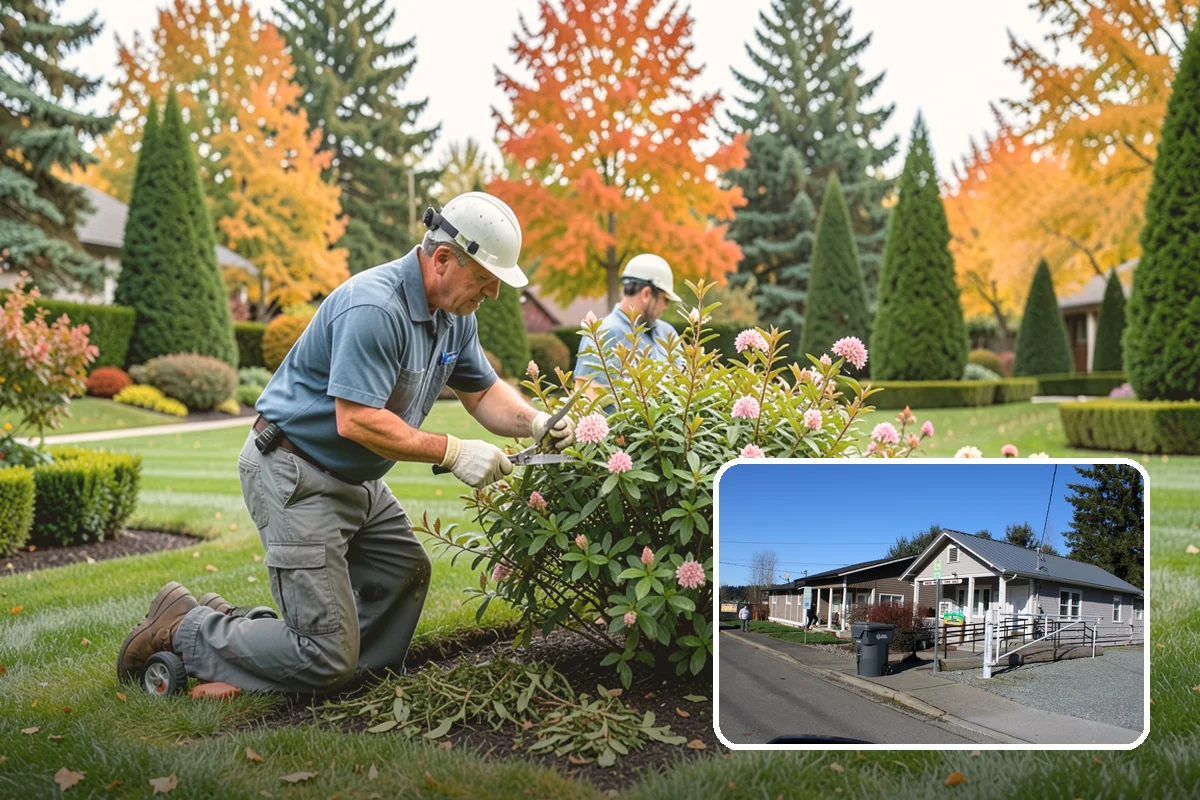
Seasonal Considerations: Spring in South Prairie is for soil prep, planting, and lawn recovery once the ground dries from the wet season. Summers support gardens and pastures with steady watering, and fall is well suited to establishing trees and shrubs before the rains return. Winters run slightly cooler, so protecting tender plants and dormant pruning are sensible.
Common Project Types: Typical South Prairie projects include lawn and pasture-edge plantings, raised vegetable beds, fruit trees, and hardy ornamental borders for larger rural lots. Gravel drives, fence-line plantings, and drainage-conscious grading fit the acreage character better than compact, formal designs.
Property Styles: South Prairie properties are mostly single-family homes on larger, rural, and acreage lots, with some farm parcels near the river. Open space, room for outbuildings and gardens, and natural transitions to the surrounding countryside shape the landscaping approach.
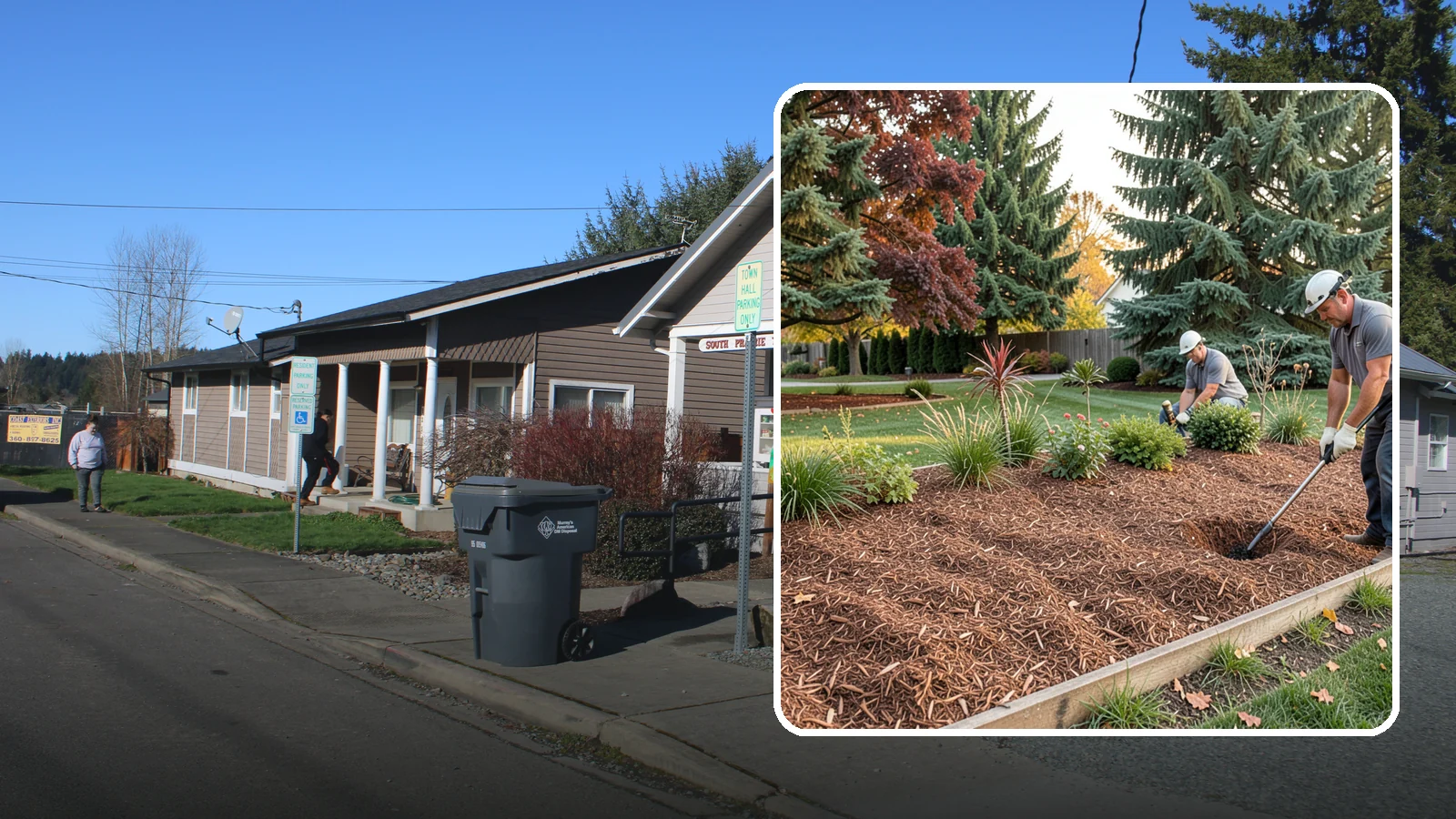
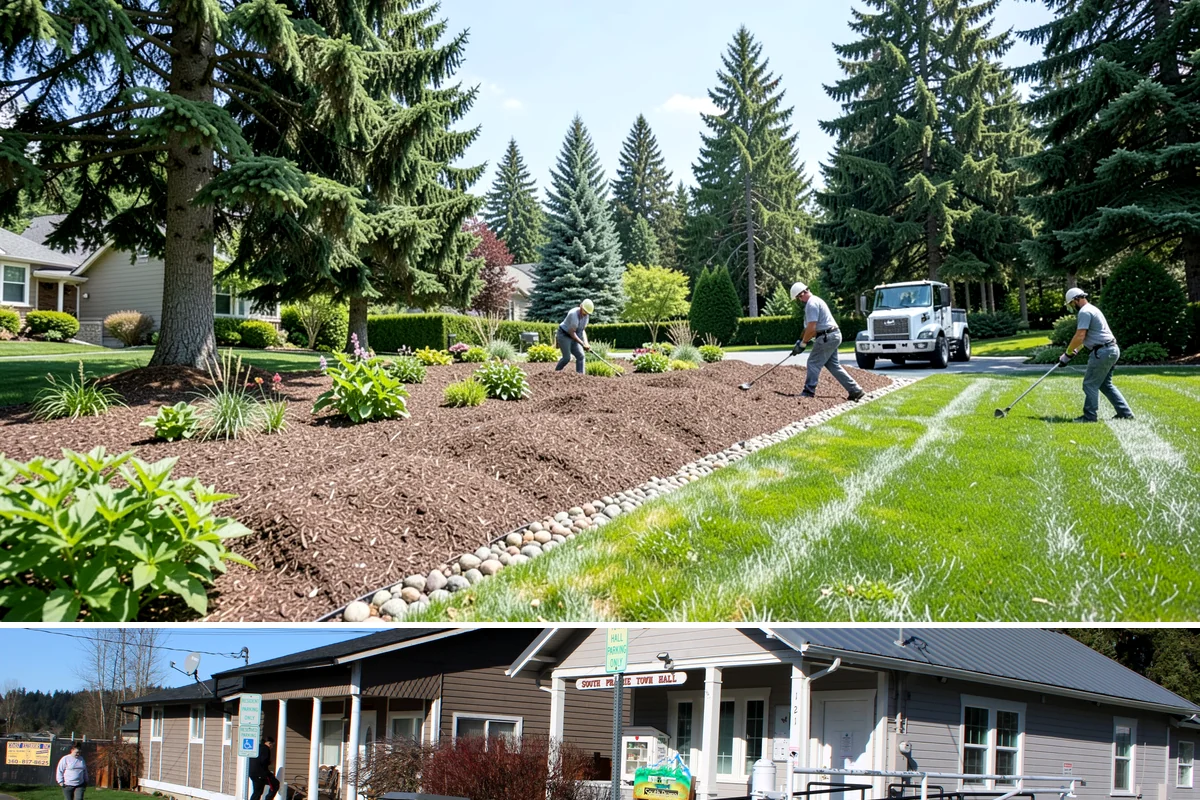
Local Materials & Plants: Hardy, rural-friendly plants suit South Prairie’s slightly cooler zone 8a-8b climate, including fruit trees, viburnum, dogwood, native ferns, and tough perennials that handle damp ground. Bark mulch, local gravel, and natural stone are practical choices for beds, drives, and pathways on country lots.
Planning Your Project: Planning in South Prairie means accounting for damp bottomland, rural access, and a slightly cooler season near the river. Timing major work for drier summer windows, planning drainage on wet lots, and confirming general local requirements before clearing or grading near the Carbon River help keep rural projects grounded.
If you are shaping a yard or acreage in South Prairie near the Carbon River, we would be glad to hear your goals and help plan a hardy, practical landscape suited to this rural foothills setting.