Local Service Information
Stanwood
A city near the mouth of the Stillaguamish River in northwest Snohomish County, near farmland and the coast.
County: Snohomish County
ZIP Codes Served: 98292
Neighborhoods: Downtown, East Stanwood
Nearby Communities: Arlington, Marysville, Mount Vernon
Common Property Types: Predominantly single-family homes, with some townhomes and multifamily housing; commercial property includes small retail, civic, and light commercial buildings.
Local Tree & Landscape Notes: Common regional trees include Douglas fir, western red cedar, western hemlock, bigleaf maple, and red alder, alongside many ornamental species. Wet soils and dense canopy are common considerations for access and scheduling.
Permit Considerations: Permit requirements vary depending on tree size, species, protected areas, shoreline regulations, critical areas, and local municipal code. Always verify current requirements with the local jurisdiction before beginning work.
Climate: Marine west coast climate typical of the Puget Sound region: mild, wet winters and warm, relatively dry summers, with most rainfall from fall through spring. Occasional wind, snow, and ice events and seasonal soil saturation influence tree health and the timing of tree work.
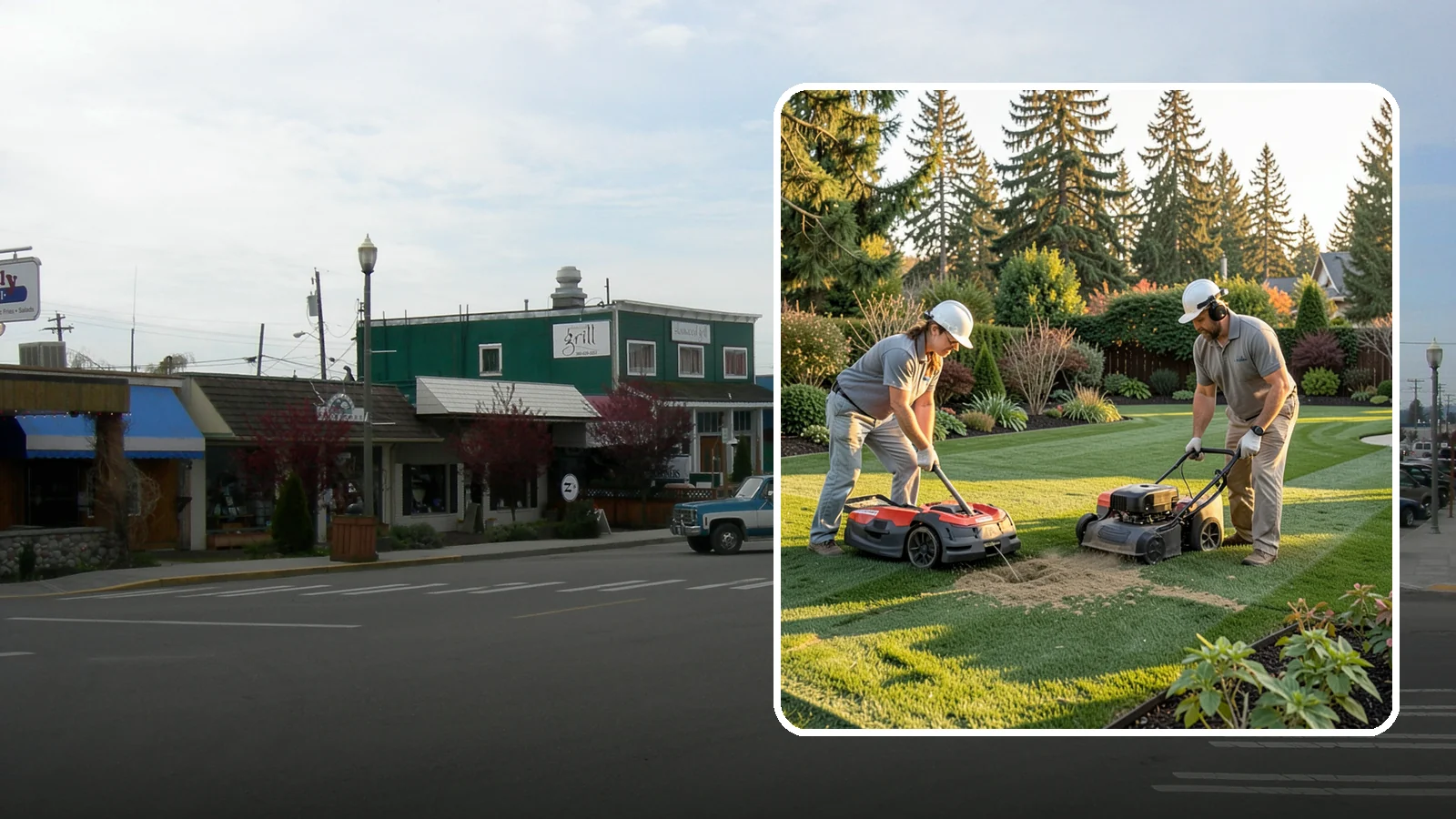
Landscaping in Stanwood reflects a coastal-valley community near the Stillaguamish River delta and the crossing to Camano Island. Across Downtown and East Stanwood, homeowners often blend practical lawns and gardens with plantings that suit the mild, wet, marine-influenced lowland climate. The nearby farmland and waterways give the area a relaxed, rural-edged character that shapes many yards.
With Stanwood’s mix of town lots and open, delta-adjacent parcels, landscaping tends to focus on durable lawns, gardens, and plantings that tolerate moisture and coastal breezes. Residents near Downtown and East Stanwood generally treat their yards as steady seasonal projects tied to the valley’s growing rhythm.
Site Conditions: Stanwood sits low near the Stillaguamish delta, where soils are often rich but can be wet, and terrain is largely flat. Marine air moderates temperatures, while open exposure on delta-side lots and damp low spots make drainage planning and moisture-tolerant plant choices especially important.
Seasonal Considerations: Spring in Stanwood brings soil prep, planting, and lawn recovery as the delta ground dries. Summers are mild with a dry stretch that calls for irrigation on lawns and gardens, and fall is prime time for establishing shrubs and trees ahead of the rains. Winters stay wet and cool, so drainage upkeep and dormant pruning take priority.
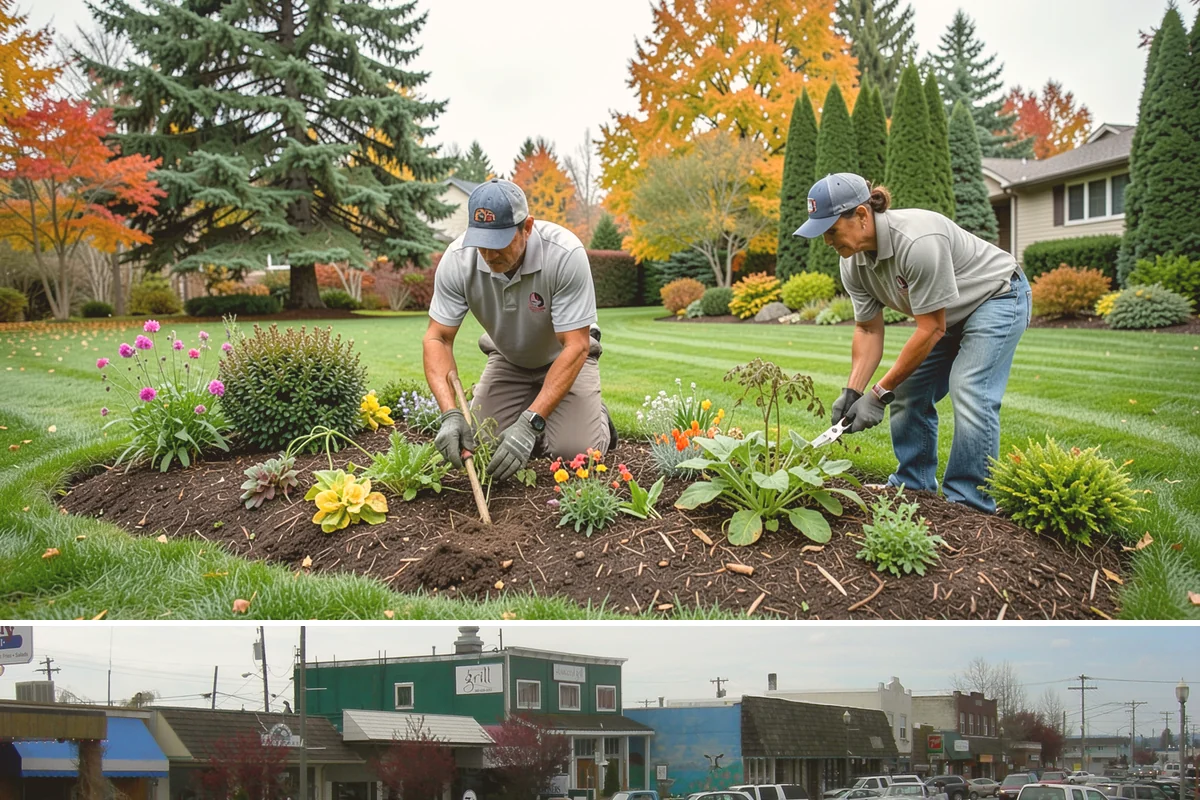
Common Project Types: Common Stanwood projects include lawn renovation, vegetable and flower gardens, and moisture-tolerant borders for single-family and townhome lots. Drainage improvements, raised beds, fruit trees, and windbreak or screening plantings suit the open, delta-influenced setting near town.
Property Styles: Stanwood properties are largely single-family homes, joined by townhomes and multifamily grounds around Downtown and East Stanwood. Lots range from compact town parcels to more open, rural-edged properties near the delta, often with room for gardens and practical outdoor space.
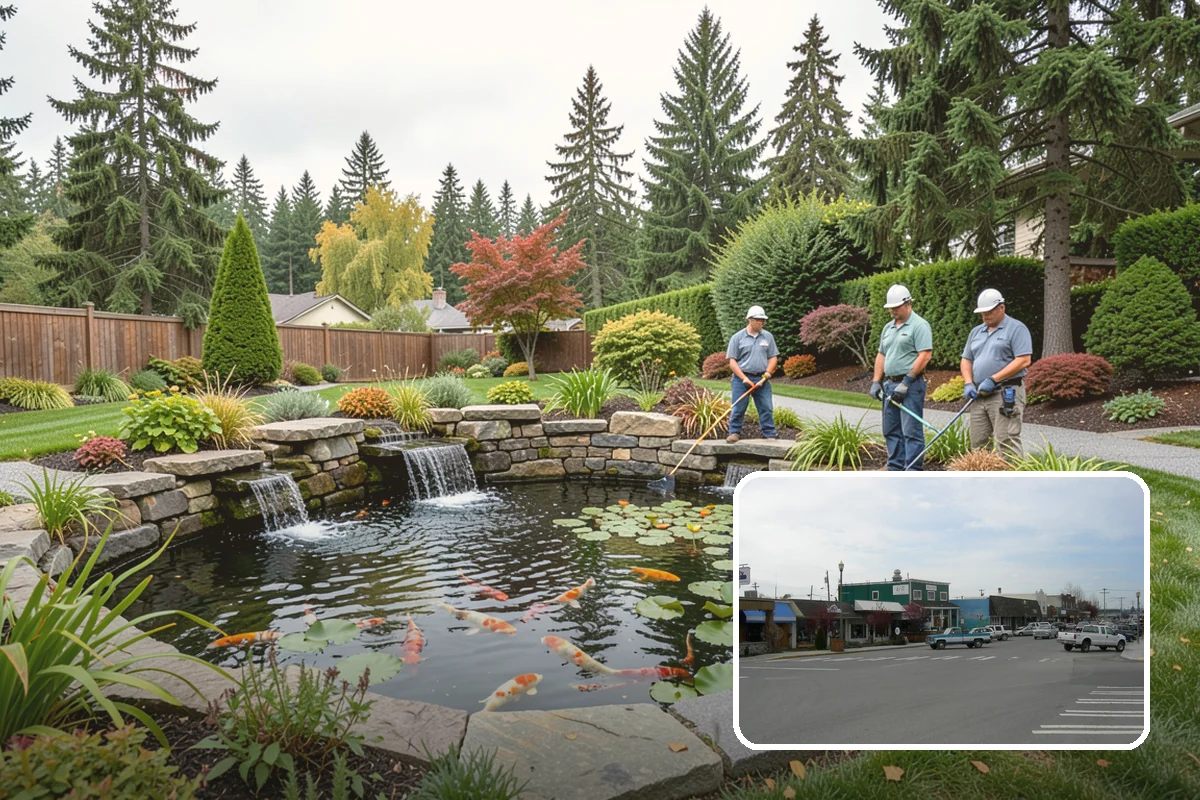
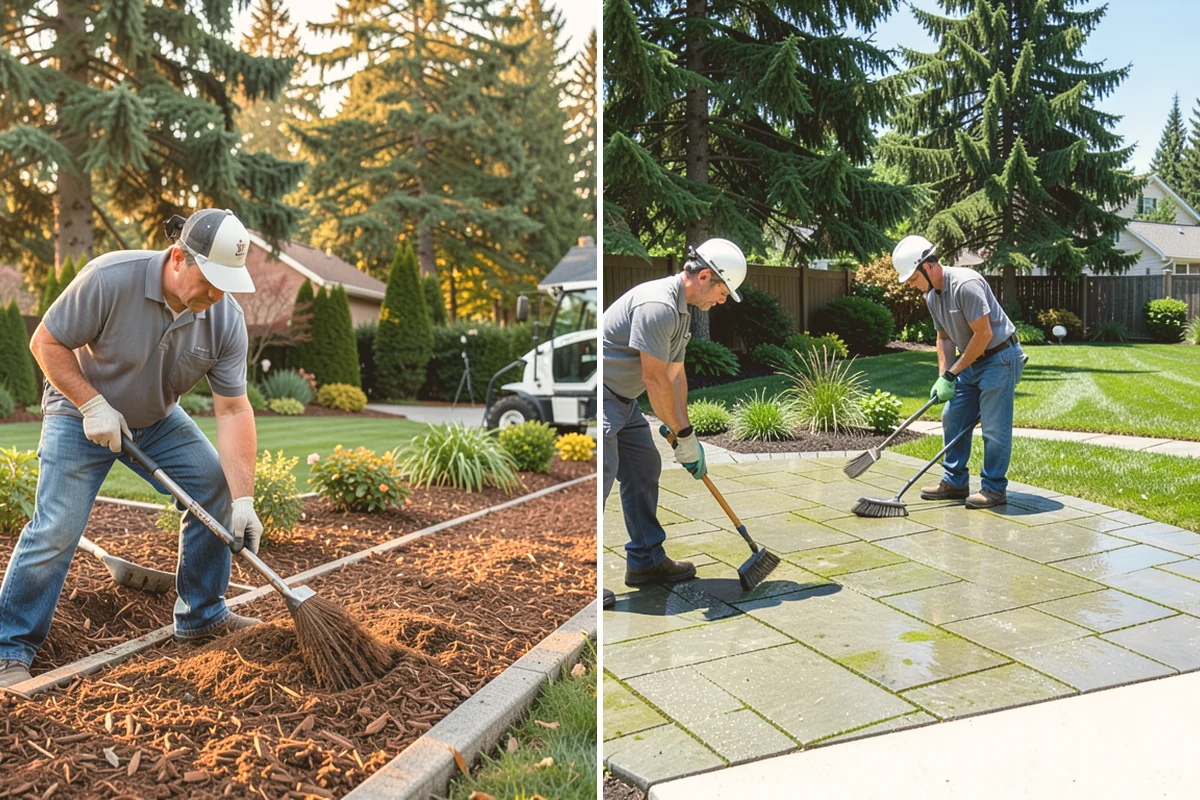
Local Materials & Plants: Stanwood yards do well with moisture-tolerant, marine-friendly plants such as red-twig dogwood, willow, ferns, and hardy perennials, plus rhododendrons and evergreen shrubs for structure. Bark mulch, natural stone, and gravel fit the wet, mild zone 8b delta climate for beds, borders, and drainage-minded paths.
Planning Your Project: Planning a Stanwood project usually involves managing wet, low-lying ground and open exposure near the delta. Prioritizing drainage, timing plantings around the drier season, and confirming general local requirements before significant grading or work near the waterways help keep projects near Downtown and East Stanwood on track.
If you are planning a lawn, garden, or landscape refresh in Stanwood, from Downtown to East Stanwood near the delta, we would be happy to talk through your ideas and help build a plan suited to the local, marine-influenced setting.