Local Service Information
Tacoma
The Pierce County seat and a major port city on Commencement Bay of Puget Sound.
County: Pierce County
ZIP Codes Served: 98402, 98403, 98404, 98405, 98406, 98408, 98409
Neighborhoods: North End, Hilltop, Stadium District, Proctor, South Tacoma, Old Town
Nearby Communities: Fife, University Place, Fircrest, Lakewood, Puyallup
Common Property Types: Predominantly single-family homes along with townhomes, condominiums, and multifamily housing; commercial property includes retail, office, and mixed-use buildings.
Local Tree & Landscape Notes: Shoreline setting with conifers, bigleaf maple, and ornamental species; coastal wind exposure, shoreline regulations, and access are common considerations for scheduling and permitting.
Permit Considerations: Permit requirements vary depending on tree size, species, protected areas, shoreline regulations, critical areas, and local municipal code. Always verify current requirements with the local jurisdiction before beginning work.
Climate: Marine west coast climate typical of the Puget Sound region: mild, wet winters and warm, relatively dry summers, with most rainfall from fall through spring. Occasional wind, snow, and ice events and seasonal soil saturation influence tree health and the timing of tree work.
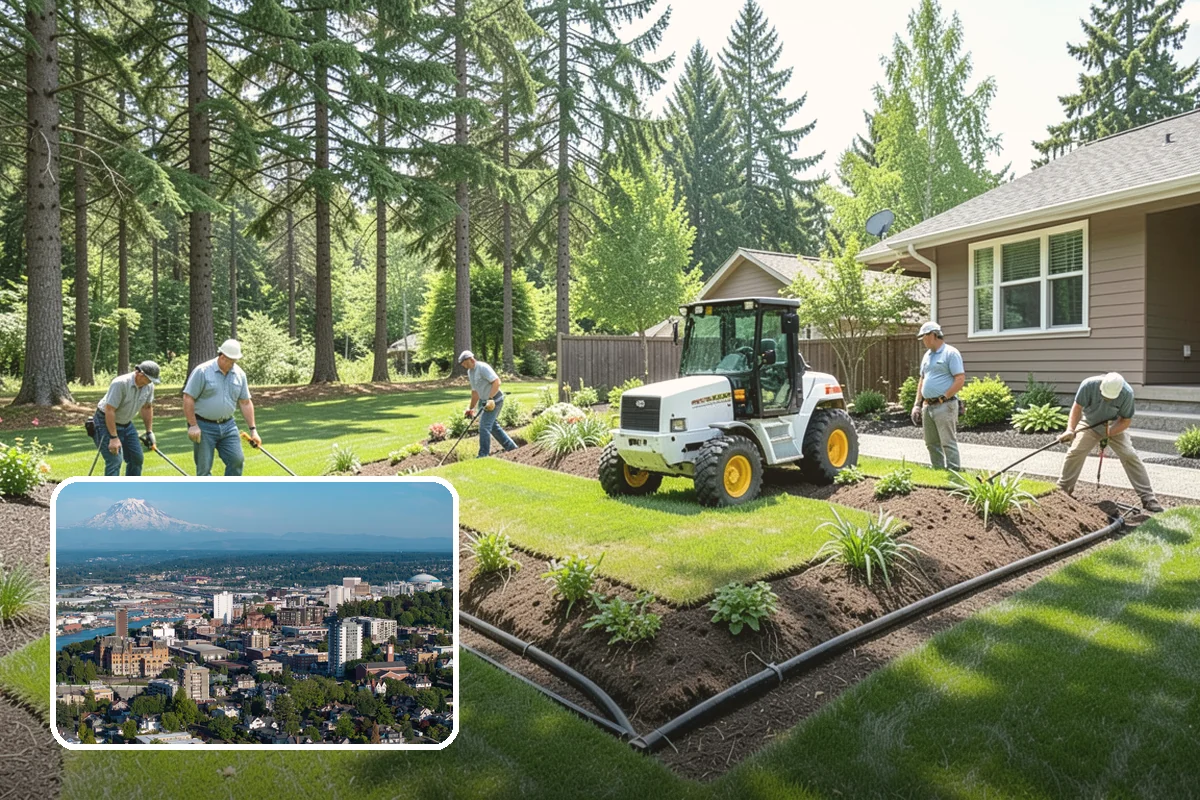
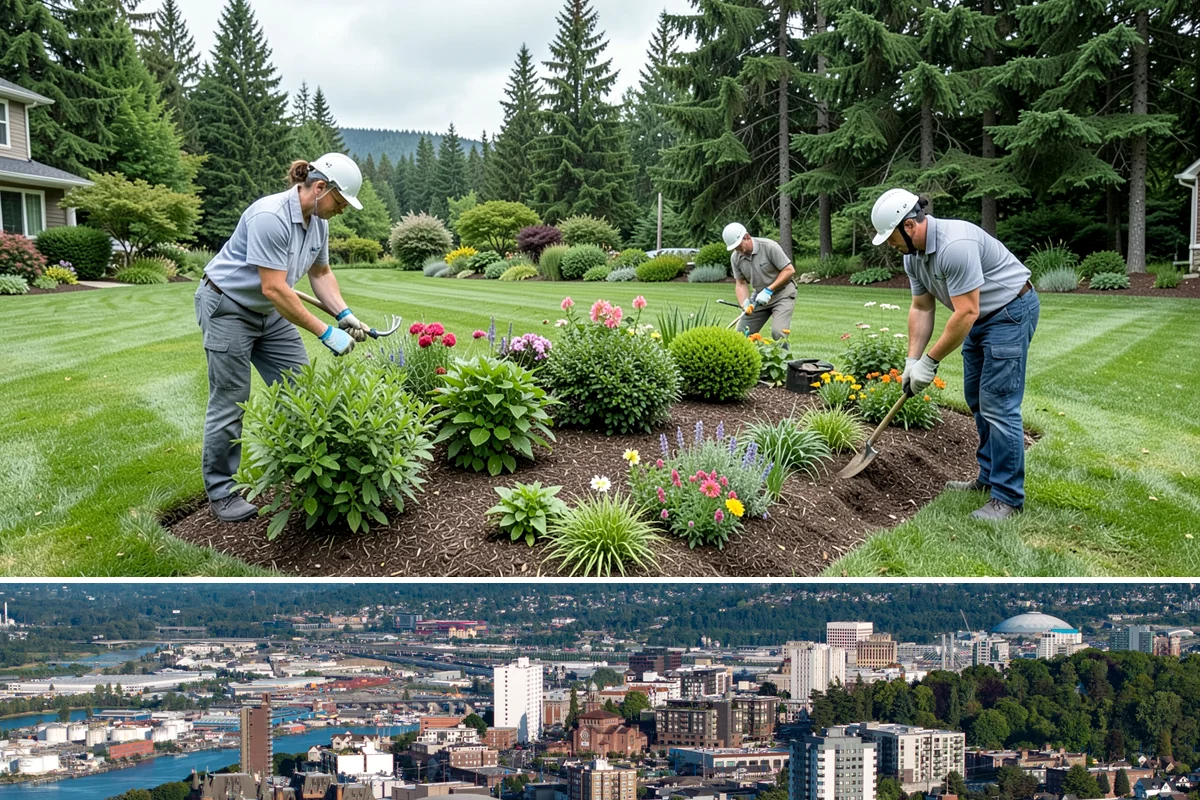
Tacoma’s landscaping reflects the range of a full-sized city, from the century-old gardens of the North End and Stadium District to the compact yards of South Tacoma and the walkable blocks around Old Town. With Commencement Bay moderating the climate, growing conditions here are forgiving, and residents often draw inspiration from the mature plantings seen at Wright Park and Point Defiance Park. The result is a city where formal front gardens, shaded courtyards, and practical low-care yards all coexist.
Landscaping across Tacoma tends to respond to neighborhood character, whether that means restoring a heritage garden in Proctor or squeezing usable green space onto a tight Hilltop lot. The marine-tempered climate off Commencement Bay lets homeowners plant ambitiously, so demand runs toward year-round interest rather than seasonal quick fixes.
Site Conditions: Tacoma’s terrain rolls from bluff-top view lots near the water to flatter ground inland, and soils vary from sandy glacial deposits to denser clay depending on the neighborhood. The shoreline influence of Commencement Bay softens temperature swings, but exposed bluff properties near Point Defiance can catch drying wind and stronger sun.
Seasonal Considerations: The mild, marine-moderated seasons give Tacoma gardeners a long working window: spring is for feeding lawns and planting, summer for measured watering on sun-baked slopes, and fall for leaf cleanup and bulb planting. Because hard freezes are uncommon near the bay, winter is a practical time for structural pruning and hardscape work when the ground allows.
Common Project Types: Typical Tacoma projects span heritage-garden restorations in the North End, retaining walls and terracing on the city’s many sloped lots, patio and deck surrounds, and drought-smart front-yard makeovers. In denser areas like Hilltop, small-space designs and privacy screening are especially common.
Property Styles: Housing runs the full spectrum here, from single-family bungalows and Craftsman homes to townhomes, condos, and multifamily buildings, so lot sizes and layouts vary widely by district. Older neighborhoods like Proctor favor established, layered plantings, while newer builds lean toward cleaner, lower-maintenance lines.
Local Materials & Plants: Rhododendrons, Japanese maples, and evergreen huckleberry all flourish in Tacoma’s marine climate, and they pair well with the stone terracing and bark mulch that suit its sloped lots. For coastal-influenced yards near the bay, wind-tolerant grasses and salt-hardy shrubs are dependable choices.
Planning Your Project: On Tacoma’s hillside and view lots, planning usually begins with grading, retaining, and access logistics before planting can proceed, since slope drives so much of the design. Coordinating tree work and hardscape deliveries around narrow older streets takes some forethought, and confirming any applicable local requirements up front keeps a project moving.
From the leafy North End to the tighter lots of South Tacoma, we’re glad to talk through a landscape plan shaped around your neighborhood and your goals.