Local Service Information
Brier
A small, primarily residential city in southwest Snohomish County.
County: Snohomish County
ZIP Codes Served: 98036
Neighborhoods: A uniform residential community with no distinct neighborhoods
Nearby Communities: Lynnwood, Mountlake Terrace, Bothell, Edmonds
Common Property Types: Predominantly single-family homes with townhomes and some condominiums and multifamily housing; commercial property includes retail, office, and small mixed-use buildings.
Local Tree & Landscape Notes: Common regional trees include Douglas fir, western red cedar, western hemlock, bigleaf maple, and red alder, alongside many ornamental species. Wet soils and dense canopy are common considerations for access and scheduling.
Permit Considerations: Permit requirements vary depending on tree size, species, protected areas, shoreline regulations, critical areas, and local municipal code. Always verify current requirements with the local jurisdiction before beginning work.
Climate: Marine west coast climate typical of the Puget Sound region: mild, wet winters and warm, relatively dry summers, with most rainfall from fall through spring. Occasional wind, snow, and ice events and seasonal soil saturation influence tree health and the timing of tree work.
Brier is a quiet, almost entirely residential city in Snohomish County, known for its uniform neighborhoods and community events like the annual SeaScare celebration. Landscaping here centers on well-kept family yards, tidy lawns, and gardens that suit the town’s settled, leafy character. With Brier Park anchoring the community, residents often take pride in neat, welcoming outdoor spaces.
As a predominantly residential city, Brier landscaping focuses on the everyday needs of single-family homes and townhomes: healthy lawns, refreshed beds, and manageable plantings. Services often emphasize consistent maintenance and modest upgrades that keep the uniform neighborhoods looking cared for.
Site Conditions: Shaped by a mild zone 8b lowland climate, Brier lots typically have moderate, reasonably fertile soils with mature trees casting shade across many yards. Sun exposure varies with tree cover, low spots can stay damp through the wet season, and drainage is a routine consideration on settled lots.
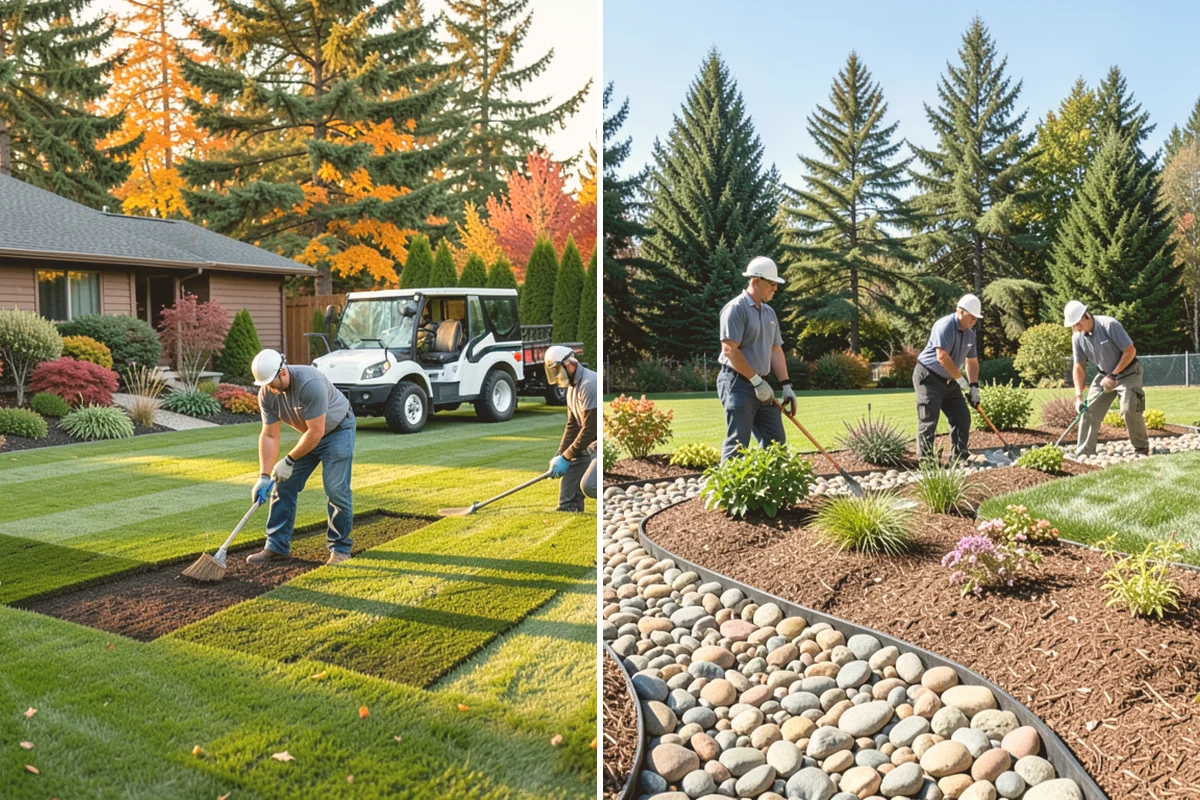
Seasonal Considerations: Warm-season growth comes on strong in Brier, so early-year work turns to edging, mulching, and reviving lawns after the wet winter, while summer means routine mowing and watering. Autumn brings aeration, overseeding, and steady raking beneath the mature trees, and the cold months are best for dormant pruning and keeping beds from turning waterlogged.
Common Project Types: Typical Brier projects include lawn renovation, refreshed foundation plantings, shade gardens under mature trees, and simple hardscape like paths and patios. Townhome and condominium grounds often need cohesive, low-maintenance plantings that match the tidy neighborhoods.
Property Styles: Brier properties are mostly established single-family homes on uniform residential lots, with some townhomes and condominiums. Mature trees and consistent street patterns give the city a settled, leafy feel that shapes many yard designs.
Local Materials & Plants: Shade- and moisture-tolerant natives like sword fern, salal, and vine maple suit Brier’s leafy lots, alongside hydrangeas, rhododendrons, and hardy perennials. Bark mulch, natural stone, and permeable paths work well in the mild, damp lowland climate.
Planning Your Project: In Brier, the drier stretch from late spring through early fall is the natural window for planting and soil work, with cleanups scheduled around the mature trees’ autumn leaf drop. When a project changes grading or runoff between neighboring lots, it is wise to check general local guidelines beforehand.
If your Brier yard is ready for a refresh, from a healthier lawn to new shade-friendly beds, reach out to plan landscaping that fits this tidy Snohomish County community.