Local Service Information
Burien
A city just south of Seattle near Puget Sound, bordered by SeaTac and Des Moines.
County: King County
ZIP Codes Served: 98146, 98148, 98166
Neighborhoods: Downtown, Gregory Heights, Boulevard Park
Nearby Communities: SeaTac, Tukwila, Des Moines, Normandy Park
Common Property Types: Predominantly single-family homes with townhomes and some condominiums and multifamily housing; commercial property includes retail, office, and small mixed-use buildings.
Local Tree & Landscape Notes: Common regional trees include Douglas fir, western red cedar, western hemlock, bigleaf maple, and red alder, alongside many ornamental species. Wet soils and dense canopy are common considerations for access and scheduling.
Permit Considerations: Permit requirements vary depending on tree size, species, protected areas, shoreline regulations, critical areas, and local municipal code. Always verify current requirements with the local jurisdiction before beginning work.
Climate: Marine west coast climate typical of the Puget Sound region: mild, wet winters and warm, relatively dry summers, with most rainfall from fall through spring. Occasional wind, snow, and ice events and seasonal soil saturation influence tree health and the timing of tree work.
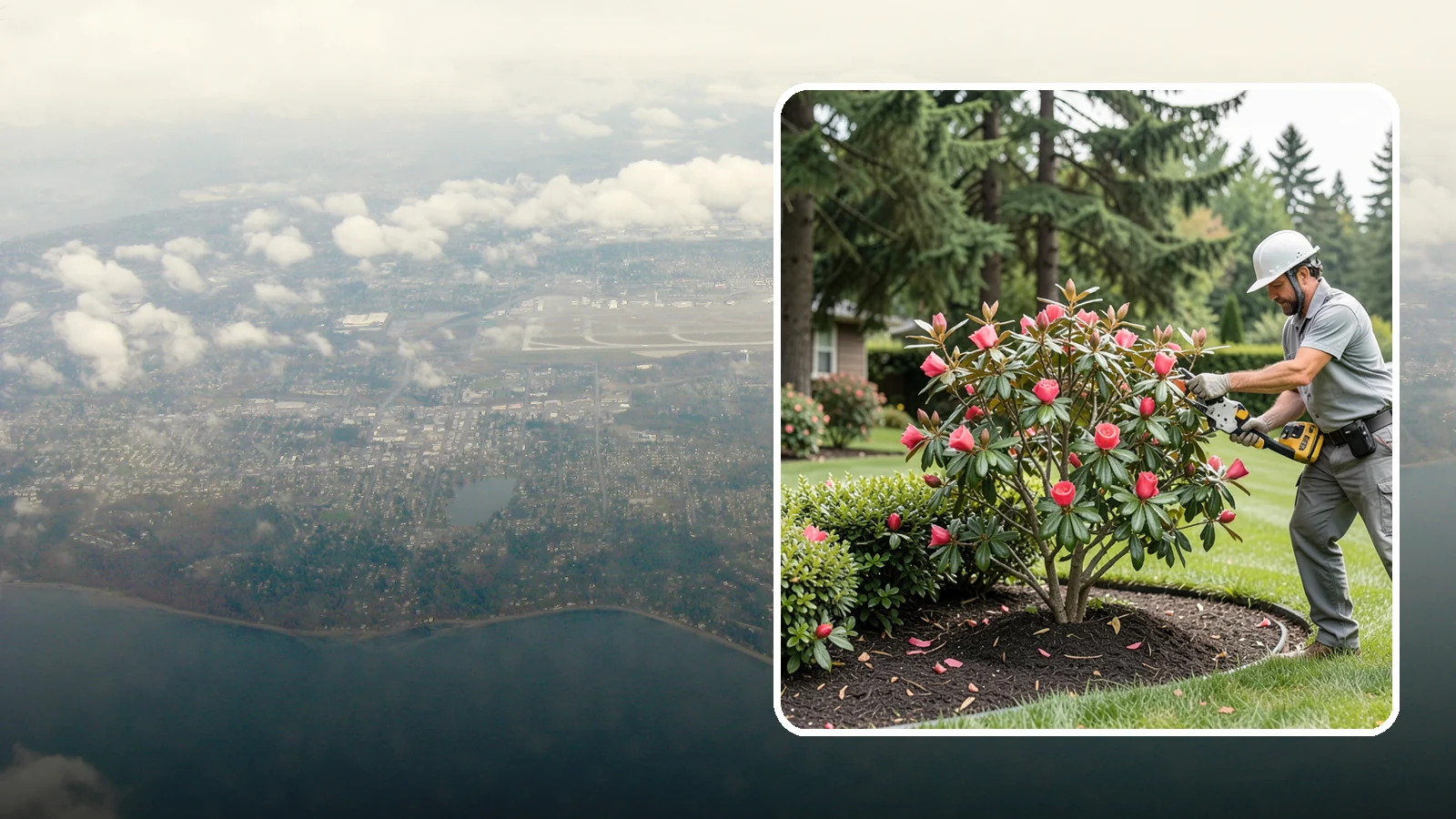
Burien blends established residential streets with a walkable downtown, and its landscaping tends to match that mix of settled neighborhoods and community-minded public space. Around Gregory Heights, Boulevard Park, and the blocks near Seahurst Park, homeowners favor mature, layered yards that feel rooted in the area rather than newly built. The mild Puget Sound lowland climate lets gardens stay green much of the year, so many Burien projects focus on refreshing tired beds, improving curb appeal, and making compact King County lots work harder.
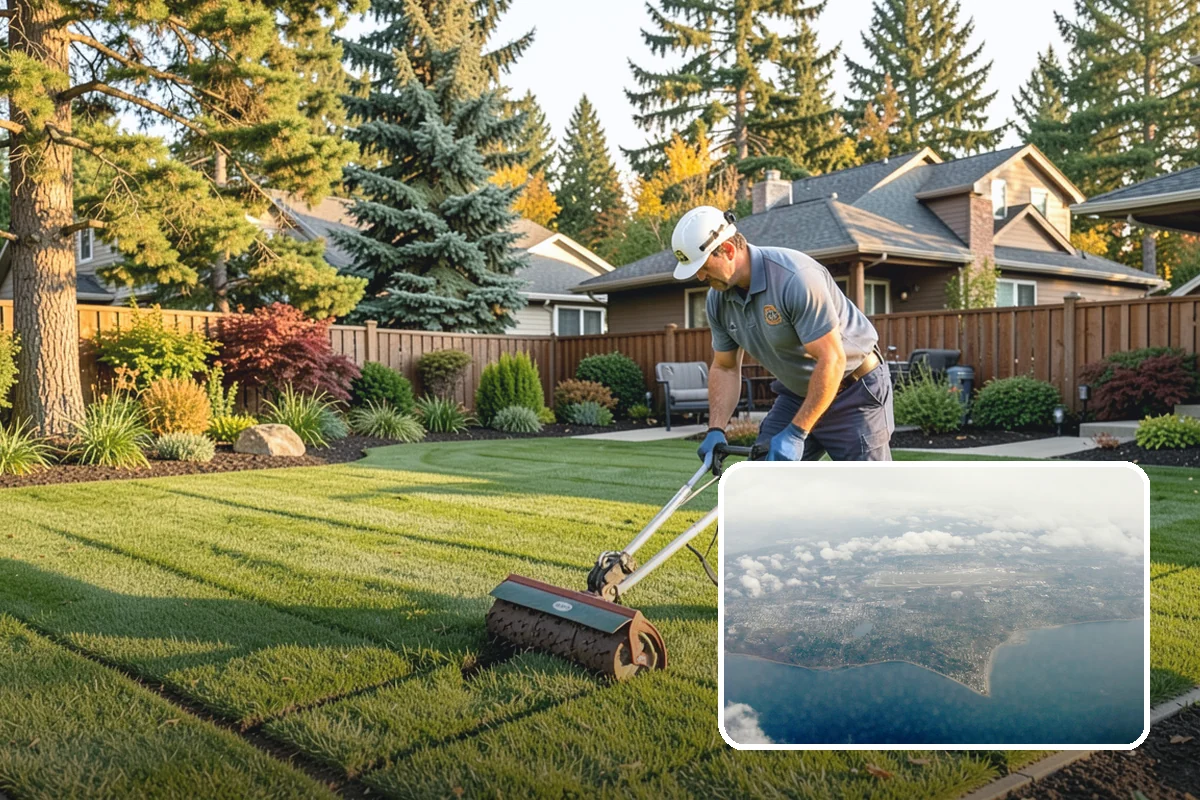
In Burien, landscaping often means renewing older yards and squeezing more use out of modest urban lots close to SeaTac and Des Moines. Owners commonly request bed redesigns, hedging for privacy between neighboring homes, and lawn care that keeps pace with the long, mild growing season. Work is frequently phased so busy residential streets stay tidy throughout.
Site Conditions: Burien’s lowland ground drains unevenly, with pockets of heavier soil that stay wet through winter near lower-lying spots around Lake Burien. Marine air keeps conditions mild but damp, and tree canopy in older neighborhoods like Gregory Heights creates shady corners where moss and shade plants thrive over thirsty turf.
Seasonal Considerations: Because Burien’s winters stay mild, light garden work can continue nearly year-round, but spring is still the peak for planting and lawn revival. Summer’s dry weeks near the Sound reward efficient irrigation, and autumn is ideal for leaf management and cool-season overseeding. Winter attention turns to pruning, moss control, and clearing beds ahead of the next growing cycle.
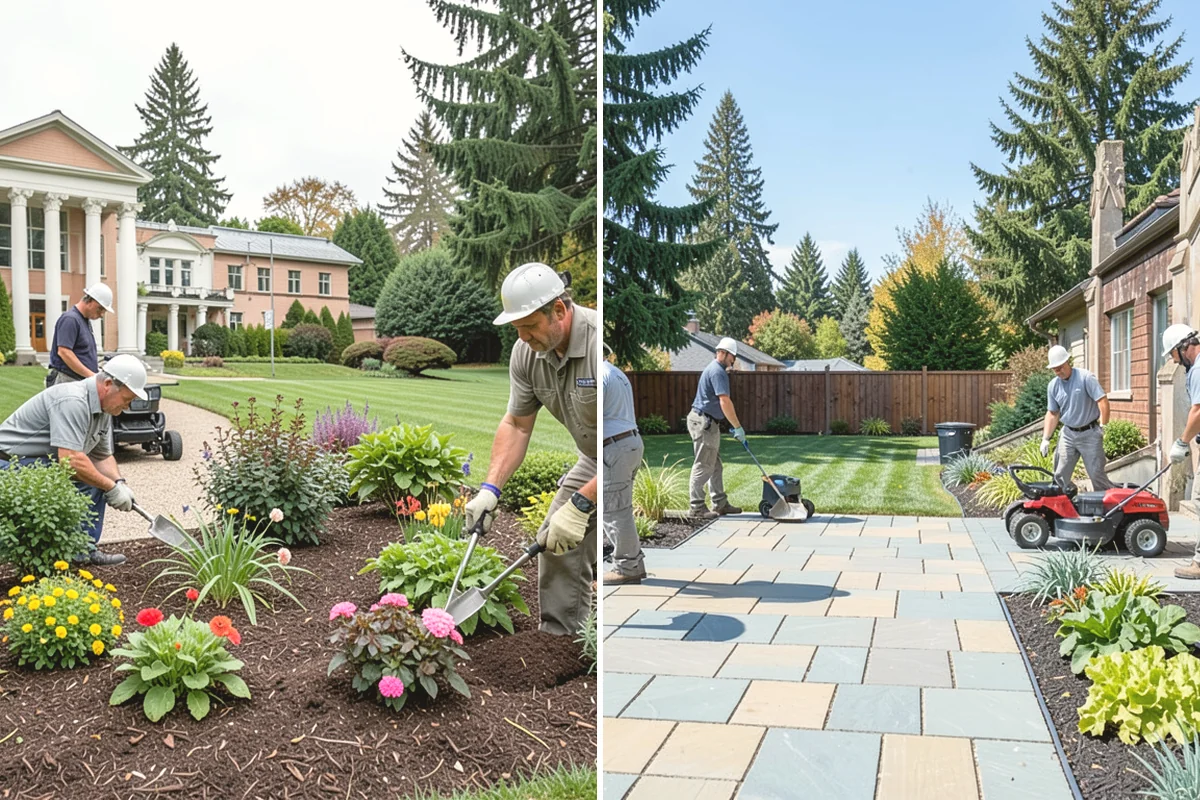
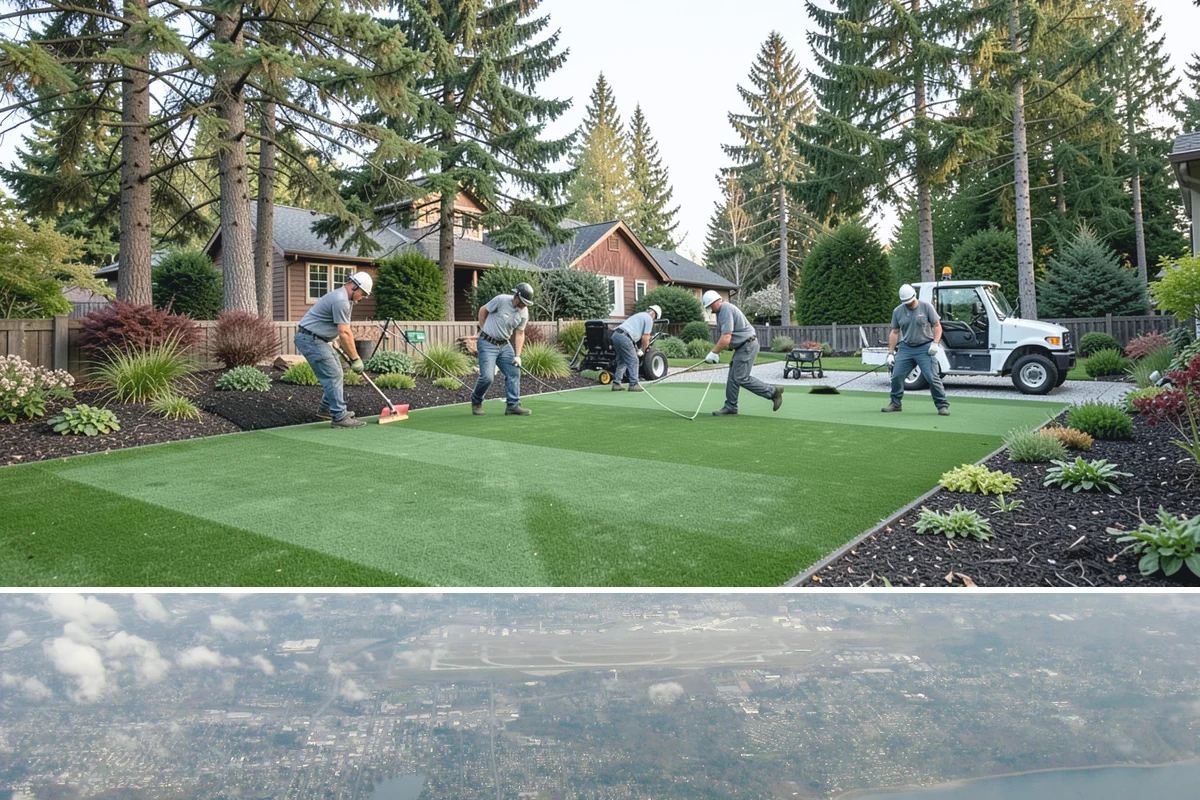
Common Project Types: Common Burien work includes privacy hedges and screening between close-set homes, front-yard refreshes for curb appeal, and patio or pathway hardscape on compact lots. Townhome and condo grounds near downtown often need low-maintenance plantings, while single-family owners around Boulevard Park pursue lawn renovation and bed rebuilds.
Property Styles: Burien parcels range from established single-family homes on tree-lined streets to townhomes and condominiums closer to downtown. Lots tend to be modest and urban, so designs make the most of limited space with layered borders, screening, and defined edges rather than sprawling open lawn.
Local Materials & Plants: Reliable choices for Burien’s mild, damp lowland conditions include evergreen huckleberry, rhododendron, hydrangea, and ferns that flourish under neighborhood shade. Compact ornamental grasses, bark mulch, and permeable pavers suit small urban lots, and moisture-loving groundcovers hold shady slopes near Seahurst Park.
Planning Your Project: Because Burien lots sit close together, planning starts with access and protecting neighbors, mapping material staging and cleanup before any work begins. The long mild season leaves planting timing flexible, larger hardscape still reads best in the drier months, and general local approvals are confirmed early whenever a project reshapes drainage or grading.
Whether your Burien property sits near Seahurst Park, Gregory Heights, or downtown, we are glad to discuss your goals and help design an outdoor space suited to the neighborhood and the mild Puget Sound climate.