Local Service Information
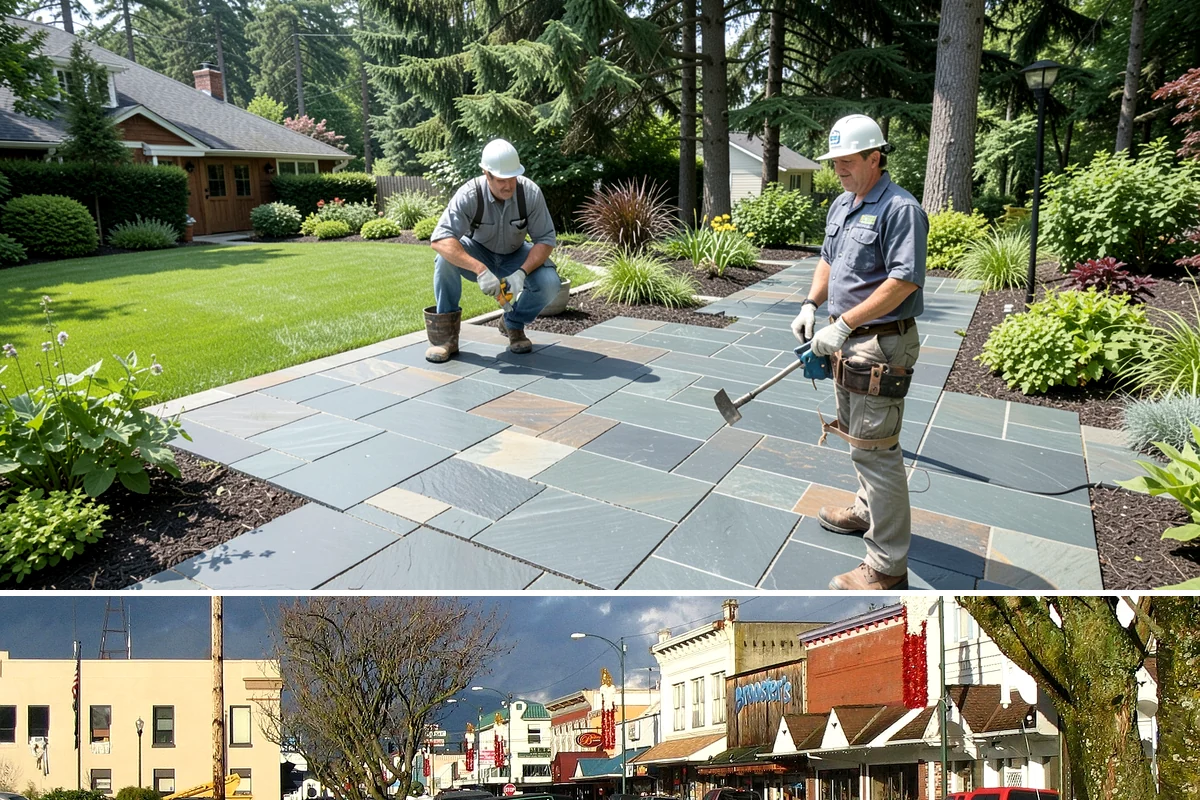
Arlington
A city on the Stillaguamish River in north Snohomish County near the Cascade foothills.
County: Snohomish County
ZIP Codes Served: 98223
Neighborhoods: Downtown, Smokey Point
Nearby Communities: Marysville, Stanwood, Granite Falls
Common Property Types: Predominantly single-family homes, with some townhomes and multifamily housing; commercial property includes small retail, civic, and light commercial buildings.
Local Tree & Landscape Notes: Forested foothill setting with conifers such as Douglas fir, western hemlock, and western red cedar, plus bigleaf maple and alder. Slopes, wet soils, and larger trees are common considerations for access and rigging.
Permit Considerations: Permit requirements vary depending on tree size, species, protected areas, shoreline regulations, critical areas, and local municipal code. Always verify current requirements with the local jurisdiction before beginning work.
Climate: Marine west coast climate typical of the Puget Sound region: mild, wet winters and warm, relatively dry summers, with most rainfall from fall through spring. Occasional wind, snow, and ice events and seasonal soil saturation influence tree health and the timing of tree work.
Arlington blends small-city downtown blocks with the open, semi-rural feel of Snohomish County, and its landscaping reflects that range. Properties near the Stillaguamish River and along the Centennial Trail often have room to work with, from generous lawns to garden beds and productive plots. Homeowners here tend to appreciate practical, resilient outdoor spaces that suit the town’s foothill setting.
Sitting where the lowlands begin to rise toward the foothills, Arlington landscaping often deals with slightly cooler conditions and larger, more varied lots than the valley floor. Services commonly cover lawn establishment, seasonal bed care, and plantings that can handle both wet winters and the town’s more open stretches near Smokey Point.
Site Conditions: In line with a zone 8a to 8b range that runs slightly cooler with elevation, Arlington soils vary from river-influenced lowland ground near the Stillaguamish to firmer upland soils. Drainage can be a factor on low-lying parcels, sun exposure is often open, and frost pockets are possible on cooler nights.
Seasonal Considerations: Spring arrives a touch later in Arlington than in the warmest lowlands, so lawn feeding and planting are timed accordingly, while summer supports vegetable gardens and active lawn growth. Fall focuses on cleanup, aeration, and tree care, and winter is the window for structural pruning and protecting tender plants.
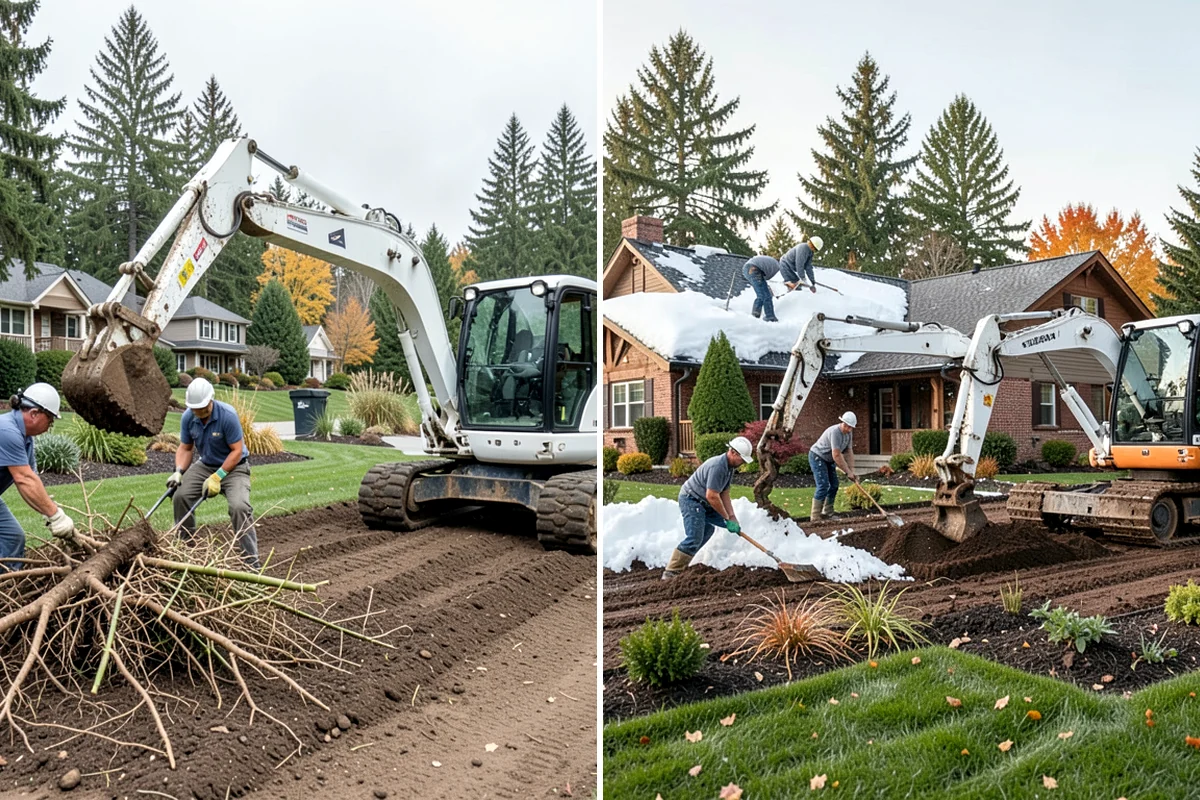
Common Project Types: Common Arlington projects include lawn renovation, mixed ornamental and edible garden beds, tree and shrub planting on larger lots, and durable paths or patios. Rural-edge properties near town often want screening hedges and low-maintenance groundcovers for open areas.
Property Styles: Lots in Arlington range from compact downtown parcels to roomy properties toward Smokey Point and the river, many with space for lawns, gardens, and trees. This variety invites designs that make good use of larger, more open ground.
Local Materials & Plants: Well-suited plantings include hardy natives like red-twig dogwood and sword fern, cool-tolerant perennials, and productive fruit trees that handle the slightly cooler air. Bark mulch, crushed rock, and locally common gravel work well for paths and beds in this climate.
Planning Your Project: For Arlington properties, larger installs and soil work are best planned for the drier late spring through early fall, allowing for the cooler, wetter shoulder seasons. On rural-edge lots, confirming general setback and drainage considerations early helps keep bigger projects smooth.
If your Arlington property could use fresh landscaping, from a revived lawn to new garden beds, reach out to plan a design that fits your lot and this Stillaguamish Valley town.