
Irrigation
  • neilghuman

Eco-Friendly Landscaping: Building Greener Yards That Thrive Year-Round

A beautiful yard doesn’t have to come at the cost of the environment. With eco-friendly landscaping, you can create an outdoor space that’s stunning, sustainable, and easy to maintain — all while giving back to the planet. At Washington Landscaping, we believe every green space can thrive responsibly, no matter the season.

Choose Native and Drought-Tolerant Plants

Native plants naturally thrive in Washington’s climate, needing less water and care. They’re also more resistant to pests and diseases. Consider species like Oregon grape, sword ferns, salal, and vine maple — all of which provide lush greenery without the heavy maintenance.

Rethink Watering With Smart Irrigation

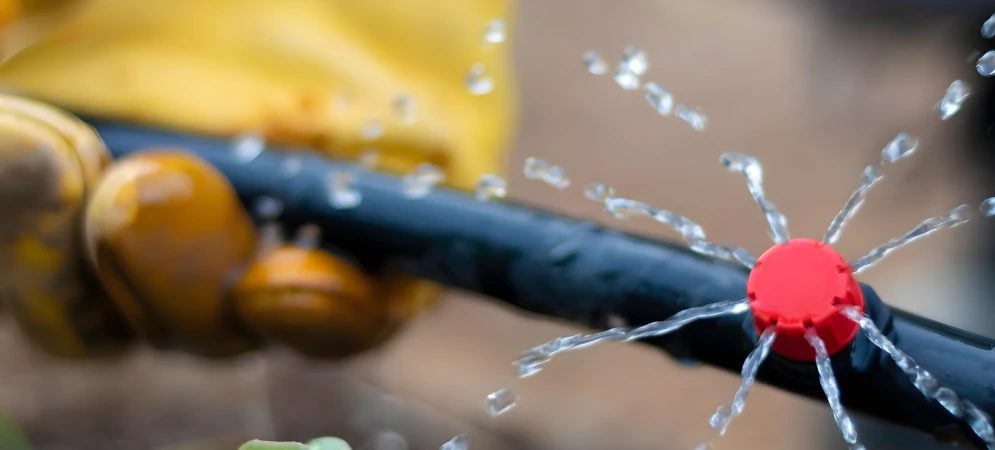
Traditional sprinklers waste thousands of gallons of water each year. Upgrading to drip irrigation systems or smart timers helps deliver water directly to the roots, reducing waste while keeping your plants perfectly hydrated.

Go Organic With Soil and Fertilizers

Healthy soil is the foundation of a thriving yard. Swap synthetic fertilizers for organic compost and mulch, which improve soil health and promote long-term growth. Composting yard waste is an easy way to recycle nutrients right back into your landscape.

Use Sustainable Materials

When adding walkways, patios, or borders, opt for materials like recycled pavers, permeable stone, or reclaimed wood. These choices minimize runoff, reduce landfill waste, and create a more natural aesthetic that complements your environment.

Support Local Ecosystems

Eco-friendly landscaping invites nature to thrive. Adding pollinator-friendly flowers like lavender, coneflowers, and sunflowers helps bees, butterflies, and birds flourish — creating a vibrant, living ecosystem in your own backyard.

Maintain Year-Round Balance

Sustainability doesn’t end in one season. Regular pruning, mulching, and mindful watering keep your plants healthy and resilient through all weather conditions. Each season offers an opportunity to fine-tune your landscape’s natural rhythm.

The Washington Landscaping Promise

At Washington Landscaping, we design and maintain landscapes that are both beautiful and sustainable. Our team uses smart design principles, water-wise practices, and native plant expertise to help homeowners and businesses create greener, healthier environments — year after year.


Ready to go green with your landscape?
Contact Washington Landscaping today and discover how we can help you build an eco-friendly yard that thrives naturally — through every season.
Seasonal Maintenance
  • neilghuman

Seasonal Landscaping Essentials: Tips to Keep Your Outdoor Space Flourishing

Every season brings its own beauty — and its own challenges for your landscape. From the first bloom of spring to the frost of winter, proper maintenance ensures your yard stays healthy, vibrant, and ready to impress all year long.

Spring: Refresh and Renew

Spring is the season of growth. It’s the perfect time to wake your yard from its winter rest.

  • Clean up debris from winter storms and prune dead branches.

  • Feed your soil with organic compost to kickstart healthy root growth.

  • Plant early bloomers like tulips, azaleas, and hydrangeas for instant color.

  • Check irrigation systems to ensure proper coverage before the hot months arrive.

Summer: Protect and Maintain

As the sun grows stronger, keeping your landscape hydrated and shaded is key.

  • Water deeply but less often to encourage strong root systems.

  • Add mulch to retain moisture and suppress weeds.

  • Trim shrubs and trees to promote airflow and prevent overgrowth.

  • Refresh lawns with summer-friendly fertilizers and pest control as needed.

Fall: Prepare and Preserve

Fall is nature’s time to reset — and the ideal time to prepare for next year’s growth.

  • Rake leaves regularly to prevent mold and lawn suffocation.

  • Plant perennials and bulbs so they’re ready to bloom in spring.

  • Aerate and seed your lawn for better soil health and thicker grass.

  • Add a layer of mulch or compost to insulate plants through winter.

Winter: Protect and Plan Ahead

Even when the ground is frozen, your landscaping still needs care.

  • Cover delicate plants with burlap or frost cloth to protect from freezing.

  • Prune dormant trees to encourage healthy spring growth.

  • Plan new projects — winter is a great time to design your next outdoor upgrade with your landscaping team.

Keeping Your Yard Beautiful Year-Round

At Washington Landscaping, we understand that great landscapes evolve through every season. Our expert team designs, maintains, and protects your outdoor spaces — so they flourish no matter the weather. From routine maintenance to seasonal redesigns, we’re here to keep your yard looking its best, every day of the year.


Ready to keep your landscape thriving all year long?
🌱 Contact Washington Landscaping today — your partners in seasonal care and lasting beauty.

Cherry Blossoms
  • neilghuman

When to Prune, Plant, and Maintain Your Yard in the Pacific Northwest

Timing matters more than people think. In the Pacific Northwest, doing the right work at the wrong time can set your yard back months.

Here’s how to stay on track throughout the year.

Spring (March – May)

What to Do:

  • Plant new shrubs and perennials
  • Fertilize lawns and garden beds
  • Prune winter damage
  • Start lawn care routines

Why It Matters:

Spring is your growth window. Everything you do here sets the tone for the year.


Summer (June – August)

What to Do:

  • Water deeply but less frequently
  • Deadhead flowers
  • Light pruning only
  • Monitor for pests and stress

What to Avoid:

  • Heavy pruning (can damage plants in heat)
  • Overwatering (leads to shallow roots)

Fall (September – November)

What to Do:

  • Plant trees and shrubs (this is the best time)
  • Aerate and overseed lawns
  • Clean up leaves and debris
  • Apply mulch for winter protection

Why It Matters:

Cool temps + rain = ideal root development.


Winter (December – February)

What to Do:

  • Prune dormant trees and shrubs
  • Plan landscaping projects
  • Maintain tools and equipment

What to Avoid:

  • Planting most species
  • Heavy soil work (too wet, causes compaction)

Quick Cheat Sheet

  • Best time to plant: Fall
  • Best time to prune: Late winter
  • Best time to prep lawn: Spring & Fall

Bottom Line

Landscaping success isn’t about doing more—it’s about doing things at the right time. Follow the seasonal rhythm, and your yard will be easier to manage and look better year-round.