Shaping Your Outdoors. Surpassing Expectations.

Concrete Winter Landscape Protection
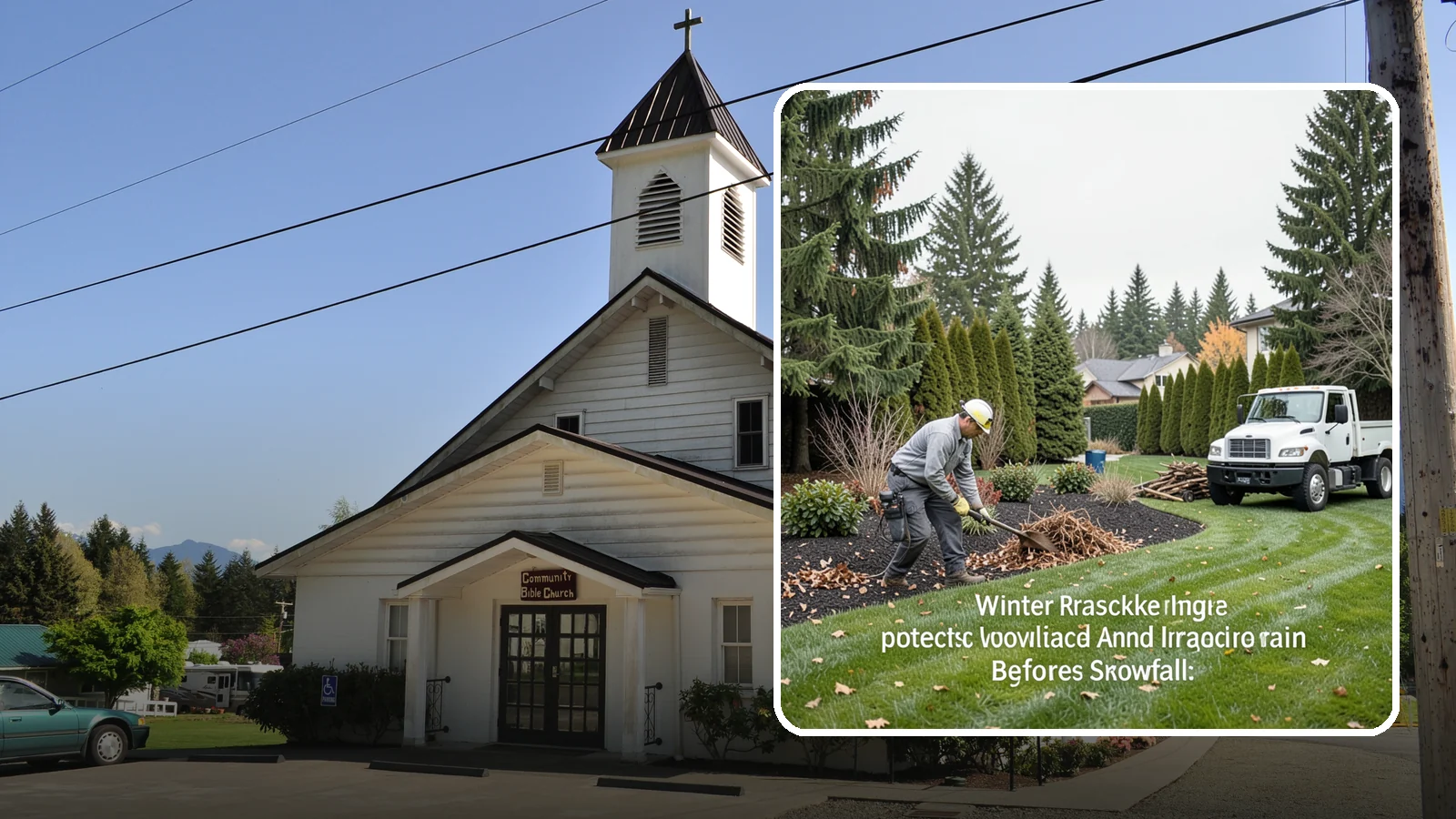
We shield vulnerable plants, hardscapes, and irrigation from the wind, rain, and cold that stress Pacific Northwest landscapes in winter.
When should I protect my landscape for winter in Concrete? Plan to finish before the median first fall frost, which falls on Nov 10 (Daymet, 2005-2025). That is a median, so frost can come earlier or later in a given year. Late October is a sensible time to have protection in place.
Winter landscape protection means preparing plants, soil and exposed roots for cold nights and repeated freezing and thawing. Washington Landscaping, in business since 2004, can look at your yard and talk through what it needs. Estimates are free.
Winter Protection for Concrete Yards: Frost, Zone 8b and Thaw
Concrete is rated USDA zone 8b, with an average coldest winter night of about 16.6 F (2023 USDA map, PRISM data). Parts of the city range from 8a to 8b, so your own yard may run colder or milder than that figure. Low spots and open areas often hold cold longer.
Timing around the first frost
The median first fall frost of 32 F is Nov 10, based on Daymet data from 2005 to 2025. Because frost can arrive earlier, protective work is best done before the end of October. That includes mulching, wrapping tender shrubs and moving potted plants to shelter. Plants that are still actively growing are hit hardest by an early cold snap.
Freeze and thaw cycles
Concrete sees about 46 days a year that freeze at night and thaw by day (Daymet). This cycle can be harder on a yard than steady cold. Shallow roots can be pushed up as soil heaves, and new plantings are the most at risk. A layer of mulch evens out soil temperature and helps hold roots in place. Check beds after a thaw and press any lifted plants back down.
What the work can include
- Mulching beds and the base of young trees and shrubs
- Wrapping or covering plants that are borderline hardy for zone 8
- Moving containers close to a wall or into a sheltered spot
- Cutting back and cleaning up perennials that will not do well wet and frozen
Which of these your yard needs depends on what you have planted and where. If you are unsure, call or text 425-433-9444 for a free estimate. Washington Landscaping is licensed, bonded and insured.
Concrete yard conditions at a glance
| Average snowfall | 20.2 in a season; 5.6 days with 1 in or more |
|---|---|
| Days that freeze at night and thaw by day | 46 a year |
| Last / first frost (median) | Mar 26 / Nov 10 |
| Elevation range | 165 to 589 ft |
A year in a Concrete yard
- Late winter
- Dormant pruning for most deciduous trees and shrubs, before buds break.
- Spring
- Last frost is usually around Mar 26; in 1 year in 10 it comes on or after Apr 18. Plant frost-tender annuals and vegetables after that.
- Early summer
- Check sprinklers and drip lines before July, the start of the dry months here.
- Summer
- July average 1.1 in. Water deeply and less often; mulch beds to hold moisture.
- Fall
- Aerate, overseed and plant trees and shrubs while the soil is warm; first frost is usually around Nov 10. Winterize irrigation before then.
- Winter
- About 46 days a year freeze at night and thaw by day: keep drains, paver joints and wall weep holes clear.
Dates are medians for the city from Daymet 2005-2025; your yard and any given year can differ.
Sources: Daymet daily weather (NASA/ORNL), 2023 USDA Plant Hardiness Zone Map data (PRISM, Oregon State University), USDA SSURGO soil survey, USGS 3DEP elevation, USFS/NLCD tree canopy 2025, US Census ACS 2020-2024.
Concrete Winter Landscape Protection
Local Service Information
Concrete
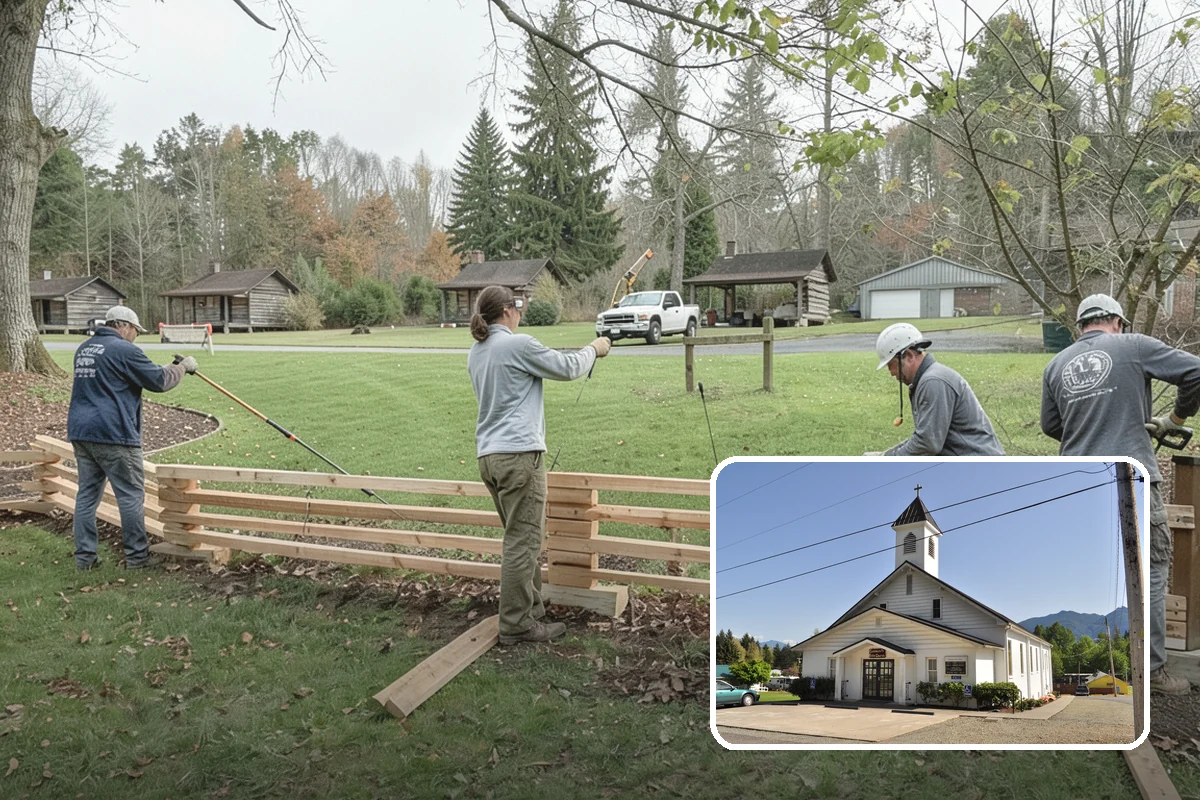
A small town on the upper Skagit River in the eastern foothills of Skagit County.
Benefits
Protects tender plants from freeze and wind damage; Prevents cracked irrigation from occasional hard freezes; Reduces root rot by managing heavy winter rain; Guards hardscapes against freeze-thaw damage; Sets the landscape up for a strong spring recovery

Process

Winter Landscape Protection in nearby areas
Also serving Concrete
- Lumber milling in Concreteat Washington Tree Services
- Winter Property Monitoring in Concreteat Washington Snow Removal
Get a Free Winter Landscape Protection Estimate in Concrete
Tell us about your project. We’ll review your needs and provide a customized, no-obligation proposal.
Request a Free Consultation
Complete the form or call our team to discuss your project.
On-Site Assessment
We’ll review your property, discuss your goals, and recommend an appropriate solution.
Receive a Customized Proposal
Receive a detailed estimate outlining the proposed work and pricing.