Local Service Information
Des Moines
A waterfront city on Puget Sound in south King County with a marina and shoreline neighborhoods.
County: King County
ZIP Codes Served: 98198, 98188
Neighborhoods: Downtown, Woodmont, Redondo
Nearby Communities: Burien, SeaTac, Normandy Park, Federal Way
Common Property Types: Predominantly single-family homes with townhomes and some condominiums and multifamily housing; commercial property includes retail, office, and small mixed-use buildings.
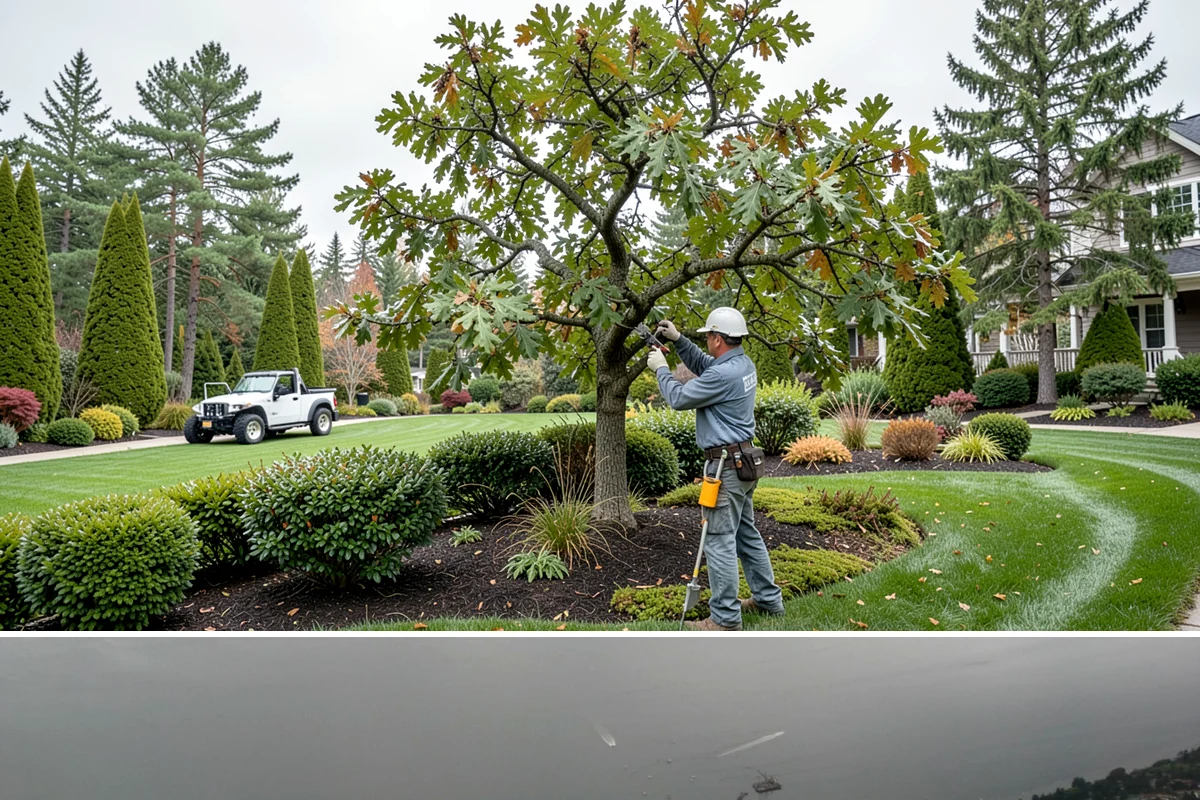
Local Tree & Landscape Notes: Shoreline setting with conifers, bigleaf maple, and ornamental species; coastal wind exposure, shoreline regulations, and access are common considerations for scheduling and permitting.
Permit Considerations: Permit requirements vary depending on tree size, species, protected areas, shoreline regulations, critical areas, and local municipal code. Always verify current requirements with the local jurisdiction before beginning work.
Climate: Marine west coast climate typical of the Puget Sound region: mild, wet winters and warm, relatively dry summers, with most rainfall from fall through spring. Occasional wind, snow, and ice events and seasonal soil saturation influence tree health and the timing of tree work.
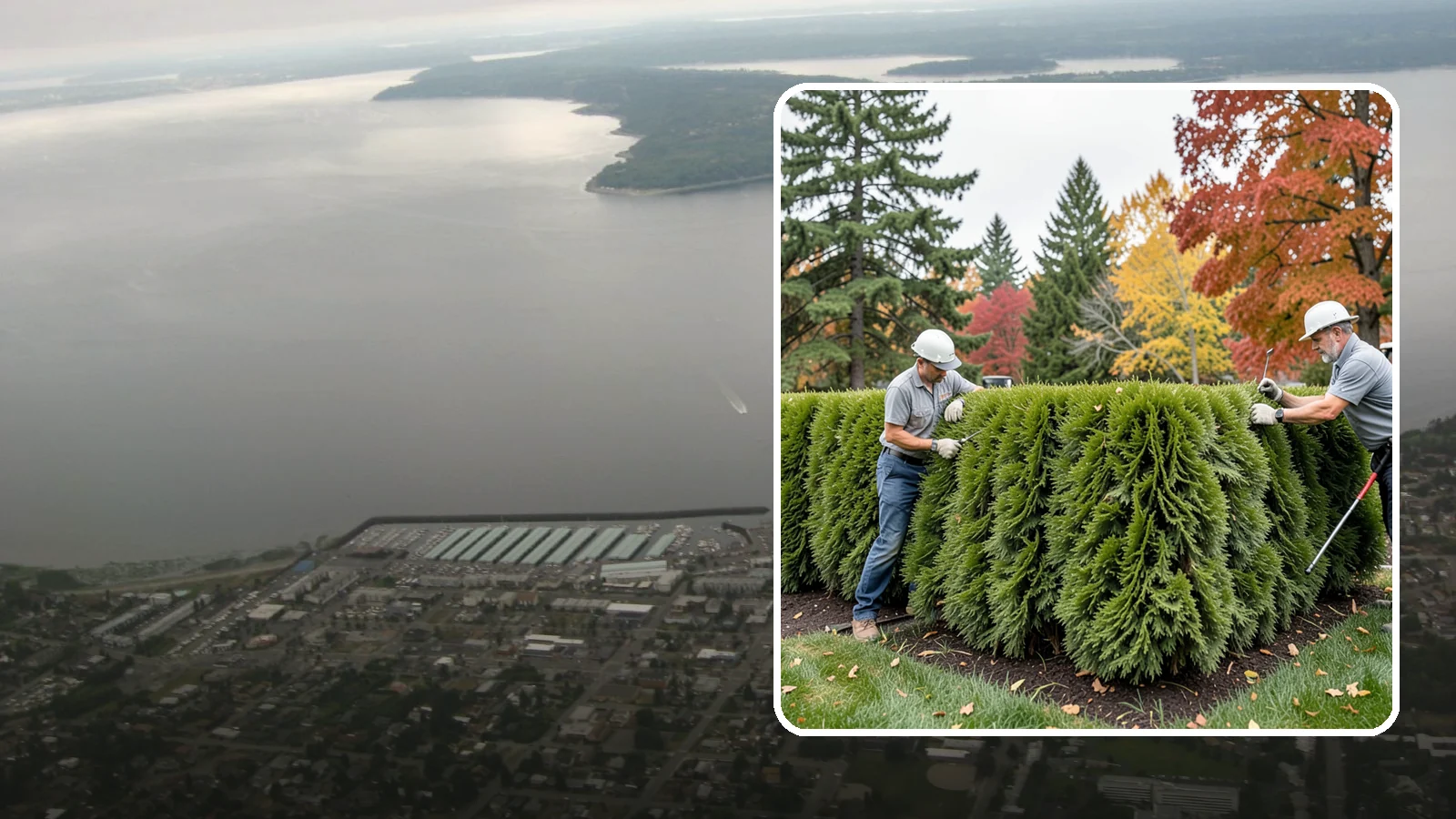
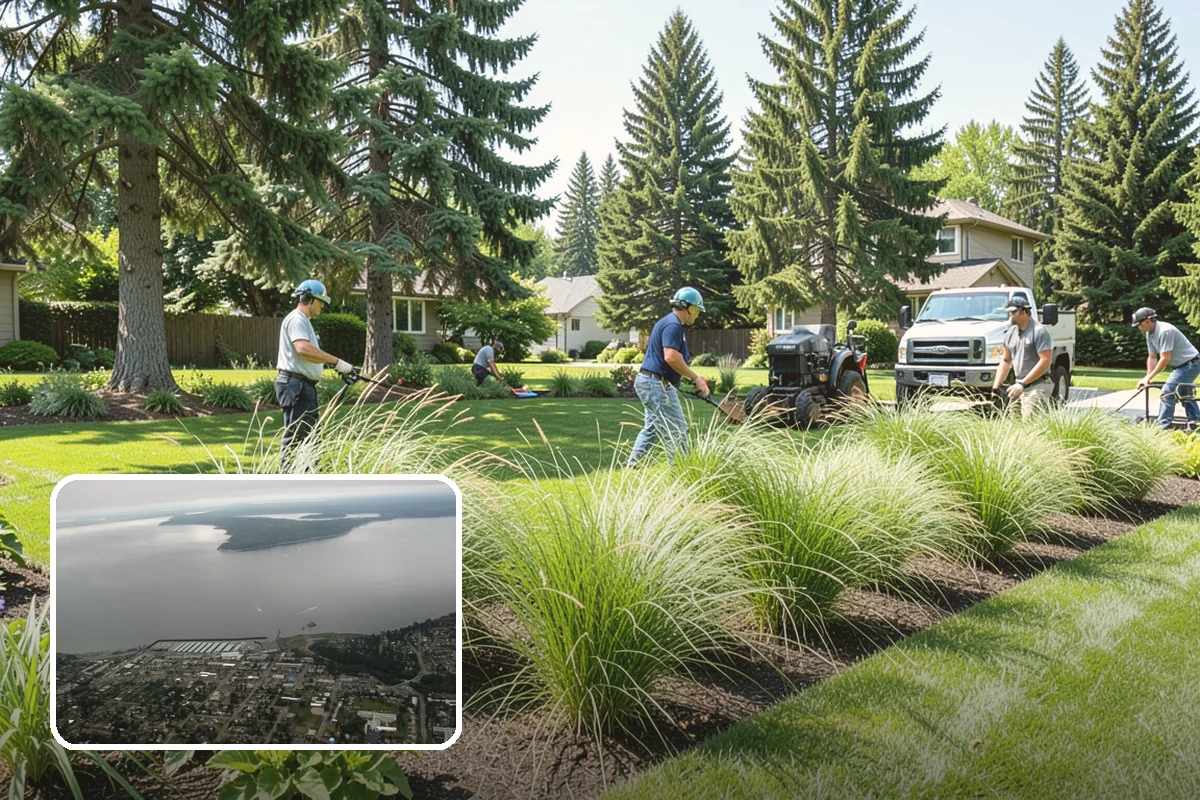
Landscaping in Des Moines carries a distinctly waterfront flavor, shaped by the city’s perch above Puget Sound and its well-known Marina and Beach Park. Yards in neighborhoods like Woodmont and Redondo range from tidy view lots near the bluff to comfortable family properties set back from the water in Downtown. Because the marine shoreline moderates both summer heat and winter cold, homeowners here can maintain lush lawns and layered plantings with relatively steady conditions across the year. Whether a property sits on a breezy slope catching the salt air or a sheltered street closer to Burien, thoughtful landscaping blends curb appeal with the relaxed coastal character that defines this King County city.
Most Des Moines properties call for landscaping that balances an open water view with privacy and wind protection, since exposure near the Sound can be brisk. Residents often prioritize easy-care lawns, low hedging that preserves sightlines toward the marina, and durable planting beds that shrug off salt-tinged breezes.
Site Conditions: Soils across the Des Moines bluff tend toward glacial till with pockets of sand near the shoreline, so drainage varies from quick to sticky depending on the lot. The marine influence keeps moisture steady and temperatures mild, while sloping view parcels can shed water fast and need grading care to protect beds below.
Seasonal Considerations: Spring in Des Moines is prime time for overseeding lawns and refreshing beds before the drier stretch arrives. Summers stay comfortable thanks to the shoreline, though south-facing view lots benefit from mulch to hold moisture. Autumn brings steady leaf drop and is ideal for planting, and the mild, wet winters near the marina mean drainage upkeep and light pruning keep landscapes tidy.
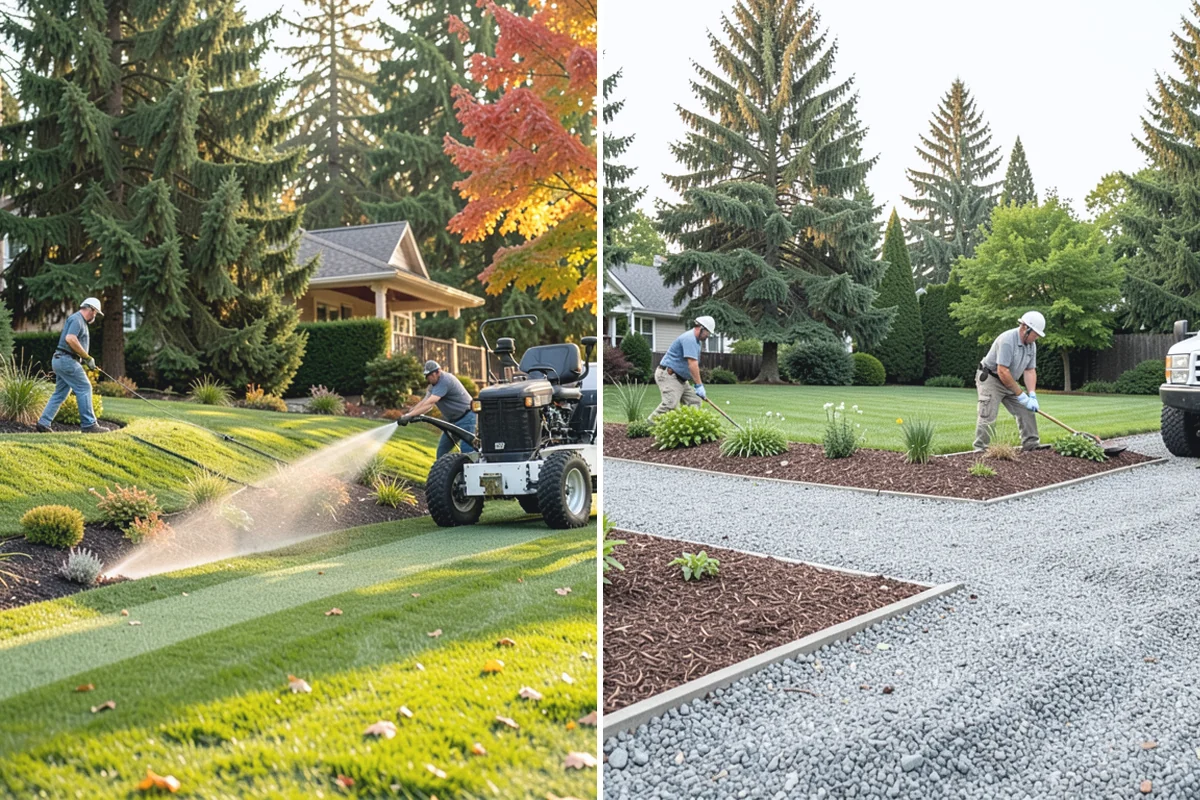
Common Project Types: Typical work here includes lawn renovation, terraced planting on sloped view lots, patio and deck surrounds for entertaining, and privacy screening between closely set single-family homes. Townhome and condo owners near Downtown often request low-maintenance foundation beds and container plantings that hold up to coastal exposure.
Property Styles: Des Moines properties lean toward established single-family homes, with a mix of townhomes and condominiums closer to the Redondo and Downtown cores. Many lots take advantage of gentle slopes toward the water, so tiered beds, retaining features, and framed view corridors are common design themes.
Local Materials & Plants: Salt-tolerant and wind-hardy choices thrive here, including rugosa roses, ornamental grasses, hebe, and native salal that echo the shoreline setting. Basalt and rounded river rock suit the coastal look, and evergreen structure from shore pine or juniper holds up well to the steady marine air near the beach park.
Planning Your Project: Planning around Des Moines lots often means accounting for slope stability, drainage toward neighboring parcels, and access on narrower waterfront streets. Scheduling major plantings for the cooler shoulder seasons helps new stock establish, and coordinating any grading work early keeps a project moving without weather delays.
If you own a home or business anywhere from the marina bluff to the quieter streets near Woodmont, we would be glad to help you shape a landscape that fits the Des Moines waterfront lifestyle. Reach out to start planning your project.