Local Service Information
DuPont
A small planned city in southwest Pierce County near Puget Sound and Joint Base Lewis-McChord.
County: Pierce County
ZIP Codes Served: 98327
Neighborhoods: Downtown, Northwest Landing
Nearby Communities: Steilacoom, Lakewood, Lacey
Common Property Types: Predominantly single-family homes with townhomes and some condominiums and multifamily housing; commercial property includes retail, office, and small mixed-use buildings.
Local Tree & Landscape Notes: Common regional trees include Douglas fir, western red cedar, western hemlock, bigleaf maple, and red alder, alongside many ornamental species. Wet soils and dense canopy are common considerations for access and scheduling.
Permit Considerations: Permit requirements vary depending on tree size, species, protected areas, shoreline regulations, critical areas, and local municipal code. Always verify current requirements with the local jurisdiction before beginning work.
Climate: Marine west coast climate typical of the Puget Sound region: mild, wet winters and warm, relatively dry summers, with most rainfall from fall through spring. Occasional wind, snow, and ice events and seasonal soil saturation influence tree health and the timing of tree work.
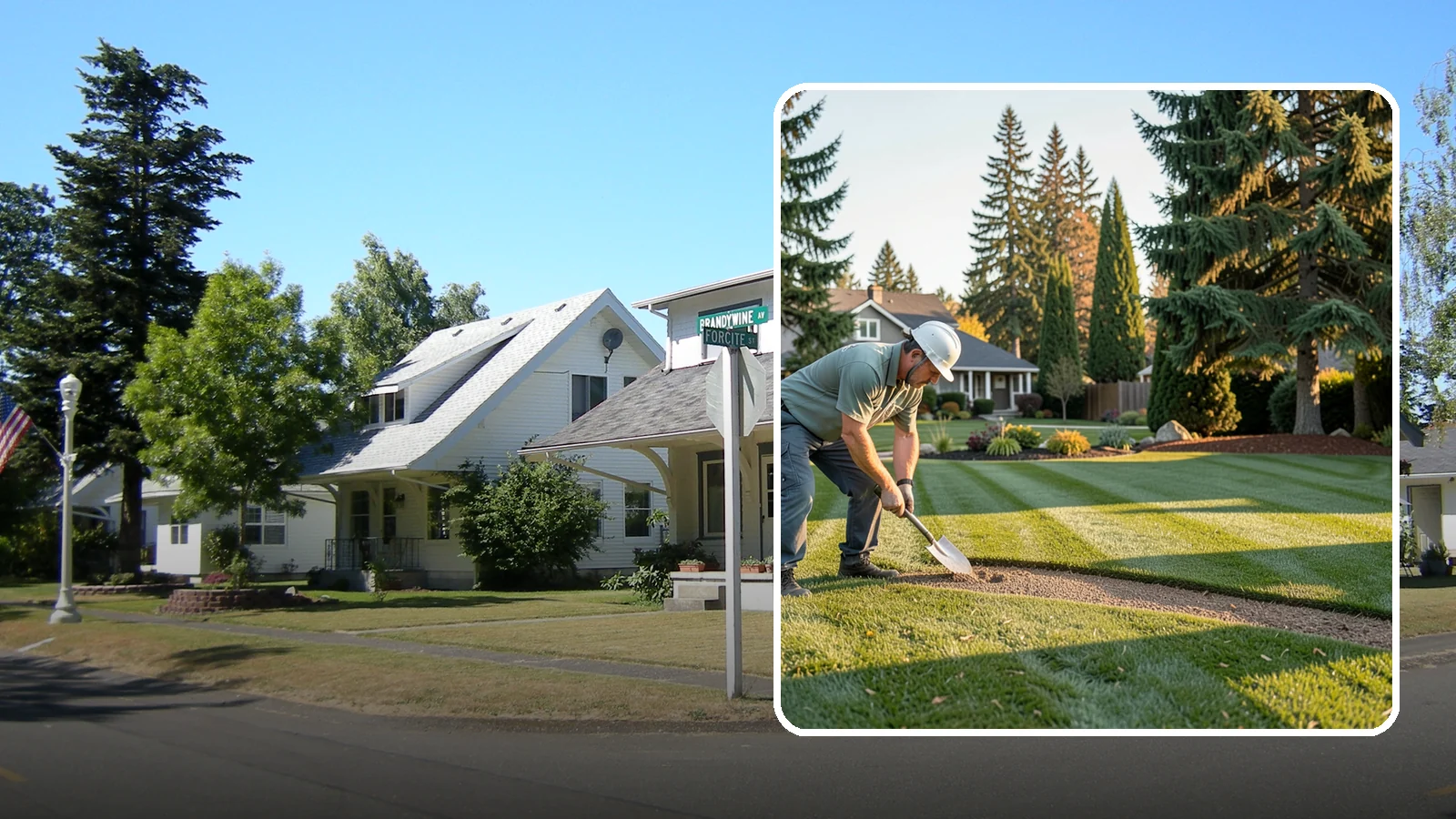
DuPont is a compact, thoughtfully planned Pierce County city where landscaping reflects the tidy, community-minded feel of the Northwest Landing development and the older streets of the historic DuPont village. Homes here were largely built with cohesive design standards, so front yards, street trees, and shared green spaces tend to follow a clean, coordinated look. With the Sequalitchew Creek trail and surrounding open land nearby, many residents want plantings that connect naturally to the wooded, prairie-edge surroundings. Sitting in the Puget Sound lowlands, DuPont enjoys the mild climate that lets classic Northwest lawns and gardens flourish, and well-kept landscaping reinforces the polished neighborhood character the city is known for.
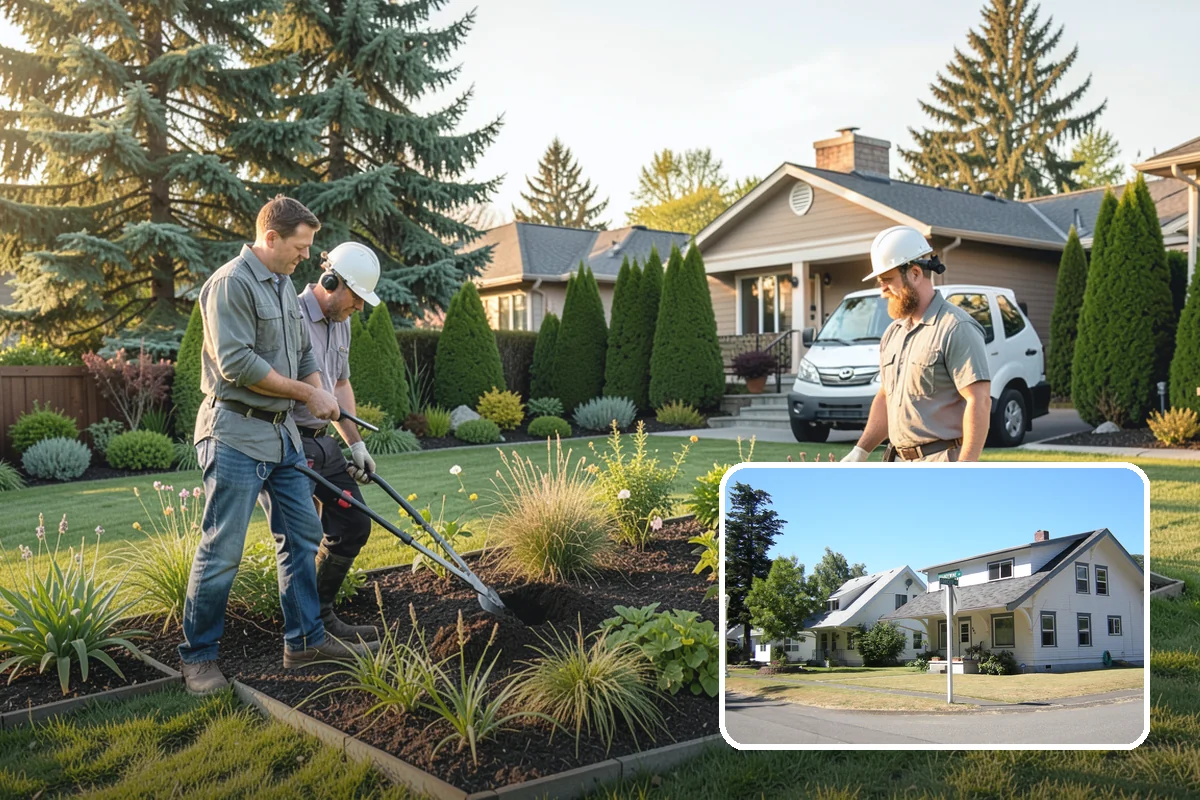
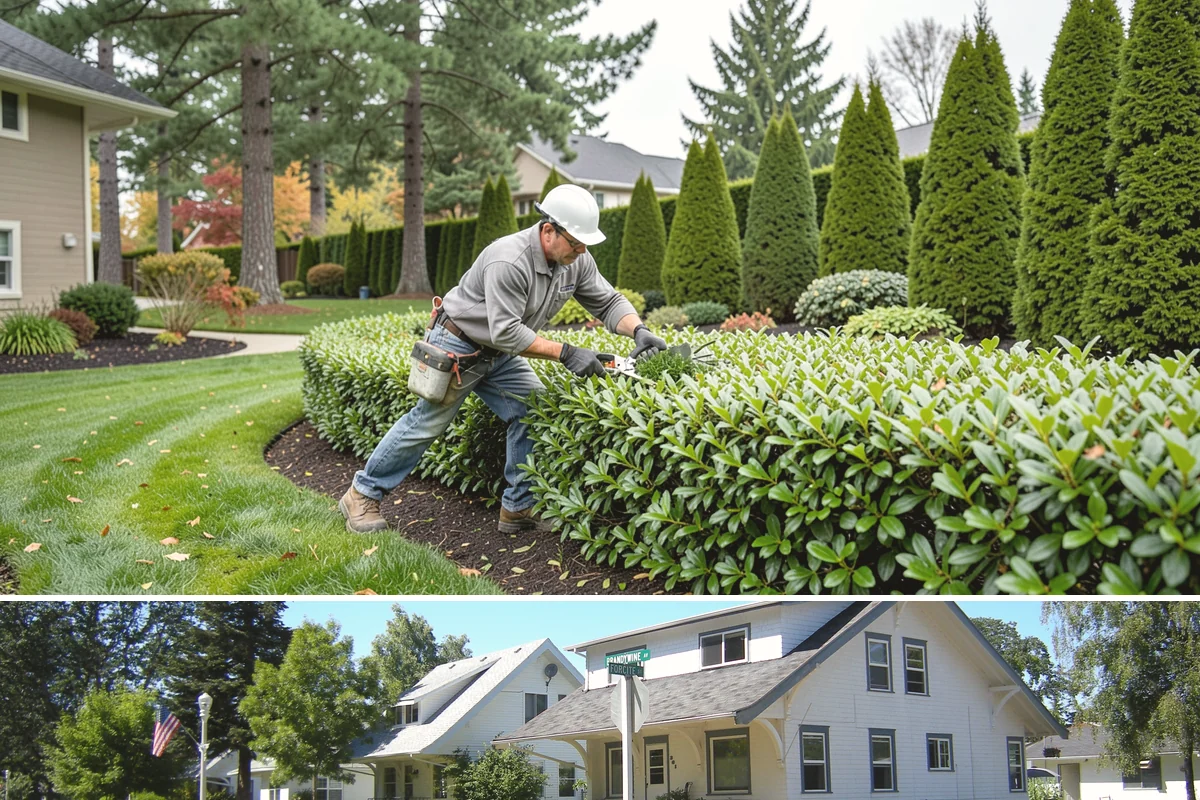
Landscaping in DuPont often works within the community’s consistent design expectations, so homeowners lean toward neat lawns, framed entry beds, and plantings that harmonize with a neighbor’s rather than stand apart. Properties bordering the greenbelt near Sequalitchew Creek call for a softer, more naturalized transition into the surrounding woodland.
Site Conditions: DuPont sits on gravelly glacial and prairie soils that drain quickly, a legacy of the area’s history near the creek bluffs. That fast drainage means beds and lawns can dry out in summer without irrigation, while the mild lowland winters keep the ground workable and rarely deep-frozen.
Seasonal Considerations: Because DuPont’s soils drain freely, spring is the moment to build organic matter into beds before the summer dry spell. Warm months usually require supplemental watering to keep turf green, autumn suits planting trees and shrubs while the soil is still warm, and the wet lowland winters call mainly for pruning, cleanup, and drainage checks along low spots.
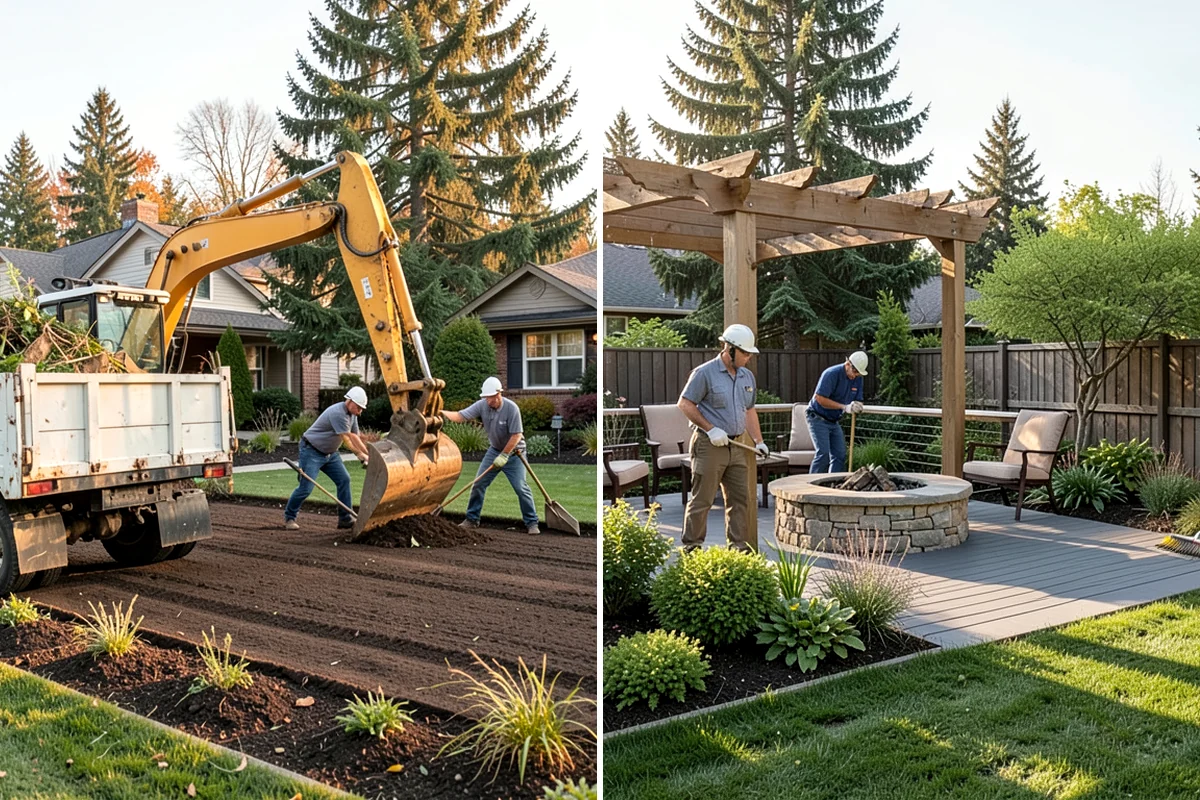
Common Project Types: Common DuPont projects include front-yard refreshes that meet neighborhood standards, drought-aware planting beds, patio and fire-pit spaces for the newer Northwest Landing homes, and naturalized borders for lots that back to open space. Townhome owners frequently ask for compact, low-water plantings that stay tidy with little effort.
Property Styles: Much of DuPont’s housing consists of newer single-family homes, townhomes, and condominiums built on modest, uniform lots within Northwest Landing. Front yards are typically open and street-facing, so curb-side beds, consistent street-tree lines, and clean edging carry much of the visual weight.
Local Materials & Plants: Drought-tolerant, well-drained-soil plants fit DuPont nicely, including lavender, ceanothus, kinnikinnick, and ornamental grasses that echo the local prairie edge. Crushed gravel pathways and basalt accents suit the fast-draining ground, and native serviceberry or vine maple add seasonal color that ties into the Sequalitchew corridor.
Planning Your Project: Planning in DuPont should account for the community’s cohesive look and the quick-draining soils, which reward amended beds and efficient irrigation. Scheduling installs for fall or early spring helps plants root before summer, and confirming any homeowner-association guidelines early keeps a design on track.
Whether your home sits in Northwest Landing or along the older streets of the historic village, we can help you create landscaping that suits DuPont’s clean, connected character. Get in touch to begin mapping out your project.