Local Service Information
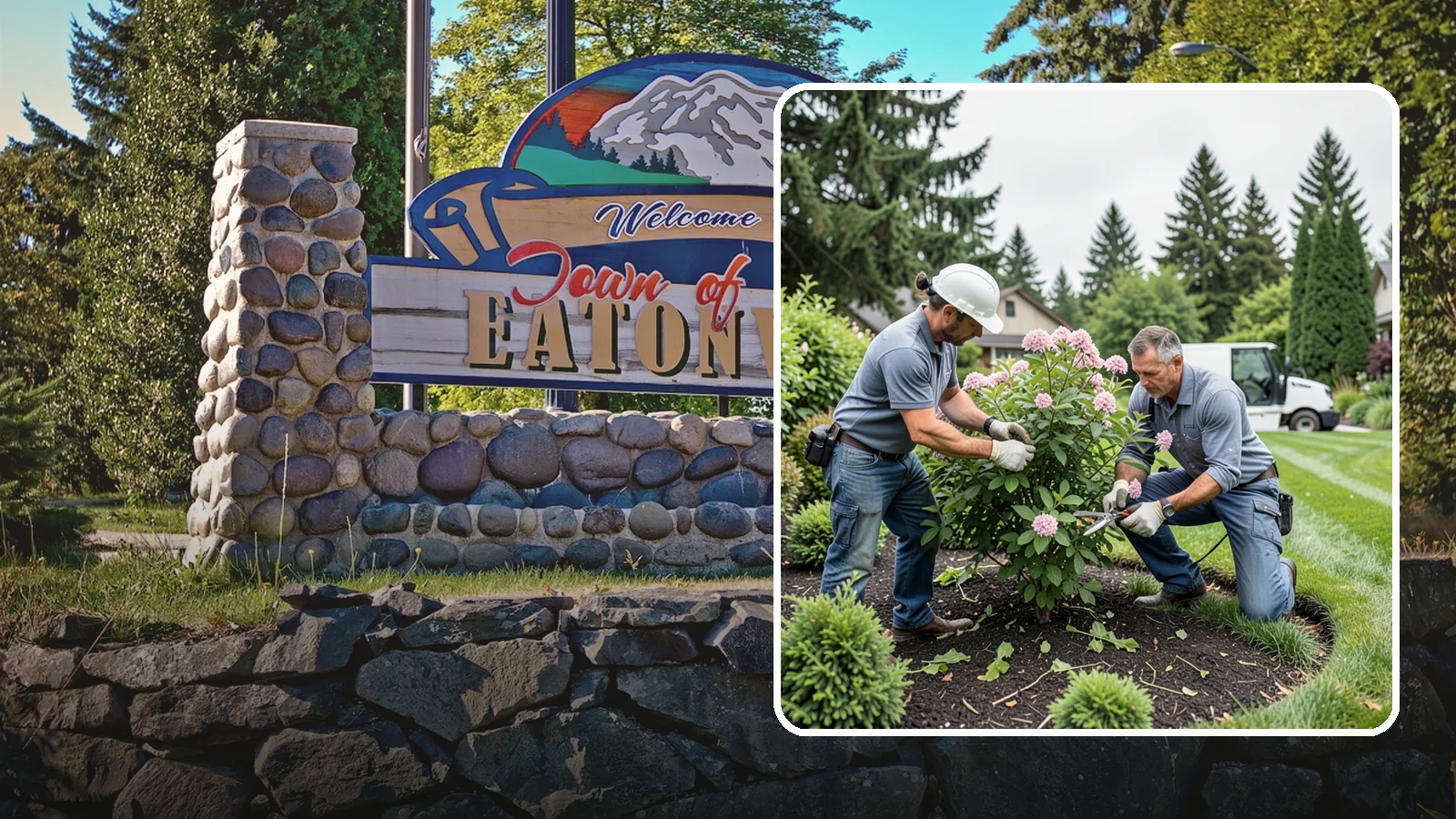
Eatonville
A small town in rural southeast Pierce County on the way to Mount Rainier.
County: Pierce County
ZIP Codes Served: 98328
Neighborhoods: Downtown Eatonville (Mashell Avenue) and surrounding residential areas
Nearby Communities: Graham, Orting
Common Property Types: Predominantly single-family homes on larger and rural lots, with some farm and acreage properties; commercial property is limited to small retail and civic buildings.
Local Tree & Landscape Notes: Forested foothill setting with conifers such as Douglas fir, western hemlock, and western red cedar, plus bigleaf maple and alder. Slopes, wet soils, and larger trees are common considerations for access and rigging.
Permit Considerations: Permit requirements vary depending on tree size, species, protected areas, shoreline regulations, critical areas, and local municipal code. Always verify current requirements with the local jurisdiction before beginning work.
Climate: Marine west coast climate typical of the Puget Sound region: mild, wet winters and warm, relatively dry summers, with most rainfall from fall through spring. Occasional wind, snow, and ice events and seasonal soil saturation influence tree health and the timing of tree work.
Eatonville sits in the wooded foothills on the road toward Mount Rainier, and its landscaping carries a rugged, rural spirit to match. Many properties here are single-family homes on larger and acreage lots, so yards often flow into forest edges, pasture, and open ground rather than ending at a tidy fence line. With attractions like Northwest Trek Wildlife Park and Pioneer Farm nearby, the area’s identity is tied to its natural, outdoorsy setting. The slightly higher elevation runs a touch cooler than the Puget Sound lowlands, which shapes plant choices and timing for gardeners in this Pierce County town. Landscaping around Eatonville tends to celebrate that woodland character while carving out comfortable, usable outdoor space close to the home.
Because Eatonville lots are often large and forest-bordered, landscaping here usually focuses on managing the zone right around the house while letting the outer property stay natural. Homeowners commonly want defensible, tidy lawns near living spaces, gravel drives and paths for acreage access, and hardy plantings that stand up to cooler foothill conditions.
Site Conditions: Eatonville’s foothill soils tend to be firmer and rockier than lowland ground, with forested lots holding shade and moisture beneath the canopy. The higher elevation brings cooler nights and a slightly later thaw, so frost lingers longer in spring than it does closer to the lowlands near Graham or Orting.
Seasonal Considerations: Gardeners in Eatonville often start spring a bit later, waiting out lingering cool nights before planting tender stock. Summers are pleasant for lawn and pasture care, early fall is the best window for setting hardy trees and shrubs before cold arrives, and the damp, chilly winters call for mulching root zones and clearing debris from the wooded edges.
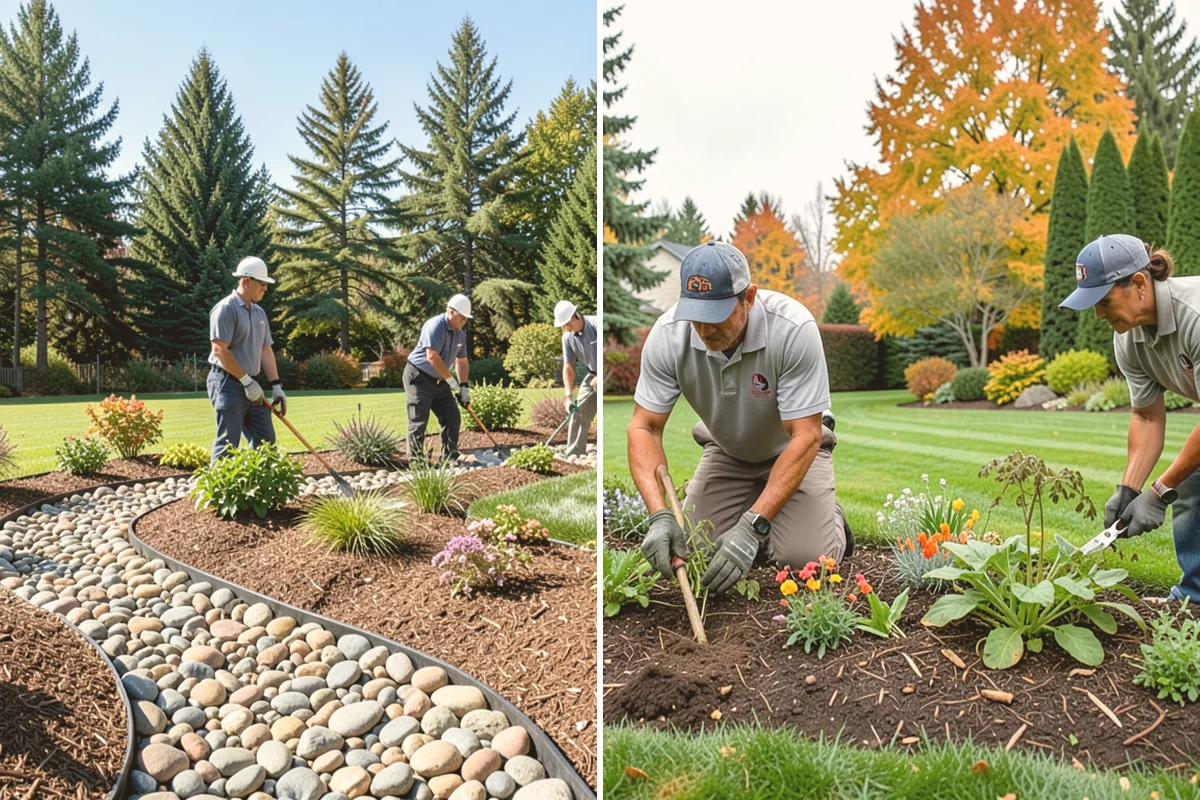
Common Project Types: Typical Eatonville projects include clearing and shaping usable yard space out of forested lots, gravel driveways and rural paths, pasture and acreage upkeep, and durable planting beds near the home. Fire-wise spacing and low-maintenance native borders are also common requests for these woodland properties.
Property Styles: Eatonville properties skew toward larger single-family and acreage lots, some with farm or pasture ground, set against a backdrop of foothill forest. That scale invites practical layouts that separate a maintained core near the house from the wilder, tree-lined reaches of the parcel.
Local Materials & Plants: Cold-hardy, foothill-suited plants work best here, including native vine maple, Oregon grape, sword fern, and evergreen conifers that echo the surrounding woods. Crushed rock, split logs, and boulder accents fit the rugged setting, and tough perennials that tolerate cooler nights reward the extra elevation around town.
Planning Your Project: Planning around Eatonville should account for the cooler, later spring and the access demands of large, wooded lots. Scheduling plantings for the warmer months gives stock time to root before the foothill cold, and mapping equipment access across acreage helps a project run efficiently.
Whether your place is a wooded acreage lot or a home closer to Mashell Avenue, we can help you carve out landscaping that fits Eatonville’s rugged foothill setting. Reach out to talk through your project.