Local Service Information
Gold Bar
A small town along the Skykomish River and US-2 in the Cascade foothills.
County: Snohomish County
ZIP Codes Served: 98251
Neighborhoods: The small town core along US-2 and the Skykomish River
Nearby Communities: Index, Sultan, Startup
Common Property Types: Predominantly single-family homes on larger and rural lots, with some farm and acreage properties; commercial property is limited to small retail and civic buildings.
Local Tree & Landscape Notes: Mountain and heavily forested setting with large conifers including Douglas fir, western hemlock, and western red cedar. Steep terrain, limited access, and large trees are key considerations for planning and rigging.
Permit Considerations: Permit requirements vary depending on tree size, species, protected areas, shoreline regulations, critical areas, and local municipal code. Always verify current requirements with the local jurisdiction before beginning work.
Climate: Marine west coast climate typical of the Puget Sound region: mild, wet winters and warm, relatively dry summers, with most rainfall from fall through spring. Occasional wind, snow, and ice events and seasonal soil saturation influence tree health and the timing of tree work.
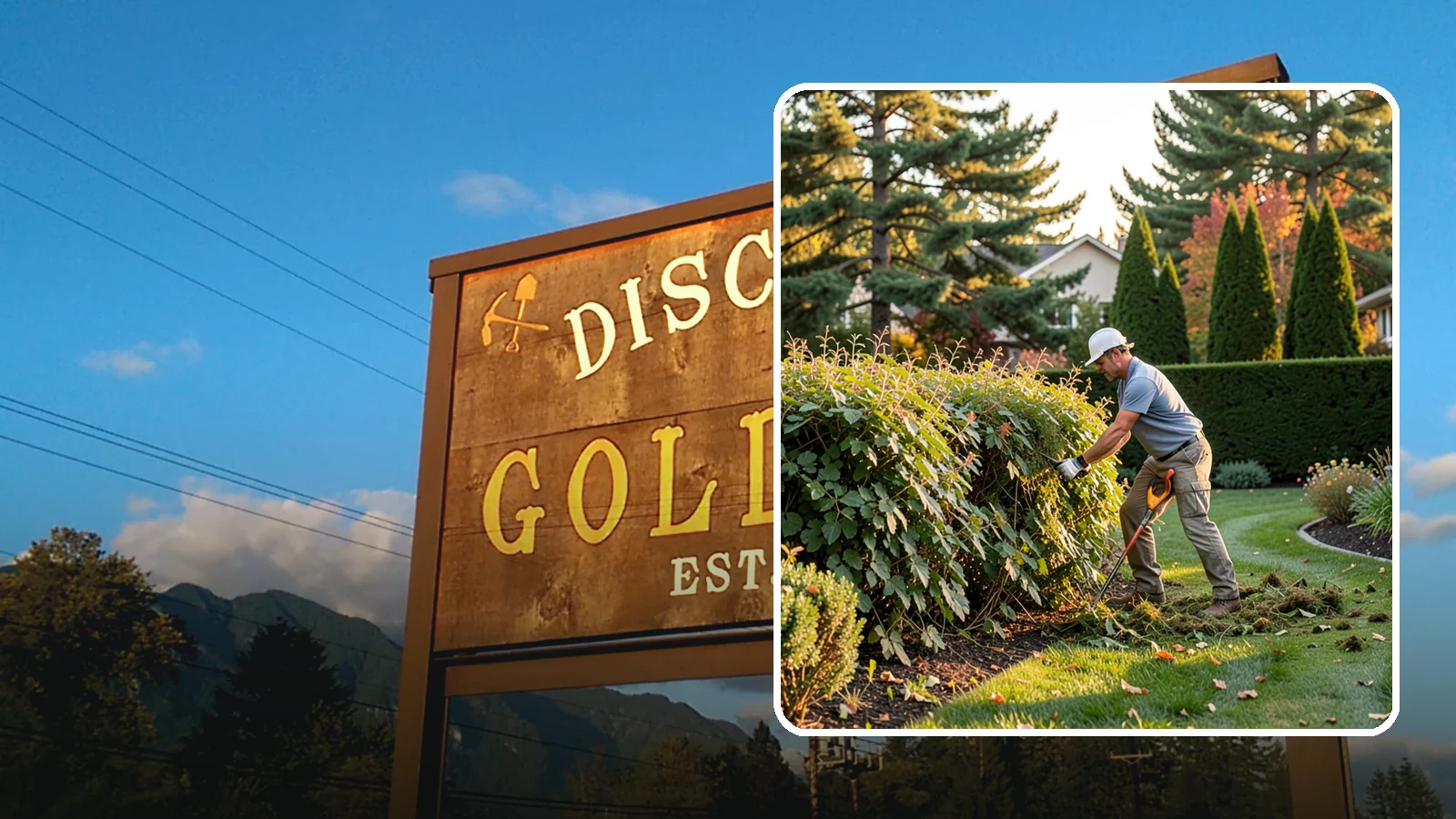
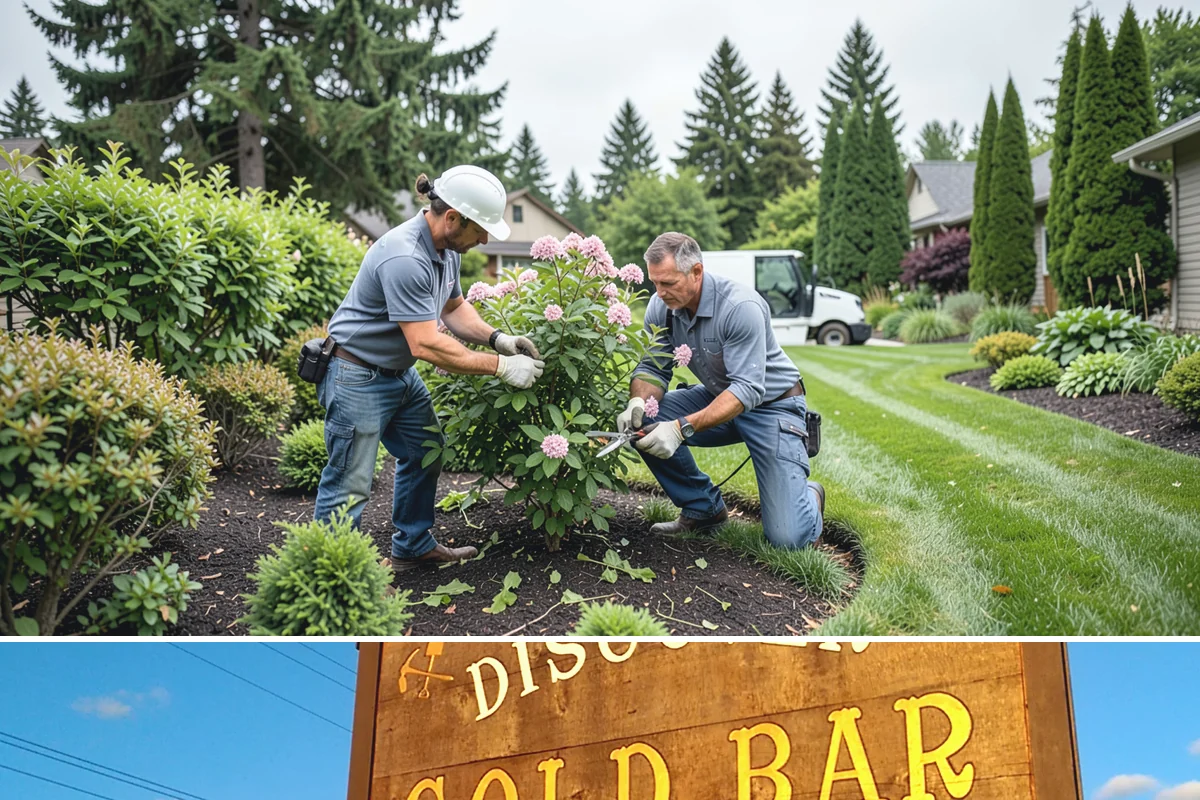
Gold Bar is a small Skykomish River town strung along US-2 in Snohomish County, where landscaping takes on a more rural, mountain-gateway character than the Puget Sound lowlands. With Wallace Falls State Park nearby and neighbors like Index, Sultan, and Startup, many properties sit on larger and rural lots that blend cultivated yards with surrounding forest. Homeowners here often work with the natural terrain, managing woodland edges, meadow-style plantings, and the wetter, cooler conditions of the upper valley.
Landscaping around Gold Bar tends to emphasize working with, rather than against, the forested river setting, so clearing, defensible space, and hardy plantings are common priorities. Rural lots near the Skykomish River frequently need drainage management and low-upkeep designs that suit the colder, snowier climate.
Site Conditions: In the cooler zone 7a-7b along the Skykomish River, Gold Bar sees colder winters and more snow than the lowlands, with forest soils that can be rocky, acidic, and slow to drain in shaded, low-lying areas. Sun reaches open clearings while much of the ground stays shaded by conifers.
Seasonal Considerations: Spring arrives later here, so planting and bed work often wait until snowmelt and warmer soils, while summer is the window for building, planting, and steady maintenance. Fall means significant leaf and needle cleanup plus preparing for cold, and winter’s snow load makes it worth planning tree care and protecting vulnerable plantings ahead of the season.
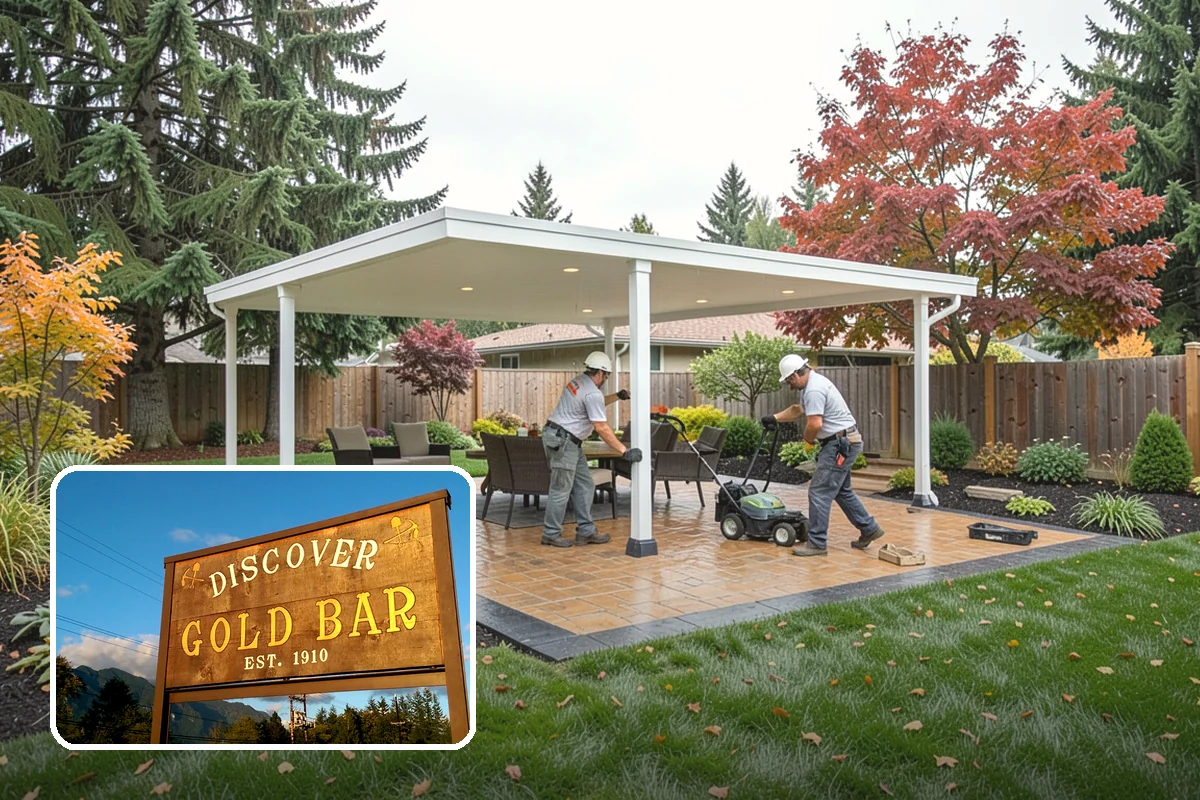
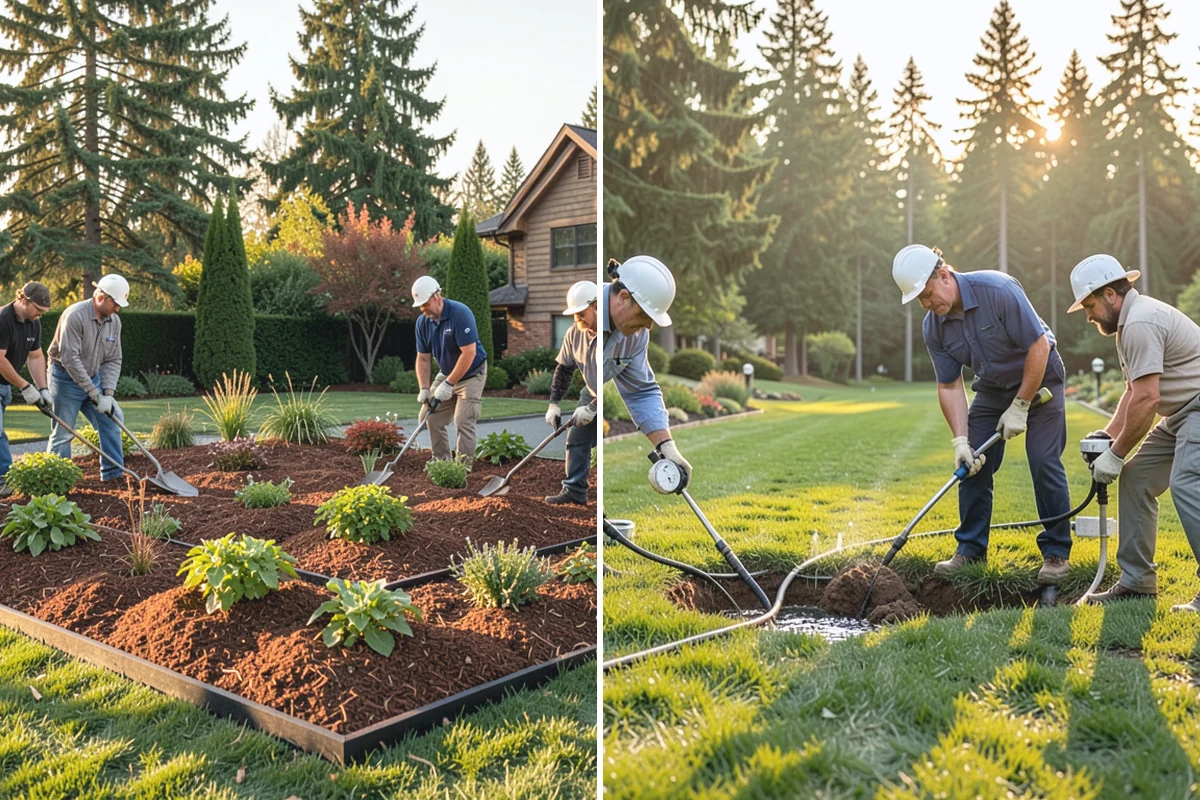
Common Project Types: Typical projects include tree and brush clearing, gravel drives and paths, drainage solutions, native and woodland-edge plantings, and durable outdoor spaces for homes on acreage. Meadow-style lawns and low-maintenance rural landscaping fit the area’s larger lots.
Property Styles: Gold Bar’s properties are largely single-family homes on larger and rural lots, with some farm and acreage parcels tucked along the river and US-2 corridor. These spacious, often wooded settings call for landscaping that transitions smoothly between managed yard and native forest.
Local Materials & Plants: Cold-hardy, native-leaning selections such as Douglas fir, western red cedar, salal, sword fern, and vine maple thrive in the upper-valley climate, while gravel, crushed rock, and natural boulders suit rural drives and beds. Acid-loving shrubs like rhododendrons also do well in the forest soils.
Planning Your Project: Planning around Gold Bar accounts for the later spring, snow season, and longer travel along US-2, so major work is best scheduled for the reliable summer stretch. Access on rural lots and staging near the Skykomish River should be considered early, along with general local guidance before significant clearing.
If you’re shaping a rural landscape or taming a wooded lot near Wallace Falls and the Skykomish River, reach out to talk through your Gold Bar property and plan work that fits its mountain setting.