Local Service Information
Granite Falls
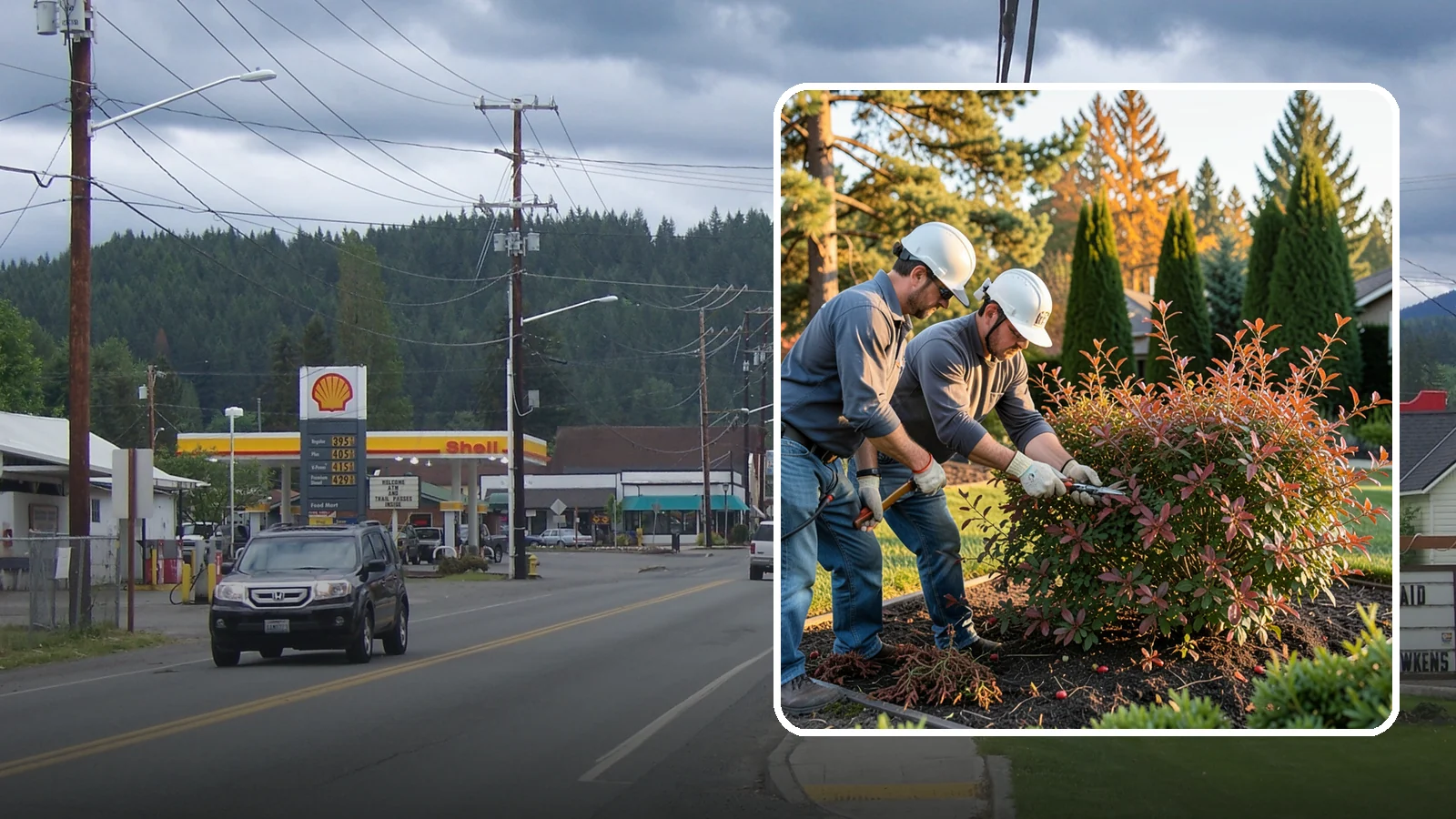
A small city at the edge of the Cascade foothills near the Mountain Loop Highway.
County: Snohomish County
ZIP Codes Served: 98252
Neighborhoods: Downtown Granite Falls and surrounding residential areas
Nearby Communities: Lake Stevens, Arlington, Snohomish
Common Property Types: Predominantly single-family homes, with some townhomes and multifamily housing; commercial property includes small retail, civic, and light commercial buildings.
Local Tree & Landscape Notes: Forested foothill setting with conifers such as Douglas fir, western hemlock, and western red cedar, plus bigleaf maple and alder. Slopes, wet soils, and larger trees are common considerations for access and rigging.
Permit Considerations: Permit requirements vary depending on tree size, species, protected areas, shoreline regulations, critical areas, and local municipal code. Always verify current requirements with the local jurisdiction before beginning work.
Climate: Marine west coast climate typical of the Puget Sound region: mild, wet winters and warm, relatively dry summers, with most rainfall from fall through spring. Occasional wind, snow, and ice events and seasonal soil saturation influence tree health and the timing of tree work.
Granite Falls serves as a gateway to the Mountain Loop Highway in Snohomish County, and its blend of small-town streets and surrounding foothills gives landscaping here a transitional feel between lowland yards and mountain terrain. With the Stillaguamish River close by and neighbors including Lake Stevens, Arlington, and Snohomish, properties range from tidy in-town lots to more open parcels on the edge of town. Landscaping often balances practical, weather-ready design with the scenic backdrop of the Cascade foothills.
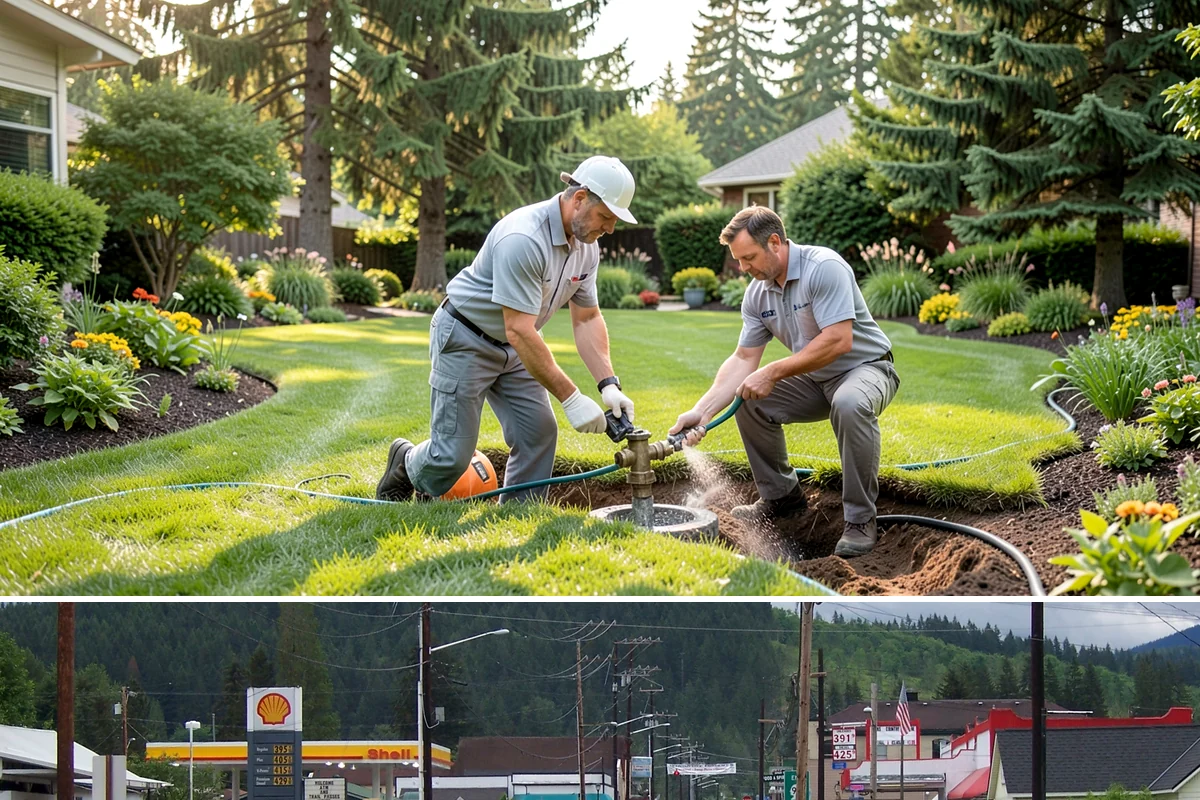
In Granite Falls, landscaping commonly addresses the slightly cooler, wetter foothill conditions, with attention to drainage and plantings that handle variable weather. Homeowners near the Mountain Loop Highway gateway often want durable, low-fuss yards that stand up to the seasons and the runoff that comes with them.
Site Conditions: Running slightly cooler than the lowlands in zone 8a-8b, Granite Falls has foothill soils that can be gravelly from glacial deposits and prone to holding water in winter near the Stillaguamish drainage. Sun and shade shift with the terrain, and elevation adds a touch more chill.
Seasonal Considerations: Spring cleanups and planting kick off once the ground dries, and summer supports active growth with regular mowing and watering during dry spells. Autumn is for leaf collection and cold prep as foothill temperatures dip, while the damp, cool winters suit dormant pruning and planning projects for the following year around the town’s residential streets.
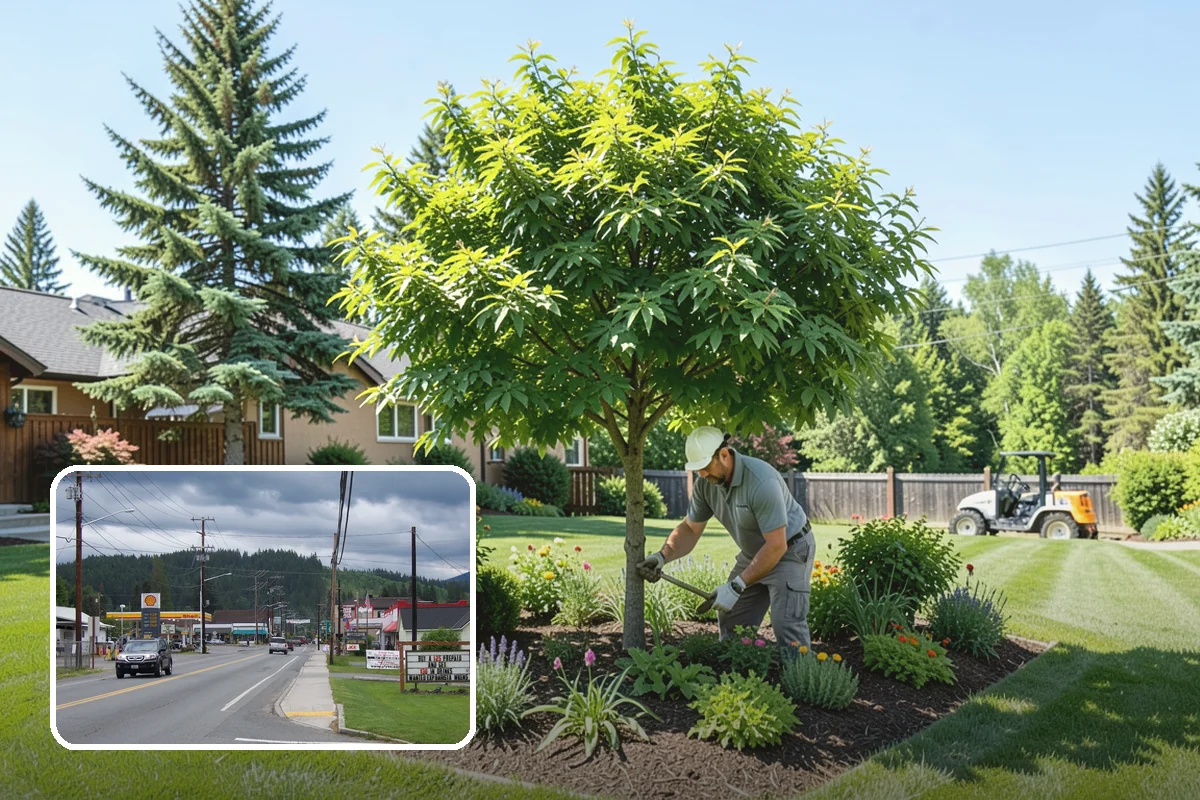
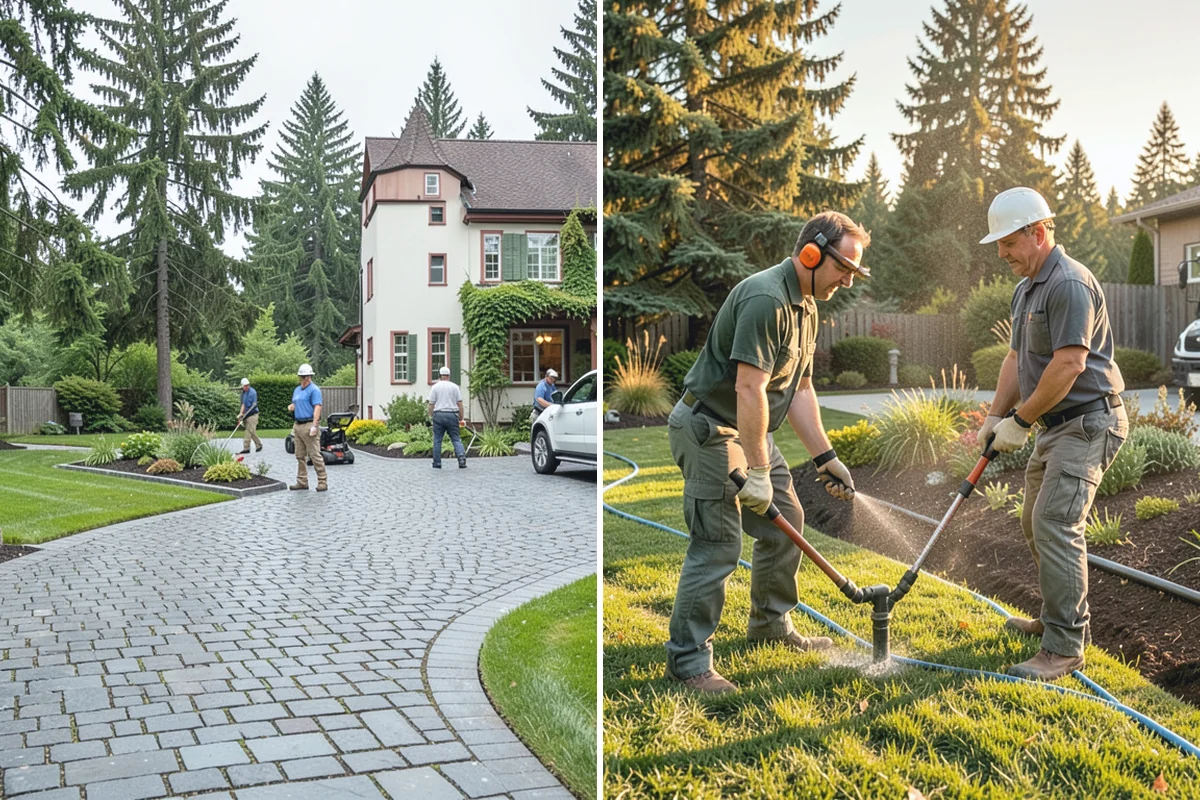
Common Project Types: Frequent projects include lawn installation and repair, drainage improvements, mixed shrub and perennial beds, patios, and fencing for the area’s single-family homes. Foothill-appropriate plantings and durable yard refreshes are also common in and around town.
Property Styles: The city is mostly single-family homes with some townhomes and multifamily housing, on lots that range from compact downtown parcels to larger properties near the foothills. This variety suits landscaping that scales from neat urban yards to more open, natural edges.
Local Materials & Plants: Hardy, cooler-climate choices like shore pine, red-twig dogwood, mahonia, and tough perennials work well in Granite Falls, along with hydrangeas suited to the mild-to-cool zone. Bark mulch and locally available gravel support beds, paths, and drainage in the foothill soils.
Planning Your Project: Scheduling in Granite Falls often favors the drier summer months for grading, hardscape, and planting, given the wetter foothill shoulder seasons. Planning for site drainage and access on larger edge-of-town lots helps, and checking general local requirements before major earthwork is prudent.
Ready to build a weather-ready yard near the Mountain Loop Highway gateway? Reach out to discuss your Granite Falls property and put together a landscaping plan matched to its foothill setting.