Local Service Information
Hamilton
A very small town along the Skagit River in rural eastern Skagit County.
County: Skagit County
ZIP Codes Served: 98255
Neighborhoods: A small rural town core along the Skagit River
Nearby Communities: Lyman, Concrete, Sedro-Woolley
Common Property Types: Predominantly single-family homes on larger and rural lots, with some farm and acreage properties; commercial property is limited to small retail and civic buildings.
Local Tree & Landscape Notes: Common regional trees include Douglas fir, western red cedar, western hemlock, bigleaf maple, and red alder, alongside many ornamental species. Wet soils and dense canopy are common considerations for access and scheduling.
Permit Considerations: Permit requirements vary depending on tree size, species, protected areas, shoreline regulations, critical areas, and local municipal code. Always verify current requirements with the local jurisdiction before beginning work.
Climate: Marine west coast climate typical of the Puget Sound region: mild, wet winters and warm, relatively dry summers, with most rainfall from fall through spring. Occasional wind, snow, and ice events and seasonal soil saturation influence tree health and the timing of tree work.
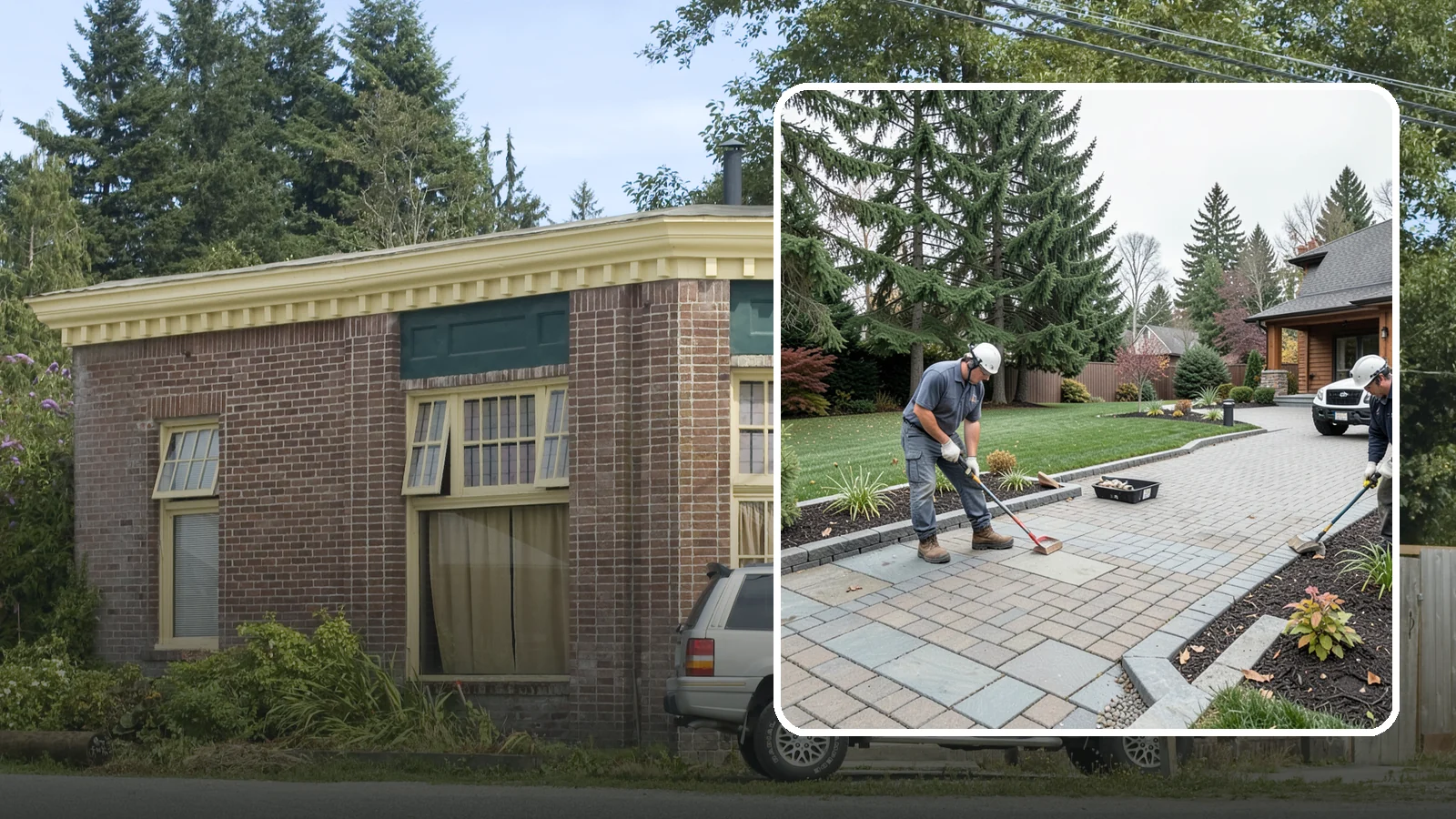
Hamilton is a small rural community along the Skagit River in Skagit County, where landscaping reflects its quiet, agricultural surroundings more than any dense townscape. With neighbors like Lyman, Concrete, and Sedro-Woolley, many properties sit on larger and rural lots, and yards often flow into pasture, garden, or riverside land. Work here tends toward practical, resilient landscaping that suits the valley’s floodplain character and the mild lowland climate.
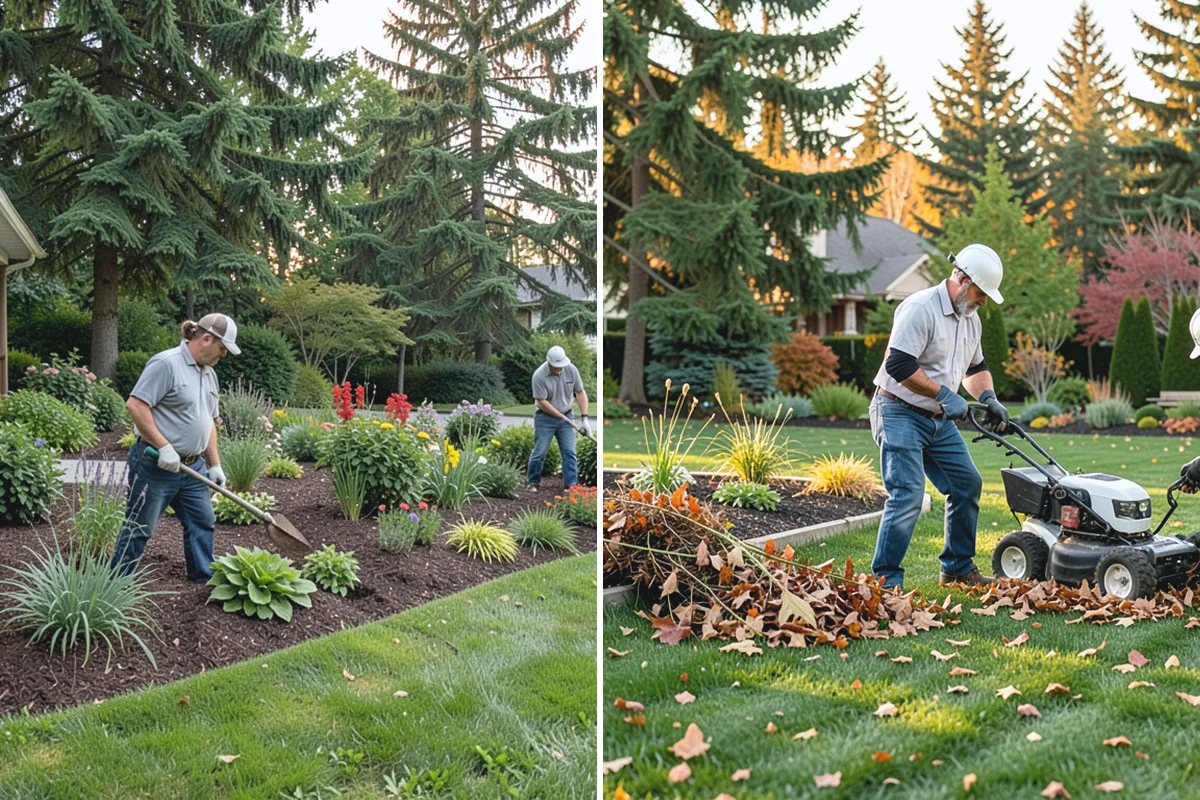
Around Hamilton, landscaping frequently means managing open, riverside land, from lawns and gardens to drainage on low-lying lots near the Skagit River. Rural property owners often prioritize hardy, low-maintenance plantings and functional outdoor space over ornamental complexity.
Site Conditions: In zone 8b of the Puget Sound lowlands, Hamilton’s Skagit River valley soils are often rich but can stay wet and heavy in the floodplain, with good drainage a recurring concern in low spots. Open pastureland gives plenty of sun, while riverside edges may hold moisture.
Seasonal Considerations: Spring brings planting and cleanup as the valley dries out, and summer supports gardens, lawns, and steady upkeep through the warmer, drier weeks. Fall is for harvest cleanup, leaf management, and preparing beds, while the mild, wet winters near the river favor dormant pruning and planning around the valley’s seasonal moisture.
Common Project Types: Common projects include lawn and pasture-edge care, vegetable and cottage gardens, drainage improvements, gravel drives, and durable plantings for homes on acreage. Windbreaks and hedgerows also suit the open, rural lots along the river.
Property Styles: Hamilton’s properties are chiefly single-family homes on larger and rural lots, with some farm and acreage parcels near the Skagit River. These spacious settings favor landscaping that ties together yard, garden, and working land.
Local Materials & Plants: Moisture-tolerant and hardy selections such as red-twig dogwood, willow, native ferns, and tough perennials do well in the valley, alongside fruit trees and productive garden beds common to rural Skagit County. Gravel and bark mulch help manage drives and beds in the damp lowland soils.
Planning Your Project: Planning in Hamilton often centers on seasonal moisture and access across open, rural lots, so major work is best timed for the drier summer window. Drainage should be considered early on low-lying parcels, and general local guidance is worth checking before significant grading near the Skagit River.
If you’re tending a rural yard or garden along the Skagit River in Hamilton, get in touch to talk through your property and shape a practical landscaping plan built for valley living.