Local Service Information
Index
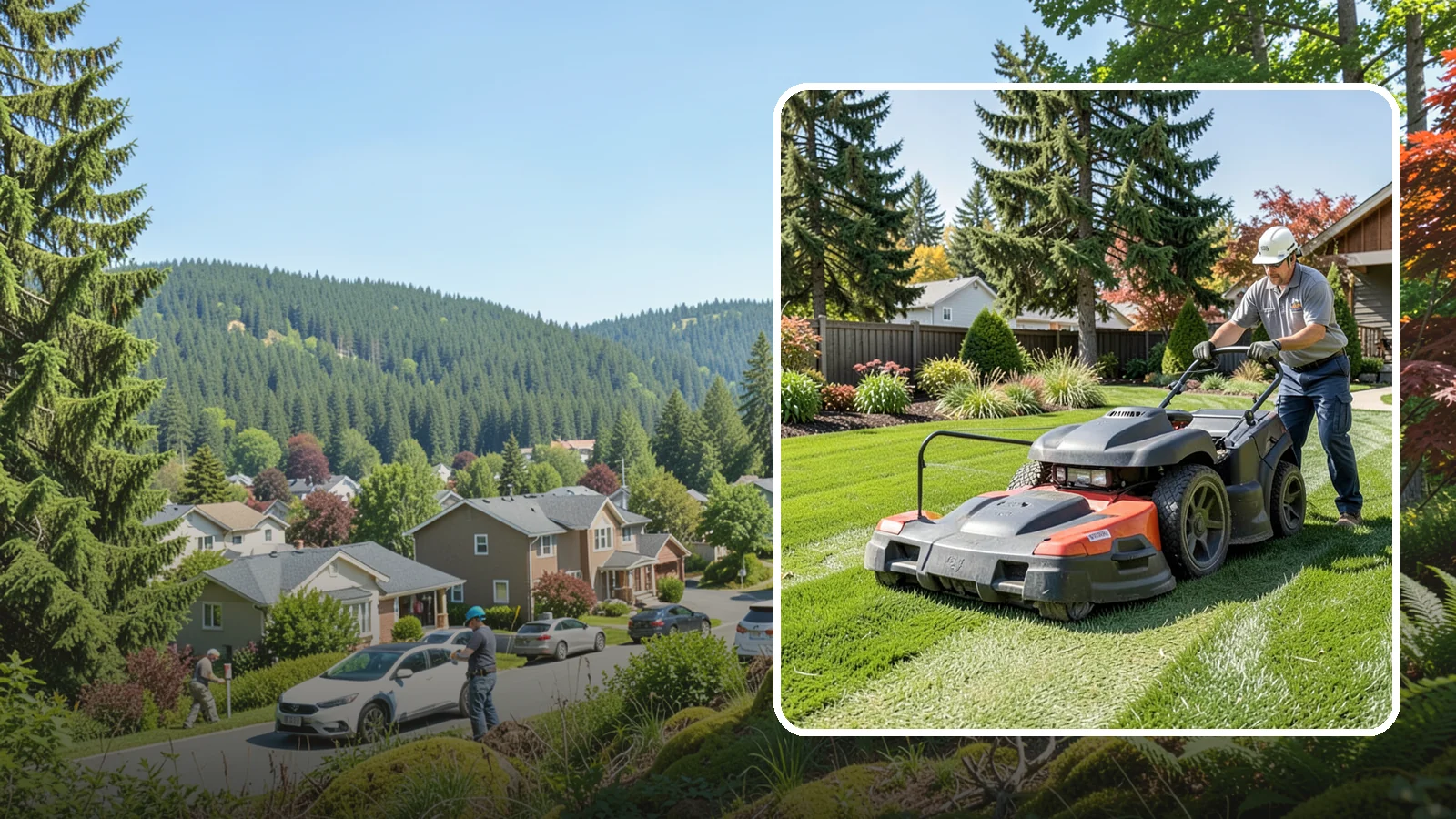
A very small mountain town on the Skykomish River surrounded by steep forested peaks.
County: Snohomish County
ZIP Codes Served: 98256
Neighborhoods: The very small mountain-town core along the Skykomish River
Nearby Communities: Gold Bar, Skykomish
Common Property Types: Predominantly single-family homes on larger and rural lots, with some farm and acreage properties; commercial property is limited to small retail and civic buildings.
Local Tree & Landscape Notes: Mountain and heavily forested setting with large conifers including Douglas fir, western hemlock, and western red cedar. Steep terrain, limited access, and large trees are key considerations for planning and rigging.
Permit Considerations: Permit requirements vary depending on tree size, species, protected areas, shoreline regulations, critical areas, and local municipal code. Always verify current requirements with the local jurisdiction before beginning work.
Climate: Marine west coast climate typical of the Puget Sound region: mild, wet winters and warm, relatively dry summers, with most rainfall from fall through spring. Occasional wind, snow, and ice events and seasonal soil saturation influence tree health and the timing of tree work.
Index is a very small mountain town set along the Skykomish River in Snohomish County, framed by dramatic terrain and the well-known Index Town Wall climbing area. Landscaping here is thoroughly rural and forest-oriented, with properties on larger and rural lots that meet native woodland and rock. Near neighbors Gold Bar and Skykomish, homeowners tend to work with the steep, wooded, riverside setting rather than reshaping it, favoring natural, low-impact designs.
Landscaping around Index usually means managing forest edges, rocky ground, and riverside conditions, so clearing, erosion control, and hardy native plantings take priority. The colder, snowier mountain climate near the Index Town Wall calls for durable, low-maintenance approaches that hold up year after year.
Site Conditions: Index’s steep, rocky terrain sits in the colder 7a-7b range, bringing harder winters and more snowfall than lowland towns. Its thin mountain soils are frequently acidic and fast-draining on slopes yet stay cool and damp under dense conifer cover, with direct sun limited to open breaks in the forest.
Seasonal Considerations: Because snow lingers, the growing calendar here is compressed: crews and gardeners usually hold off until the ground thaws, then use the warm months for the bulk of planting and construction. Once autumn sets in, needle and leaf litter pile up and beds get readied for the freeze, and the deep-winter stretch is best spent scheduling dormant tree work and guarding tender plants from snow and cold.
Common Project Types: In Index, work often revolves around erosion control on steep ground, selective clearing to open sightlines, rock-lined drainage, boulder and natural-stone features, and rugged native plantings that merge with the forest. Low-upkeep, terrain-hugging yards suit the mountain lots.
Property Styles: Homes in Index are overwhelmingly single-family, set on generous rural and wooded parcels where forest, rock, and river define the boundaries. Such rugged, terrain-driven lots reward landscaping that yields to the natural surroundings rather than overriding them.
Local Materials & Plants: Rugged mountain plantings such as noble fir, native huckleberry, Oregon grape, kinnikinnick, and hardy ferns hold up to the cold and snow, and boulders, crushed rock, and gravel anchor slopes and rustic paths. Acid-tolerant shrubs settle in well among the rocky forest soils.
Planning Your Project: In Index, the compressed summer window drives scheduling, with snow, freeze-thaw, and narrow mountain access shaping when crews can work. Steep-slope stability, erosion control, and material staging call for early planning, and it’s sensible to check general local guidance before notable clearing near the river.
If you’re working with a steep, wooded lot near the Index Town Wall and the Skykomish River, get in touch to talk through your property and plan landscaping that fits its rugged mountain character.