Local Service Information
Issaquah
A city at the base of the Issaquah Alps on the Eastside, surrounded by forested hills.
County: King County
ZIP Codes Served: 98027, 98029
Neighborhoods: Downtown, Issaquah Highlands, Gilman, Squak Mountain
Nearby Communities: Sammamish, Newcastle, Renton, Snoqualmie
Common Property Types: Predominantly single-family homes with townhomes and some condominiums and multifamily housing; commercial property includes retail, office, and small mixed-use buildings.
Local Tree & Landscape Notes: Forested foothill setting with conifers such as Douglas fir, western hemlock, and western red cedar, plus bigleaf maple and alder. Slopes, wet soils, and larger trees are common considerations for access and rigging.
Permit Considerations: Permit requirements vary depending on tree size, species, protected areas, shoreline regulations, critical areas, and local municipal code. Always verify current requirements with the local jurisdiction before beginning work.
Climate: Marine west coast climate typical of the Puget Sound region: mild, wet winters and warm, relatively dry summers, with most rainfall from fall through spring. Occasional wind, snow, and ice events and seasonal soil saturation influence tree health and the timing of tree work.
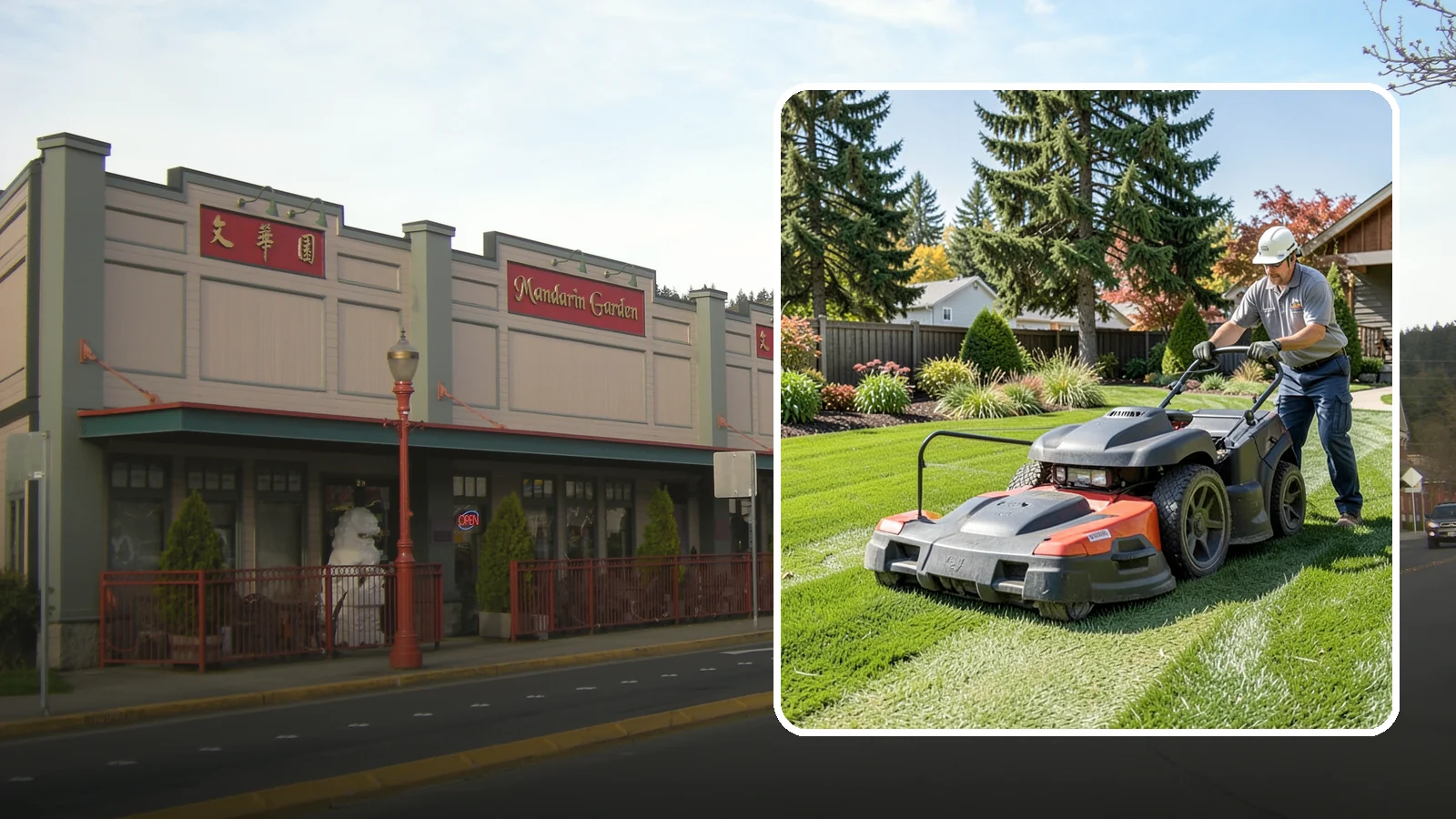
Issaquah nestles among Cougar Mountain, Squak Mountain, and the surrounding Alps in King County, and its wooded, foothill setting gives landscaping here a distinctly natural flavor. From Downtown and Gilman to the master-planned Issaquah Highlands, properties range from established lots to newer hillside homes, often bordered by greenbelts and slopes. With Lake Sammamish State Park and the Issaquah Salmon Hatchery nearby, homeowners frequently blend cultivated yards with the greenery all around them.
In Issaquah, landscaping often contends with slope, greenbelt edges, and the slightly cooler foothill climate, so drainage, erosion control, and native-friendly plantings are common themes. Highlands and hillside owners near Squak and Cougar Mountains tend to favor designs that fit the wooded terrain and manage runoff.
Site Conditions: With elevation nudging it into the cooler 8a-8b band, Issaquah carries rocky foothill soils that shed water quickly on the Alps’ slopes while staying damp in shaded hollows near the mountains. Terrain and tree cover swing sun exposure sharply from lot to lot.
Seasonal Considerations: Once the hillsides firm up in spring, planting, bed prep, and cleanup ramp up, and summer keeps growth going with watering through the dry weeks. Heavy leaf fall from the wooded surroundings defines autumn, and the cool, damp winters open a window for dormant pruning, drainage repairs, and mapping out next year’s slope projects.
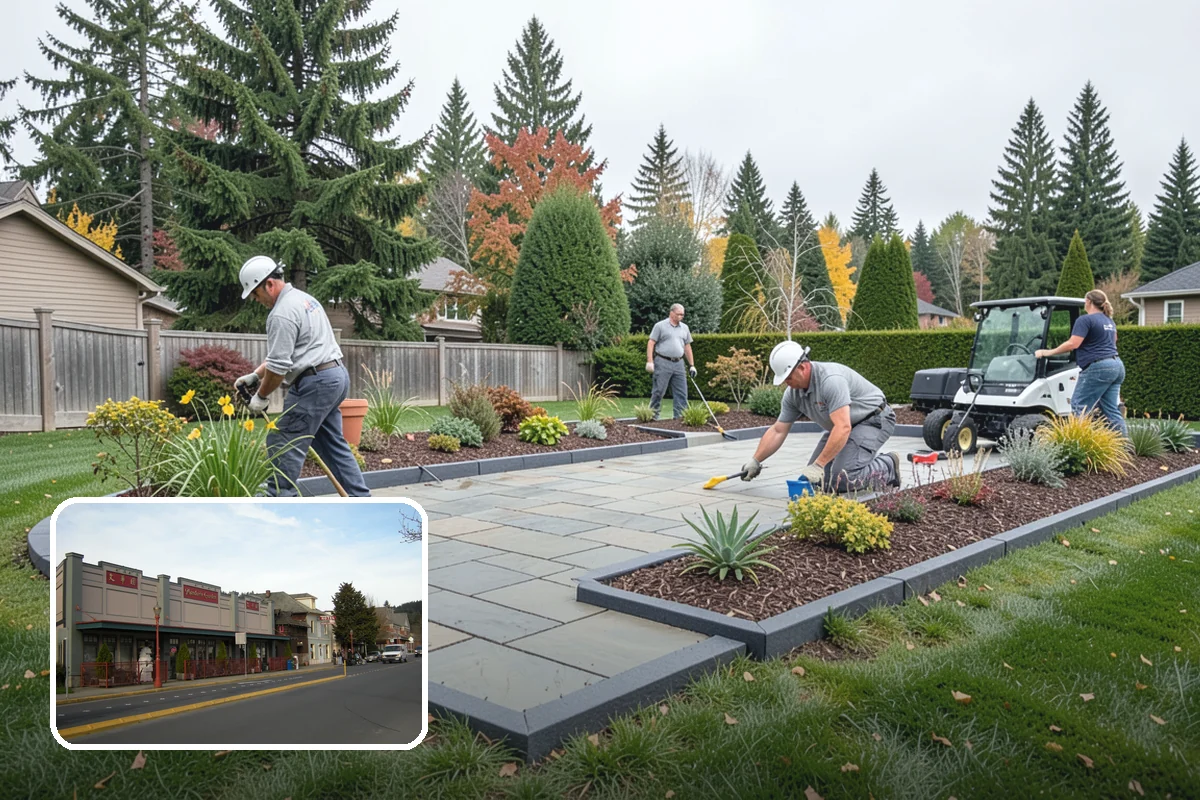
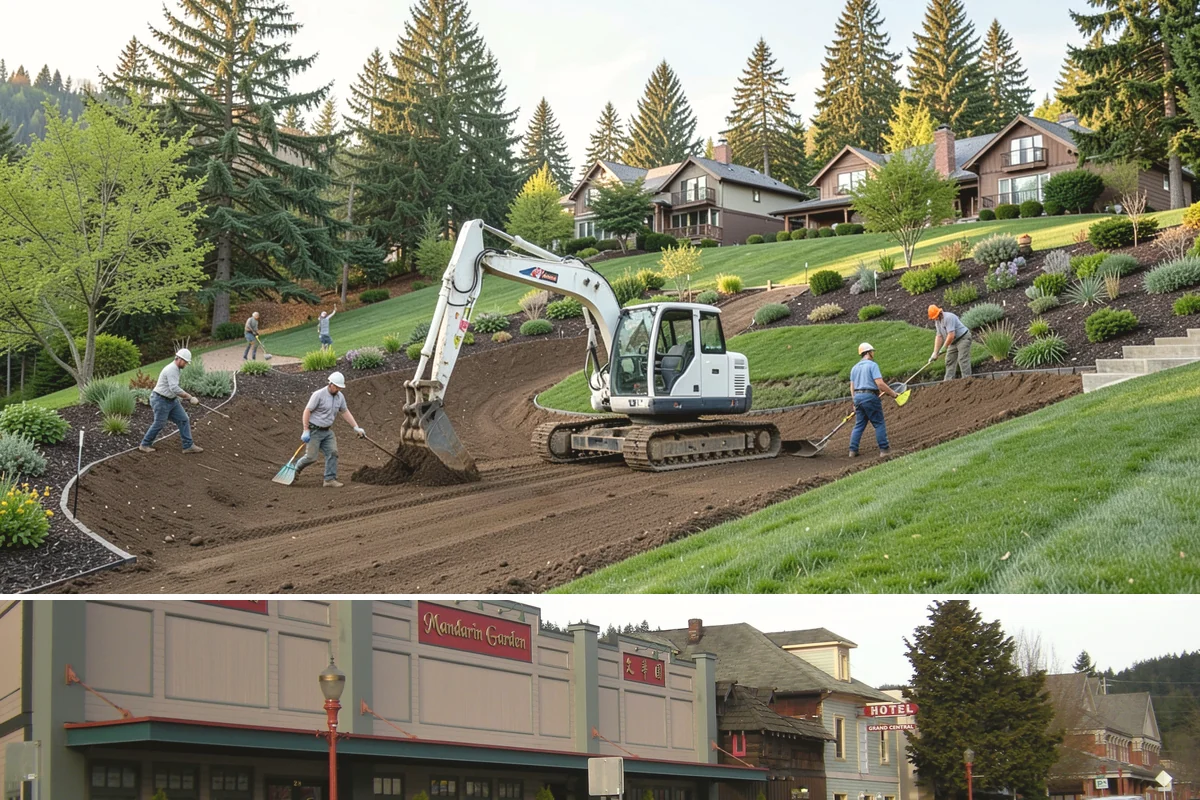
Common Project Types: Typical projects include retaining walls and terracing on slopes, drainage systems, patios and decks, privacy and greenbelt-edge plantings, and lawn work for single-family homes, townhomes, and condominiums. Erosion-control plantings and native gardens are frequent near the foothills.
Property Styles: Issaquah’s mix spans established Downtown lots, newer Highlands homes, and townhomes and condos, many on sloped or greenbelt-adjacent parcels. This variety rewards landscaping that manages grade and ties yards to the surrounding Alps.
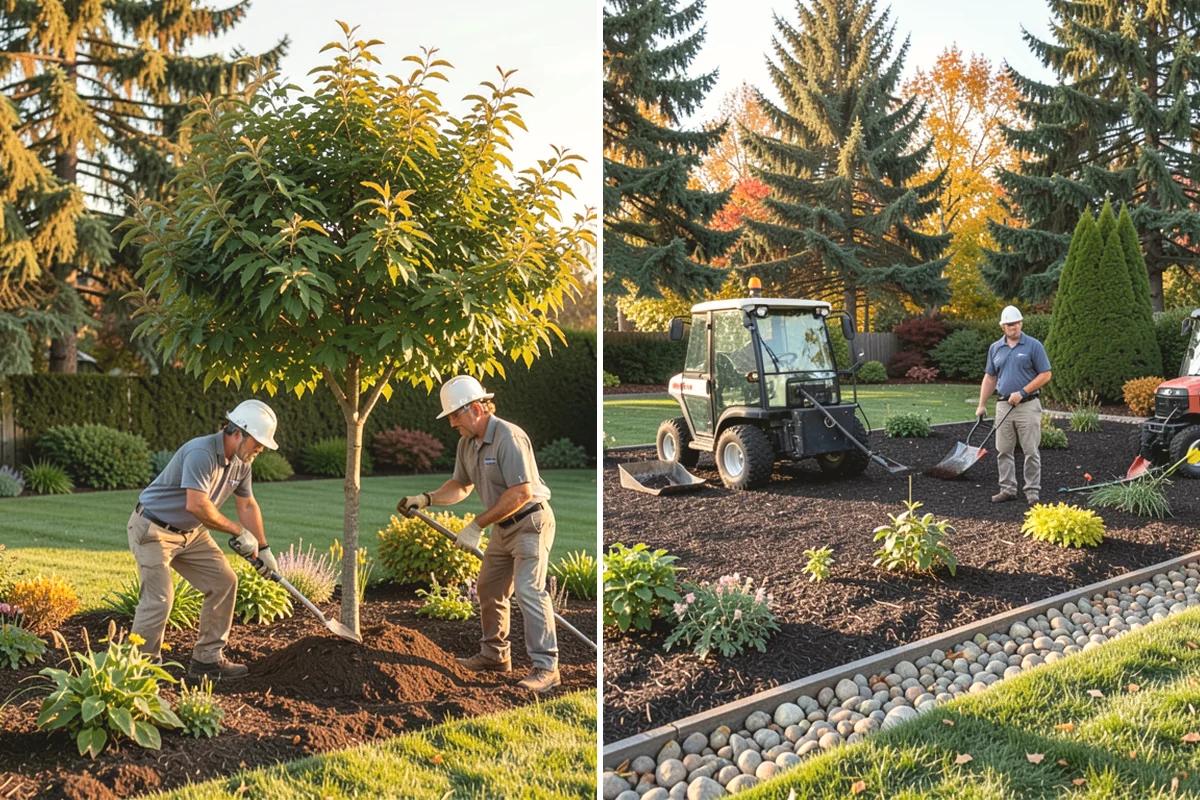
Local Materials & Plants: Foothill-suited selections such as vine maple, sword fern, salal, evergreen huckleberry, and rhododendrons thrive here, alongside tough perennials and groundcovers for slopes. Natural stone and boulders suit terracing, while bark mulch supports beds and erosion control.
Planning Your Project: Planning in Issaquah frequently addresses slope stability, drainage, and access on hillside or greenbelt lots, so grading and wall work are best scheduled for drier months. Staging on steep parcels needs early thought, and general local guidance is worth reviewing before significant earthwork near greenbelts.
Whether you’re terracing a hillside in the Highlands or refreshing a yard near Cougar and Squak Mountains, reach out to discuss your Issaquah property and shape a landscaping plan built for the foothills.