Shaping Your Outdoors. Surpassing Expectations.

Lake Stevens Irrigation Winterization

Sprinkler blowout and shutdown that clears water from lines to prevent freeze damage over winter.
You turn on the sprinklers in spring and find a geyser by the driveway, a cracked valve box, or zones that barely produce any pressure. Water left in irrigation lines over winter is the usual reason. It freezes, expands, and splits pipe, fittings and backflow parts.
Winterizing your system in Lake Stevens clears that water out before the cold arrives. Washington Landscaping can look over your system, explain what it needs, and give you a free estimate. Call or text 425-433-9444.
Why Lake Stevens irrigation systems need winterizing
Water expands when it freezes. Inside a rigid pipe or a plastic fitting, that expansion has nowhere to go, so something gives. Sprinkler heads, valves, the backflow preventer and shallow lateral lines are the usual weak points. The damage often stays hidden until the system is running again in spring.
How often freezing happens here
Per Daymet data for 2005-2025, the median date of the first fall frost (32 F) in Lake Stevens is November 10. That is a median, so frost can come earlier or later in a given year. Waiting for the first frost to schedule the work is a gamble. It is safer to book well before that date.
The same data shows about 41 nights a winter, October to April, that drop below freezing. It also shows about 40 days a year that freeze at night and thaw by day. Those repeated freeze and thaw cycles matter for irrigation. Water in a line can freeze, melt, and freeze again, and each cycle stresses fittings and exposed above-ground parts. These figures describe Lake Stevens as a whole. A yard in a low, open or shaded spot may see colder nights than the average.
What the work involves
The standard approach is to shut off the water supply to the system and drain or blow out the lines. Compressed air is commonly used to push water out of each zone, one at a time, until the heads run dry. The work also covers the parts that are most exposed to cold, such as the backflow preventer and any above-ground pipe. These can be insulated or protected as needed.
Winterizing is also a chance to spot trouble early. A head that is broken or a valve that leaks is easier to deal with in fall than in spring. Washington Landscaping has been in business since 2004 and offers free estimates. Call or text 425-433-9444 to set up a visit before the cold sets in.
Lake Stevens yard conditions at a glance
| Dry months (under 1.25 in) | July |
|---|---|
| Average yearly precipitation | 50.8 in |
| Last / first frost (median) | Mar 24 / Nov 10 |
| Days that freeze at night and thaw by day | 40 a year |
| Frost-free season | about 225 days |
A year in a Lake Stevens yard
- Late winter
- Dormant pruning for most deciduous trees and shrubs, before buds break.
- Spring
- Last frost is usually around Mar 24; in 1 year in 10 it comes on or after Apr 12. Plant frost-tender annuals and vegetables after that.
- Early summer
- Check sprinklers and drip lines before July, the start of the dry months here.
- Summer
- July average 0.7 in. Water deeply and less often; mulch beds to hold moisture.
- Fall
- Aerate, overseed and plant trees and shrubs while the soil is warm; first frost is usually around Nov 10. Winterize irrigation before then.
- Winter
- About 40 days a year freeze at night and thaw by day: keep drains, paver joints and wall weep holes clear.
Dates are medians for the city from Daymet 2005-2025; your yard and any given year can differ.
How Lake Stevens’s soils drain
- Well drained4%
- Moderately well88%
- Poorly drained8%
Share of rated land in the USDA SSURGO soil survey; built-over ground is not rated. A soil check on your lot tells you what you have.
Sources: Daymet daily weather (NASA/ORNL), 2023 USDA Plant Hardiness Zone Map data (PRISM, Oregon State University), USDA SSURGO soil survey, USGS 3DEP elevation, USFS/NLCD tree canopy 2025, US Census ACS 2020-2024.
Lake Stevens Irrigation Winterization
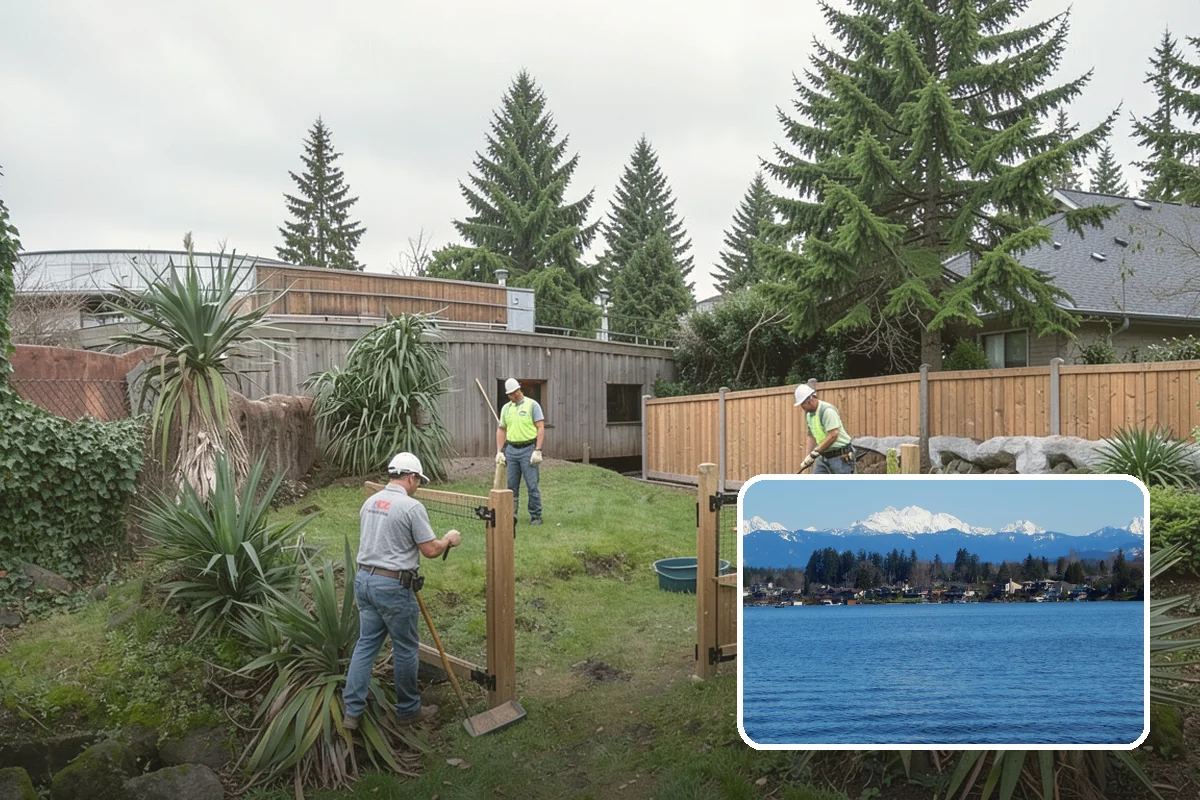
Local Service Information
Lake Stevens
A city surrounding the lake of the same name in central Snohomish County.
Benefits
Prevents freeze-cracked pipes and heads; Clears water from every zone; Protects valves and the backflow device; Avoids expensive spring repairs; Quick, inexpensive seasonal insurance
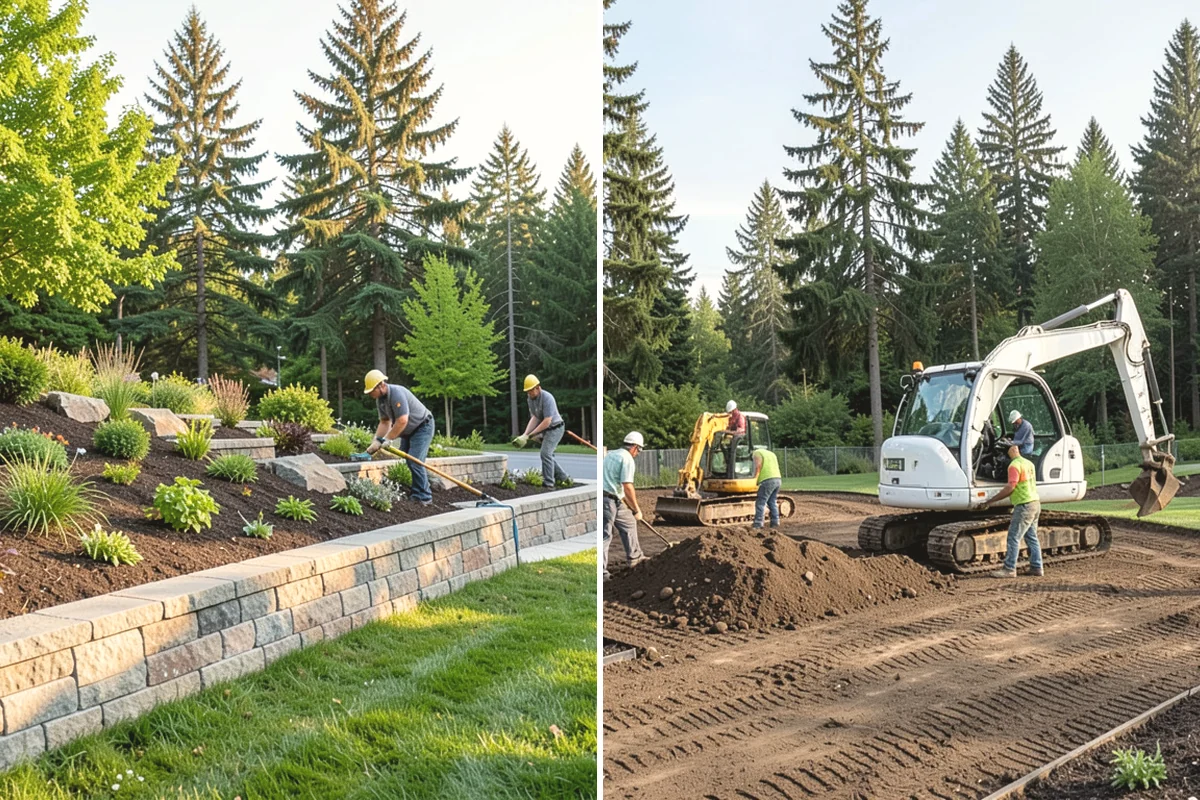
Process
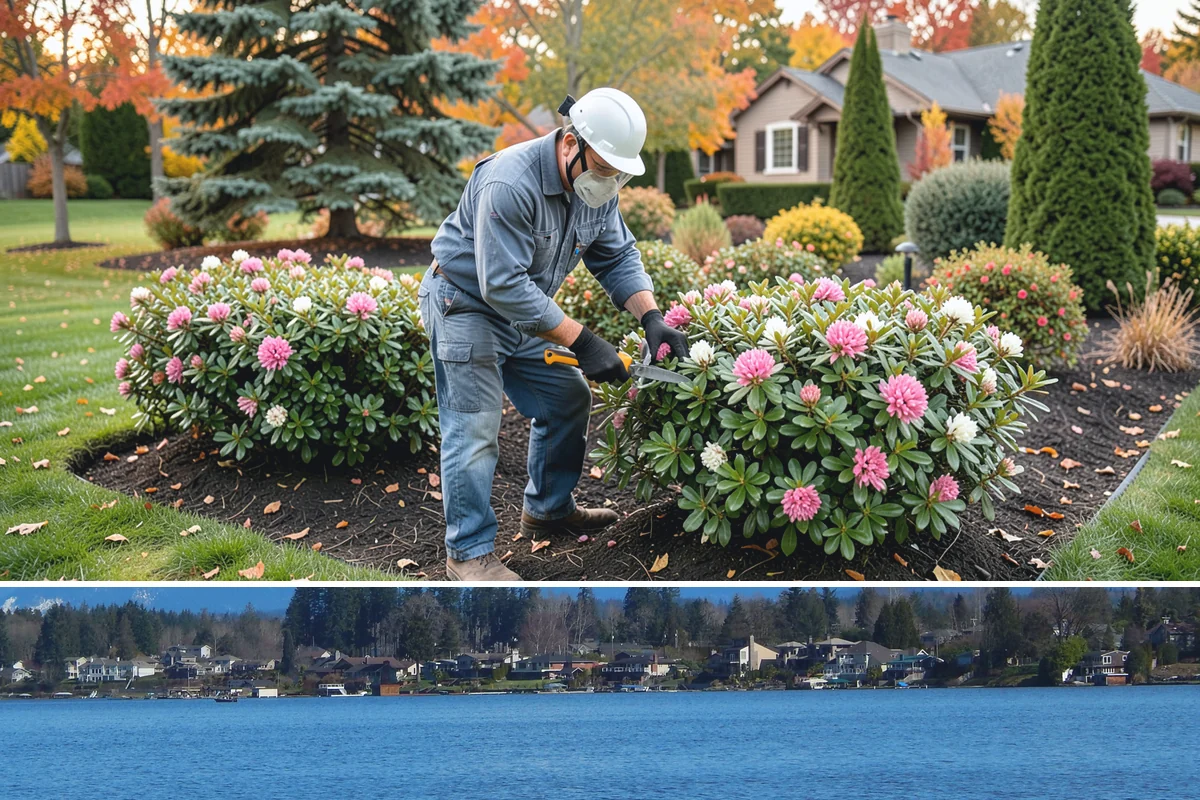
Irrigation Winterization in nearby areas
Also serving Lake Stevens
- Crawlspace Foundation in Lake Stevensat Washington Construction
Get a Free Irrigation Winterization Estimate in Lake Stevens
Tell us about your project. We’ll review your needs and provide a customized, no-obligation proposal.
Request a Free Consultation
Complete the form or call our team to discuss your project.
On-Site Assessment
We’ll review your property, discuss your goals, and recommend an appropriate solution.
Receive a Customized Proposal
Receive a detailed estimate outlining the proposed work and pricing.