Shaping Your Outdoors. Surpassing Expectations.

Lynnwood Landscape Renovation
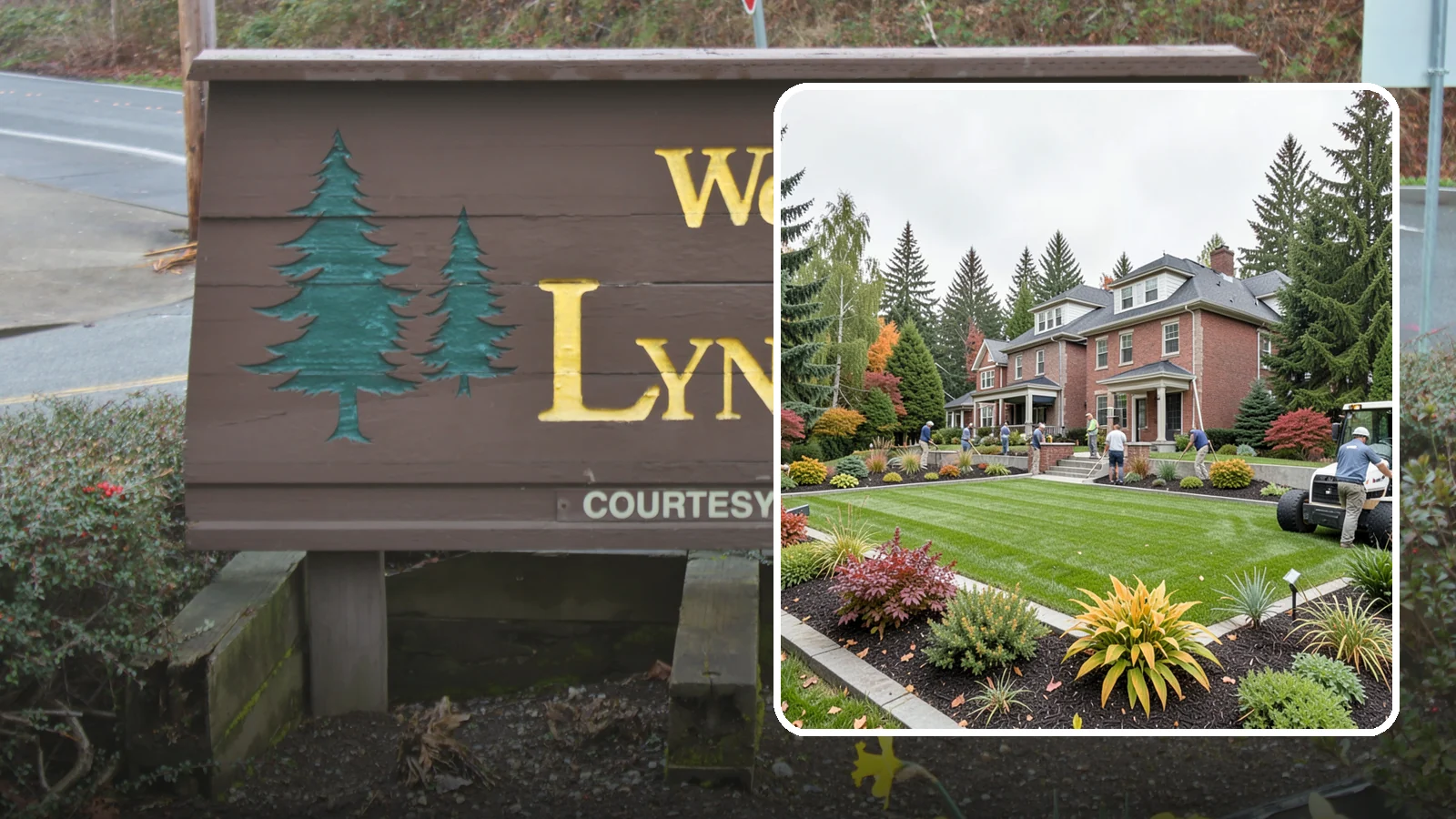
We reimagine and rebuild tired, overgrown yards into cohesive landscapes suited to the Pacific Northwest.
The beds are overgrown, the lawn is thin and patchy, and the shrubs planted years ago now block windows or crowd the walkway. Water pools in the same low spots after rain. You may not want to start over, but the yard no longer works the way it should.
Landscape renovation fixes what is already there. It can mean removing plants that have outgrown their place, correcting drainage, rebuilding beds and replanting. Washington Landscaping, based in Bothell, WA, offers free estimates for Lynnwood homeowners who want a plan before any work begins.
Why Lynnwood yards often need a renovation, not just upkeep
Most tired yards share a cause. Plants were chosen for how they looked at the nursery, not for how big they grow. Beds were never amended. Lawn was laid over compacted soil. After ten or twenty years, the layout no longer fits the house or the people using it.
Age of the housing matters here. Per the Census ACS 2020-2024, about 53% of Lynnwood housing units were built before 1980. That figure includes apartments and describes the city as a whole. But it suggests many single-family yards are decades old, with original plantings, aging edging and layouts nobody has revisited. Your own property may be different, so we look at what is actually there.
Soil is the next question. The USDA SSURGO survey rates about 3% of Lynnwood's rated land as well drained, 84% as moderately well drained and 13% as poorly drained. Across the city, then, most soil drains at a middling pace. A yard of your own may drain better or worse. Slow drainage is a common reason lawns thin out and shrubs decline, because roots sit wet through a Puget Sound winter. If a spot stays soggy, the fix may be regrading, adding drainage, amending the soil or choosing plants that tolerate wet ground. A permit check with the city comes first if the work involves grading or structures.
Climate affects plant choice too. The USDA lists Lynnwood as zone 9a, with an average coldest winter night of about 20.4 F, though parts of the city range from 8b to 9a. That gives you a broad palette, but a frost pocket in your yard could be colder than the map suggests.
A renovation usually starts with a walk through the yard, deciding what stays, what goes and what needs repair. Then comes clearing, soil work, drainage fixes, new beds, planting and mulch. Tell us what bothers you, and call or text 425-433-9444 to set up a free estimate. Financing is available, subject to credit approval.
Lynnwood yard conditions at a glance
| USDA hardiness zone (2023) | 9a (parts 8b to 9a) |
|---|---|
| Land sloping 15% or more | 8% (40% or more: 0.7%) |
| Soil drainage (rated land) | 3% well, 84% moderately well, 13% poorly drained |
| Tree canopy | 24.3% of the city |
| Single-family detached homes | 45% of housing |
A year in a Lynnwood yard
- Late winter
- Dormant pruning for most deciduous trees and shrubs, before buds break.
- Spring
- Last frost is usually around Mar 19; in 1 year in 10 it comes on or after Apr 4. Plant frost-tender annuals and vegetables after that.
- Early summer
- Check sprinklers and drip lines before July, the start of the dry months here.
- Summer
- July and August average 0.6 in and 1 in. Water deeply and less often; mulch beds to hold moisture.
- Fall
- Aerate, overseed and plant trees and shrubs while the soil is warm; first frost is usually around Nov 14. Winterize irrigation before then.
- Winter
- About 34 days a year freeze at night and thaw by day: keep drains, paver joints and wall weep holes clear.
Dates are medians for the city from Daymet 2005-2025; your yard and any given year can differ.
How Lynnwood’s soils drain
- Well drained3%
- Moderately well84%
- Poorly drained13%
Share of rated land in the USDA SSURGO soil survey; built-over ground is not rated. A soil check on your lot tells you what you have.
Sources: Daymet daily weather (NASA/ORNL), 2023 USDA Plant Hardiness Zone Map data (PRISM, Oregon State University), USDA SSURGO soil survey, USGS 3DEP elevation, USFS/NLCD tree canopy 2025, US Census ACS 2020-2024.
Lynnwood Landscape Renovation
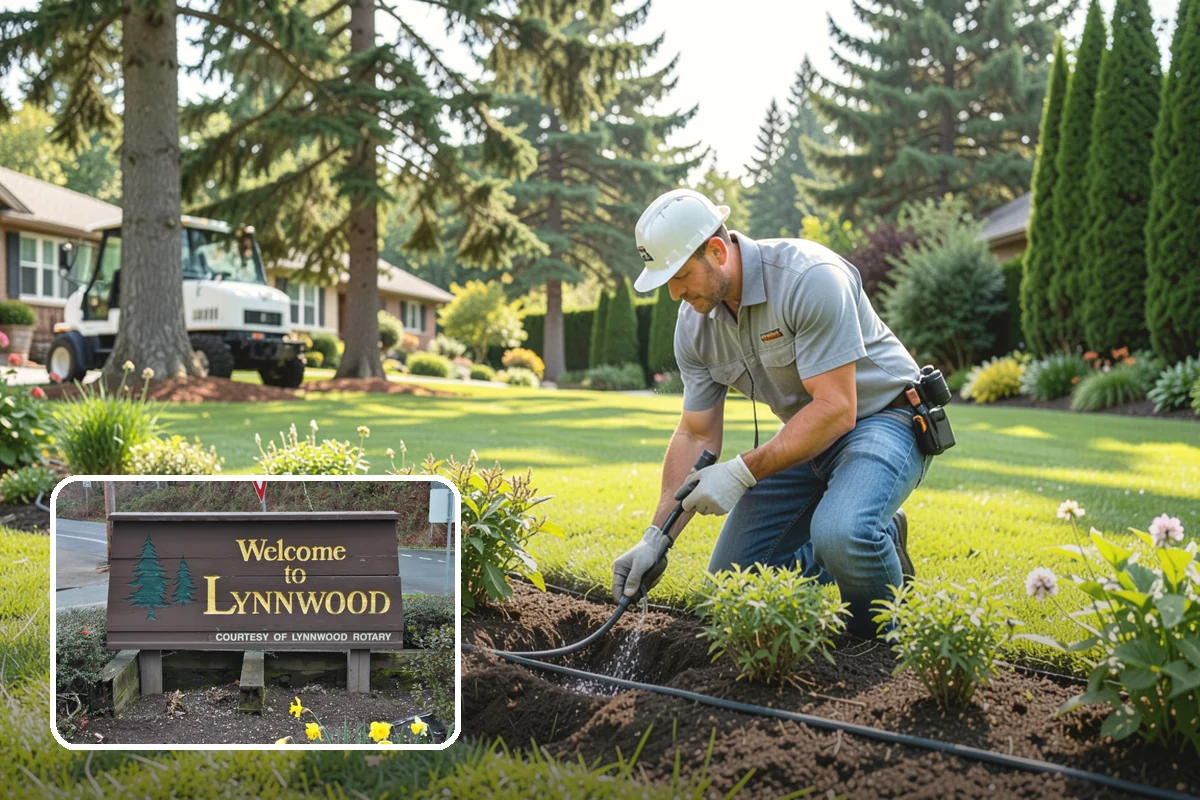
Local Service Information
Lynnwood
A commercial and residential hub in southwest Snohomish County near I-5 and I-405.
Benefits
Fresh, cohesive design that respects mature plantings; Removal of overgrown and failing vegetation; Drainage corrections for chronic wet spots; Regionally adapted, lower-maintenance plant choices; Renewed beds, edging, and mulch throughout
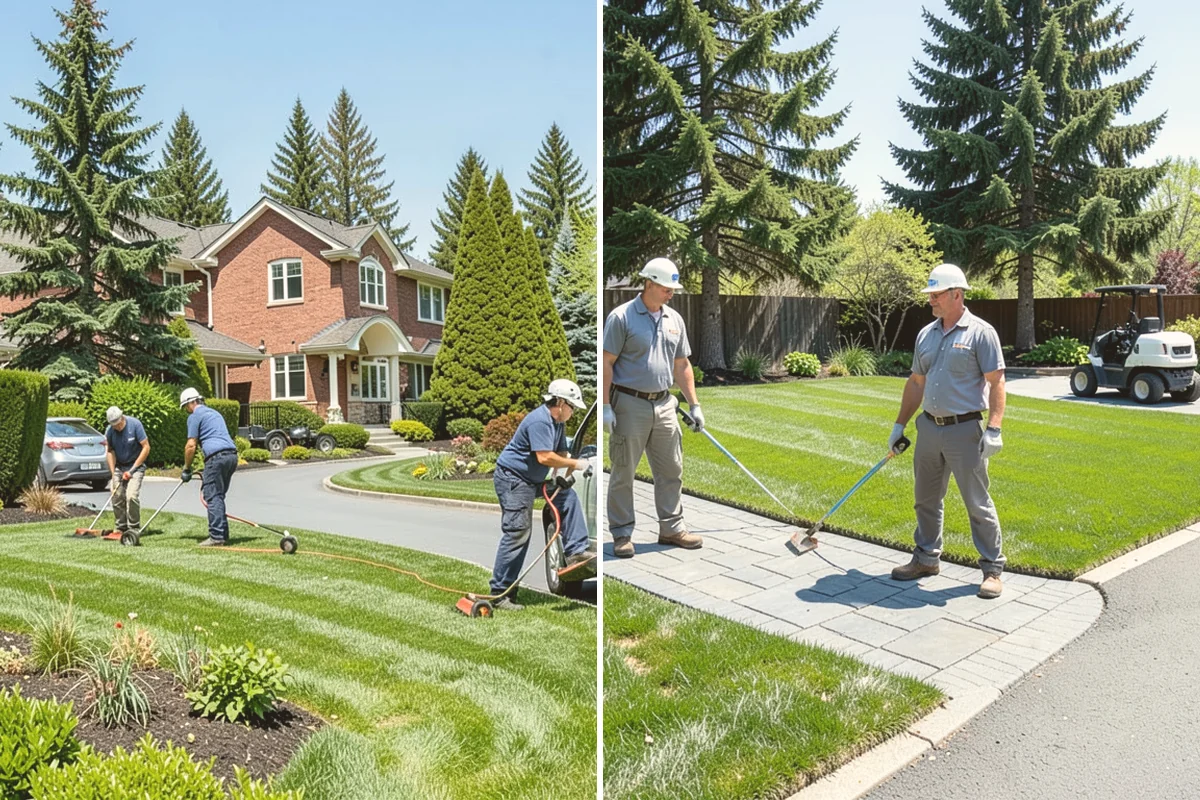
Process
Landscape Renovation in nearby areas
Also serving Lynnwood
- Home Remodeling in Lynnwoodat Washington Construction
- Stucco House Washing in Lynnwoodat Washington Pressure Washing
- Roof Overlay in Lynnwoodat Washington Roofing
Get a Free Landscape Renovation Estimate in Lynnwood
Tell us about your project. We’ll review your needs and provide a customized, no-obligation proposal.
Request a Free Consultation
Complete the form or call our team to discuss your project.
On-Site Assessment
We’ll review your property, discuss your goals, and recommend an appropriate solution.
Receive a Customized Proposal
Receive a detailed estimate outlining the proposed work and pricing.