Local Service Information
Pacific
A small city on the King and Pierce county line along the White River near Auburn and Sumner.
County: King County / Pierce County
ZIP Codes Served: 98047
Neighborhoods: Downtown Pacific; residential areas along the White River
Nearby Communities: Algona, Auburn, Sumner, Milton
Common Property Types: Predominantly single-family homes, with some townhomes and multifamily housing; commercial property includes small retail, civic, and light commercial buildings.
Local Tree & Landscape Notes: Common regional trees include Douglas fir, western red cedar, western hemlock, bigleaf maple, and red alder, alongside many ornamental species. Wet soils and dense canopy are common considerations for access and scheduling.
Permit Considerations: Permit requirements vary depending on tree size, species, protected areas, shoreline regulations, critical areas, and local municipal code. Always verify current requirements with the local jurisdiction before beginning work.
Climate: Marine west coast climate typical of the Puget Sound region: mild, wet winters and warm, relatively dry summers, with most rainfall from fall through spring. Occasional wind, snow, and ice events and seasonal soil saturation influence tree health and the timing of tree work.
Pacific sits right on the White River at the boundary of King and Pierce counties, and its landscaping reflects a compact, lowland valley community. Yards here are mostly single-family lots, many close to the river corridor, set on the mild, level ground typical of the Puget Sound lowlands shared with neighboring Algona and Auburn. Homeowners generally look for practical, welcoming landscapes that make small-town lots feel established, with lawns and borders that handle the valley’s steady moisture and gentle winters.
In Pacific, landscaping is usually approached with everyday livability in mind, since lots tend to be modest and close-knit near Downtown Pacific and the White River. With Algona, Auburn, and Sumner nearby, residents often favor low-maintenance plantings and durable surfaces that suit a working valley town and stay tidy through the wet season.
Site Conditions: Being a lowland river town, Pacific has generally flat terrain with soils that can hold moisture, particularly on parcels nearer the White River. The Puget Sound lowland setting brings mild winters and a long growing window, but poorly drained spots and a high water table can leave low areas soggy after heavy rain.
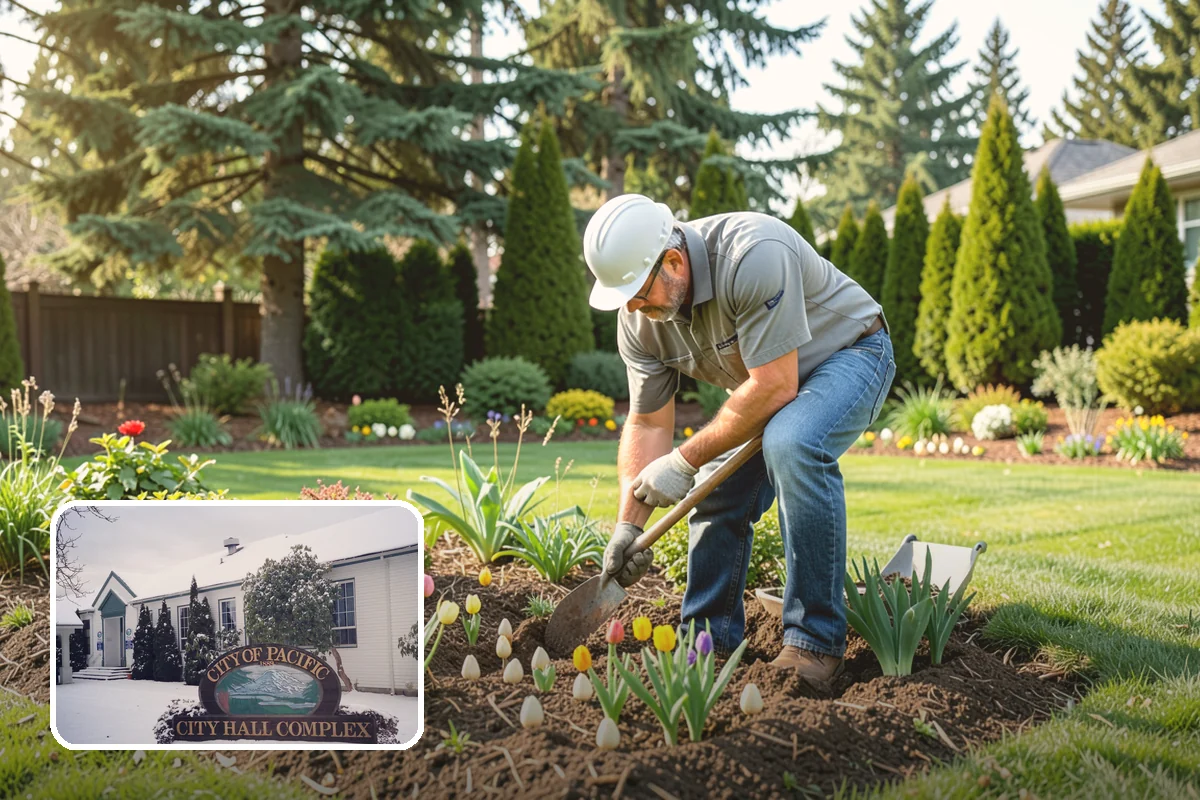
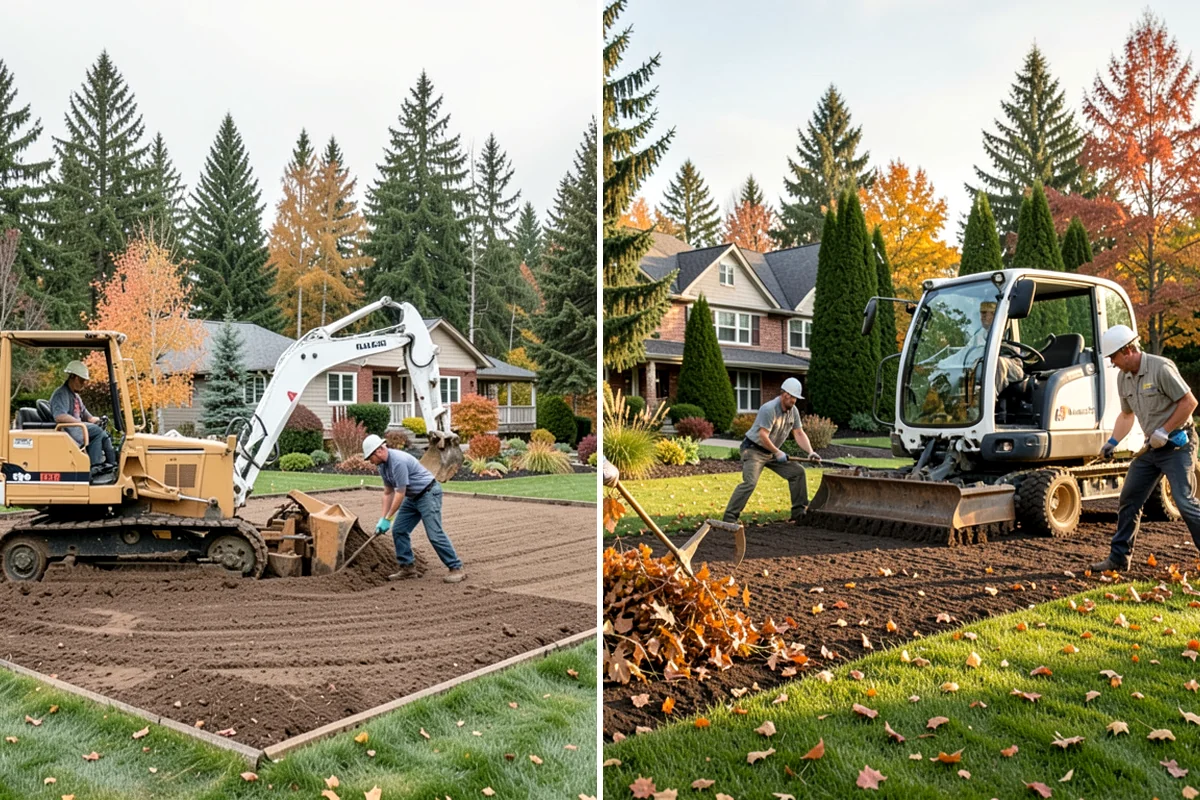
Seasonal Considerations: Wet winters and springs mean the ground stays saturated early in the year, so soil work is best timed for drier weather; the mild summers support strong lawn growth and new plantings with some irrigation. Autumn is ideal for overseeding, mulching, and clearing riverside debris before the rains return in earnest.
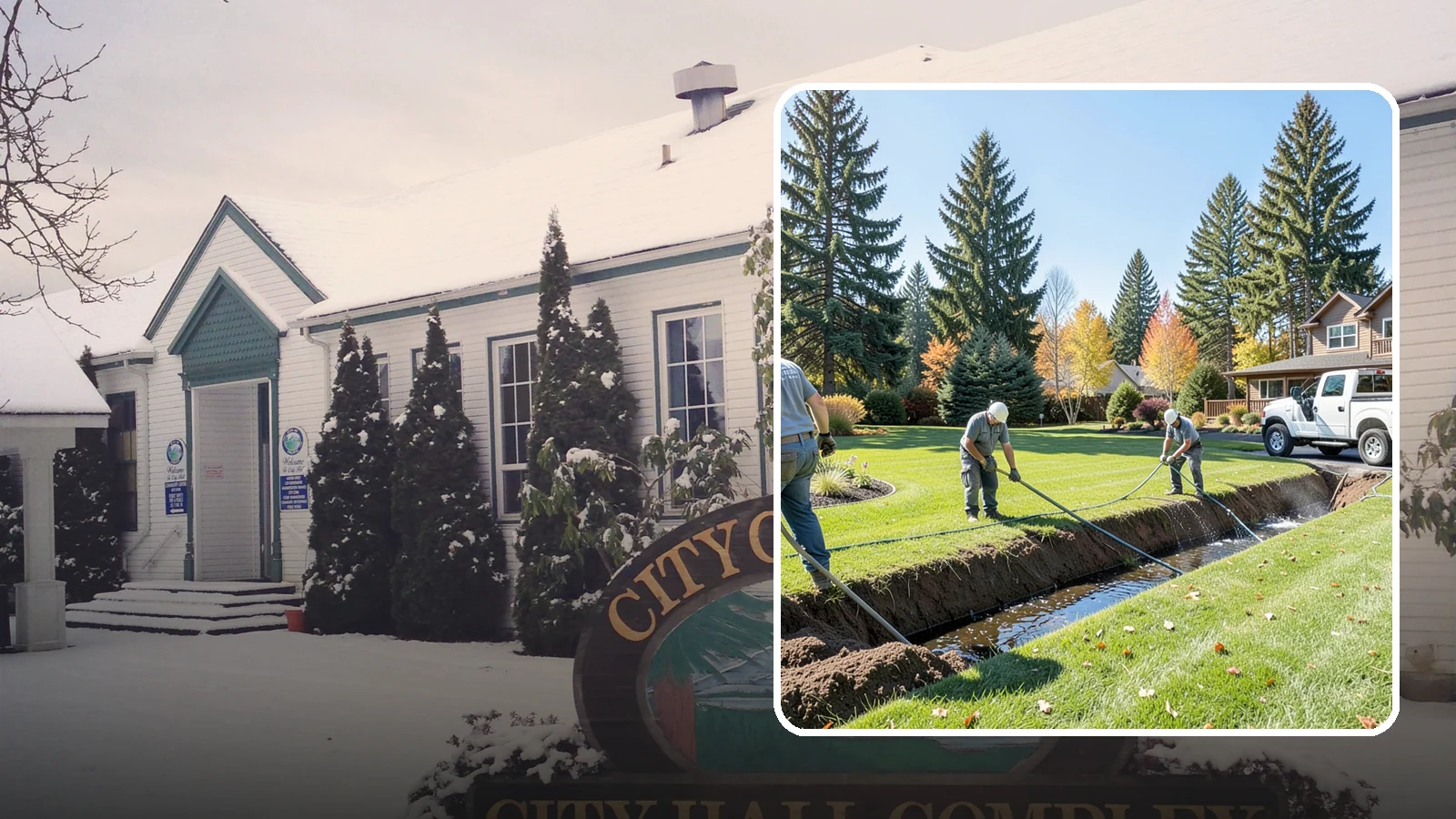
Common Project Types: Typical Pacific work includes lawn repair and renovation on smaller valley lots, tidy front-yard borders that lift curb appeal, gravel or paver walkways sized for compact parcels, and drainage fixes for low spots along the White River flats.
Property Styles: Homes are predominantly single-family on level, modest lots near the downtown grid, with a handful of townhomes and multifamily properties, so space-efficient layouts and simple, well-kept plantings tend to suit the neighborhood best.
Local Materials & Plants: Reliable lowland choices such as compact evergreen shrubs, hardy grasses, hydrangeas, and moisture-tolerant perennials pair nicely with bark mulch and permeable gravel, giving small valley yards a full, cared-for look without demanding constant upkeep.
Planning Your Project: Scheduling grading and planting for drier stretches avoids working saturated valley soil, and staging materials can be tighter on compact lots. For parcels along the White River, it is prudent to check access and general low-lying drainage considerations before larger projects begin.
When your Pacific yard is ready for a refresh that suits a compact river-valley lot, get in touch to plan lawns, borders, and paths built for the local lowland setting.