Shaping Your Outdoors. Surpassing Expectations.

Renton Garden Bed Renovation
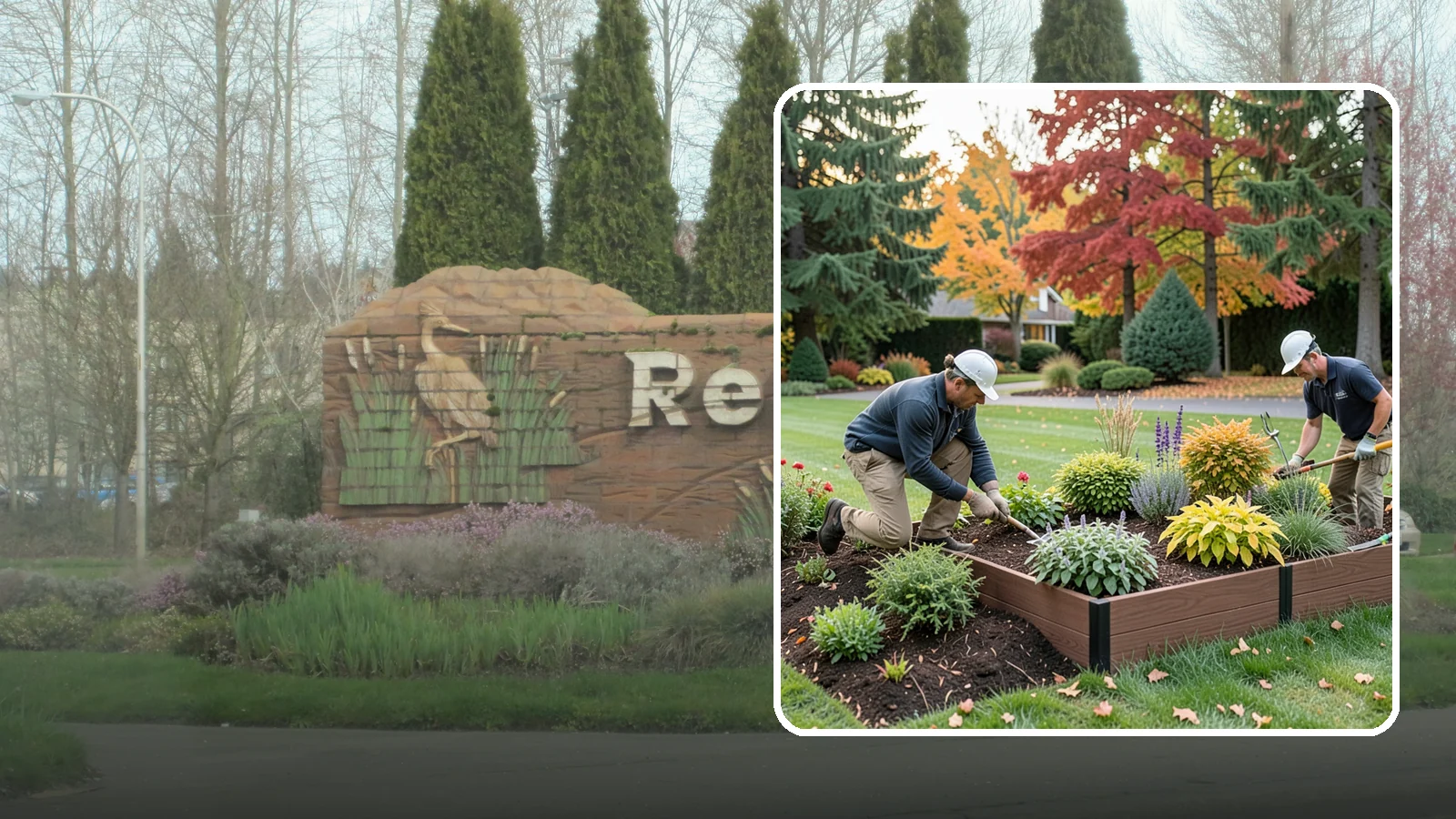
We rebuild tired, overgrown Puget Sound garden beds into healthy, well-drained planting spaces that thrive in the Pacific Northwest climate.
In Renton, garden bed renovation makes the most sense in early spring or in fall. The median last spring frost (32 F) falls on Mar 19, per Daymet data for 2005-2025. Frost can come earlier or later in a given year, so plan to set tender plants after that date and watch the forecast.
Renovation means clearing tired beds, fixing the soil, reshaping edges and replanting. Washington Landscaping, based in Bothell, WA, has been in business since 2004 and offers free estimates. This page explains how planning, soil and plant choices shape the work.
Planning a Garden Bed Renovation in Renton, WA
Start by deciding what the bed should do. Some beds need a full reset. Others only need weeds removed, edges redrawn and fresh plants added. That choice sets most of the scope.
Soil and drainage
Per the USDA SSURGO soil survey, about 23% of Renton's rated land is well drained, 65% is moderately well drained and 12% is poorly drained. Those figures describe the city as a whole. Your own yard may differ, even from one bed to the next. A simple check helps: dig a hole, fill it with water and see how long it takes to empty. If water lingers, the bed may need compost worked in, a raised profile or plants that tolerate wet roots.
Plant choices
The USDA hardiness zone for Renton is 9a, with an average coldest winter night of about 20.4 F (2023 USDA map, PRISM data). Parts of the city range from 8b to 9a. If your yard sits in a cooler pocket, choose plants rated for the colder zone to be safe. Check the plant tag against that range before you buy.
What affects scope
Several things change how much work a bed needs:
The size of the bed, how many old plants and roots must come out, how compacted the soil is, whether edging or mulch must be replaced, and how many new plants you want. Slopes and tree roots can also slow digging and limit where new plants can go.
What to expect
Work usually goes in order. Old growth and weeds come out first. Then the soil is loosened and amended. Plants are set out, edges are cut and mulch goes on top. Newly planted beds need regular watering through their first dry season. After the visit, we can talk through the estimate, which is free. Financing is available subject to credit approval. The company is licensed, bonded and insured ($2M).
Practical tip: before the estimate, walk your beds and take photos at the same time of day. Note which spots stay soggy after rain and which get full sun. That information helps shape the plant list and soil plan.
Renton yard conditions at a glance
| USDA hardiness zone (2023) | 9a (parts 8b to 9a) |
|---|---|
| Last / first frost (median) | Mar 19 / Nov 17 |
| Late last frost (1 year in 10) | on or after Apr 4 |
| Frost-free season | about 244 days |
| Dry months (under 1.25 in) | July and August |
| Soil drainage (rated land) | 23% well, 65% moderately well, 12% poorly drained |
A year in a Renton yard
- Late winter
- Dormant pruning for most deciduous trees and shrubs, before buds break.
- Spring
- Last frost is usually around Mar 19; in 1 year in 10 it comes on or after Apr 4. Plant frost-tender annuals and vegetables after that.
- Early summer
- Check sprinklers and drip lines before July, the start of the dry months here.
- Summer
- July and August average 0.5 in and 0.9 in. Water deeply and less often; mulch beds to hold moisture.
- Fall
- Aerate, overseed and plant trees and shrubs while the soil is warm; first frost is usually around Nov 17. Winterize irrigation before then.
- Winter
- About 29 days a year freeze at night and thaw by day: keep drains, paver joints and wall weep holes clear.
Dates are medians for the city from Daymet 2005-2025; your yard and any given year can differ.
How Renton’s soils drain
- Well drained23%
- Moderately well65%
- Poorly drained12%
Share of rated land in the USDA SSURGO soil survey; built-over ground is not rated. A soil check on your lot tells you what you have.
Sources: Daymet daily weather (NASA/ORNL), 2023 USDA Plant Hardiness Zone Map data (PRISM, Oregon State University), USDA SSURGO soil survey, USGS 3DEP elevation, USFS/NLCD tree canopy 2025, US Census ACS 2020-2024.
Renton Garden Bed Renovation
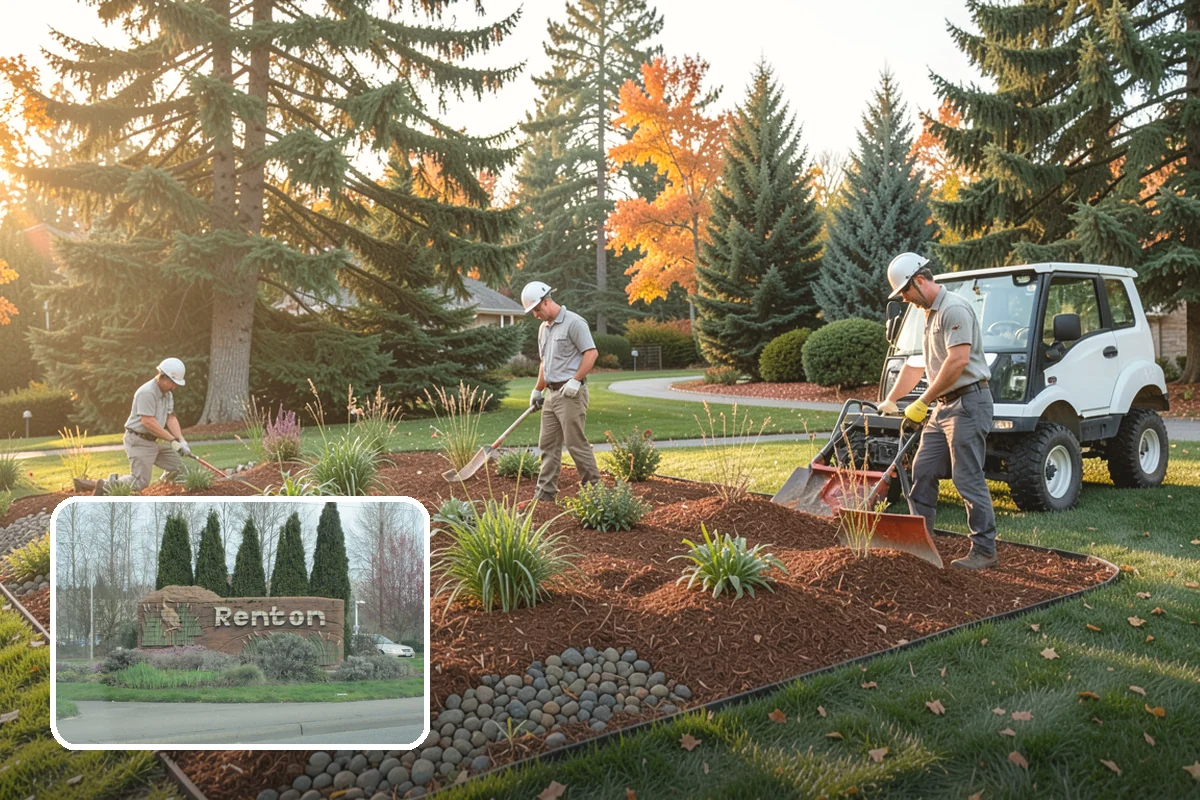
Local Service Information
Renton
A city at the south end of Lake Washington where the Cedar River meets the lake.
Benefits
Corrects drainage problems caused by compacted clay and steady rainfall; Replaces struggling or overgrown plants with PNW-appropriate selections; Restores soil fertility with compost and mineral amendments; Reduces moss, weeds, and liverwort recurrence; Improves curb appeal and property value

Process
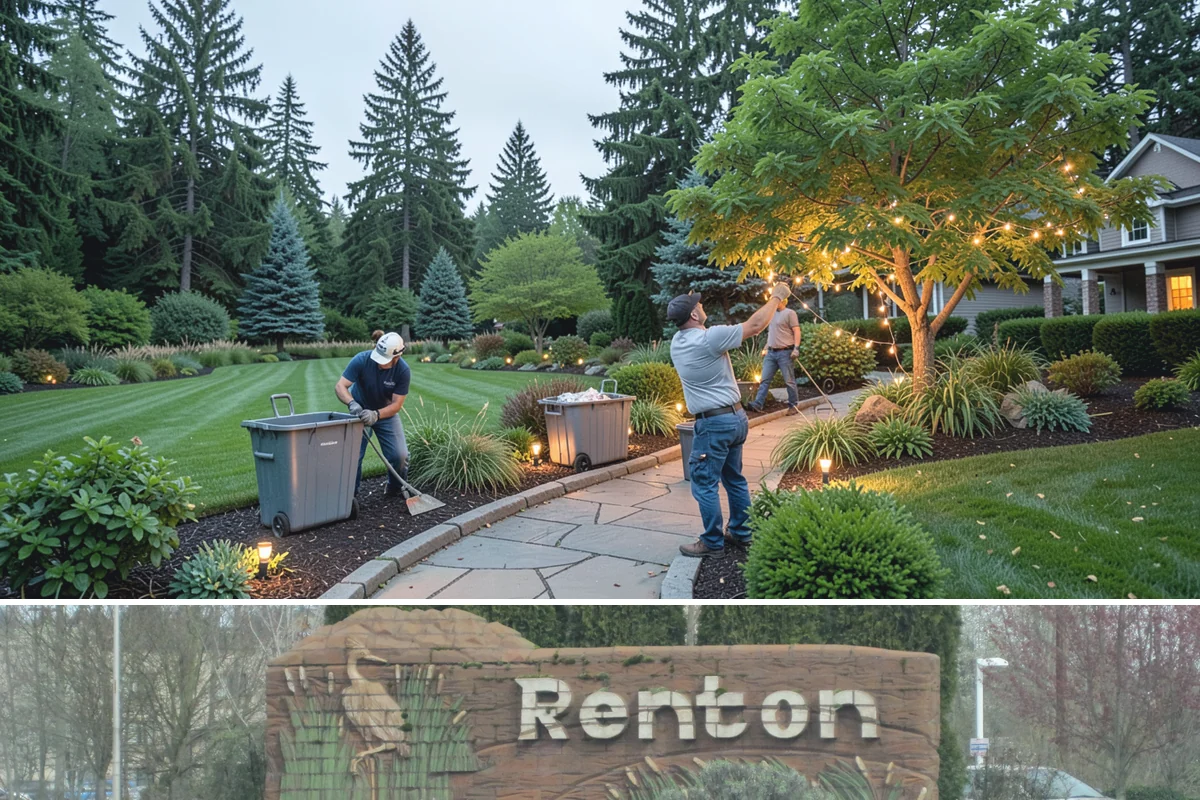
Get a Free Garden Bed Renovation Estimate in Renton
Tell us about your project. We’ll review your needs and provide a customized, no-obligation proposal.
Request a Free Consultation
Complete the form or call our team to discuss your project.
On-Site Assessment
We’ll review your property, discuss your goals, and recommend an appropriate solution.
Receive a Customized Proposal
Receive a detailed estimate outlining the proposed work and pricing.