Shaping Your Outdoors. Surpassing Expectations.

Renton Hedge Trimming
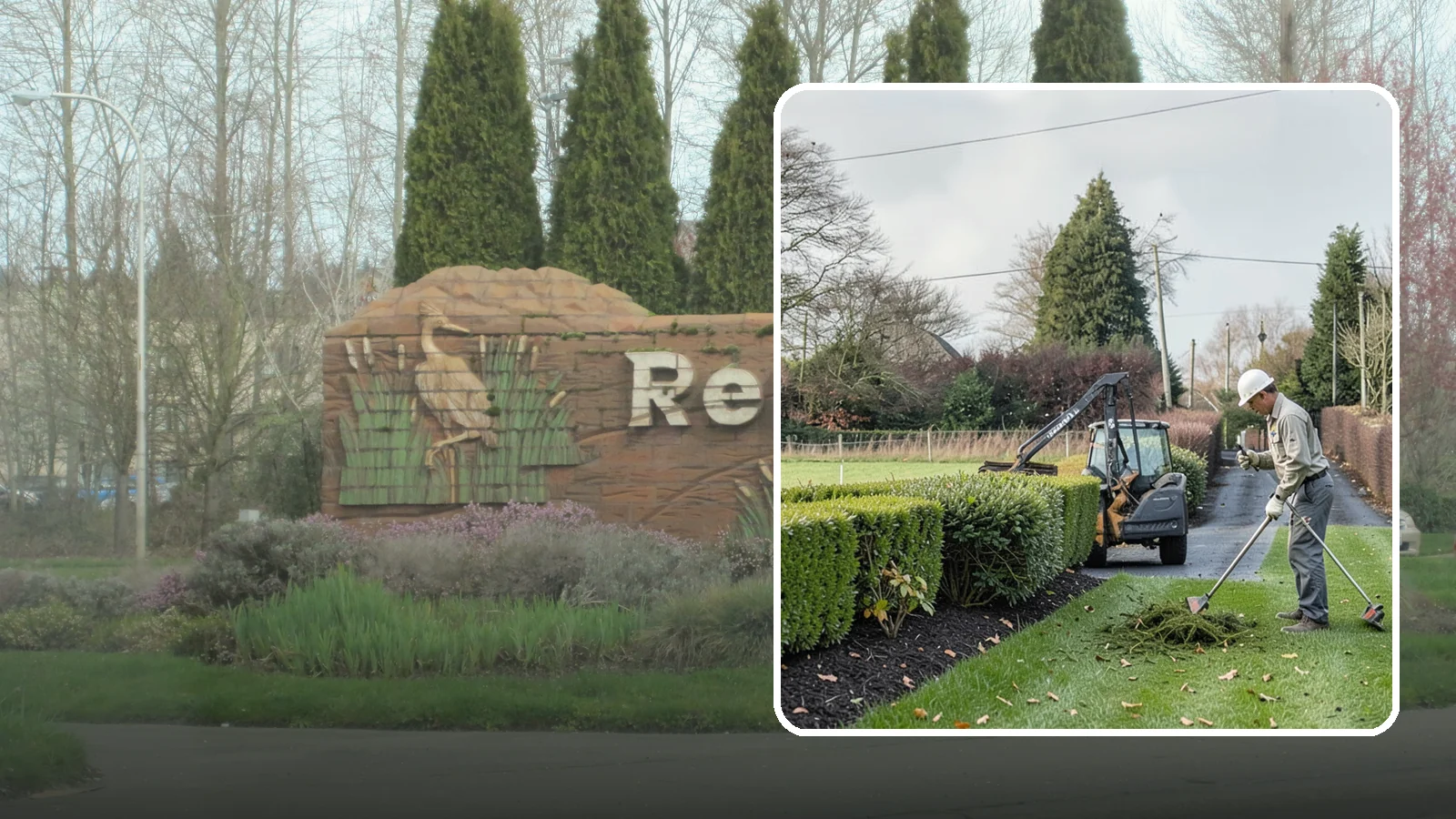
Precise hedge trimming that keeps hedges dense, healthy, and sharply shaped year after year.
The hedge along your driveway has crept into the walkway. Last year's tidy edge is now a shaggy wall, and the top has gone uneven. Some branches poke out at odd angles, and the inside looks thin and brown.
Washington Landscaping trims hedges in Renton, WA. We shape them to a clean line, take the growth back to a sensible size, and remove dead or tangled wood. An ISA Certified Arborist is on staff if a hedge needs a closer look. Estimates are free. Call or text 425-433-9444.
Why Renton hedges get overgrown and when to trim them
Hedges get shaggy because shrubs grow toward light. The tips get the most sun, so they put out the most new growth. If a hedge is only clipped lightly on the surface, the outer layer thickens while the inside gets shaded and goes bare. That is the thin, brown interior many homeowners find when a hedge has been left too long.
Renton's growing season is fairly long. The median last spring frost is Mar 19 and the median first fall frost is Nov 17, per Daymet data for 2005-2025. That gives about 244 frost-free days. Plants can keep growing for most of that stretch, so a hedge can need more than one trim a year. These dates are medians. Frost can come earlier or later in any given year, so we treat them as a guide, not a deadline.
The long season also affects timing. Trimming just before a frost can leave fresh, tender growth exposed, so late-season cuts are usually kept light. Heavy cuts are better done earlier, while the plant has time to recover. The right timing also depends on the species. Some shrubs flower on old wood, and cutting them at the wrong moment removes the blooms.
The work itself starts with looking at the hedge. We check the species, the height you want, and whether any wood is dead, crossed or diseased. Then we cut the sides and the top to a consistent line. A slight taper, with the base a little wider than the top, lets light reach the lower branches so they stay leafy. We also clear the walkway, the gutter line and any spot where branches touch the house or fence.
Hedges that have grown far past their size may need to be cut back in stages, not all at once. Some evergreens will not regrow from bare old wood, so a hard cut can leave permanent gaps. Our arborist can advise on what a particular hedge will tolerate. Your own yard's sun, soil and drainage may differ from the city as a whole, and that shapes how a hedge grows.
When the trimming is done, we clean up the clippings. For a free estimate, call or text 425-433-9444.
Renton yard conditions at a glance
| USDA hardiness zone (2023) | 9a (parts 8b to 9a) |
|---|---|
| Last / first frost (median) | Mar 19 / Nov 17 |
| Tree canopy | 25.2% of the city |
| Share of rain October to April | 82% |
| Dry months (under 1.25 in) | July and August |
A year in a Renton yard
- Late winter
- Dormant pruning for most deciduous trees and shrubs, before buds break.
- Spring
- Last frost is usually around Mar 19; in 1 year in 10 it comes on or after Apr 4. Plant frost-tender annuals and vegetables after that.
- Early summer
- Check sprinklers and drip lines before July, the start of the dry months here.
- Summer
- July and August average 0.5 in and 0.9 in. Water deeply and less often; mulch beds to hold moisture.
- Fall
- Aerate, overseed and plant trees and shrubs while the soil is warm; first frost is usually around Nov 17. Winterize irrigation before then.
- Winter
- About 29 days a year freeze at night and thaw by day: keep drains, paver joints and wall weep holes clear.
Dates are medians for the city from Daymet 2005-2025; your yard and any given year can differ.
Sources: Daymet daily weather (NASA/ORNL), 2023 USDA Plant Hardiness Zone Map data (PRISM, Oregon State University), USDA SSURGO soil survey, USGS 3DEP elevation, USFS/NLCD tree canopy 2025, US Census ACS 2020-2024.
Renton Hedge Trimming
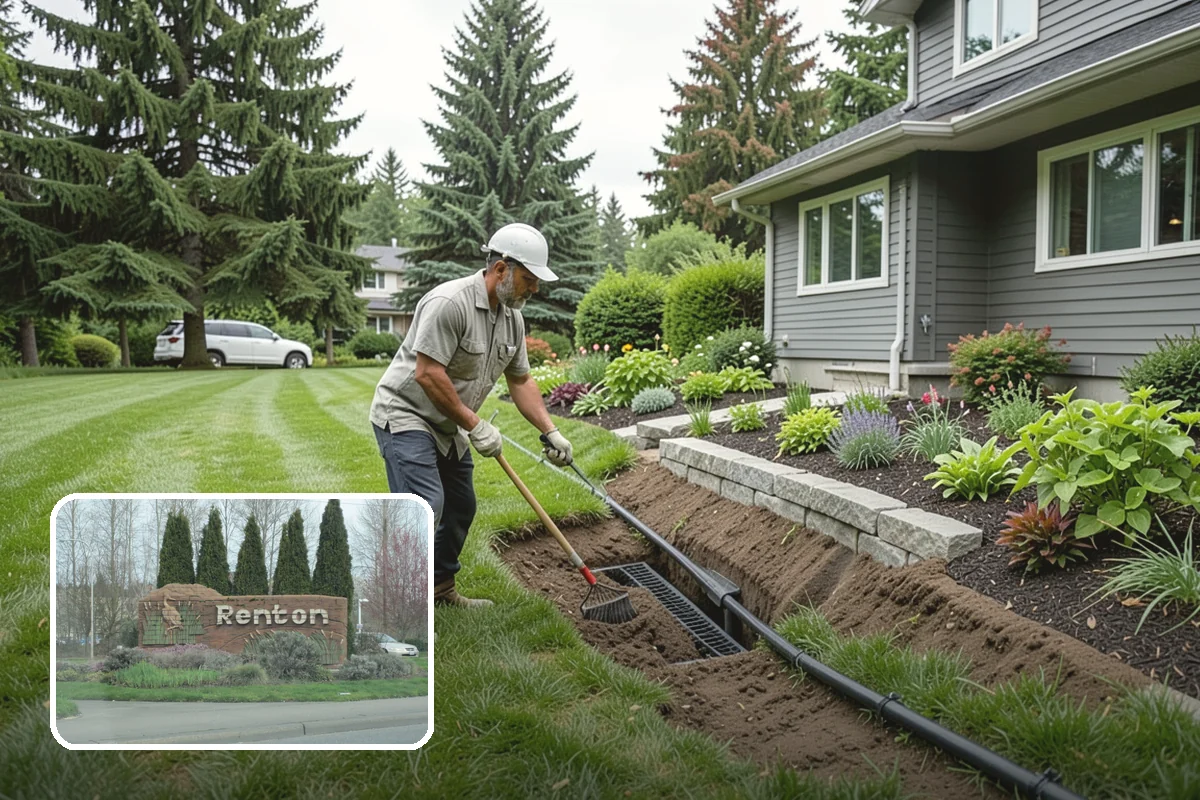
Local Service Information
Renton
A city at the south end of Lake Washington where the Cedar River meets the lake.
Benefits
Sharp, even faces and level tops; Dense growth from top to bottom; Cuts timed to species and season; Prevents bare, leggy lower growth; Instantly tidier property

Process

Also serving Renton
- Ivy removal from trees in Rentonat Washington Tree Services
Get a Free Hedge Trimming Estimate in Renton
Tell us about your project. We’ll review your needs and provide a customized, no-obligation proposal.
Request a Free Consultation
Complete the form or call our team to discuss your project.
On-Site Assessment
We’ll review your property, discuss your goals, and recommend an appropriate solution.
Receive a Customized Proposal
Receive a detailed estimate outlining the proposed work and pricing.