Shaping Your Outdoors. Surpassing Expectations.

Renton Soil Amendment
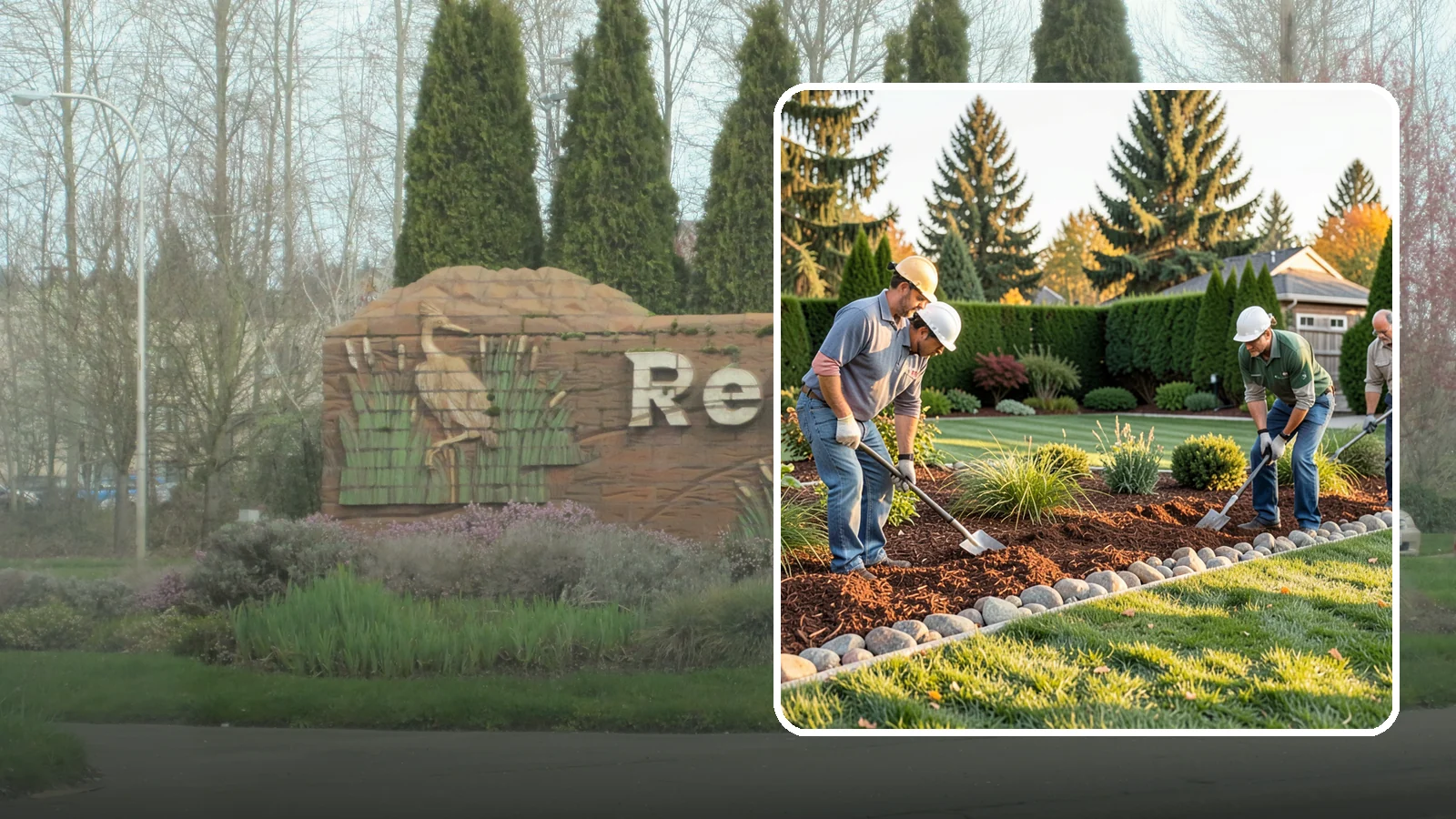
Soil conditioning that improves structure, drainage, and fertility so plants and lawns actually thrive.
Soil amendment is for Renton yards where plants struggle despite regular watering: lawns that stay soggy after rain, beds that dry into hard crust, or new planting areas where the soil is compacted from construction. It also suits anyone planning a new lawn, vegetable bed, or shrub border who wants to start with better ground.
Washington Landscaping has worked since 2004 and offers free estimates. We look at what your soil is doing first, then choose an amendment approach that fits the site and the plants you want to grow.
Soil Amendment Options for Renton Yards
There is no single right amendment. The choice depends on your soil, your drainage, and what you plan to grow. Here are the main approaches.
Compost worked into the topsoil
- Best for: compacted or thin soil in lawns and beds that drain acceptably.
- Why: compost adds organic matter, which improves structure and helps hold moisture and nutrients.
- Tradeoff: it will not fix a yard that stays waterlogged because of a restrictive layer below.
Compost mulch on top of established beds
Where shrubs and perennials are already growing, digging can damage roots. Spreading compost or mulch on the surface lets soil life draw it down over time. This is gentler, but slower.
Drainage-focused work
Per the USDA SSURGO soil survey, about 12% of Renton's rated land is poorly drained, while about 65% is moderately well drained and about 23% is well drained. That describes the city as a whole. Your own yard may differ, even from your neighbor's. If water pools for days, adding organic matter alone may not be enough. Grading, raised beds, or plant choices suited to wet soil may work better. On well drained ground, the priority is the opposite: building organic matter so the soil holds water through dry summers.
Timing
Renton's frost-free season runs about 244 days, from roughly March 19 to November 17 (a median, so frost can come earlier or later in a given year). That is a long window for amending beds before planting. Fall work lets the soil settle before spring. Spring work should wait until soil is workable and not saturated, since digging wet clay can compact it further.
Matching plants
Renton is in USDA zone 9a, with parts of the city at 8b. Zone affects which plants survive winter, but soil decides how well they establish. We can talk through plant choices with you during the estimate, and our ISA Certified Arborist can advise where tree roots are involved.
Renton yard conditions at a glance
| Tree canopy | 25.2% of the city |
|---|---|
| Land sloping 15% or more | 15% (40% or more: 3.5%) |
| Soil drainage (rated land) | 23% well, 65% moderately well, 12% poorly drained |
| Share of rain October to April | 82% |
A year in a Renton yard
- Late winter
- Dormant pruning for most deciduous trees and shrubs, before buds break.
- Spring
- Last frost is usually around Mar 19; in 1 year in 10 it comes on or after Apr 4. Plant frost-tender annuals and vegetables after that.
- Early summer
- Check sprinklers and drip lines before July, the start of the dry months here.
- Summer
- July and August average 0.5 in and 0.9 in. Water deeply and less often; mulch beds to hold moisture.
- Fall
- Aerate, overseed and plant trees and shrubs while the soil is warm; first frost is usually around Nov 17. Winterize irrigation before then.
- Winter
- About 29 days a year freeze at night and thaw by day: keep drains, paver joints and wall weep holes clear.
Dates are medians for the city from Daymet 2005-2025; your yard and any given year can differ.
How Renton’s soils drain
- Well drained23%
- Moderately well65%
- Poorly drained12%
Share of rated land in the USDA SSURGO soil survey; built-over ground is not rated. A soil check on your lot tells you what you have.
Sources: Daymet daily weather (NASA/ORNL), 2023 USDA Plant Hardiness Zone Map data (PRISM, Oregon State University), USDA SSURGO soil survey, USGS 3DEP elevation, USFS/NLCD tree canopy 2025, US Census ACS 2020-2024.
Renton Soil Amendment
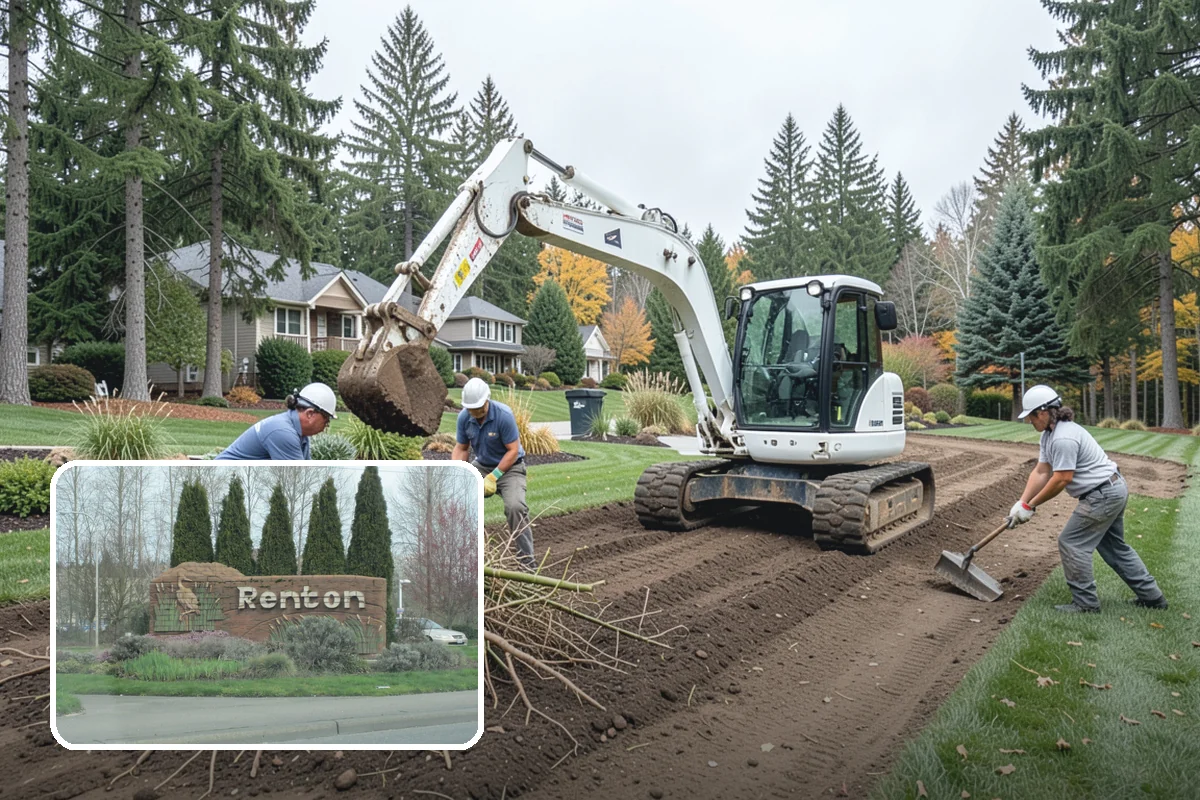
Local Service Information
Renton
A city at the south end of Lake Washington where the Cedar River meets the lake.
Benefits
Corrects the real limits on plant health; Better drainage and root aeration; Balanced fertility and pH; Prepares beds for strong establishment; Tailored to PNW acidic clay soils
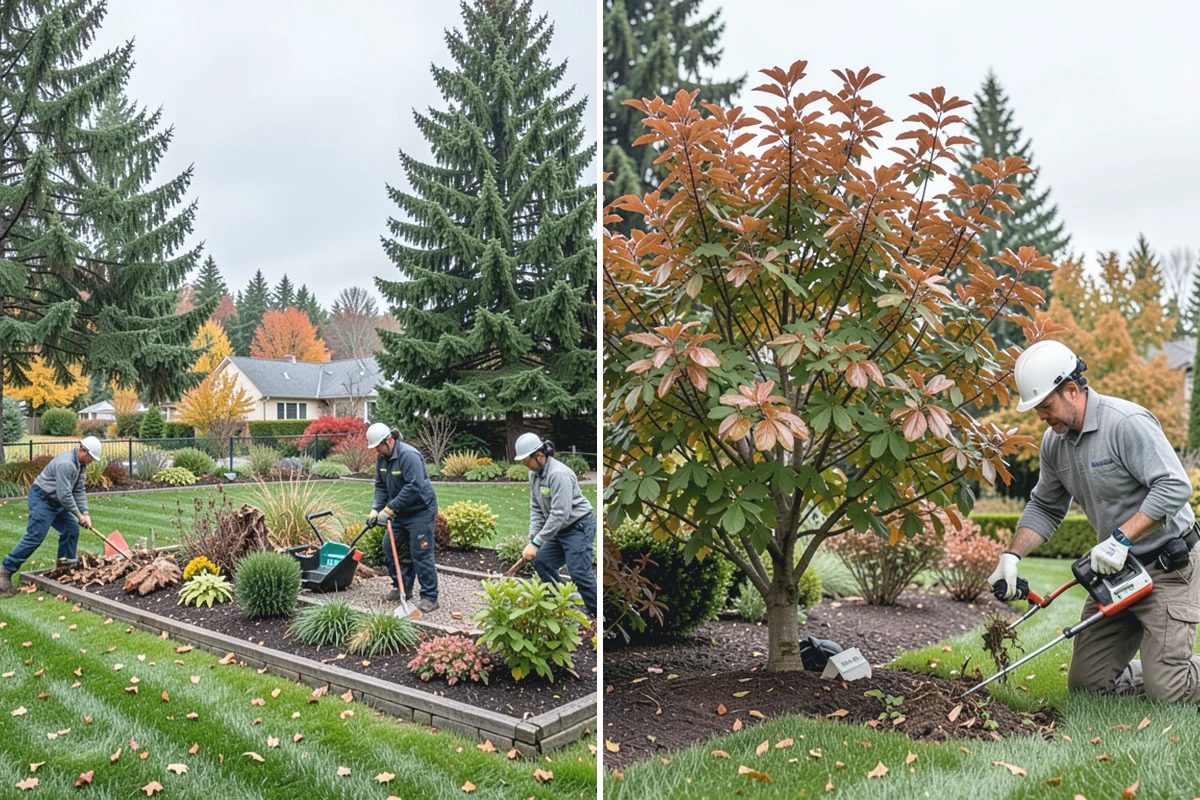
Process

Also serving Renton
- Green waste hauling in Rentonat Washington Tree Services
Get a Free Soil Amendment Estimate in Renton
Tell us about your project. We’ll review your needs and provide a customized, no-obligation proposal.
Request a Free Consultation
Complete the form or call our team to discuss your project.
On-Site Assessment
We’ll review your property, discuss your goals, and recommend an appropriate solution.
Receive a Customized Proposal
Receive a detailed estimate outlining the proposed work and pricing.