Shaping Your Outdoors. Surpassing Expectations.

Renton Tree Transplanting

Expert transplanting of young trees to a better spot with the root ball and timing to survive it.
When is the right time to move a tree in Renton? For most trees, the cooler, wetter months between fall and early spring. The tree is dormant or close to it, and the soil holds moisture, so the roots face less stress while they recover from being cut and lifted.
Washington Landscaping has an ISA Certified Arborist on staff, which helps when you are deciding whether a tree is a good candidate for moving at all. This page covers timing, preparation and aftercare for tree transplanting in Renton.
Timing a Tree Transplant in Renton, WA
Use the cool season, and watch the frost dates
Per Daymet data for 2005-2025, the median first fall frost in Renton is November 17. The median last spring frost is March 19. These are medians, so frost can come earlier or later in any given year. A practical window for moving many trees runs from after leaf drop in fall until buds swell in spring. A hard freeze right after a move can stress a freshly cut root system, so a plan should stay flexible if the forecast turns cold.
Plan for the dry summer after the move
Renton's driest months are July and August. Per Daymet, July averages about 0.54 in of rain and August about 0.93 in. A tree moved in fall or winter has only a few months to grow new roots before that dry stretch. Its first summer matters most. Expect to water deeply and regularly through July and August, because rain will not cover it. Mulch over the root zone, kept back from the trunk, helps hold moisture in the soil.
Decide if the tree is worth moving
Not every tree moves well. Size, species, health and how much root ball can be dug all affect the odds. Young, healthy trees usually handle it better than large, mature ones. Before any digging, an assessment should cover:
- The tree's health and structure
- The new planting spot, including sun, drainage and room to grow
- Access for digging and moving the root ball
- Overhead lines and underground utilities
Your own yard may drain and dry out differently from the rest of the city, so the new spot deserves a close look. Washington Landscaping offers free estimates, and you can call or text 425-433-9444 to start the conversation.
Renton yard conditions at a glance
| USDA hardiness zone (2023) | 9a (parts 8b to 9a) |
|---|---|
| Last / first frost (median) | Mar 19 / Nov 17 |
| Late last frost (1 year in 10) | on or after Apr 4 |
| Frost-free season | about 244 days |
| Dry months (under 1.25 in) | July and August |
| Soil drainage (rated land) | 23% well, 65% moderately well, 12% poorly drained |
A year in a Renton yard
- Late winter
- Dormant pruning for most deciduous trees and shrubs, before buds break.
- Spring
- Last frost is usually around Mar 19; in 1 year in 10 it comes on or after Apr 4. Plant frost-tender annuals and vegetables after that.
- Early summer
- Check sprinklers and drip lines before July, the start of the dry months here.
- Summer
- July and August average 0.5 in and 0.9 in. Water deeply and less often; mulch beds to hold moisture.
- Fall
- Aerate, overseed and plant trees and shrubs while the soil is warm; first frost is usually around Nov 17. Winterize irrigation before then.
- Winter
- About 29 days a year freeze at night and thaw by day: keep drains, paver joints and wall weep holes clear.
Dates are medians for the city from Daymet 2005-2025; your yard and any given year can differ.
How Renton’s soils drain
- Well drained23%
- Moderately well65%
- Poorly drained12%
Share of rated land in the USDA SSURGO soil survey; built-over ground is not rated. A soil check on your lot tells you what you have.
Sources: Daymet daily weather (NASA/ORNL), 2023 USDA Plant Hardiness Zone Map data (PRISM, Oregon State University), USDA SSURGO soil survey, USGS 3DEP elevation, USFS/NLCD tree canopy 2025, US Census ACS 2020-2024.
Renton Tree Transplanting
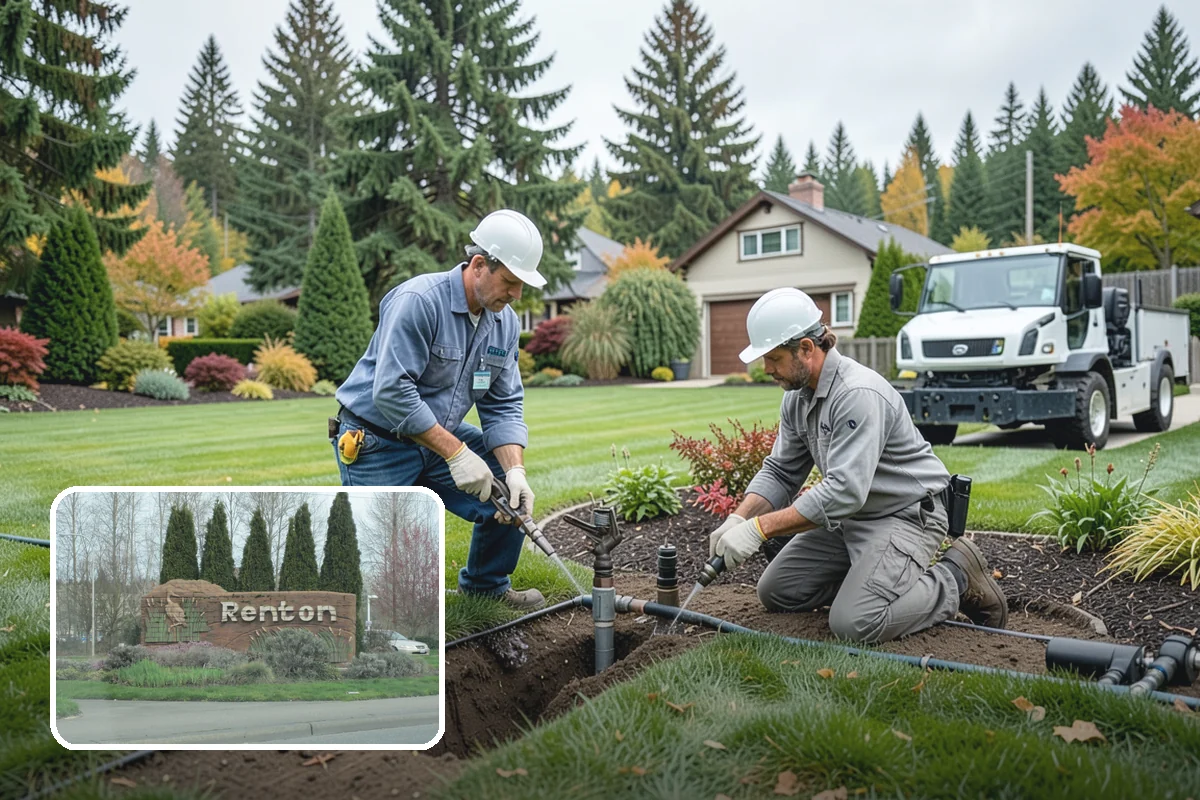
Local Service Information
Renton
A city at the south end of Lake Washington where the Cedar River meets the lake.
Benefits
Saves valuable young trees instead of losing them; Root ball sized for the tree’s survival; Optional season-ahead root pruning for larger stock; Replanted at proper depth with staking; Long PNW dormant season aids establishment
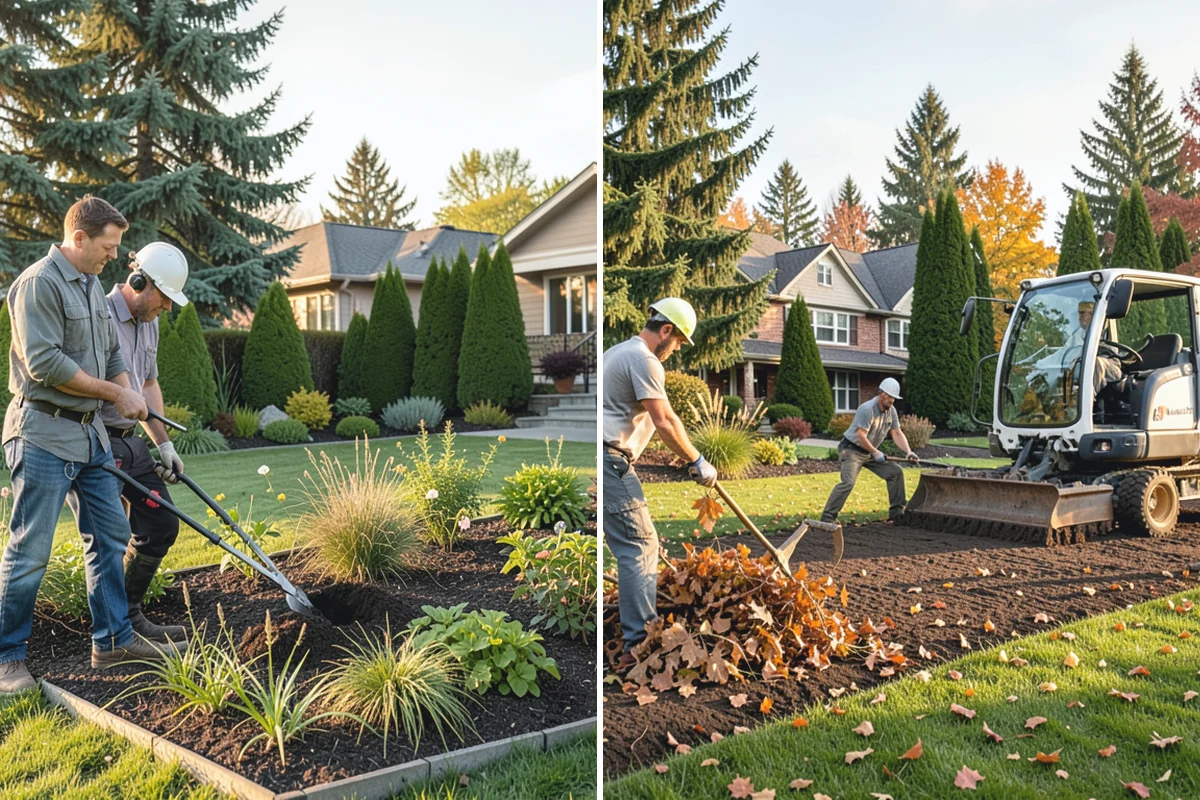
Process
Also serving Renton
- Root zone aeration in Rentonat Washington Tree Services
Get a Free Tree Transplanting Estimate in Renton
Tell us about your project. We’ll review your needs and provide a customized, no-obligation proposal.
Request a Free Consultation
Complete the form or call our team to discuss your project.
On-Site Assessment
We’ll review your property, discuss your goals, and recommend an appropriate solution.
Receive a Customized Proposal
Receive a detailed estimate outlining the proposed work and pricing.