Shaping Your Outdoors. Surpassing Expectations.

Renton Viburnum Pruning
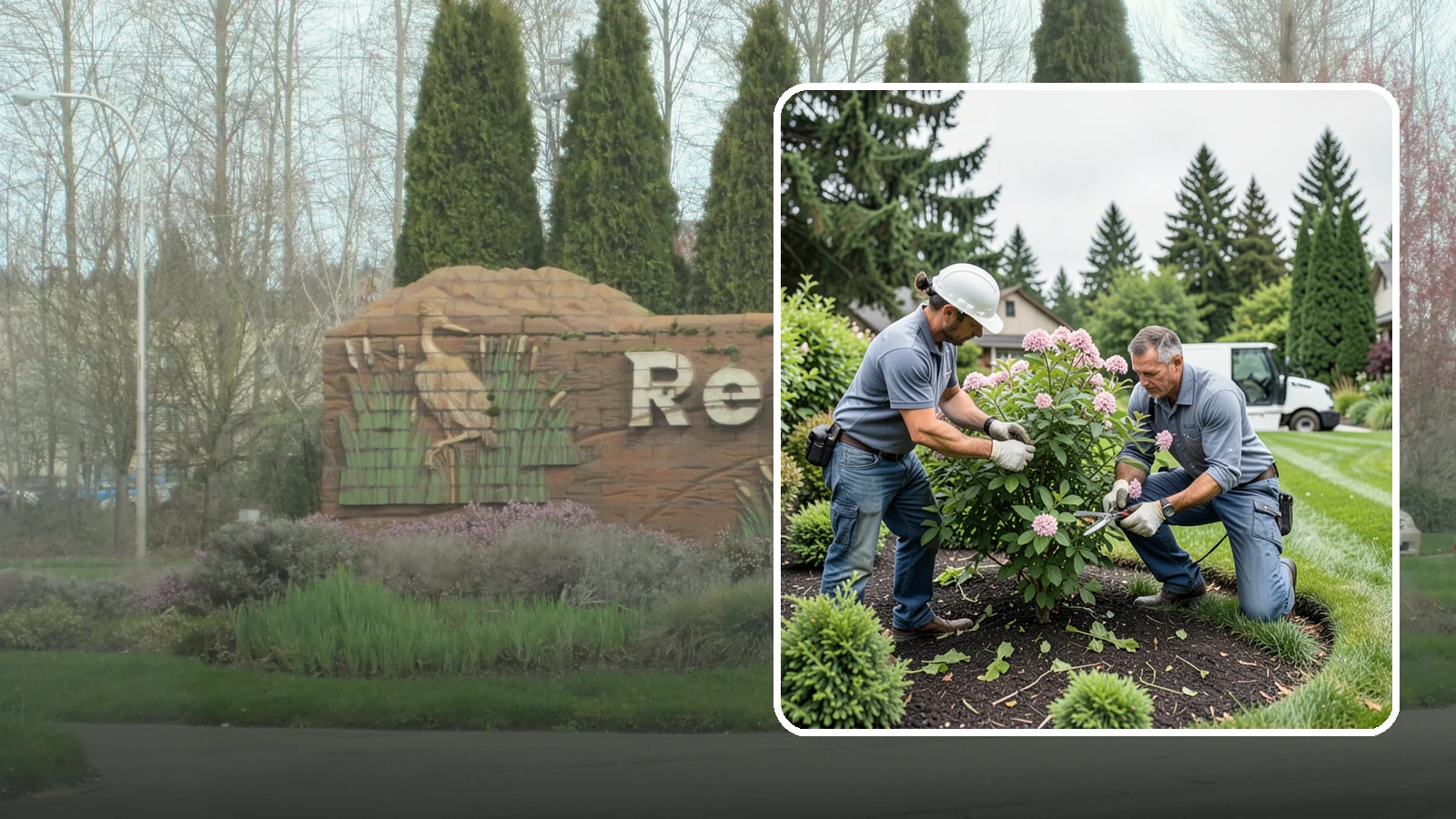
Bloom-timed pruning of viburnums that shapes the shrub, removes old wood, and protects flowers, fruit, and form.
This service is for Renton homeowners with viburnums that have outgrown their spot, gone leggy, crowded a path or window, or never got pruned on a schedule. It also suits people who are unsure when to cut, since timing depends on the species and when it flowers.
Washington Landscaping has an ISA Certified Arborist on staff and has been in business since 2004. We look at how your shrub grows, what you want from it, and choose a pruning approach to match. Estimates are free.
Viburnum Pruning Approaches for Renton Yards
There is more than one way to prune a viburnum. The right one depends on the shrub's size, its condition, and what you want from it. Here are the main options.
- Light shaping: trimming tips and stray branches to keep a healthy shrub tidy. Best for plants that are already the size you want.
- Thinning: removing selected older or crossing stems at the base or at a branch junction. This opens the shrub to light and air and keeps its natural form.
- Renewal pruning: taking out a portion of the oldest stems over a few seasons. Suited to overgrown, woody shrubs.
- Hard reduction: cutting back heavily to cut size. It is the most stressful on the plant, and some viburnums respond better than others.
Timing matters more than the tool
Many viburnums bloom on growth from the previous year, so the standard practice is to prune soon after flowering. Cutting in late winter can remove the buds that would have become flowers. Evergreen types are usually shaped lightly and not cut hard. If you are not sure which viburnum you have, we can identify it before any cuts are made.
What Renton's climate means for the work
Renton sits in USDA zone 9a, with parts of the city in 8b. Per the 2023 USDA map, the average coldest winter night is about 20.4 F. That is mild enough that most viburnums are not at risk from cold alone. Your own yard may be a degree or so different, especially in low spots.
The median last spring frost is March 19, based on Daymet data from 2005 to 2025. Frost can arrive earlier or later in any given year. New growth after pruning is tender, so heavy cuts are best not made right before a frost may come. Late-season pruning also pushes soft growth that can be nipped. The frost-free season runs about 244 days, from about March 19 to November 17 (median), which leaves plenty of time for a shrub to recover after a post-bloom cut.
Tell us what bothers you about the shrub, and we will recommend one of these approaches. Call or text 425-433-9444 for a free estimate.
Renton yard conditions at a glance
| USDA hardiness zone (2023) | 9a (parts 8b to 9a) |
|---|---|
| Last / first frost (median) | Mar 19 / Nov 17 |
| Tree canopy | 25.2% of the city |
| Share of rain October to April | 82% |
| Dry months (under 1.25 in) | July and August |
A year in a Renton yard
- Late winter
- Dormant pruning for most deciduous trees and shrubs, before buds break.
- Spring
- Last frost is usually around Mar 19; in 1 year in 10 it comes on or after Apr 4. Plant frost-tender annuals and vegetables after that.
- Early summer
- Check sprinklers and drip lines before July, the start of the dry months here.
- Summer
- July and August average 0.5 in and 0.9 in. Water deeply and less often; mulch beds to hold moisture.
- Fall
- Aerate, overseed and plant trees and shrubs while the soil is warm; first frost is usually around Nov 17. Winterize irrigation before then.
- Winter
- About 29 days a year freeze at night and thaw by day: keep drains, paver joints and wall weep holes clear.
Dates are medians for the city from Daymet 2005-2025; your yard and any given year can differ.
Sources: Daymet daily weather (NASA/ORNL), 2023 USDA Plant Hardiness Zone Map data (PRISM, Oregon State University), USDA SSURGO soil survey, USGS 3DEP elevation, USFS/NLCD tree canopy 2025, US Census ACS 2020-2024.
Renton Viburnum Pruning
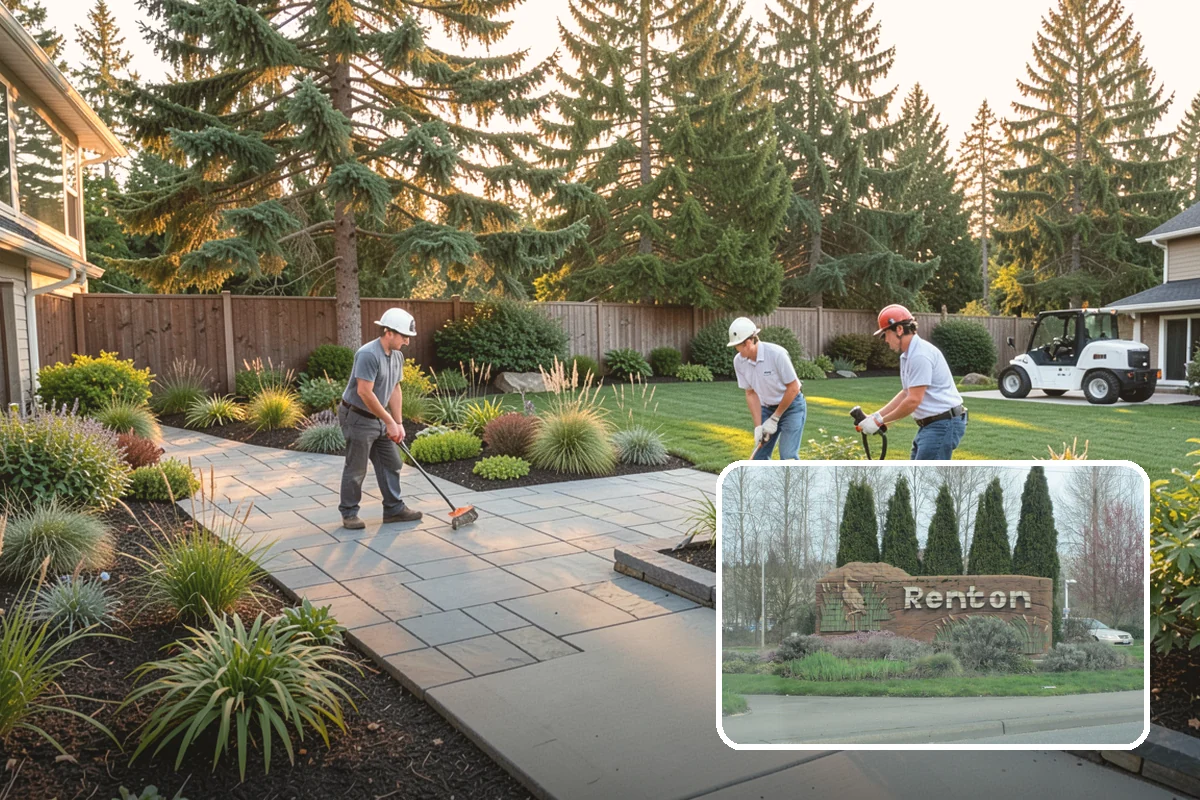
Local Service Information
Renton
A city at the south end of Lake Washington where the Cedar River meets the lake.
Benefits
Protects flowers and berry displays by pruning after bloom; Maintains natural form while controlling mature size; Improves airflow to reduce leaf spot and mildew in wet conditions; Removes dead, weak, and crossing wood for plant health; Renews aging shrubs through selective old-wood removal
Process

Also serving Renton
- Shrub pruning in Rentonat Washington Tree Services
Get a Free Viburnum Pruning Estimate in Renton
Tell us about your project. We’ll review your needs and provide a customized, no-obligation proposal.
Request a Free Consultation
Complete the form or call our team to discuss your project.
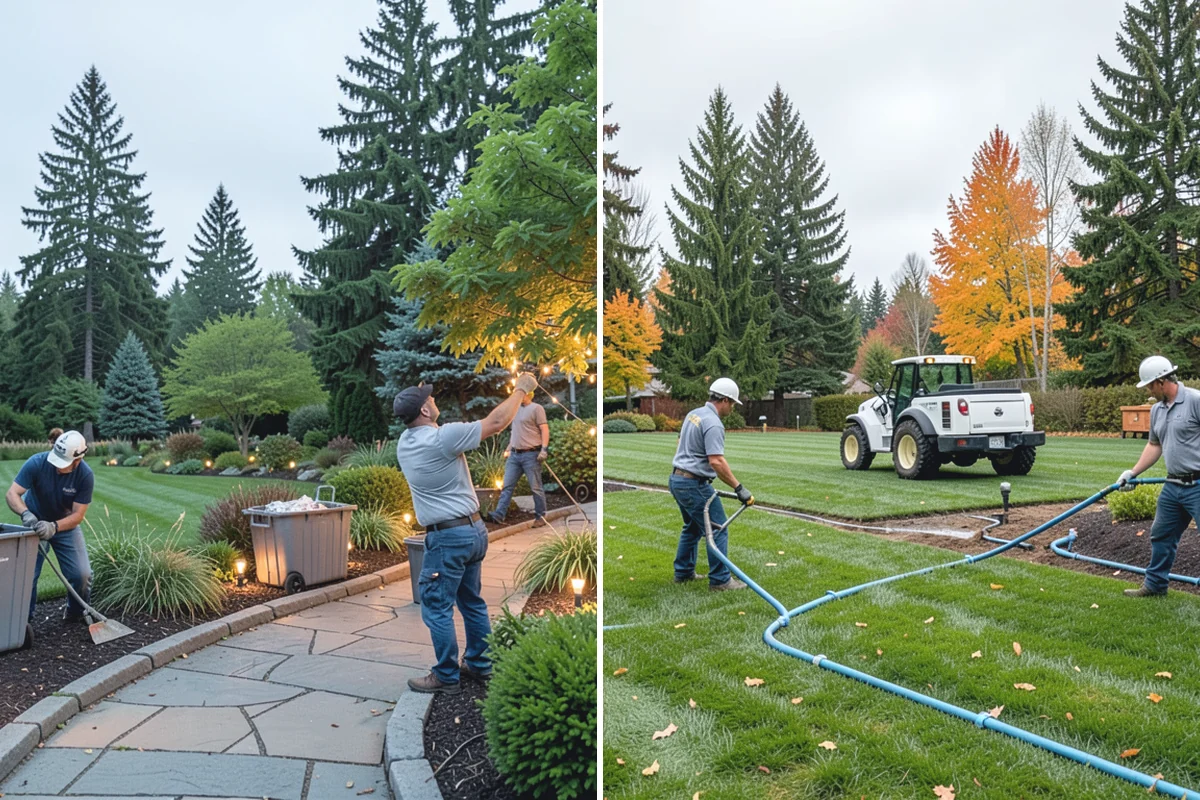
On-Site Assessment
We’ll review your property, discuss your goals, and recommend an appropriate solution.
Receive a Customized Proposal
Receive a detailed estimate outlining the proposed work and pricing.