Shaping Your Outdoors. Surpassing Expectations.

Renton Weed Removal
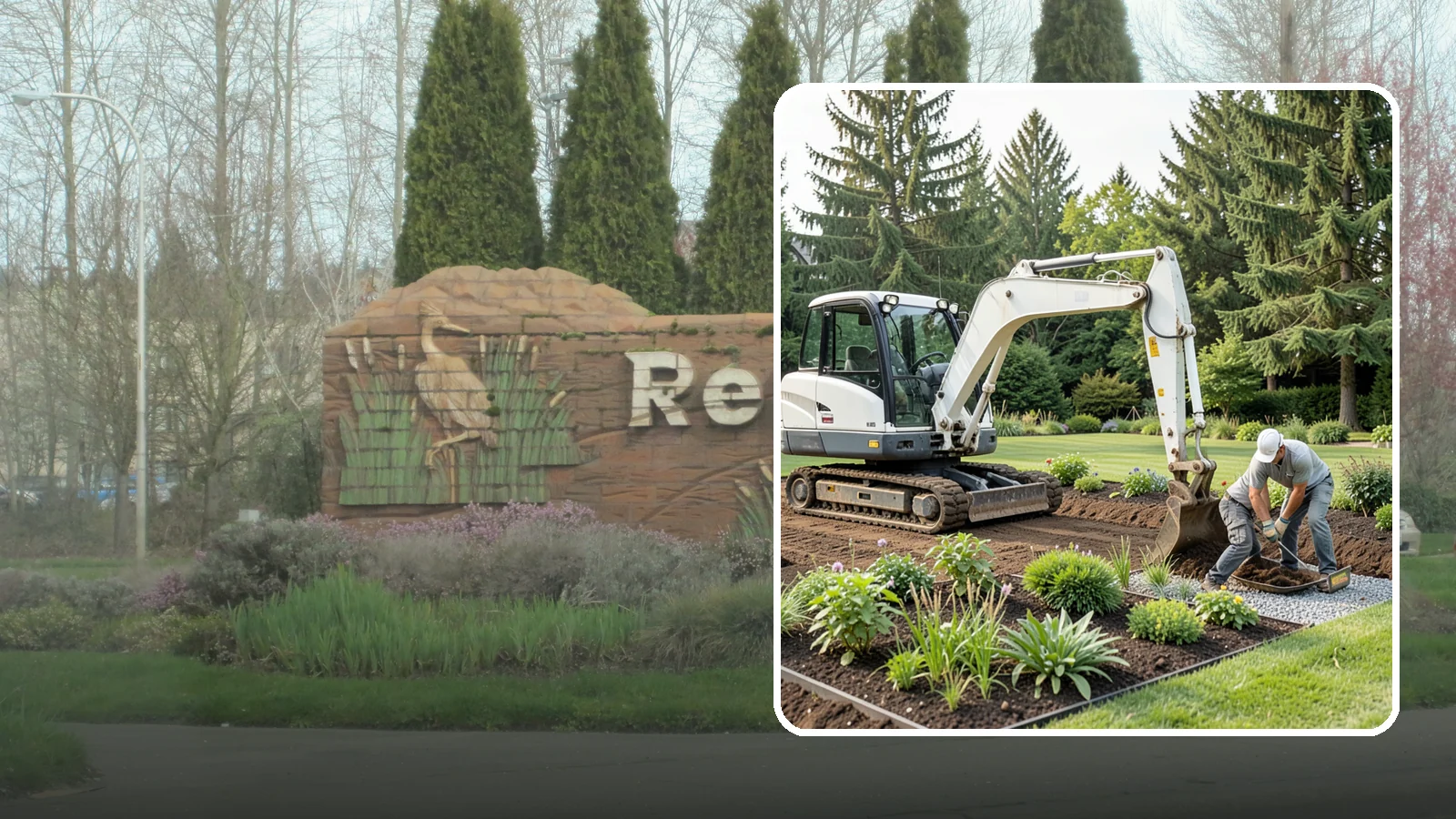
Comprehensive weed removal across beds, hardscapes, and gravel to reclaim a clean, tidy landscape.
You mow on Saturday and by the next weekend the dandelions, clover and creeping buttercup are back. Maybe blackberry canes are arching over the fence, or bindweed is climbing through your shrubs. Weeds like these tend to look minor until they set seed or send out roots.
Washington Landscaping offers weed removal for Renton homeowners. The work starts with identifying what is growing and how it spreads, because a taproot weed, a rhizome weed and a seedling flush each need a different approach. Free estimates are available.
Why Weeds Keep Returning in Renton Yards
Weeds come back for three reasons: seed left in the soil, roots left in the ground, or bare space that nothing else fills. Pulling the top growth only treats the symptom. The fix depends on which of the three is driving the problem in your yard.
Local conditions matter here. Renton has a frost-free growing season of about 244 days, from roughly March 19 to November 17. Those are median dates, so frost can arrive earlier or later in any given year. For a homeowner, that means weeds have a long window to germinate, grow and seed. A single pass in spring will not hold through fall. Follow-up visits or regular checks make a real difference.
Renton falls in USDA hardiness zone 9a, with parts of the city ranging from 8b to 9a. Winters are mild enough that many perennial weeds survive the cold season with their roots intact. Bindweed, blackberry and horsetail are common examples across the Puget Sound region. They regrow from roots and fragments, so digging out as much root as possible matters more than cutting them back.
Tree canopy covers about 25.2% of Renton, per USFS/NLCD 2025. That figure describes the city as a whole, and your own yard may have more or less shade. Under trees, you may see shade-tolerant weeds such as ivy or bittercress. In open, sunny beds, expect dandelions and crabgrass. Knowing the light in each part of your yard helps decide what to remove and what to plant in its place.
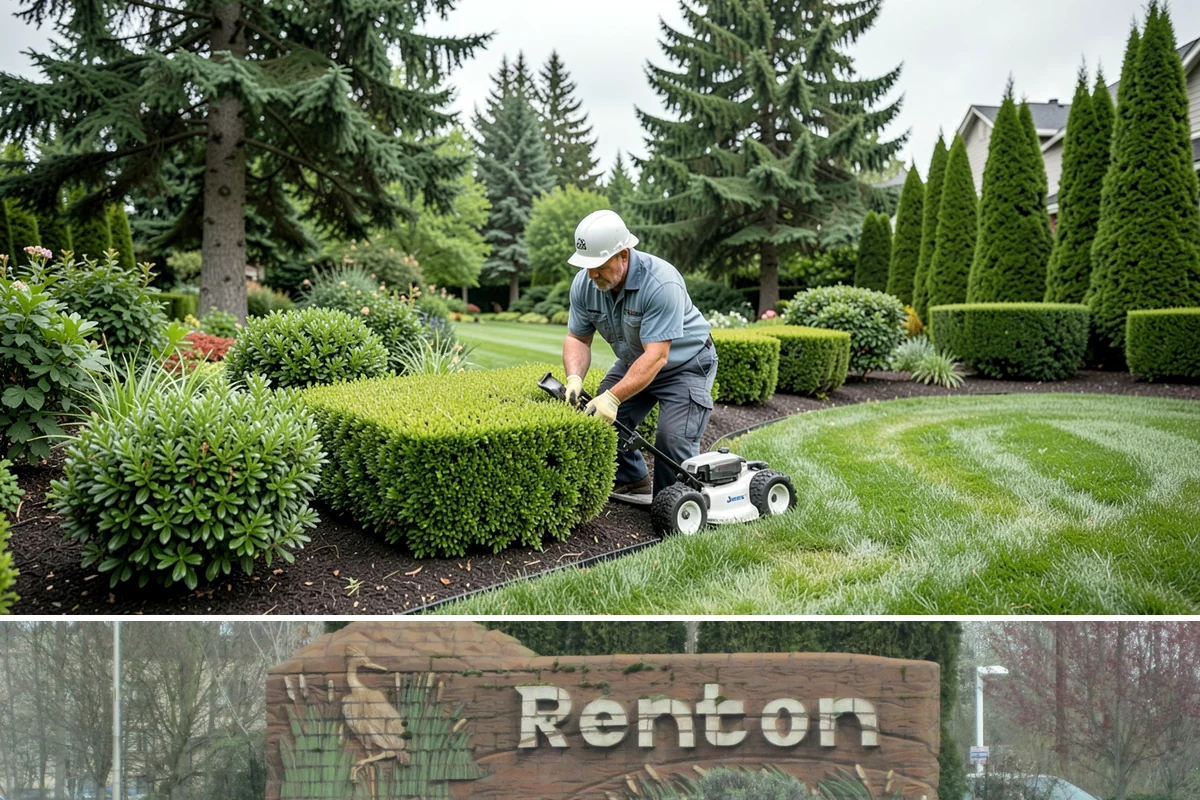
The work usually runs in this order: identify the weeds, remove them by hand or with tools, dig out roots where practical, and clear the debris. Afterward, a layer of mulch over bare soil helps block light from reaching new seedlings. Dense groundcover or healthy lawn does the same job over time. Call or text 425-433-9444 to set up a free estimate.
Renton yard conditions at a glance
| Frost-free season | about 244 days |
|---|---|
| Tree canopy | 25.2% of the city |
| Days with 0.1 in or more of rain | 109 a year |
| Dry months (under 1.25 in) | July and August |
| Last / first frost (median) | Mar 19 / Nov 17 |
A year in a Renton yard
- Late winter
- Dormant pruning for most deciduous trees and shrubs, before buds break.
- Spring
- Last frost is usually around Mar 19; in 1 year in 10 it comes on or after Apr 4. Plant frost-tender annuals and vegetables after that.
- Early summer
- Check sprinklers and drip lines before July, the start of the dry months here.
- Summer
- July and August average 0.5 in and 0.9 in. Water deeply and less often; mulch beds to hold moisture.
- Fall
- Aerate, overseed and plant trees and shrubs while the soil is warm; first frost is usually around Nov 17. Winterize irrigation before then.
- Winter
- About 29 days a year freeze at night and thaw by day: keep drains, paver joints and wall weep holes clear.
Dates are medians for the city from Daymet 2005-2025; your yard and any given year can differ.
Sources: Daymet daily weather (NASA/ORNL), 2023 USDA Plant Hardiness Zone Map data (PRISM, Oregon State University), USDA SSURGO soil survey, USGS 3DEP elevation, USFS/NLCD tree canopy 2025, US Census ACS 2020-2024.
Renton Weed Removal

Local Service Information
Renton
A city at the south end of Lake Washington where the Cedar River meets the lake.
Benefits
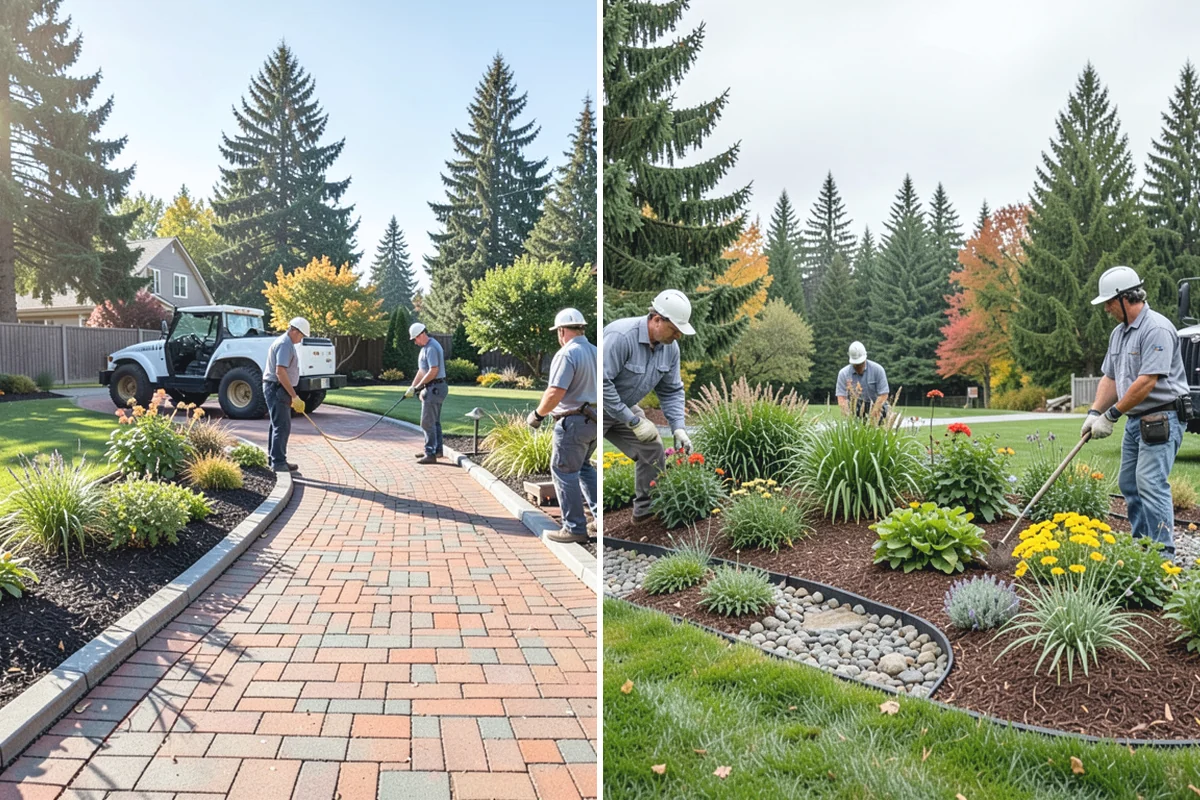
Reclaims overgrown, weedy areas; Weeds removed at the root; Handles beds, gravel, and hardscape; Addresses why weeds took hold; Clean, manageable landscape again
Process
Also serving Renton
- Air spading in Rentonat Washington Tree Services
Get a Free Weed Removal Estimate in Renton
Tell us about your project. We’ll review your needs and provide a customized, no-obligation proposal.
Request a Free Consultation
Complete the form or call our team to discuss your project.
On-Site Assessment
We’ll review your property, discuss your goals, and recommend an appropriate solution.
Receive a Customized Proposal
Receive a detailed estimate outlining the proposed work and pricing.