Shaping Your Outdoors. Surpassing Expectations.

Roy Deck Landscaping

We integrate decks with surrounding plantings, borders, and features to create a seamless outdoor living space.
For deck landscaping in Roy, the best window usually runs from mid-spring into early fall. Soil is workable, plants can settle in before summer dry spells or winter cold, and you can plan around how you actually use the deck. Wet Puget Sound winters make heavy digging and planting harder, so late-winter planning pays off.
Deck landscaping covers the planting beds, paths, edging and screening that connect a deck to the rest of the yard. Washington Landscaping, based in Bothell, offers free estimates, so you can talk through the scope before any work is scheduled.
Planning Deck Landscaping in Roy, Washington
Start with how the deck is used. A dining deck needs a clear path to the door and the lawn. A quiet seating deck may want screening on one side. Decide this first, and plant choices follow.
What affects scope
Slope matters, but less here than in many places. Per USGS 3DEP elevation data, only about 3% of Roy's land slopes 15% or more. That describes the city as a whole, so your own yard may differ. If the ground drops away near your deck, expect more work on drainage, steps or retaining edges. Any wall, grading or structure would have its permit needs checked with the city before work starts.
Shade is the other big factor. The USFS/NLCD 2025 data shows tree canopy covering about 18% of Roy. Again, that is a citywide figure. If trees shade your deck, we would lean toward shade-tolerant plants such as ferns and hostas. A sunny deck can take lavender or ornamental grasses.
Plant hardiness also guides selection. The USDA lists Roy in zone 8b, with an average coldest winter night of about 15.9 F, based on the 2023 map using PRISM data. Those are averages, so a given winter can run colder. Choosing plants rated for zone 8b or hardier is a sensible baseline.
What to expect
The work usually moves in order: site review, layout, bed preparation, planting, then mulch and finishing details. Beds against a deck need space for air flow and for access under or around the boards. Keeping mulch and soil off the wood helps limit moisture problems.
The company is licensed, bonded and insured ($2M), and financing is available subject to credit approval. You can call or text 425-433-9444 to ask questions.
Practical tip: before choosing plants, watch the deck area at morning, noon and late afternoon for a day. Note where sun and shade fall, and where water pools after rain. That simple record will save you from putting the wrong plant in the wrong spot.
Roy yard conditions at a glance
| USDA hardiness zone (2023) | 8b |
|---|---|
| Land sloping 15% or more | 3% (40% or more: 0%) |
| Soil drainage (rated land) | 96% well, 0% moderately well, 4% poorly drained |
| Tree canopy | 18% of the city |
| Homes | about 275 |
A year in a Roy yard
- Late winter
- Dormant pruning for most deciduous trees and shrubs, before buds break.
- Spring
- Last frost is usually around Apr 4; in 1 year in 10 it comes on or after Apr 20. Plant frost-tender annuals and vegetables after that.
- Early summer
- Check sprinklers and drip lines before July, the start of the dry months here.
- Summer
- July and August average 0.5 in and 0.9 in. Water deeply and less often; mulch beds to hold moisture.
- Fall
- Aerate, overseed and plant trees and shrubs while the soil is warm; first frost is usually around Nov 8. Winterize irrigation before then.
- Winter
- About 43 days a year freeze at night and thaw by day: keep drains, paver joints and wall weep holes clear.
Dates are medians for the city from Daymet 2005-2025; your yard and any given year can differ.
How Roy’s soils drain
- Well drained96%
- Moderately well0%
- Poorly drained4%
Share of rated land in the USDA SSURGO soil survey; built-over ground is not rated. A soil check on your lot tells you what you have.
Sources: Daymet daily weather (NASA/ORNL), 2023 USDA Plant Hardiness Zone Map data (PRISM, Oregon State University), USDA SSURGO soil survey, USGS 3DEP elevation, USFS/NLCD tree canopy 2025, US Census ACS 2020-2024.
Roy Deck Landscaping
Local Service Information
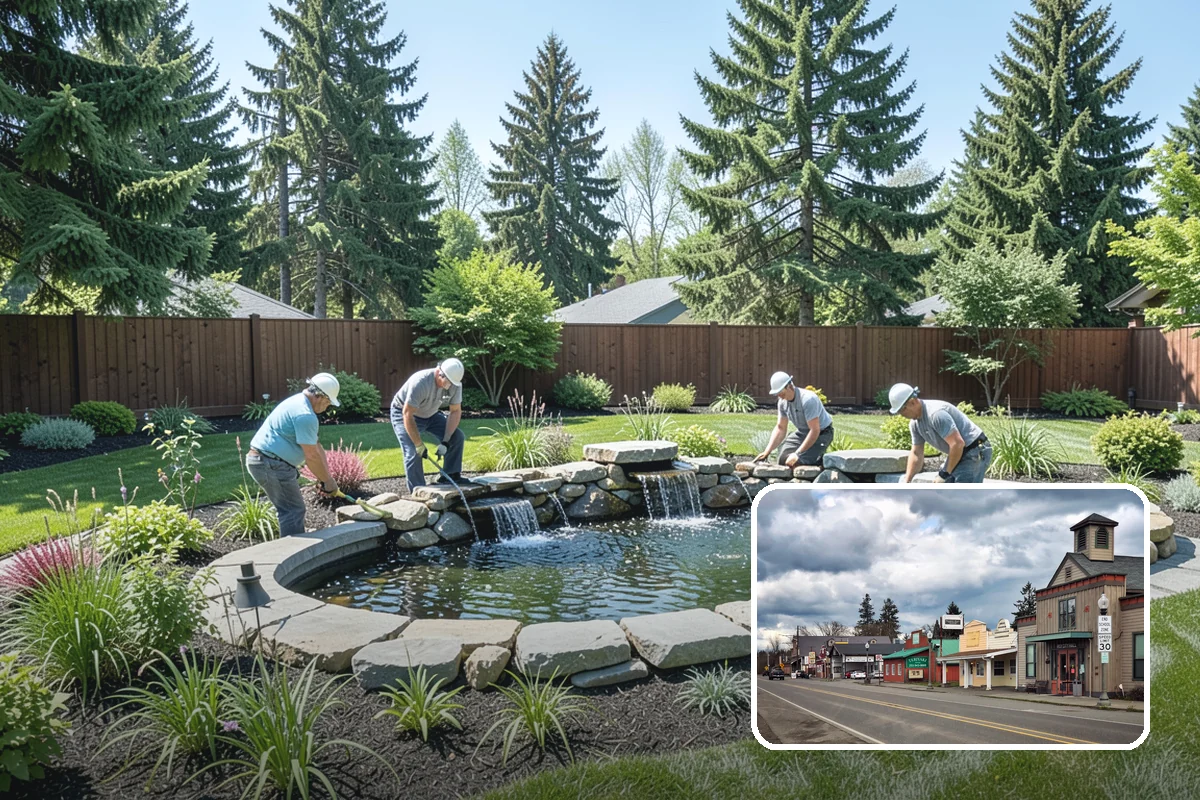
Roy
A very small city on the prairies of rural south Pierce County.
Benefits
Seamless transition between deck and garden; Shade- and moisture-tolerant plantings for Northwest light; Drainage details that prevent muddy deck surrounds; Layered borders and containers for year-round interest; A cohesive outdoor living space that boosts curb appeal
Process
Deck Landscaping in nearby areas
Also serving Roy
- Privacy Screen Installation in Royat Washington Construction
- Patio Stain Removal in Royat Washington Pressure Washing
Get a Free Deck Landscaping Estimate in Roy
Tell us about your project. We’ll review your needs and provide a customized, no-obligation proposal.
Request a Free Consultation
Complete the form or call our team to discuss your project.
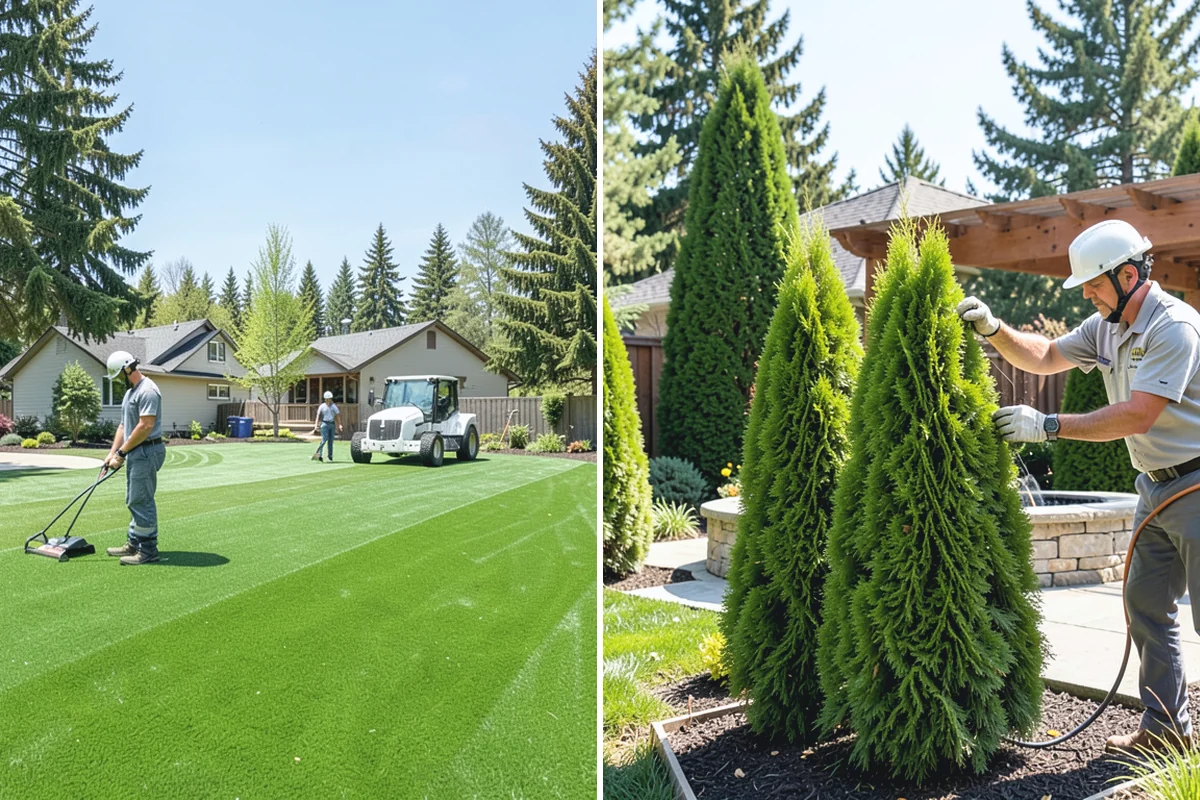
On-Site Assessment
We’ll review your property, discuss your goals, and recommend an appropriate solution.
Receive a Customized Proposal
Receive a detailed estimate outlining the proposed work and pricing.