Shaping Your Outdoors. Surpassing Expectations.

Roy Deer Fencing
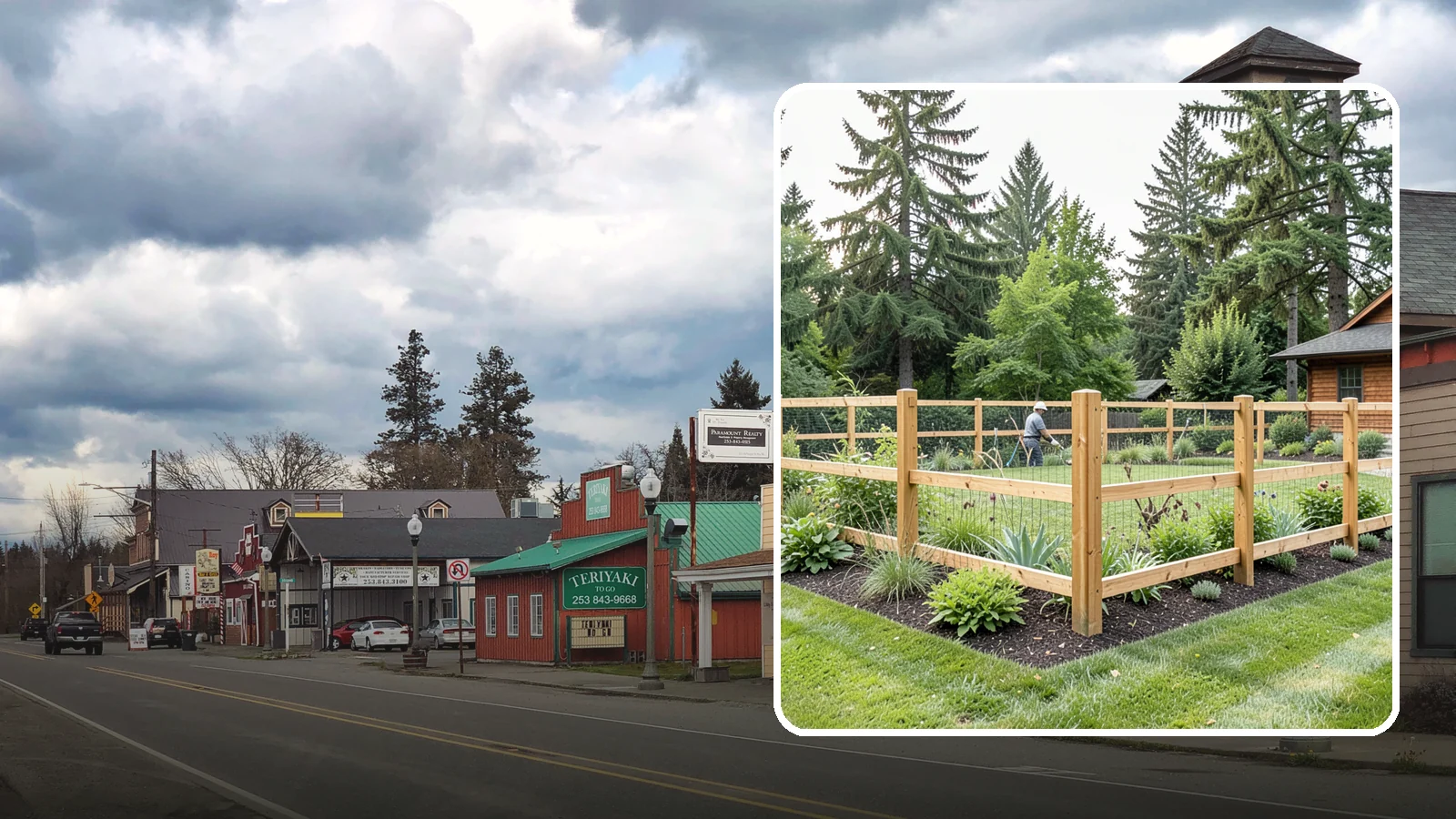
Tall, effective deer fencing that protects gardens and landscapes from browsing deer damage.
You walk out in the morning and the new growth on your shrubs is gone, the tulip buds are snipped off, or the bark on a young tree is scraped. In Roy, that usually points to deer, and they tend to come back once they find something worth eating.
Deer fencing is a physical barrier built to keep them out of the parts of your yard you want to protect. Washington Landscaping, based in Bothell, WA, offers free estimates, so you can talk through the layout before deciding on anything.
How deer fencing works for yards in Roy, Washington
Deer browse because your yard offers food. Ornamental shrubs, roses, hostas, fruit trees and vegetable beds are all easy meals. Deer also rub their antlers on young trunks, which can damage bark. Repellents and scare tactics tend to work for a short time at best. A fence that is tall enough and kept intact is the more dependable answer.
Local conditions matter here. Per USFS/NLCD 2025 data, tree canopy covers about 18% of Roy, and only 9.4% of the city's land is under 50% or more canopy. That describes the city as a whole, and your own lot may look quite different. Still, a mix of open ground and treed edges is the kind of setting where deer can move between cover and feeding spots. If your yard backs onto trees or an open field, that edge is where deer will likely approach, so it is worth noting during planning.
The growing season also shapes the timing. Median Daymet data for 2005-2025 shows about 224 frost-free days in Roy, from about April 4 to November 8. Frost can come earlier or later in a given year. That is a long window when tender new growth and garden crops are exposed, so a fence is most useful in place before spring growth starts.
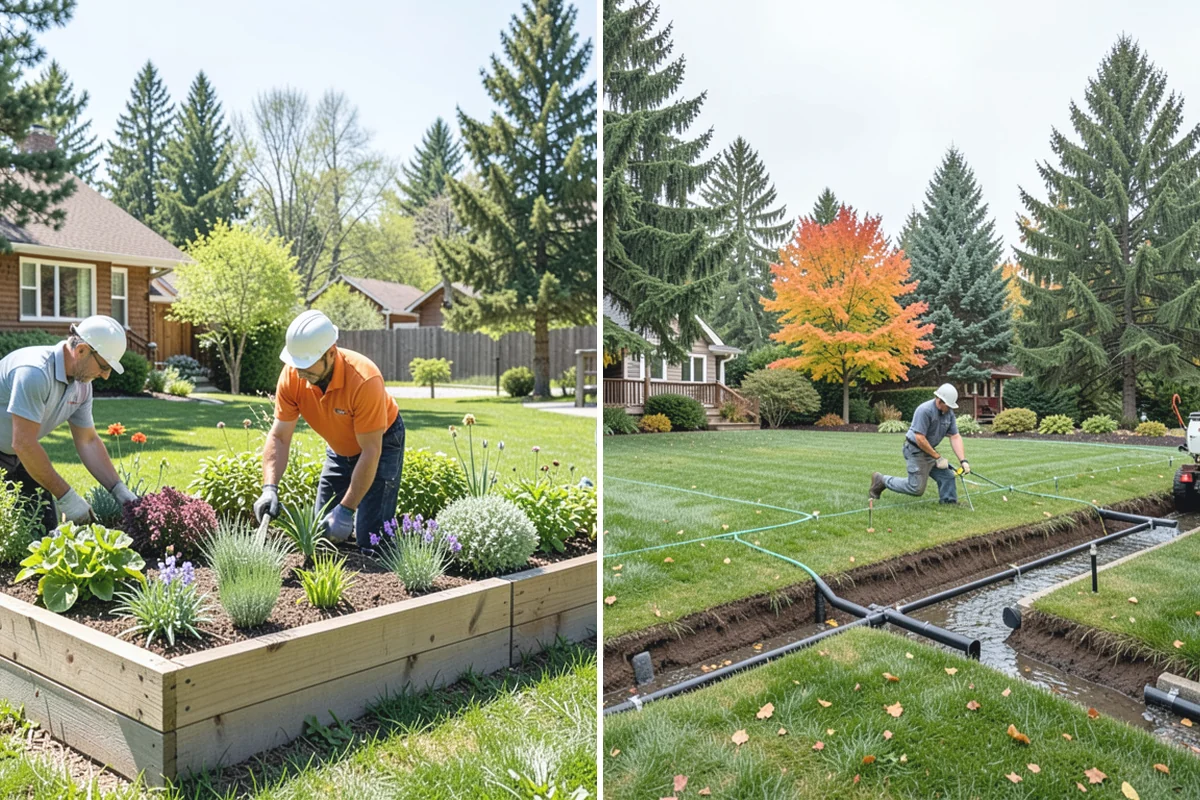
The work itself starts with a walk of the property. We look at what you want to protect, where deer are getting in, and where gates are needed for you, a mower or a wheelbarrow. Deer fencing is usually tall, since deer can clear a standard garden fence, and it needs to be tight at ground level and free of gaps. The line is then laid out, posts are set firmly, and the fence is stretched and secured. Some homeowners fence the whole yard. Others enclose only a vegetable garden or a young orchard.
If the fence is a structure that needs a permit, we check with the city before work starts. Financing is available, subject to credit approval. Call or text 425-433-9444 to ask about an estimate.
Roy yard conditions at a glance
| USDA hardiness zone (2023) | 8b |
|---|---|
| Last / first frost (median) | Apr 4 / Nov 8 |
| Late last frost (1 year in 10) | on or after Apr 20 |
| Frost-free season | about 224 days |
| Dry months (under 1.25 in) | July and August |
| Soil drainage (rated land) | 96% well, 0% moderately well, 4% poorly drained |
A year in a Roy yard
- Late winter
- Dormant pruning for most deciduous trees and shrubs, before buds break.
- Spring
- Last frost is usually around Apr 4; in 1 year in 10 it comes on or after Apr 20. Plant frost-tender annuals and vegetables after that.
- Early summer
- Check sprinklers and drip lines before July, the start of the dry months here.
- Summer
- July and August average 0.5 in and 0.9 in. Water deeply and less often; mulch beds to hold moisture.
- Fall
- Aerate, overseed and plant trees and shrubs while the soil is warm; first frost is usually around Nov 8. Winterize irrigation before then.
- Winter
- About 43 days a year freeze at night and thaw by day: keep drains, paver joints and wall weep holes clear.
Dates are medians for the city from Daymet 2005-2025; your yard and any given year can differ.
How Roy’s soils drain
- Well drained96%
- Moderately well0%
- Poorly drained4%
Share of rated land in the USDA SSURGO soil survey; built-over ground is not rated. A soil check on your lot tells you what you have.
Sources: Daymet daily weather (NASA/ORNL), 2023 USDA Plant Hardiness Zone Map data (PRISM, Oregon State University), USDA SSURGO soil survey, USGS 3DEP elevation, USFS/NLCD tree canopy 2025, US Census ACS 2020-2024.
Roy Deer Fencing
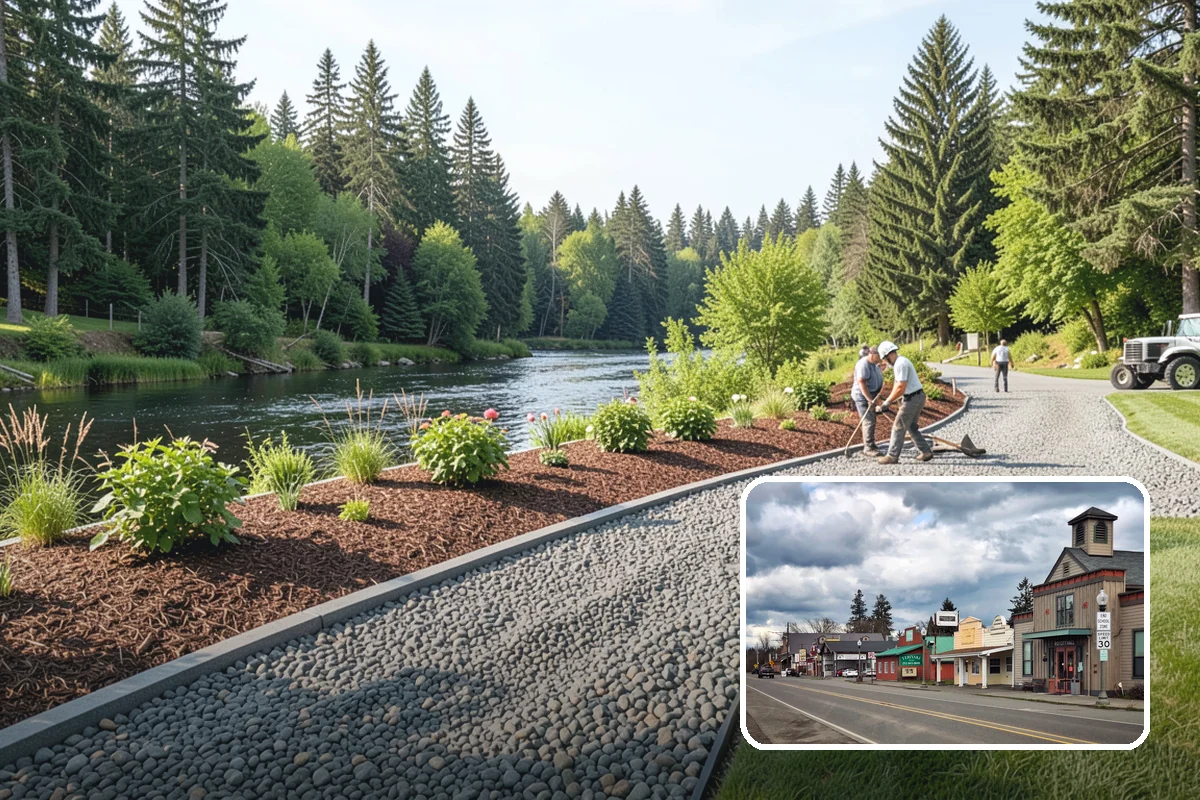
Local Service Information
Roy
A very small city on the prairies of rural south Pierce County.
Benefits
Keeps browsing deer out; Tall enough that deer cannot jump; Invisible mesh to structured designs; Protects gardens and plantings; Planned around access
Process
Deer Fencing in nearby areas
Also serving Roy
- Fence Brightening in Royat Washington Pressure Washing
Get a Free Deer Fencing Estimate in Roy
Tell us about your project. We’ll review your needs and provide a customized, no-obligation proposal.
Request a Free Consultation
Complete the form or call our team to discuss your project.
On-Site Assessment
We’ll review your property, discuss your goals, and recommend an appropriate solution.
Receive a Customized Proposal
Receive a detailed estimate outlining the proposed work and pricing.