Shaping Your Outdoors. Surpassing Expectations.

Ruston Lawn Removal

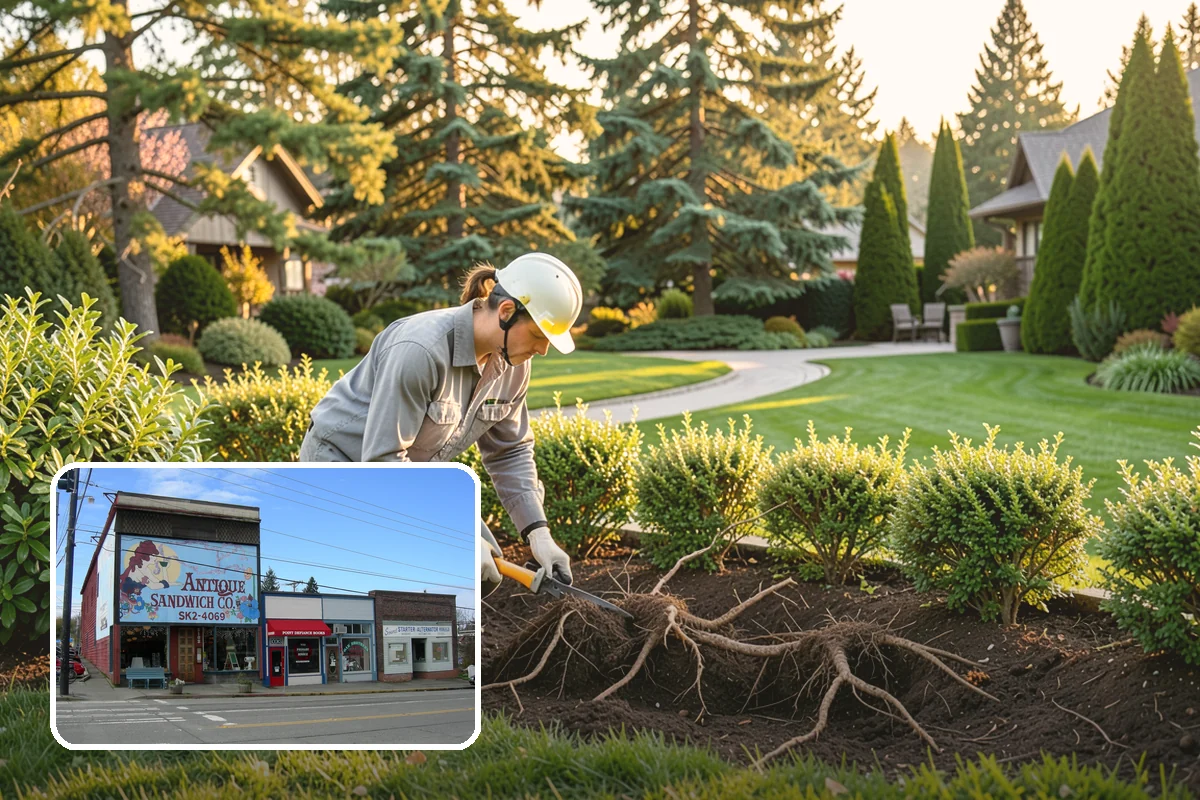
Complete removal of old, dead, or unwanted lawn to make way for new turf, beds, or hardscape.
For lawn removal in Ruston, the dry stretch of July and August is a practical time to start. Per Daymet averages for 2005-2025, July gets about 0.46 in of rain and August about 0.81 in. Dry ground is easier to work, and the old turf dries out and comes up cleaner.
Washington Landscaping has been in business since 2004 and offers free estimates. We can look at your lawn, talk through what comes next, and plan the removal so the bare soil is not left exposed once the rain returns.
Planning Lawn Removal in Ruston, WA
Start with what the space will become. A new planting bed, a vegetable garden, a patio base and a meadow mix each call for different prep. Decide that first, because it sets how deep we strip, what we do with the soil, and how soon planting can happen.
Drainage is one thing that shapes the scope. Per the USDA SSURGO survey, about 83% of Ruston's rated land is moderately well drained, about 11% is well drained and about 6% is poorly drained. Those figures describe the city as a whole. Your own yard may differ, so we look at how water behaves on your lot before choosing a method. A spot that stays soggy may need different soil work than one that drains freely.
Shade matters too. The USFS/NLCD 2025 data puts tree canopy at about 17.9% of Ruston. If your lawn sits under mature trees, we take care around roots. Heavy digging near a trunk can hurt the tree, so removal there may be done by hand or at a shallower depth. The light under those trees also helps decide what you plant afterward.
Other things that affect scope include the size of the area, the thickness of the turf and thatch, slopes, access for equipment, and how the removed sod and soil will be hauled or reused.
On the day of work, expect the turf to be cut and lifted or otherwise cleared, and the surface to be left ready for the next stage. Sprinkler heads and lines near the area should be marked or capped. If you plan any wall, grading or structure, permit needs are checked with the city before work starts.
One practical tip: decide on your replacement plan before the lawn comes out. Bare soil in fall and winter rain erodes and grows weeds fast, so have mulch or plants ready to go in soon after removal.
Ruston yard conditions at a glance
| Soil drainage (rated land) | 11% well, 83% moderately well, 6% poorly drained |
|---|---|
| Dry months (under 1.25 in) | July and August |
| Frost-free season | about 245 days |
| Tree canopy | 17.9% of the city |
| Days with 0.1 in or more of rain | 107 a year |
A year in a Ruston yard
- Late winter
- Dormant pruning for most deciduous trees and shrubs, before buds break.
- Spring
- Last frost is usually around Mar 18; in 1 year in 10 it comes on or after Apr 4. Plant frost-tender annuals and vegetables after that.
- Early summer
- Check sprinklers and drip lines before July, the start of the dry months here.
- Summer
- July and August average 0.5 in and 0.8 in. Water deeply and less often; mulch beds to hold moisture.
- Fall
- Aerate, overseed and plant trees and shrubs while the soil is warm; first frost is usually around Nov 17. Winterize irrigation before then.
- Winter
- About 28 days a year freeze at night and thaw by day: keep drains, paver joints and wall weep holes clear.
Dates are medians for the city from Daymet 2005-2025; your yard and any given year can differ.
How Ruston’s soils drain
- Well drained11%
- Moderately well83%
- Poorly drained6%
Share of rated land in the USDA SSURGO soil survey; built-over ground is not rated. A soil check on your lot tells you what you have.
Sources: Daymet daily weather (NASA/ORNL), 2023 USDA Plant Hardiness Zone Map data (PRISM, Oregon State University), USDA SSURGO soil survey, USGS 3DEP elevation, USFS/NLCD tree canopy 2025, US Census ACS 2020-2024.
Ruston Lawn Removal
Local Service Information
Ruston
A very small city on Commencement Bay surrounded by Tacoma and Point Defiance.
Benefits
Clean slate for new turf, beds, or hardscape; Removes grass and roots so it does not return; Options from sod stripping to full excavation; Debris hauled away and disposed of; Sets up any follow-on install for success

Process
Lawn Removal in nearby areas
Also serving Ruston
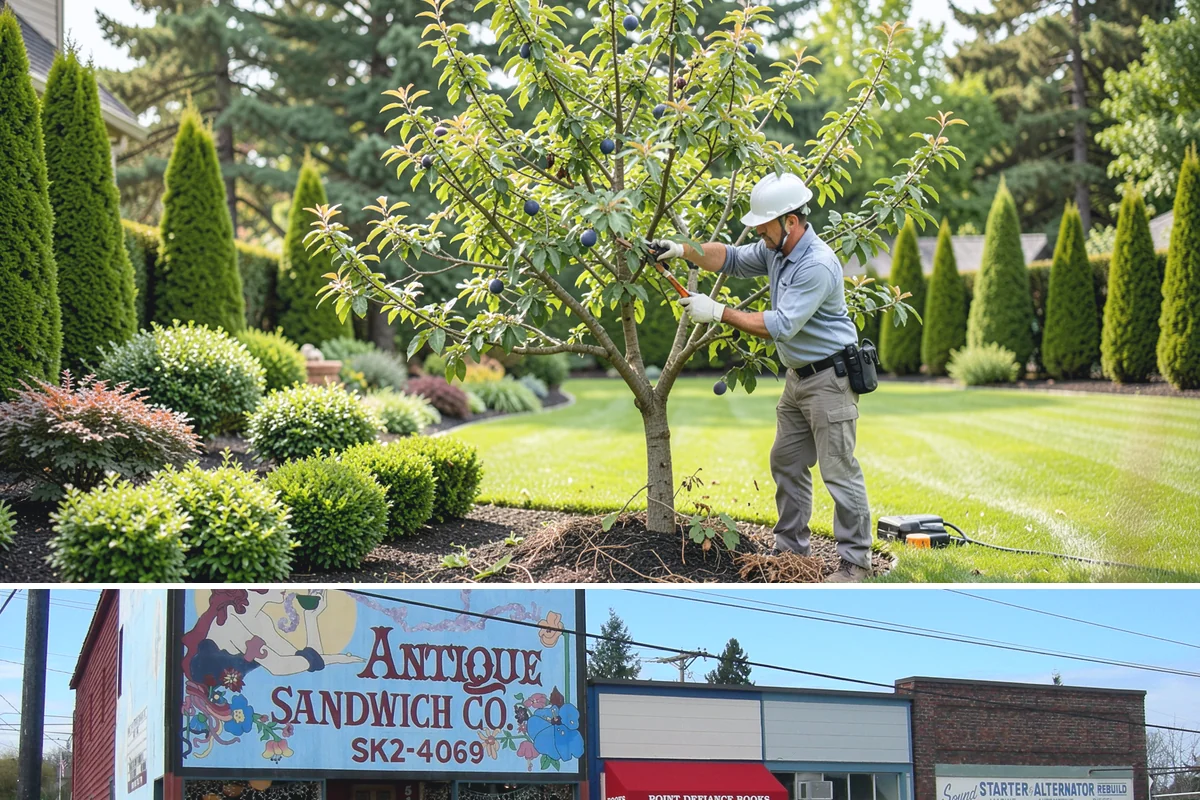
- Tree planting in Rustonat Washington Tree Services
Get a Free Lawn Removal Estimate in Ruston
Tell us about your project. We’ll review your needs and provide a customized, no-obligation proposal.
Request a Free Consultation
Complete the form or call our team to discuss your project.
On-Site Assessment
We’ll review your property, discuss your goals, and recommend an appropriate solution.
Receive a Customized Proposal
Receive a detailed estimate outlining the proposed work and pricing.