Shaping Your Outdoors. Surpassing Expectations.

Ruston Overgrown Hedge Restoration
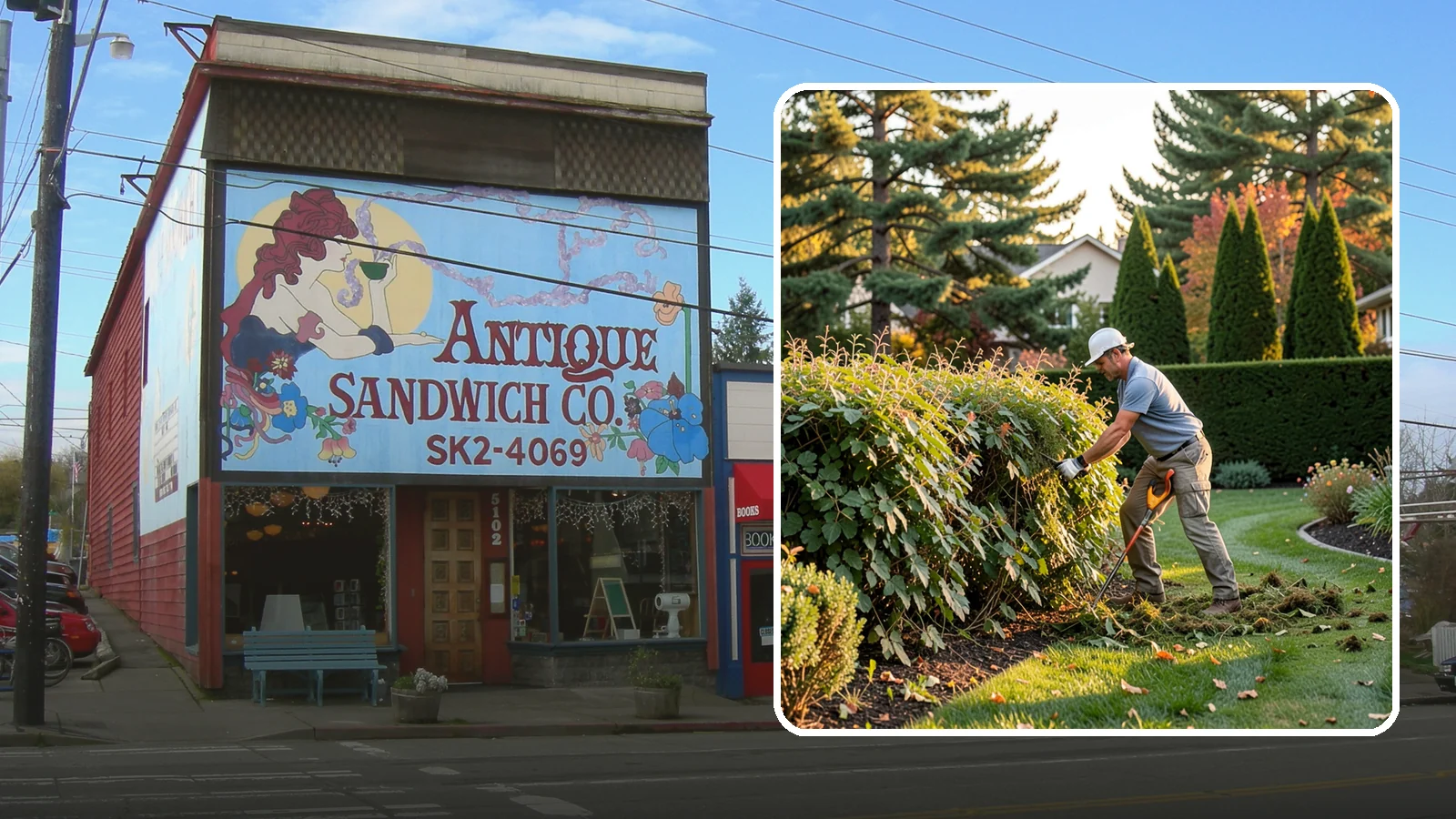
Comprehensive restoration that reclaims neglected, oversized hedges and brings them back to a healthy, manageable, well-defined screen.
In Ruston, hedge restoration makes the most sense in late winter to early spring, before new growth takes off. The median last spring frost is Mar 18, and the median first fall frost is Nov 17, so the frost-free season runs about 245 days. Cutting back before that season starts lets a hedge put its growth into new shoots.
Frost can come earlier or later in any given year, so treat those dates as a guide. Washington Landscaping has an ISA Certified Arborist on staff to assess an overgrown hedge and judge how far it can be cut back.
Planning Overgrown Hedge Restoration in Ruston
Restoring a hedge is not the same as trimming one. An overgrown hedge may be too tall, too wide, bare inside, or all three. The first step is a look at the plants on your property.
Planning the cut
Species matters most. Some evergreens, such as laurel and yew, usually regrow from old wood. Others, such as many conifers, often do not sprout from bare wood. Cutting past the green growth on those can leave permanent gaps. Our ISA Certified Arborist can help judge which plants can take a hard cut and which need a gradual approach over more than one season.
What affects scope
Several things change the size of the job:
Height and width of the hedge, and whether you can reach it safely. Access for equipment and for hauling debris out. How much dead or diseased wood is inside. Whether neighboring fences, wires, or structures are in the way. Your goal also counts: a lower, tidy hedge is a different job than a full rejuvenation. Because these vary by yard, we give free estimates after seeing the hedge in person.
What to expect
Work usually starts with structural cuts, then shaping, then cleanup of clippings. A hard cut can leave a hedge looking sparse at first. New growth often fills in over the following growing season, though results depend on the plants and their condition. The roughly 245-day frost-free season in Ruston gives a cut hedge a long window to recover, if the work is done early in it. Frost can still arrive early or late in a given year.
If cost is a concern, financing is available subject to credit approval.
Practical tip: before we visit, walk the hedge and note where it is thinnest and where it touches fences or lines. Photos help. To start, call or text 425-433-9444.
Ruston yard conditions at a glance
| USDA hardiness zone (2023) | 9a |
|---|---|
| Last / first frost (median) | Mar 18 / Nov 17 |
| Tree canopy | 17.9% of the city |
| Share of rain October to April | 84% |
| Dry months (under 1.25 in) | July and August |
A year in a Ruston yard
- Late winter
- Dormant pruning for most deciduous trees and shrubs, before buds break.
- Spring
- Last frost is usually around Mar 18; in 1 year in 10 it comes on or after Apr 4. Plant frost-tender annuals and vegetables after that.
- Early summer
- Check sprinklers and drip lines before July, the start of the dry months here.
- Summer
- July and August average 0.5 in and 0.8 in. Water deeply and less often; mulch beds to hold moisture.
- Fall
- Aerate, overseed and plant trees and shrubs while the soil is warm; first frost is usually around Nov 17. Winterize irrigation before then.
- Winter
- About 28 days a year freeze at night and thaw by day: keep drains, paver joints and wall weep holes clear.
Dates are medians for the city from Daymet 2005-2025; your yard and any given year can differ.
Sources: Daymet daily weather (NASA/ORNL), 2023 USDA Plant Hardiness Zone Map data (PRISM, Oregon State University), USDA SSURGO soil survey, USGS 3DEP elevation, USFS/NLCD tree canopy 2025, US Census ACS 2020-2024.
Ruston Overgrown Hedge Restoration
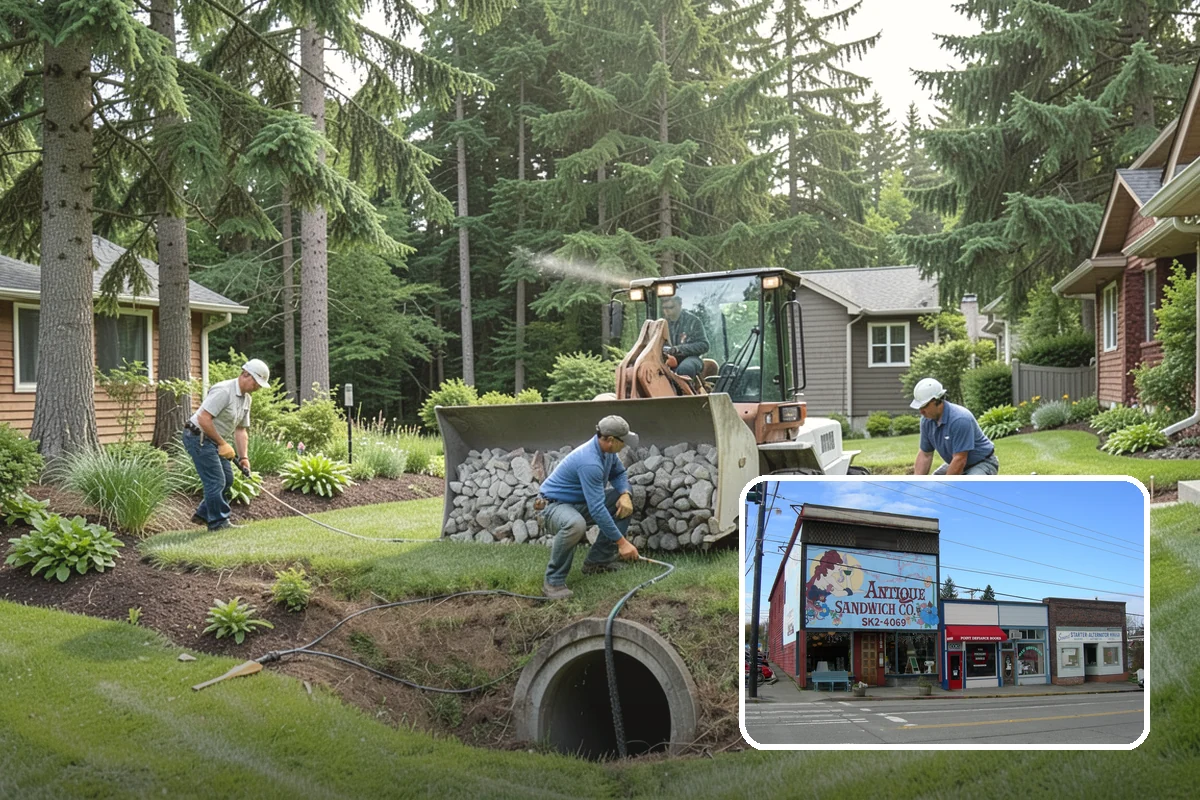
Local Service Information
Ruston
A very small city on Commencement Bay surrounded by Tacoma and Point Defiance.
Benefits
Reclaims overgrown hedges from fences and paths; Matches method to each species’ regrowth ability; Stages hard cutbacks to reduce plant stress; Removes dead wood and clears PNW moss buildup; Restores airflow to revive thin, shaded foliage
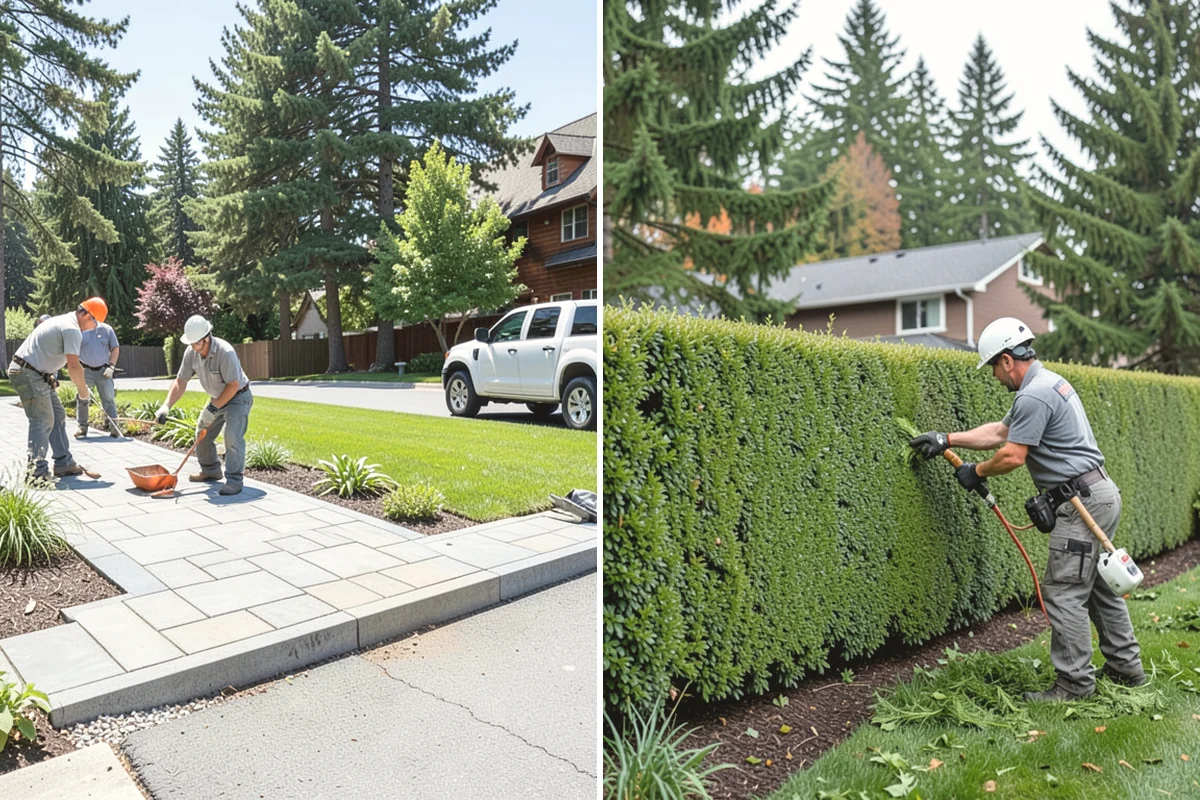
Process

Overgrown Hedge Restoration in nearby areas
Also serving Ruston
- Canopy reduction in Rustonat Washington Tree Services
Get a Free Overgrown Hedge Restoration Estimate in Ruston
Tell us about your project. We’ll review your needs and provide a customized, no-obligation proposal.
Request a Free Consultation
Complete the form or call our team to discuss your project.
On-Site Assessment
We’ll review your property, discuss your goals, and recommend an appropriate solution.
Receive a Customized Proposal
Receive a detailed estimate outlining the proposed work and pricing.