Shaping Your Outdoors. Surpassing Expectations.

Ruston Pollinator Garden Installation
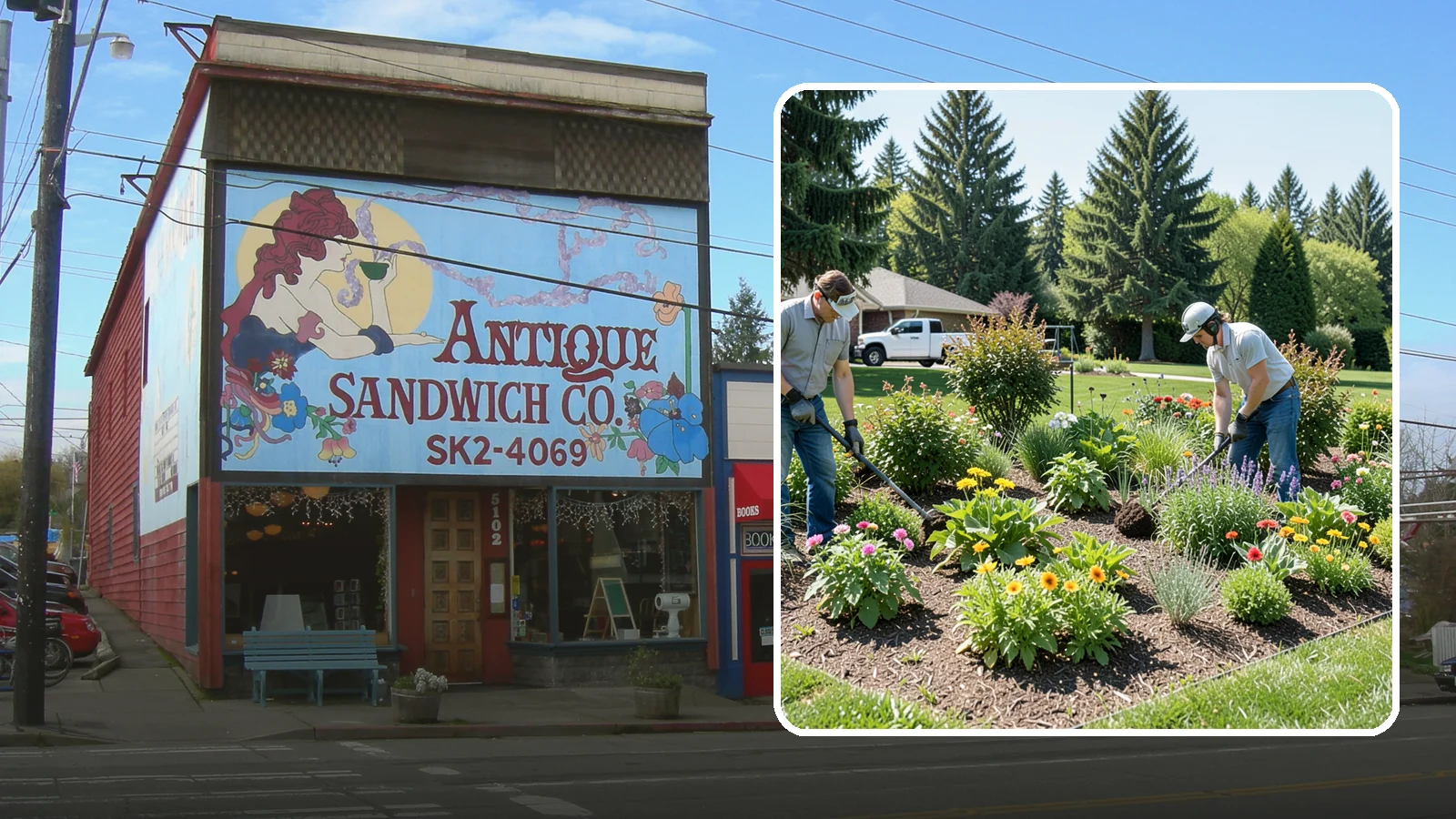
Nectar-rich gardens designed to attract and support bees, butterflies, and hummingbirds.
You may have noticed fewer bees and butterflies around your Ruston yard. Or the lawn and clipped shrubs look tidy but nothing in them flowers for much of the year. Many homeowners start looking at a pollinator garden for this reason.
Washington Landscaping designs and installs pollinator gardens with flowering perennials, shrubs and grasses chosen to bloom in sequence. The goal is steady food and cover for native bees, butterflies and other insects, in a bed that still looks planned and cared for.
Planning a Pollinator Garden in Ruston's Growing Season
Pollinators go missing when a yard offers little to eat. A lawn and a few evergreen hedges give almost no nectar or pollen. Bare mulch and tidy edges leave few places to nest. A pollinator garden fixes this by adding layers of bloom, from early spring through fall, plus some undisturbed ground and plant stems.
How Ruston's climate shapes the plan
Ruston is in USDA hardiness zone 9a, per the 2023 USDA map. The average coldest winter night is about 20.7 F. That is mild enough that many perennials and shrubs sold in the Puget Sound region will survive. A given winter can still run colder than average, and your own yard may be warmer or cooler than the zone suggests. Low spots and open, windy corners can behave differently.
The median last spring frost is March 18, and the frost-free season runs about 245 days, to roughly November 17. These are medians from Daymet data for 2005 to 2025. Frost can arrive earlier or later in any given year. For planting, that means tender new plants are usually safest after the middle of March. It also means a long window for bloom, so the plan should cover early, middle and late season rather than a single summer burst.
What the work involves
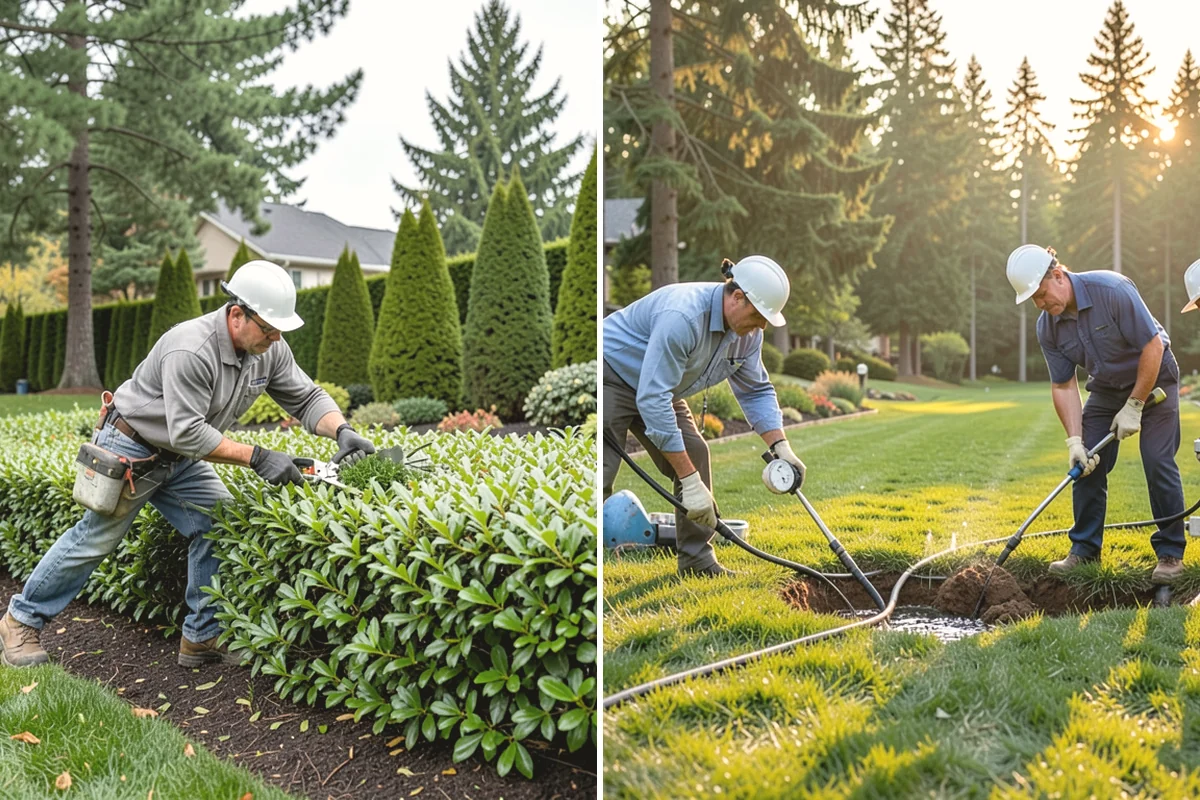
We begin by looking at sun, drainage, existing plants and where you want the bed. Sunny, well-drained spots suit many classic pollinator plants. Wetter ground calls for different species. Then we remove turf or weeds in the planting area and improve the soil where needed.
We lay out plants in groups instead of single specimens, because pollinators find drifts of one flower more easily. We choose a mix that blooms in sequence, with native plants where they fit the site. After planting, we mulch and set out watering guidance. New plants need regular water through their first dry season.
Free estimates are available, and you can call or text 425-433-9444 to start.
Ruston yard conditions at a glance
| USDA hardiness zone (2023) | 9a |
|---|---|
| Last / first frost (median) | Mar 18 / Nov 17 |
| Late last frost (1 year in 10) | on or after Apr 4 |
| Frost-free season | about 245 days |
| Dry months (under 1.25 in) | July and August |
| Soil drainage (rated land) | 11% well, 83% moderately well, 6% poorly drained |
A year in a Ruston yard
- Late winter
- Dormant pruning for most deciduous trees and shrubs, before buds break.
- Spring
- Last frost is usually around Mar 18; in 1 year in 10 it comes on or after Apr 4. Plant frost-tender annuals and vegetables after that.
- Early summer
- Check sprinklers and drip lines before July, the start of the dry months here.
- Summer
- July and August average 0.5 in and 0.8 in. Water deeply and less often; mulch beds to hold moisture.
- Fall
- Aerate, overseed and plant trees and shrubs while the soil is warm; first frost is usually around Nov 17. Winterize irrigation before then.
- Winter
- About 28 days a year freeze at night and thaw by day: keep drains, paver joints and wall weep holes clear.
Dates are medians for the city from Daymet 2005-2025; your yard and any given year can differ.
How Ruston’s soils drain
- Well drained11%
- Moderately well83%
- Poorly drained6%
Share of rated land in the USDA SSURGO soil survey; built-over ground is not rated. A soil check on your lot tells you what you have.
Sources: Daymet daily weather (NASA/ORNL), 2023 USDA Plant Hardiness Zone Map data (PRISM, Oregon State University), USDA SSURGO soil survey, USGS 3DEP elevation, USFS/NLCD tree canopy 2025, US Census ACS 2020-2024.
Ruston Pollinator Garden Installation
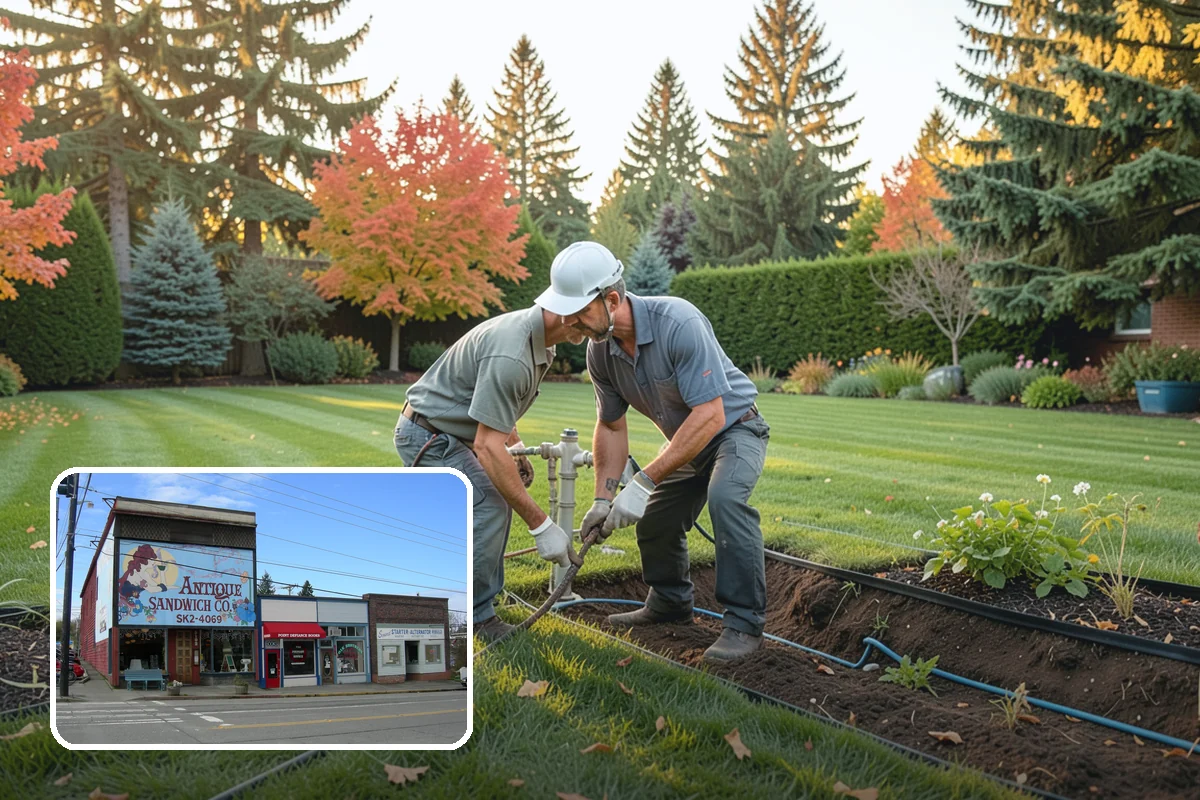
Local Service Information
Ruston
A very small city on Commencement Bay surrounded by Tacoma and Point Defiance.
Benefits
Attracts bees, butterflies, and hummingbirds; Blooms sequenced across the seasons; Includes pollinator-friendly PNW natives; Grouped in drifts pollinators find easily; Beautiful and ecologically valuable
Process
Pollinator Garden Installation in nearby areas
Also serving Ruston
- Tree replacement in Rustonat Washington Tree Services
Get a Free Pollinator Garden Installation Estimate in Ruston
Tell us about your project. We’ll review your needs and provide a customized, no-obligation proposal.
Request a Free Consultation
Complete the form or call our team to discuss your project.
On-Site Assessment
We’ll review your property, discuss your goals, and recommend an appropriate solution.
Receive a Customized Proposal
Receive a detailed estimate outlining the proposed work and pricing.