Shaping Your Outdoors. Surpassing Expectations.

Sammamish Boxwood Trimming
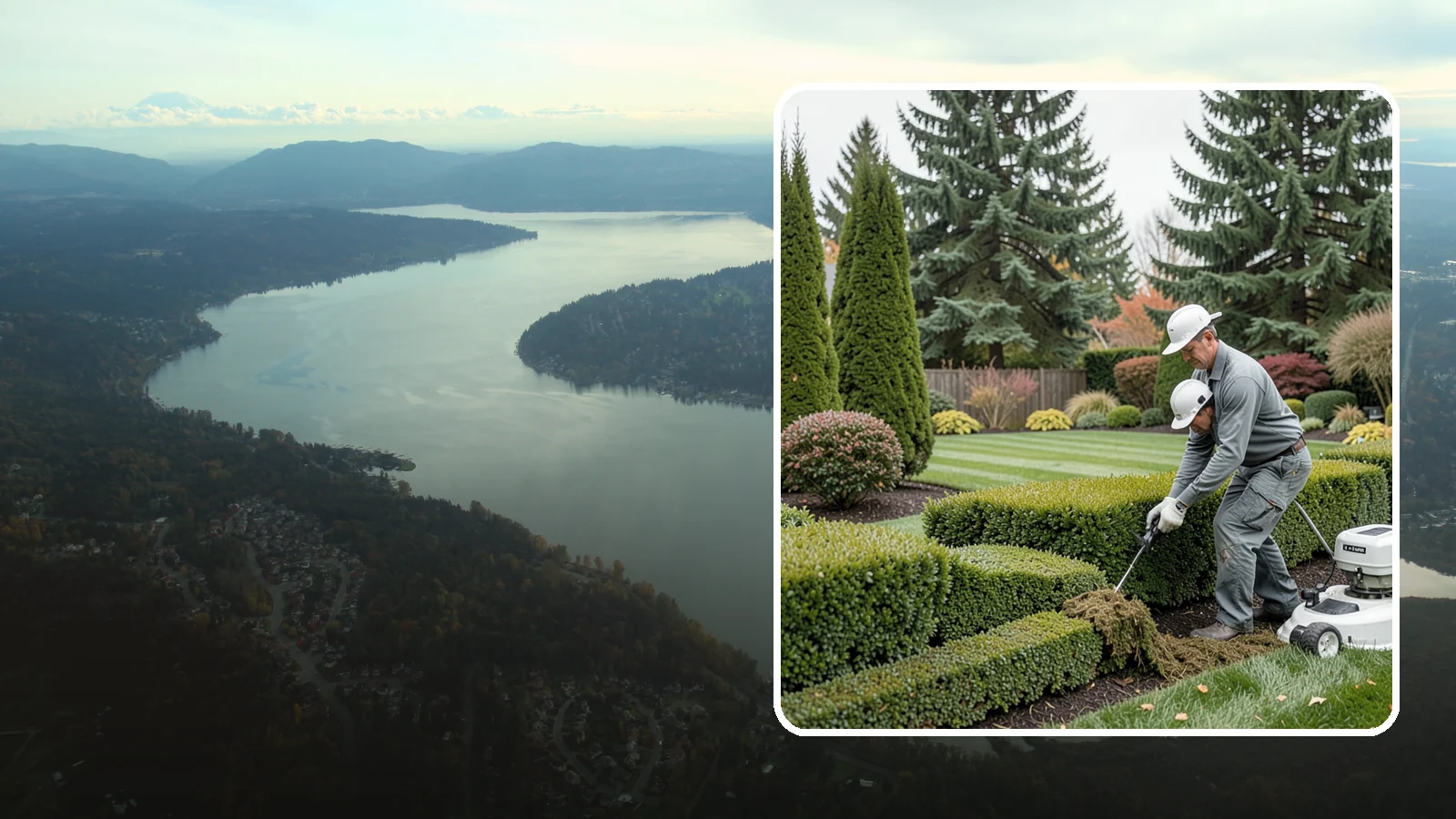
Precise boxwood trimming for crisp formal edges and dense, blight-resistant growth.
Boxwood trimming is for Sammamish homeowners with clipped hedges along a walkway, foundation or front entry, and for anyone with round or cone-shaped boxwoods that have gone shaggy, thin inside or lopsided. It also suits yards where the hedge has outgrown its space and needs to be brought back.
Washington Landscaping has trimmed shrubs since 2004, and an ISA Certified Arborist is on staff. Below we lay out the main ways to trim boxwood and which one tends to fit your hedge and your calendar. Call or text 425-433-9444 for a free estimate.
Boxwood Trimming Options for Sammamish Yards
There is no single right way to trim boxwood. The best approach depends on the shape you want, how overgrown the plants are and the time of year.
Light shaping
This is a trim of the new growth to keep a formal hedge or ball crisp. It works for plants already at the size you want. Done once or twice a season, it keeps the outline tight without stressing the plant.
Thinning
Thinning means reaching inside the plant and removing a few stems so light and air get in. Dense, tightly sheared boxwood can hold moisture and leaf litter inside. Sammamish is in the Puget Sound region, where damp spring and fall weather is normal, so airflow is worth thinking about. Thinning is slower than shearing, but it helps interior leaves stay green.
Renewal cutting
For boxwood that has grown too big, a deeper cut brings it back to size. Boxwood can sprout from older wood, but not always evenly. Many people stage the work over more than one season rather than cutting everything at once. An arborist's eye helps decide how far to go.
Timing
The median last spring frost in Sammamish is March 24, per Daymet data for 2005-2025. Frost can come earlier or later in a given year. Trimming right before a late frost can leave fresh cuts and tender new growth exposed, so heavier work is better held until after the frost risk has passed. The frost-free season runs about 231 days, to around November 14, which leaves a long window for trimming.
July and August are the dry months here, averaging about 0.71 and 1.21 inches of rain. Newly cut plants lose water through fresh growth, so a trimmed hedge may need extra watering in summer. Your own yard may differ from these city-wide figures, especially in shade or on a slope.
How to choose
- Hedge at the right size: light shaping.
- Dense, dull or brown inside: thinning.
- Overgrown or blocking windows and paths: renewal cutting, possibly staged.
We can look at your plants and recommend one of these. Estimates are free.
Sammamish yard conditions at a glance
| USDA hardiness zone (2023) | 8b (parts 8b to 9a) |
|---|---|
| Last / first frost (median) | Mar 24 / Nov 14 |
| Tree canopy | 40.6% of the city |
| Share of rain October to April | 80% |
| Dry months (under 1.25 in) | July and August |
A year in a Sammamish yard
- Late winter
- Dormant pruning for most deciduous trees and shrubs, before buds break.
- Spring
- Last frost is usually around Mar 24; in 1 year in 10 it comes on or after Apr 10. Plant frost-tender annuals and vegetables after that.
- Early summer
- Check sprinklers and drip lines before July, the start of the dry months here.
- Summer
- July and August average 0.7 in and 1.2 in. Water deeply and less often; mulch beds to hold moisture.
- Fall
- Aerate, overseed and plant trees and shrubs while the soil is warm; first frost is usually around Nov 14. Winterize irrigation before then.
- Winter
- About 34 days a year freeze at night and thaw by day: keep drains, paver joints and wall weep holes clear.
Dates are medians for the city from Daymet 2005-2025; your yard and any given year can differ.
Sources: Daymet daily weather (NASA/ORNL), 2023 USDA Plant Hardiness Zone Map data (PRISM, Oregon State University), USDA SSURGO soil survey, USGS 3DEP elevation, USFS/NLCD tree canopy 2025, US Census ACS 2020-2024.
Sammamish Boxwood Trimming
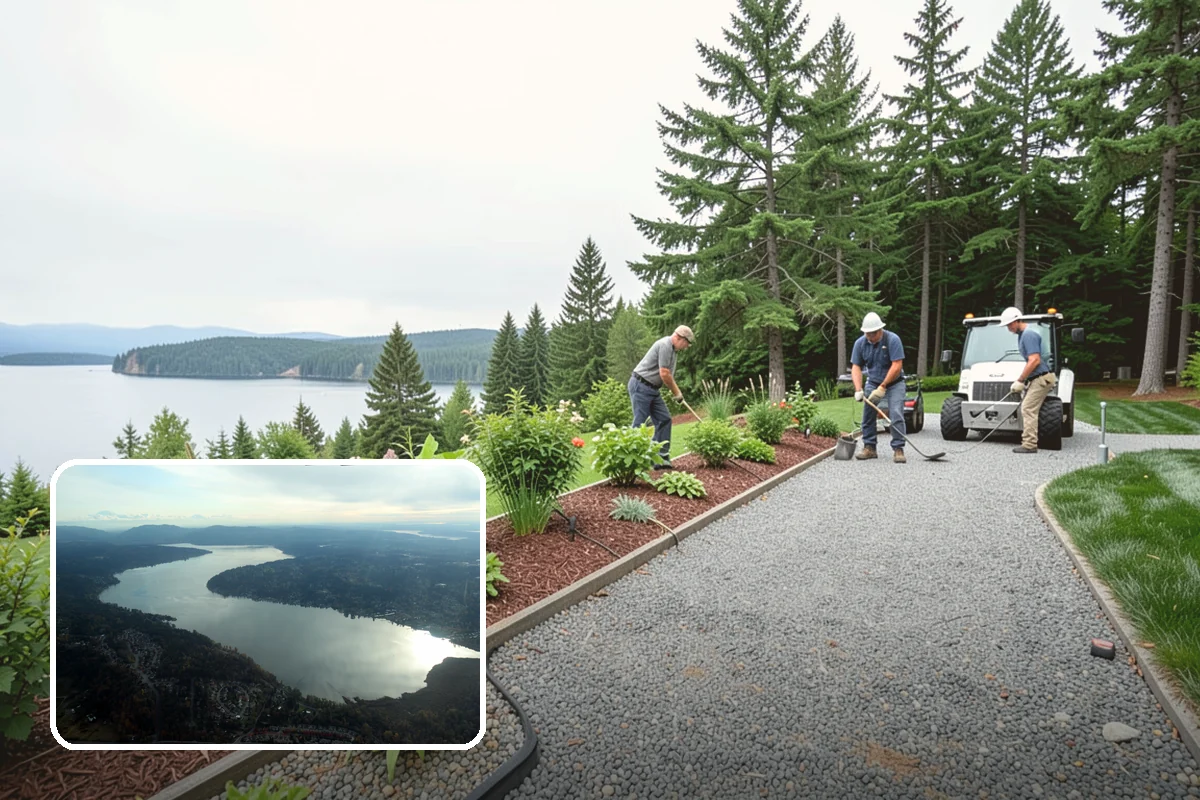
Local Service Information
Sammamish
A residential plateau city on the east side of Lake Sammamish.
Benefits
Crisp, formal faces and level tops; Interior thinning for light and airflow; Reduces blight and mite pressure in a damp climate; Cuts timed away from frost-tender growth; Sanitized tools to protect valued boxwood

Process
Also serving Sammamish
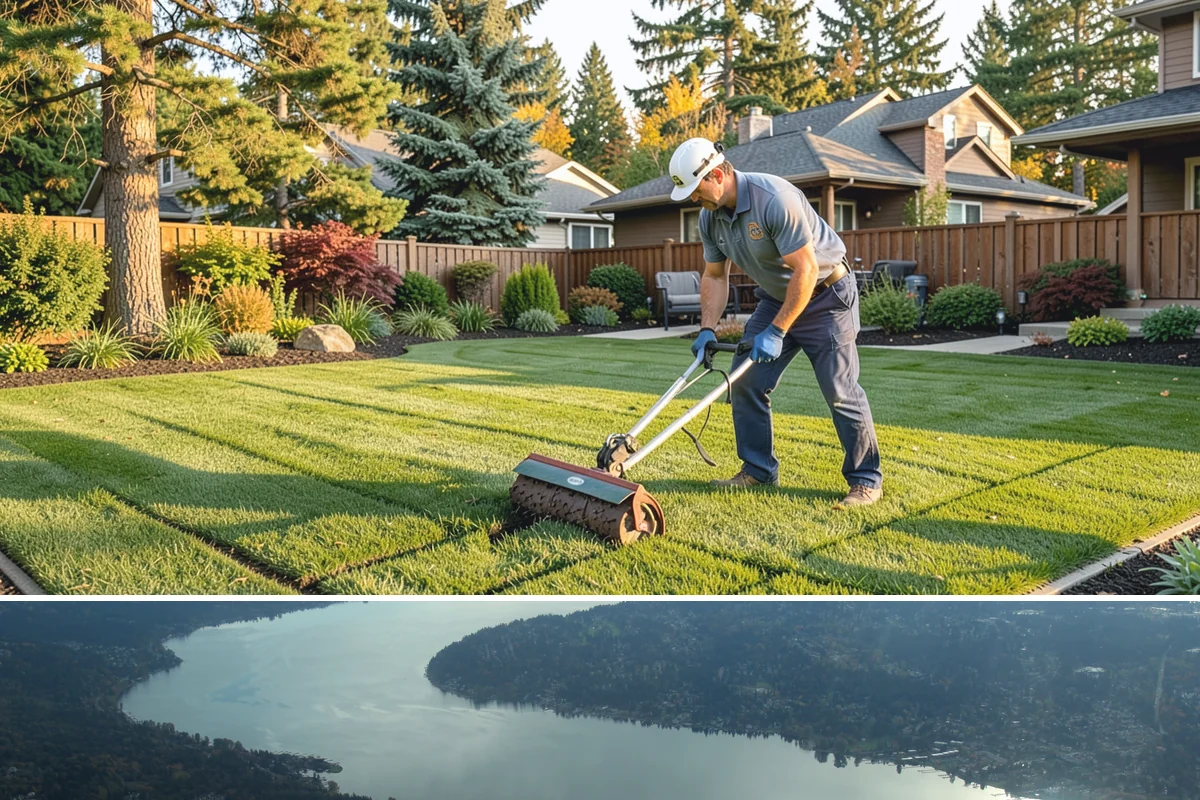
- Root zone aeration in Sammamishat Washington Tree Services
Get a Free Boxwood Trimming Estimate in Sammamish
Tell us about your project. We’ll review your needs and provide a customized, no-obligation proposal.
Request a Free Consultation
Complete the form or call our team to discuss your project.
On-Site Assessment
We’ll review your property, discuss your goals, and recommend an appropriate solution.
Receive a Customized Proposal
Receive a detailed estimate outlining the proposed work and pricing.