Shaping Your Outdoors. Surpassing Expectations.

Sammamish Evergreen Tree Planting
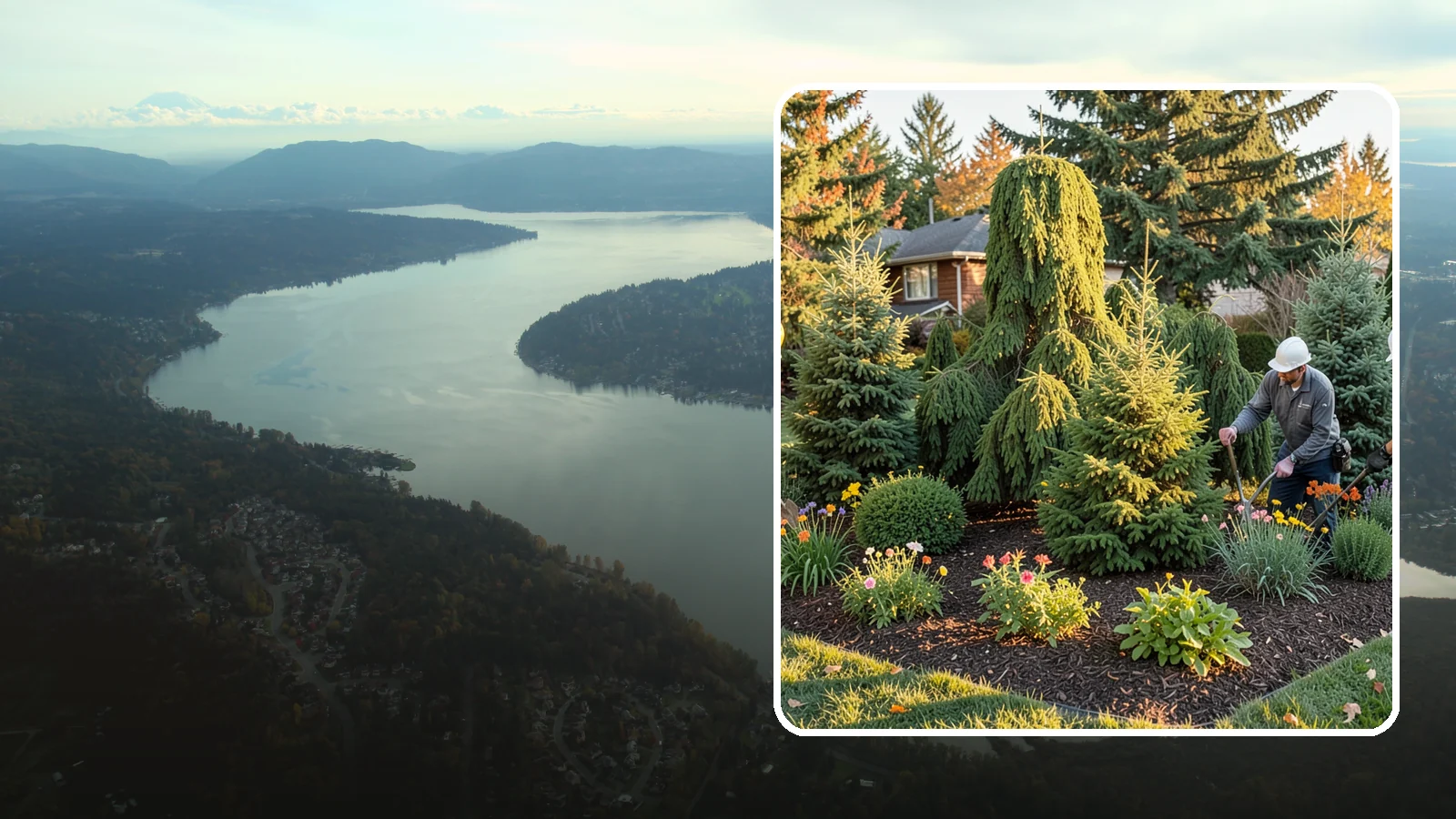
We plant evergreen trees that keep Northwest landscapes green and screened all year long.
In Sammamish, evergreen trees are usually best planted in fall or early spring. Cool air and steady rain let roots settle before summer. July and August are the dry months here, with July averaging about 0.71 in of rain and August about 1.21 in (Daymet, 2005-2025). A tree planted in spring has one summer to get through. One planted in fall has a few months of rain first.
Washington Landscaping plants evergreens for screening, windbreaks and year-round structure. We have an ISA Certified Arborist on staff, and estimates are free. Call or text 425-433-9444 to start planning.
Planning Evergreen Tree Planting in Sammamish, WA
Good planting starts with the site, not the tree. We look at how much sun the spot gets, how close it is to the house, power lines, fences and neighbors, and how large the tree will be at maturity. A tree that fits the space today can crowd it in twenty years.
What affects scope
Species choice, tree size at planting and the number of trees all change the job. So does access. A tight side yard means more hand work than an open lot. Existing lawn or brush may need clearing first.
Drainage matters too. Per the USDA SSURGO soil survey, about 24% of rated land in Sammamish is well drained, 72% is moderately well drained and 4% is poorly drained. That describes the city as a whole. Your own yard may differ, and a low corner can hold water even when the rest drains fine. Many evergreens dislike sitting in wet soil, so we check the spot before choosing a tree or planting depth.
Hardiness is rarely the limit here. The 2023 USDA map puts Sammamish in zone 8b, with an average coldest winter night of about 19.8 F, and parts of the city range from 8b to 9a. Most evergreens common to the Puget Sound region handle that range well.
What to expect
We dig a hole wider than the root ball, set the tree at the right height, backfill, add mulch and water it in. Our ISA Certified Arborist can advise on species and placement. Newly planted trees need regular deep watering through their first dry seasons, and that care matters more than anything else after planting day.
Tip: keep mulch a few inches back from the trunk, and water slowly at the root zone during July and August rather than giving short daily sprinkles.
Sammamish yard conditions at a glance
| USDA hardiness zone (2023) | 8b (parts 8b to 9a) |
|---|---|
| Last / first frost (median) | Mar 24 / Nov 14 |
| Late last frost (1 year in 10) | on or after Apr 10 |
| Frost-free season | about 231 days |
| Dry months (under 1.25 in) | July and August |
| Soil drainage (rated land) | 24% well, 72% moderately well, 4% poorly drained |
A year in a Sammamish yard
- Late winter
- Dormant pruning for most deciduous trees and shrubs, before buds break.
- Spring
- Last frost is usually around Mar 24; in 1 year in 10 it comes on or after Apr 10. Plant frost-tender annuals and vegetables after that.
- Early summer
- Check sprinklers and drip lines before July, the start of the dry months here.
- Summer
- July and August average 0.7 in and 1.2 in. Water deeply and less often; mulch beds to hold moisture.
- Fall
- Aerate, overseed and plant trees and shrubs while the soil is warm; first frost is usually around Nov 14. Winterize irrigation before then.
- Winter
- About 34 days a year freeze at night and thaw by day: keep drains, paver joints and wall weep holes clear.
Dates are medians for the city from Daymet 2005-2025; your yard and any given year can differ.
How Sammamish’s soils drain
- Well drained24%
- Moderately well72%
- Poorly drained4%
Share of rated land in the USDA SSURGO soil survey; built-over ground is not rated. A soil check on your lot tells you what you have.
Sources: Daymet daily weather (NASA/ORNL), 2023 USDA Plant Hardiness Zone Map data (PRISM, Oregon State University), USDA SSURGO soil survey, USGS 3DEP elevation, USFS/NLCD tree canopy 2025, US Census ACS 2020-2024.
Sammamish Evergreen Tree Planting
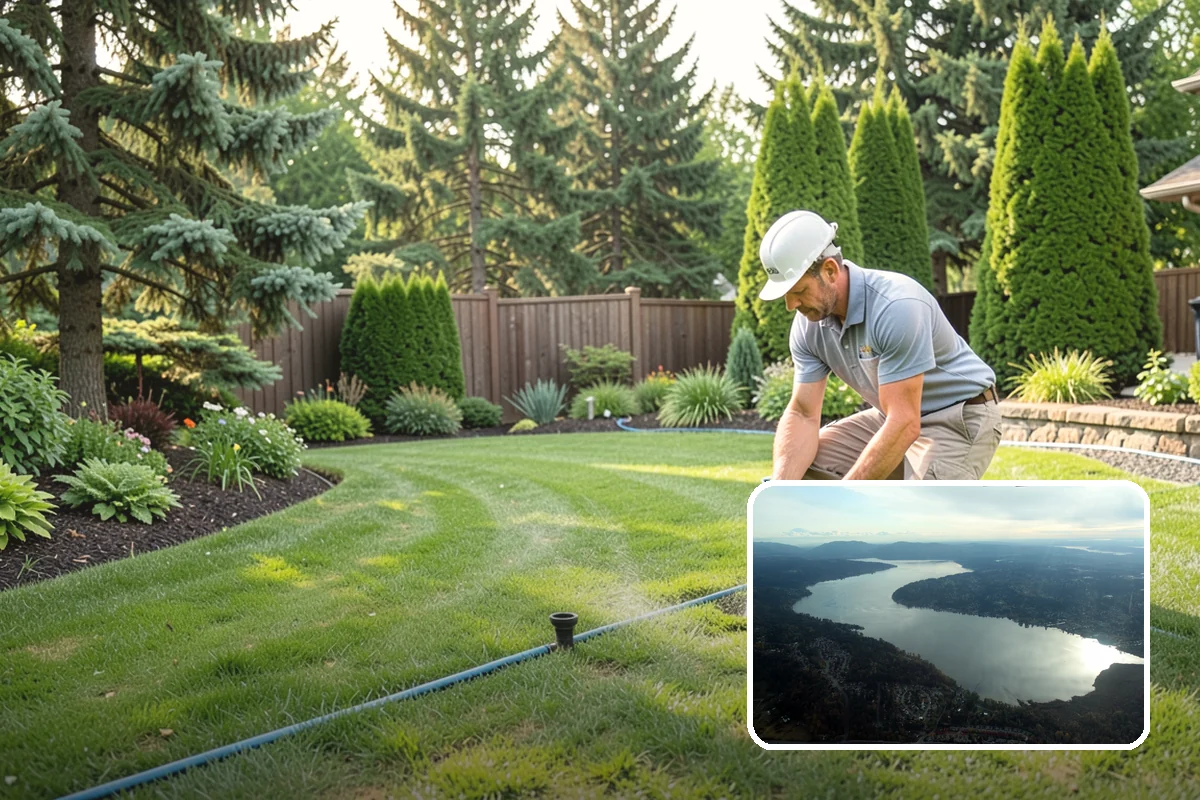
Local Service Information
Sammamish
A residential plateau city on the east side of Lake Sammamish.
Benefits
Year-round green color, privacy, and structure; Conifer species native and adapted to the Northwest; Effective windbreaks and living screens; Careful siting for mature height and spread; Proper planting for decades of healthy growth
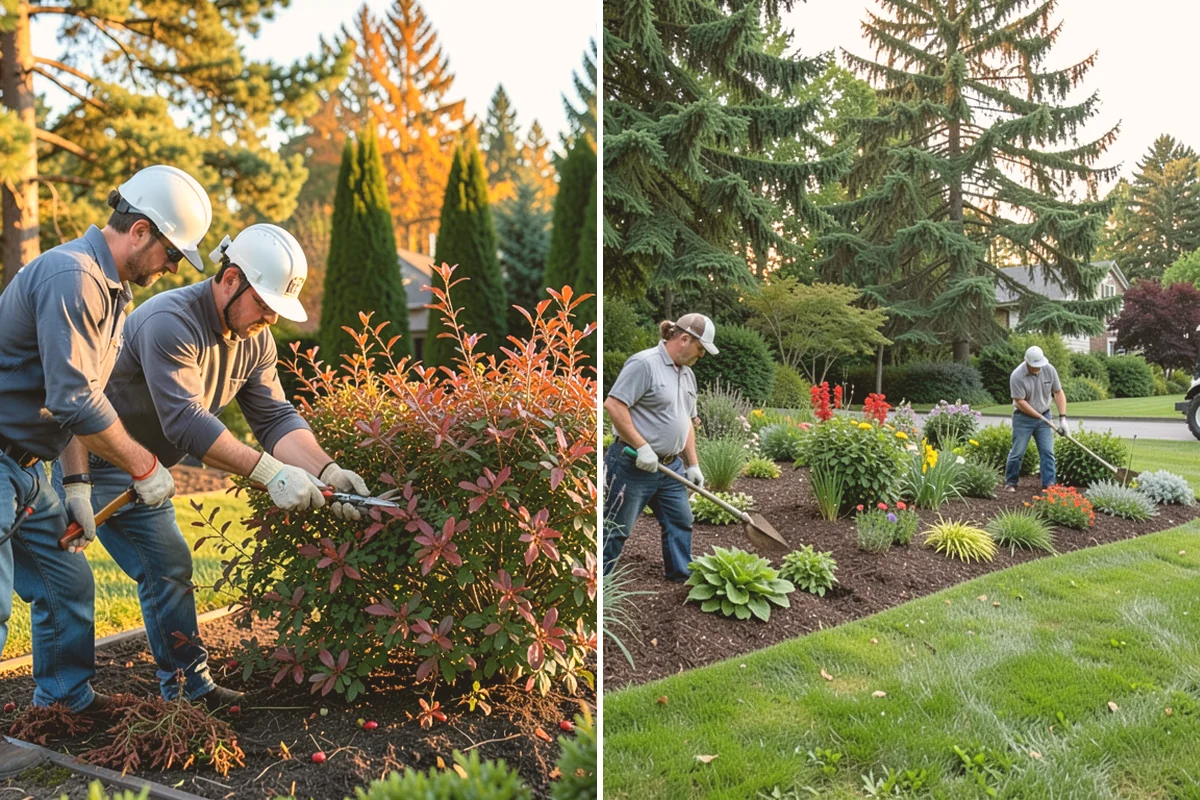
Process

Also serving Sammamish
- Tree replacement in Sammamishat Washington Tree Services
Get a Free Evergreen Tree Planting Estimate in Sammamish
Tell us about your project. We’ll review your needs and provide a customized, no-obligation proposal.
Request a Free Consultation
Complete the form or call our team to discuss your project.
On-Site Assessment
We’ll review your property, discuss your goals, and recommend an appropriate solution.
Receive a Customized Proposal
Receive a detailed estimate outlining the proposed work and pricing.