Shaping Your Outdoors. Surpassing Expectations.

Sammamish Native Plant Landscaping
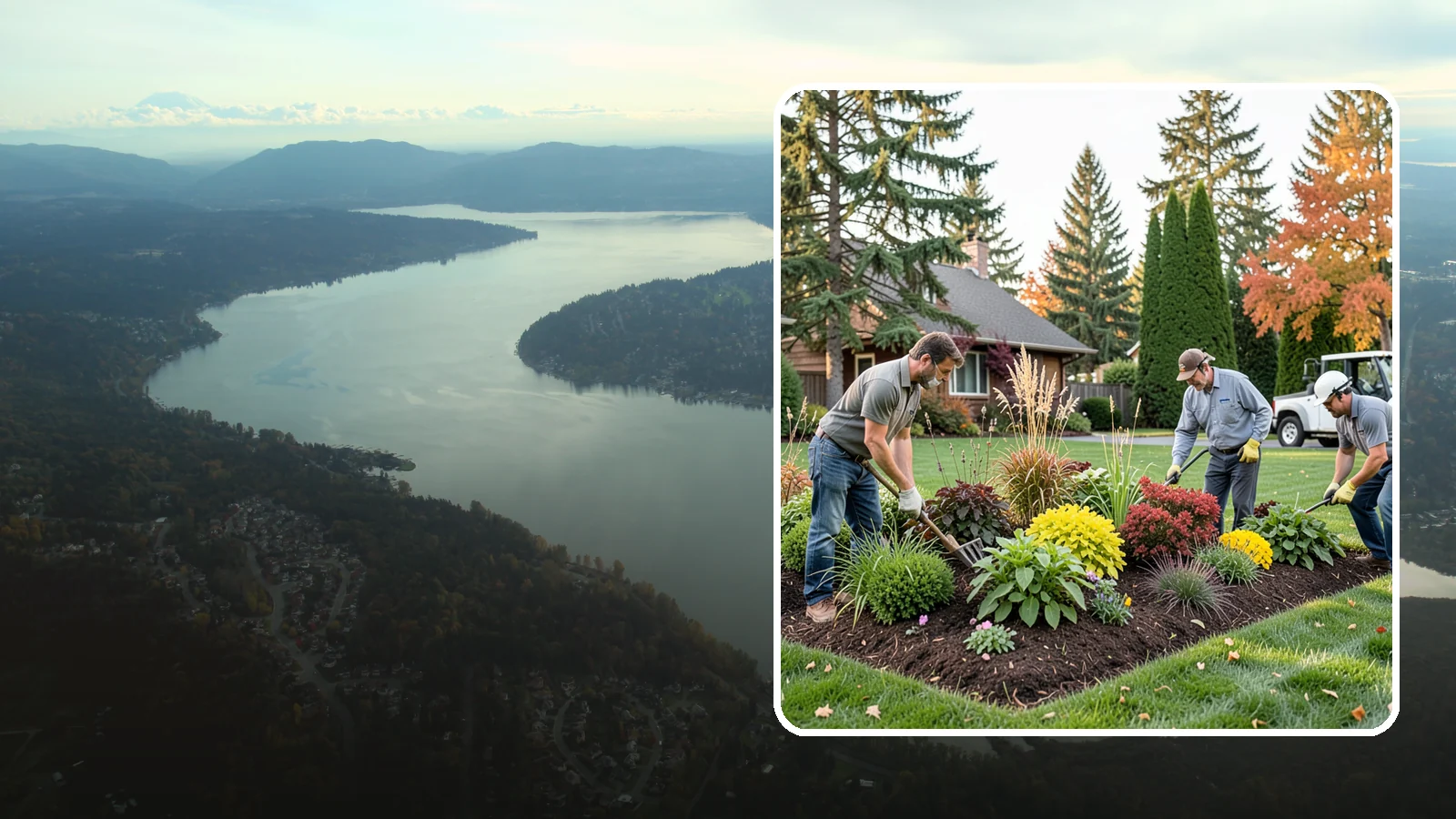
Pacific Northwest native plantings that thrive naturally with less water, care, and chemicals.
You planted a nice bed a few years ago, and now it needs water every week in summer and replacing every other spring. Or you look at a lawn that browns by August and wonder if there is a better fit for your yard.
Native plant landscaping uses plants that already belong in Puget Sound conditions. Washington Landscaping, based in Bothell, WA, designs and installs these plantings for Sammamish homeowners. Estimates are free, and you can call or text 425-433-9444.
Why Native Plants Suit Sammamish Yards and Summers
Beds fail for a simple reason. The plants were chosen for a different climate or soil than the one they got. Then they need extra water, extra feeding and extra replacement to stay alive.
Sammamish has a clear dry stretch. Per Daymet data from 2005 to 2025, July averages about 0.71 in of rain and August about 1.21 in. Those are the two months when a thirsty plant struggles. Many Pacific Northwest natives are adapted to that pattern. Once established, they usually need far less summer watering than typical turf or ornamentals. The first year or two still needs regular watering while roots settle in.
Soil matters just as much. Per the USDA SSURGO survey, about 24% of rated land in Sammamish is well drained, 72% is moderately well drained and 4% is poorly drained. That describes the city as a whole, so your own yard may differ. A low corner that stays soggy can sit beside a dry, sunny slope. We look at each part of the yard and match plants to it. Moisture-tolerant species go in wet spots. Drought-tolerant ones go where water drains fast.
Cold is a smaller concern. The USDA lists Sammamish in zone 8b, with an average coldest night of about 19.8 F, and parts of the city range from 8b to 9a. Frost can still come earlier or later than usual in a given year. Native plants are generally well suited to that range, but we still consider exposure and low spots where cold settles.
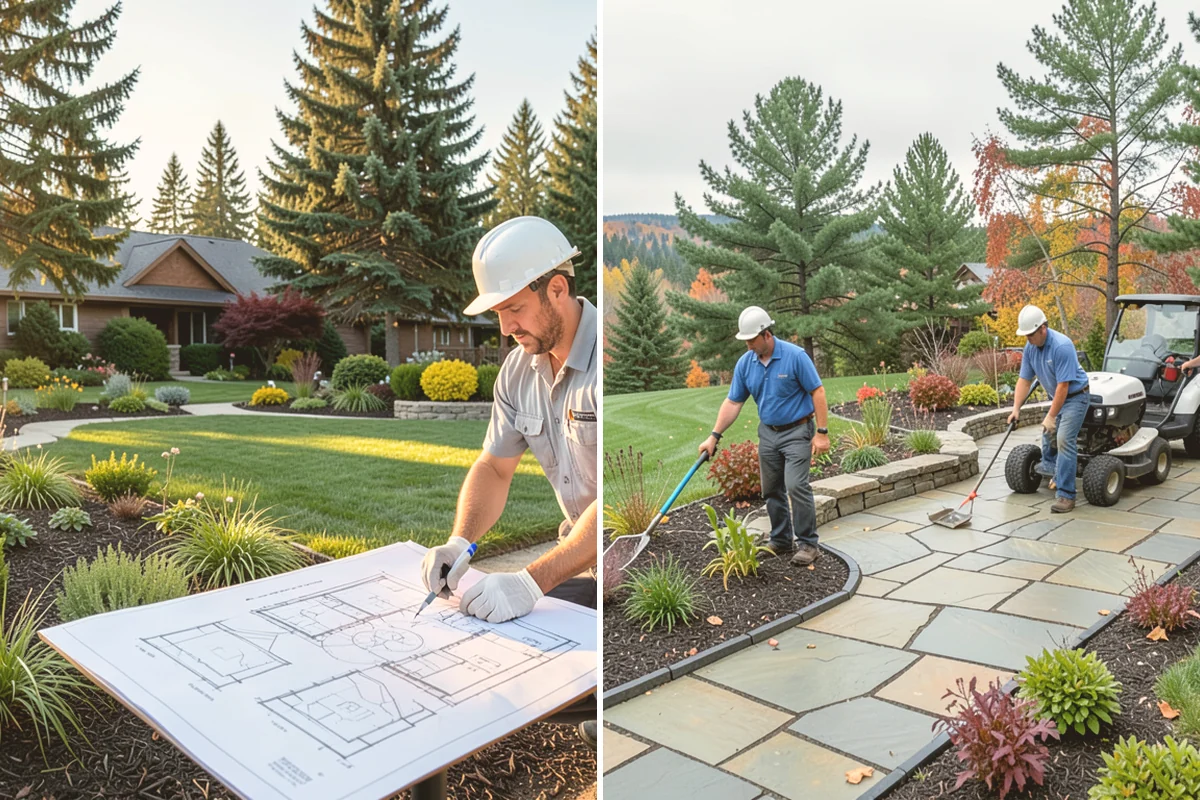
The work usually starts with a walk through the yard. We note sun, slope, drainage and what you want the space to do. Then we plan the layout, remove unwanted turf or weeds, prepare the soil, plant and mulch. Fall is a common planting season in the region because autumn rain helps roots establish before the dry months.
Washington Landscaping has been in business since 2004 and is licensed, bonded and insured. Financing is available, subject to credit approval.
Sammamish yard conditions at a glance
| USDA hardiness zone (2023) | 8b (parts 8b to 9a) |
|---|---|
| Last / first frost (median) | Mar 24 / Nov 14 |
| Late last frost (1 year in 10) | on or after Apr 10 |
| Frost-free season | about 231 days |
| Dry months (under 1.25 in) | July and August |
| Soil drainage (rated land) | 24% well, 72% moderately well, 4% poorly drained |
A year in a Sammamish yard
- Late winter
- Dormant pruning for most deciduous trees and shrubs, before buds break.
- Spring
- Last frost is usually around Mar 24; in 1 year in 10 it comes on or after Apr 10. Plant frost-tender annuals and vegetables after that.
- Early summer
- Check sprinklers and drip lines before July, the start of the dry months here.
- Summer
- July and August average 0.7 in and 1.2 in. Water deeply and less often; mulch beds to hold moisture.
- Fall
- Aerate, overseed and plant trees and shrubs while the soil is warm; first frost is usually around Nov 14. Winterize irrigation before then.
- Winter
- About 34 days a year freeze at night and thaw by day: keep drains, paver joints and wall weep holes clear.
Dates are medians for the city from Daymet 2005-2025; your yard and any given year can differ.
How Sammamish’s soils drain
- Well drained24%
- Moderately well72%
- Poorly drained4%
Share of rated land in the USDA SSURGO soil survey; built-over ground is not rated. A soil check on your lot tells you what you have.
Sources: Daymet daily weather (NASA/ORNL), 2023 USDA Plant Hardiness Zone Map data (PRISM, Oregon State University), USDA SSURGO soil survey, USGS 3DEP elevation, USFS/NLCD tree canopy 2025, US Census ACS 2020-2024.
Sammamish Native Plant Landscaping
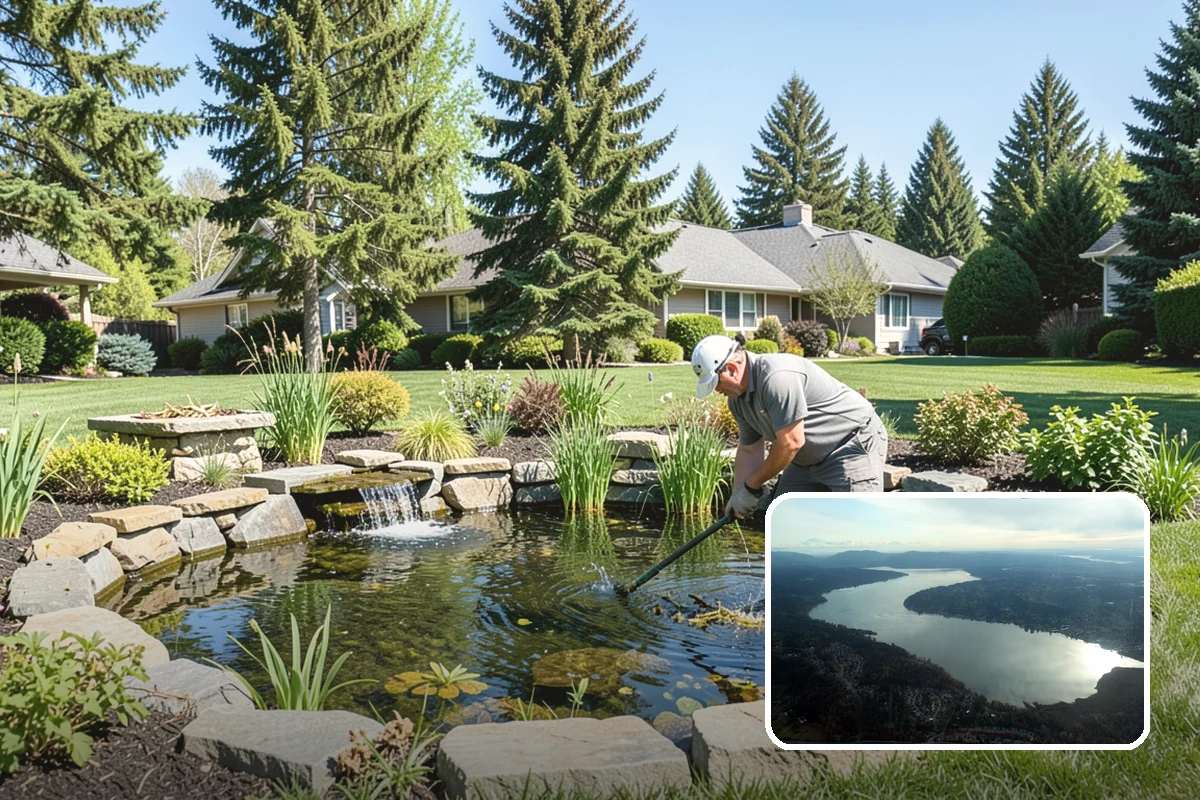
Local Service Information
Sammamish
A residential plateau city on the east side of Lake Sammamish.
Benefits
Thrives on rainfall with little irrigation; Low maintenance and few chemicals; Supports local pollinators and birds; Year-round PNW seasonal interest; A landscape suited to this region
Process
Also serving Sammamish
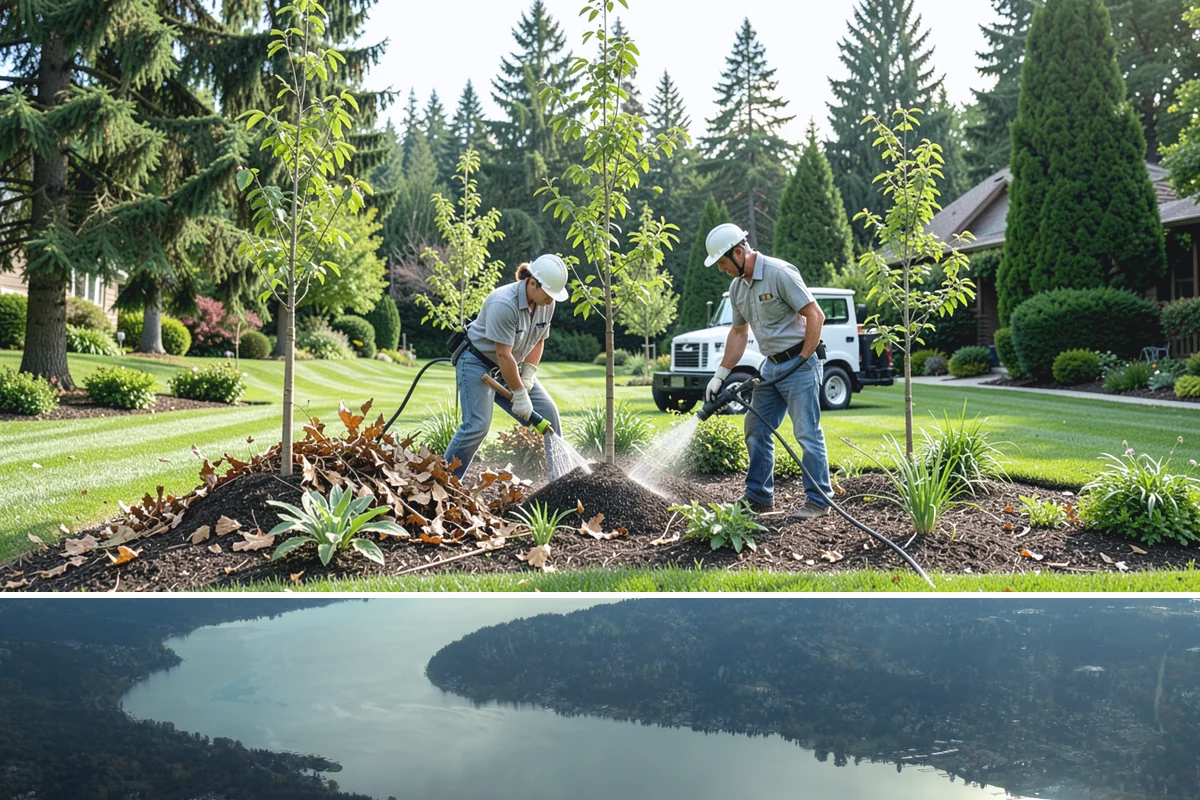
- Tree planting in Sammamishat Washington Tree Services
Get a Free Native Plant Landscaping Estimate in Sammamish
Tell us about your project. We’ll review your needs and provide a customized, no-obligation proposal.
Request a Free Consultation
Complete the form or call our team to discuss your project.
On-Site Assessment
We’ll review your property, discuss your goals, and recommend an appropriate solution.
Receive a Customized Proposal
Receive a detailed estimate outlining the proposed work and pricing.