Shaping Your Outdoors. Surpassing Expectations.

Sammamish Ornamental Grass Planting
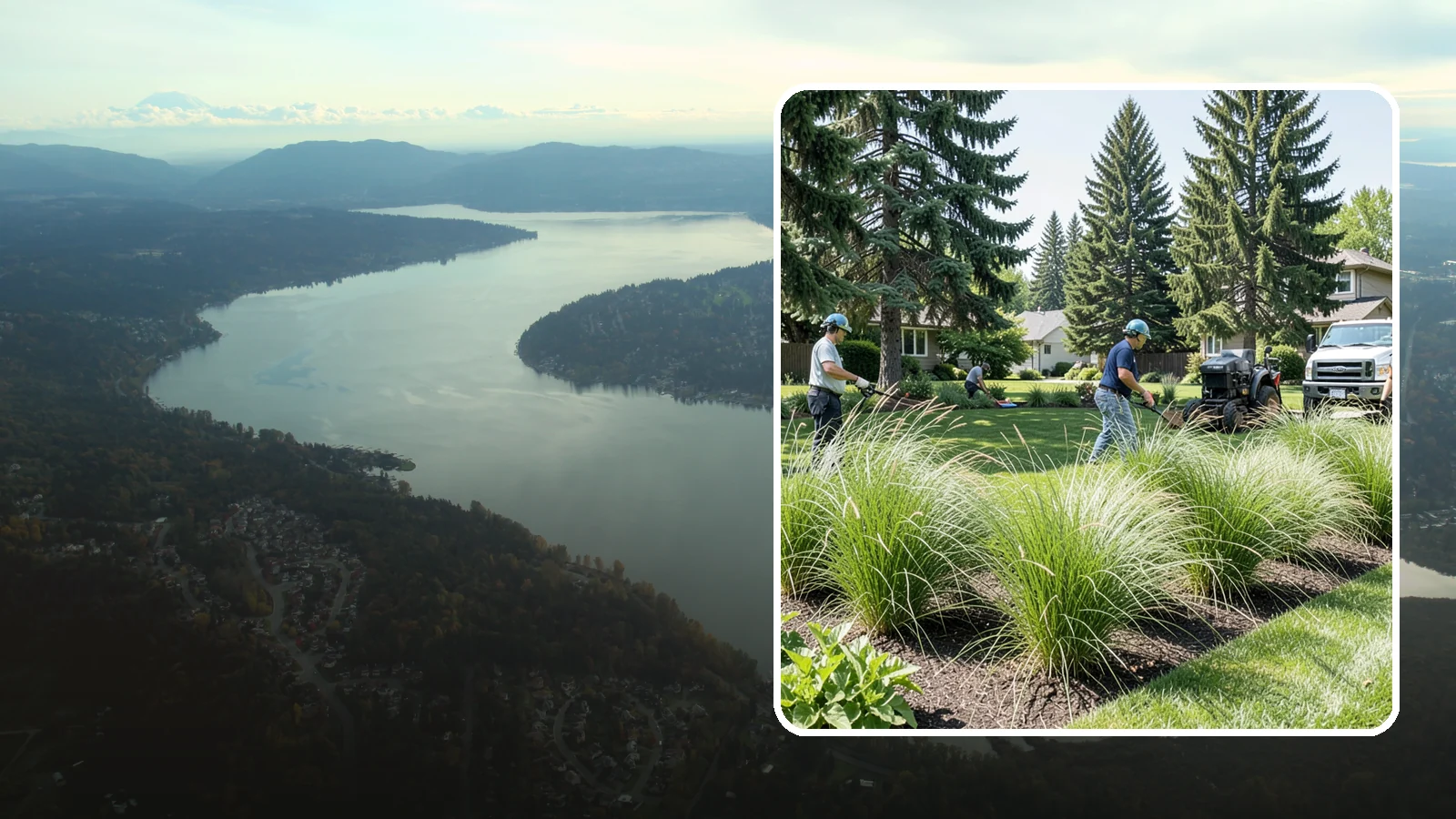
We plant ornamental grasses that add graceful movement and texture to Northwest landscapes.
When is the right time to plant ornamental grasses in Sammamish? For most yards, spring or early fall works well, because the roots can settle in before the dry weather of July and August or before winter sets in. Planting in the middle of summer is possible, but it means more watering.
Washington Landscaping plants ornamental grasses in Sammamish yards, from single clumps in an existing bed to full borders and slope plantings. We help you pick varieties that suit your light, soil and the look you want, then set them at the right depth and spacing.
Planting Ornamental Grasses in Sammamish: Climate and Soil
Summer dryness and first-year watering
Sammamish gets little rain in July and August. Per Daymet data for 2005 to 2025, July averages about 0.71 inches and August about 1.21 inches. New grasses have shallow roots in their first season, so they need regular deep watering through those two months, even for varieties that are drought tolerant once established. Planting in spring or early fall gives roots more time to grow before the dry stretch. A layer of mulch around each clump helps hold moisture.
Hardiness zone and variety choice
The 2023 USDA map places Sammamish in zone 8b, with an average coldest winter night of about 19.8 F. Parts of the city range from 8b to 9a. That suits a wide range of popular grasses, including feather reed grass, fountain grass types, blue fescue and Japanese forest grass. Check the hardiness rating of each plant, since some fountain grasses are less reliable in colder pockets. Frost can also come earlier or later than usual in any year, so zone numbers are a guide, not a guarantee.
Soil drainage in your yard
Per the USDA soil survey, about 24% of Sammamish's rated land is well drained, 72% is moderately well drained and 4% is poorly drained. That describes the city as a whole. Your own yard may differ, especially near a slope bottom or a compacted lawn edge. Drainage affects which grasses will do well:
- Well and moderately well drained soil suits most clumping grasses, including those that prefer drier ground.
- Spots that stay wet in winter may call for moisture-tolerant types, a raised planting area, or soil amendment.
We look at how water behaves in your planting area before recommending varieties. We also cut back and divide grasses as part of ongoing care, usually in late winter or early spring. Call or text 425-433-9444 to ask about a free estimate.
Sammamish yard conditions at a glance
| USDA hardiness zone (2023) | 8b (parts 8b to 9a) |
|---|---|
| Last / first frost (median) | Mar 24 / Nov 14 |
| Late last frost (1 year in 10) | on or after Apr 10 |
| Frost-free season | about 231 days |
| Dry months (under 1.25 in) | July and August |
| Soil drainage (rated land) | 24% well, 72% moderately well, 4% poorly drained |
A year in a Sammamish yard
- Late winter
- Dormant pruning for most deciduous trees and shrubs, before buds break.
- Spring
- Last frost is usually around Mar 24; in 1 year in 10 it comes on or after Apr 10. Plant frost-tender annuals and vegetables after that.
- Early summer
- Check sprinklers and drip lines before July, the start of the dry months here.
- Summer
- July and August average 0.7 in and 1.2 in. Water deeply and less often; mulch beds to hold moisture.
- Fall
- Aerate, overseed and plant trees and shrubs while the soil is warm; first frost is usually around Nov 14. Winterize irrigation before then.
- Winter
- About 34 days a year freeze at night and thaw by day: keep drains, paver joints and wall weep holes clear.
Dates are medians for the city from Daymet 2005-2025; your yard and any given year can differ.
How Sammamish’s soils drain
- Well drained24%
- Moderately well72%
- Poorly drained4%
Share of rated land in the USDA SSURGO soil survey; built-over ground is not rated. A soil check on your lot tells you what you have.
Sources: Daymet daily weather (NASA/ORNL), 2023 USDA Plant Hardiness Zone Map data (PRISM, Oregon State University), USDA SSURGO soil survey, USGS 3DEP elevation, USFS/NLCD tree canopy 2025, US Census ACS 2020-2024.
Sammamish Ornamental Grass Planting
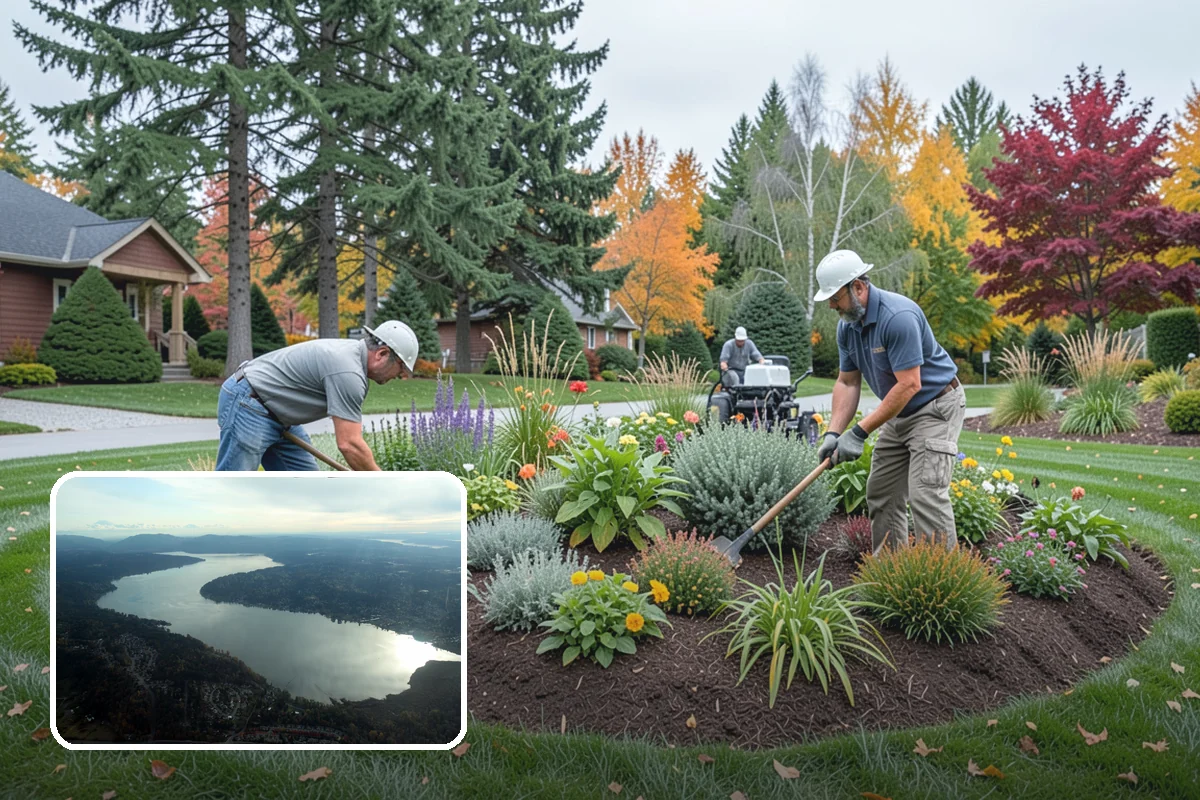
Local Service Information
Sammamish
A residential plateau city on the east side of Lake Sammamish.
Benefits
Striking texture and movement through every season; Excellent drought tolerance once established; Minimal upkeep beyond a yearly trim; Beautiful winter structure and seed-head interest; Easy pairing with natives and perennials

Process
Also serving Sammamish
- Tree replacement in Sammamishat Washington Tree Services
Get a Free Ornamental Grass Planting Estimate in Sammamish
Tell us about your project. We’ll review your needs and provide a customized, no-obligation proposal.
Request a Free Consultation
Complete the form or call our team to discuss your project.
On-Site Assessment
We’ll review your property, discuss your goals, and recommend an appropriate solution.
Receive a Customized Proposal
Receive a detailed estimate outlining the proposed work and pricing.