Shaping Your Outdoors. Surpassing Expectations.

Sammamish Overgrown Hedge Restoration
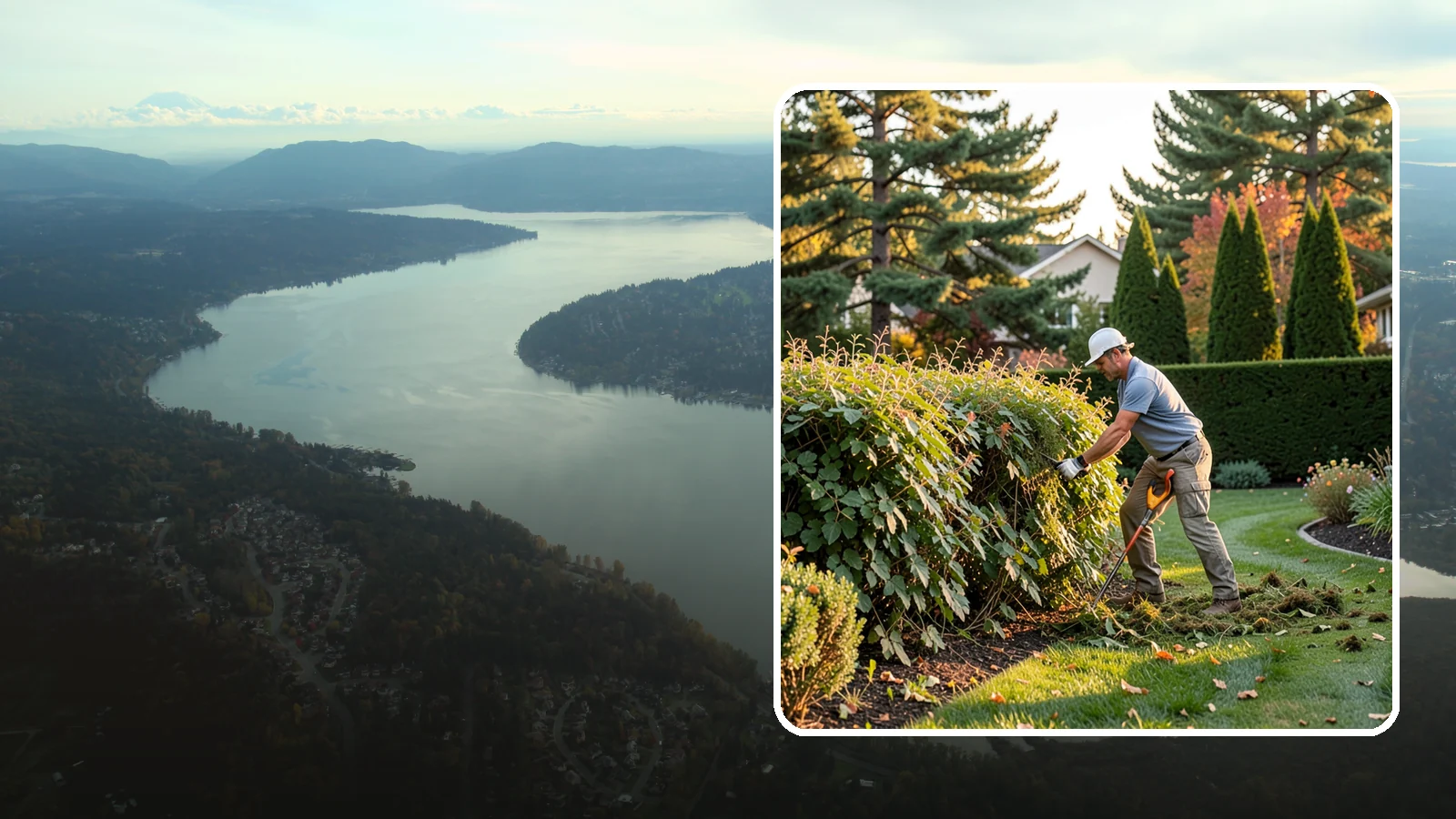
Comprehensive restoration that reclaims neglected, oversized hedges and brings them back to a healthy, manageable, well-defined screen.
In Sammamish, the median last spring frost falls around Mar 24 and the median first fall frost around Nov 14, per Daymet data for 2005-2025. That gives about 231 frost-free days. Hedge restoration usually fits best in the cooler, dormant months before growth starts, or early in that growing window, so the plant has a full season to push new growth.
Frost can come earlier or later in any given year, so treat those dates as a guide, not a deadline. If your hedge has gone woody, leggy or wider than its bed, it helps to plan the work now and start before spring growth begins.
Planning Overgrown Hedge Restoration in Sammamish
Restoring an overgrown hedge is not the same as a routine trim. The goal is to bring size and shape back under control while keeping the plant alive and able to regrow. Whether that works depends heavily on the species. Some shrubs sprout readily from old wood. Others, including many conifers, will not regrow from bare, leafless stems.
What affects scope
Height and width are the first factors. A hedge that has doubled in size may need to be reduced in stages over more than one season rather than in a single cut. Species, overall health and how much green growth remains on the lower branches all shape that plan. Access matters too, since tight side yards and slopes change how debris is moved out. Disease, dead sections or crowding against fences and structures can add work. Because we have an ISA Certified Arborist on staff, questions about plant health and how hard a given species can be cut back can be part of the assessment.
What to expect
A visit comes first, and estimates are free. We look at the hedge, talk through your goals, and explain whether a hard cutback, a staged reduction or replacement makes more sense. Sometimes replacement is the honest answer, especially when a hedge is bare inside or in decline. If you choose to go ahead, the work is cutting, shaping and hauling away the clippings. The hedge may look sparse at first. New growth usually fills in over the following months, though results vary by plant. Financing is available subject to credit approval if the project is larger.
One practical tip
Before we visit, walk the hedge and check for green growth low down and inside, and note any property lines nearby. Photos of the hedge from a few angles help a lot, and you can text them to 425-433-9444.
Sammamish yard conditions at a glance
| USDA hardiness zone (2023) | 8b (parts 8b to 9a) |
|---|---|
| Last / first frost (median) | Mar 24 / Nov 14 |
| Tree canopy | 40.6% of the city |
| Share of rain October to April | 80% |
| Dry months (under 1.25 in) | July and August |
A year in a Sammamish yard
- Late winter
- Dormant pruning for most deciduous trees and shrubs, before buds break.
- Spring
- Last frost is usually around Mar 24; in 1 year in 10 it comes on or after Apr 10. Plant frost-tender annuals and vegetables after that.
- Early summer
- Check sprinklers and drip lines before July, the start of the dry months here.
- Summer
- July and August average 0.7 in and 1.2 in. Water deeply and less often; mulch beds to hold moisture.
- Fall
- Aerate, overseed and plant trees and shrubs while the soil is warm; first frost is usually around Nov 14. Winterize irrigation before then.
- Winter
- About 34 days a year freeze at night and thaw by day: keep drains, paver joints and wall weep holes clear.
Dates are medians for the city from Daymet 2005-2025; your yard and any given year can differ.
Sources: Daymet daily weather (NASA/ORNL), 2023 USDA Plant Hardiness Zone Map data (PRISM, Oregon State University), USDA SSURGO soil survey, USGS 3DEP elevation, USFS/NLCD tree canopy 2025, US Census ACS 2020-2024.
Sammamish Overgrown Hedge Restoration
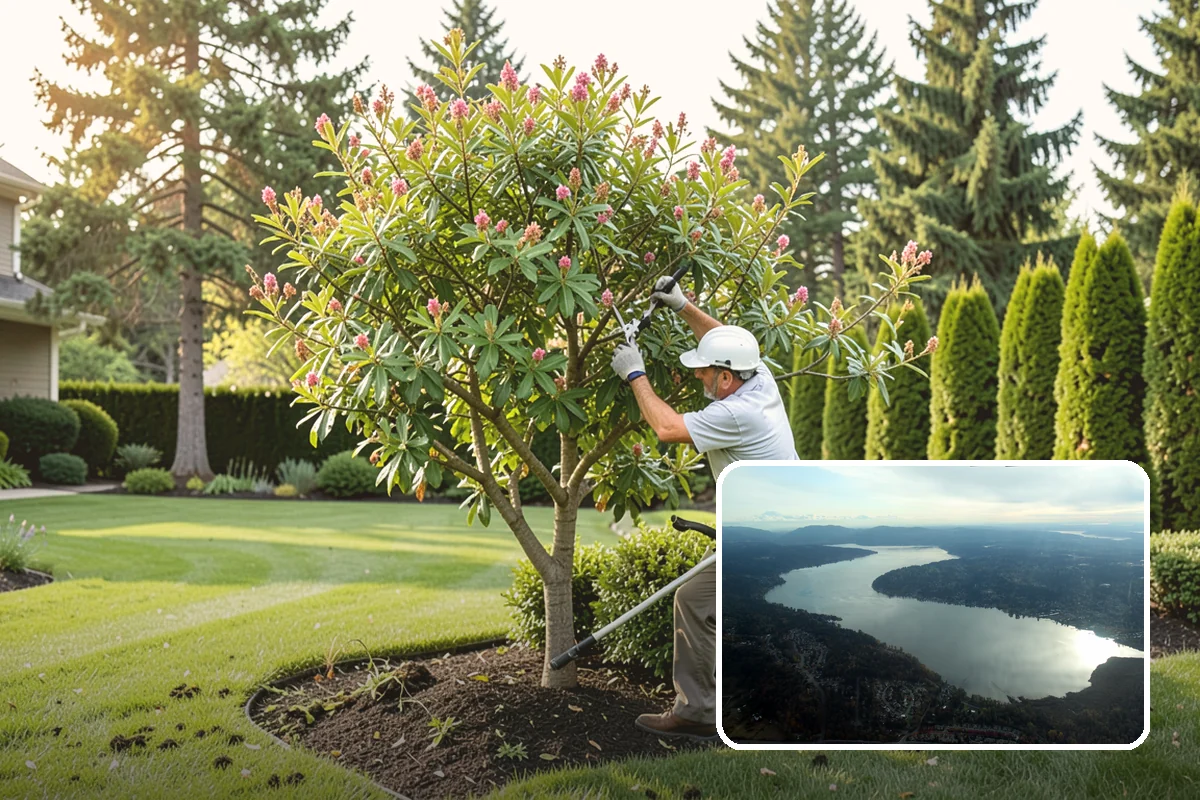
Local Service Information
Sammamish
A residential plateau city on the east side of Lake Sammamish.
Benefits
Reclaims overgrown hedges from fences and paths; Matches method to each species’ regrowth ability; Stages hard cutbacks to reduce plant stress; Removes dead wood and clears PNW moss buildup; Restores airflow to revive thin, shaded foliage
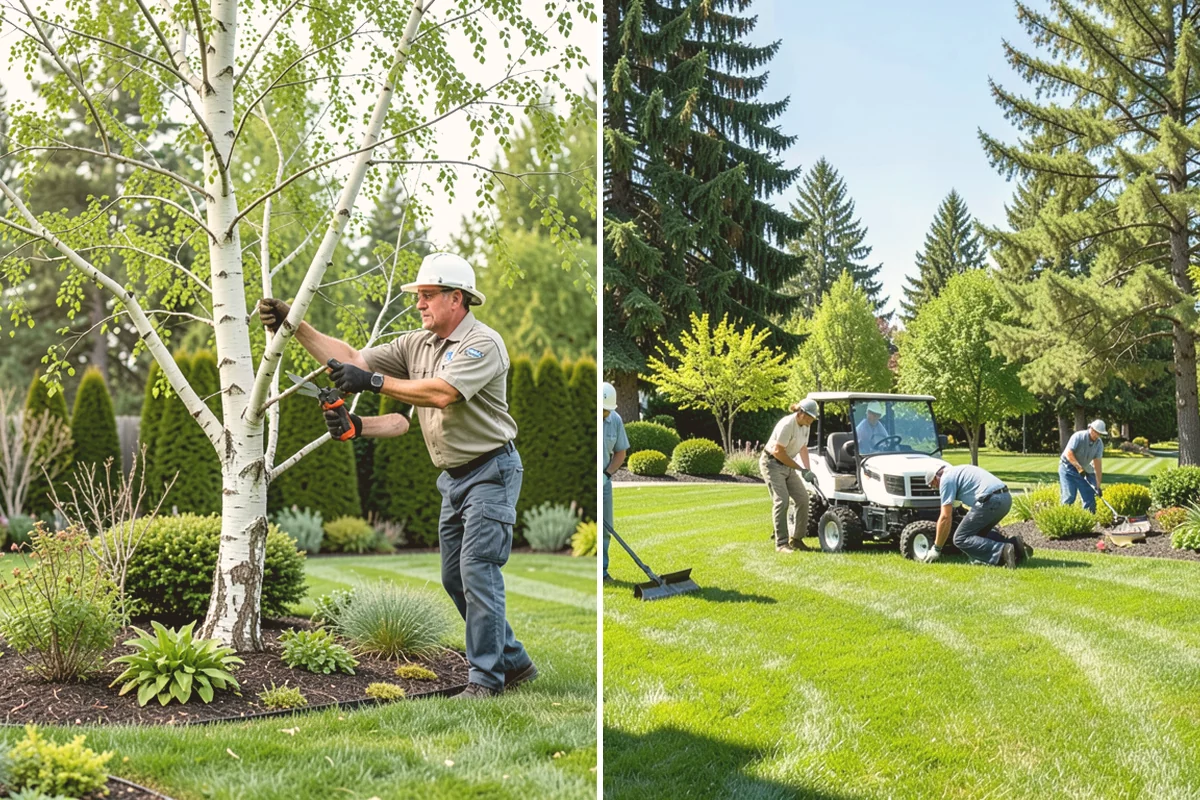
Process
Also serving Sammamish
- Crown cleaning in Sammamishat Washington Tree Services
Get a Free Overgrown Hedge Restoration Estimate in Sammamish
Tell us about your project. We’ll review your needs and provide a customized, no-obligation proposal.
Request a Free Consultation
Complete the form or call our team to discuss your project.
On-Site Assessment
We’ll review your property, discuss your goals, and recommend an appropriate solution.
Receive a Customized Proposal
Receive a detailed estimate outlining the proposed work and pricing.