Shaping Your Outdoors. Surpassing Expectations.

Sammamish Small Tree Removal
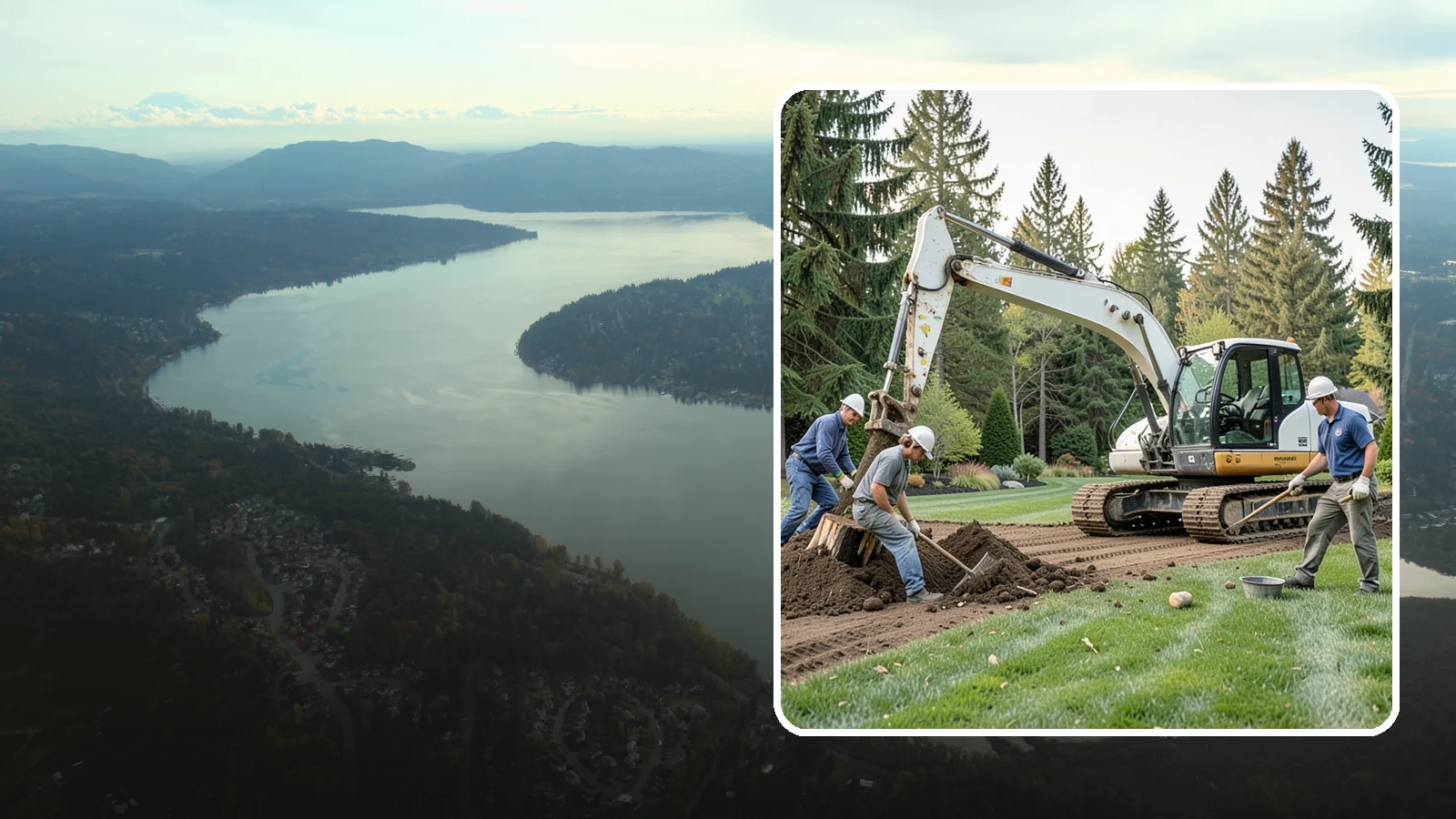
Safe removal of small trees and saplings, including stump grubbing and full cleanup.
Small tree removal in Sammamish often works best in late summer through early fall, when the ground is dry and firm. Equipment is easier on lawns and beds, and hauling is simpler. Wet winter ground is soft and can rut. Dormant-season work also suits some trees, so timing depends on the tree.
Washington Landscaping removes small trees that are dead, leaning, crowding a structure, or planted in the wrong spot. An ISA Certified Arborist is on staff to assess the tree before any cutting starts. Estimates are free. Call or text 425-433-9444 to start.
Planning Small Tree Removal in Sammamish, WA
Sammamish is heavily wooded. Per USFS/NLCD 2025 data, tree canopy covers about 40.6% of the city, and 41.1% of its land is under 50% or more canopy. That describes the city as a whole, and your yard may differ. It does matter for planning. In a wooded lot, a small tree is often surrounded by larger trees, and what stands next to it shapes how it can come down.
What affects the scope
Small does not always mean simple. Several things change the job:
Access is the first. A tree in an open lawn can be felled in sections or dropped whole. A tree beside a fence, deck, or power line needs to be taken down in pieces with ropes. Trunk lean, dead wood, and nearby roots also matter. Whether the stump is ground out or left in place changes the work too, so decide that before the estimate.
Some trees count as protected or are regulated under city rules, especially on sloped or sensitive sites. We check permit needs with the city before work starts, and we can't promise any outcome there.
What to expect
The arborist looks at the tree and the site first. Then you get a free estimate describing what is included, such as cutting, cleanup, hauling, and stump work. Work is done by a licensed, bonded crew, insured for $2M. Financing is available, subject to credit approval.
On the day, the crew protects the area below, cuts the tree down in controlled sections, and clears the debris. Replanting is worth discussing. Sammamish sits in USDA zone 8b, with parts of the city ranging from 8b to 9a. A replacement tree should suit that range and the space it will have at full size.
Practical tip: before the visit, walk the yard and mark the tree, any utilities you know about, and where you might want a replacement. Photos from a few angles help the estimate.
Sammamish yard conditions at a glance
| Tree canopy | 40.6% of the city |
|---|---|
| Land sloping 15% or more | 19% (40% or more: 3%) |
| Soil drainage (rated land) | 24% well, 72% moderately well, 4% poorly drained |
| Share of rain October to April | 80% |
A year in a Sammamish yard
- Late winter
- Dormant pruning for most deciduous trees and shrubs, before buds break.
- Spring
- Last frost is usually around Mar 24; in 1 year in 10 it comes on or after Apr 10. Plant frost-tender annuals and vegetables after that.
- Early summer
- Check sprinklers and drip lines before July, the start of the dry months here.
- Summer
- July and August average 0.7 in and 1.2 in. Water deeply and less often; mulch beds to hold moisture.
- Fall
- Aerate, overseed and plant trees and shrubs while the soil is warm; first frost is usually around Nov 14. Winterize irrigation before then.
- Winter
- About 34 days a year freeze at night and thaw by day: keep drains, paver joints and wall weep holes clear.
Dates are medians for the city from Daymet 2005-2025; your yard and any given year can differ.
How Sammamish’s soils drain
- Well drained24%
- Moderately well72%
- Poorly drained4%
Share of rated land in the USDA SSURGO soil survey; built-over ground is not rated. A soil check on your lot tells you what you have.
Sources: Daymet daily weather (NASA/ORNL), 2023 USDA Plant Hardiness Zone Map data (PRISM, Oregon State University), USDA SSURGO soil survey, USGS 3DEP elevation, USFS/NLCD tree canopy 2025, US Census ACS 2020-2024.
Sammamish Small Tree Removal
Local Service Information
Sammamish
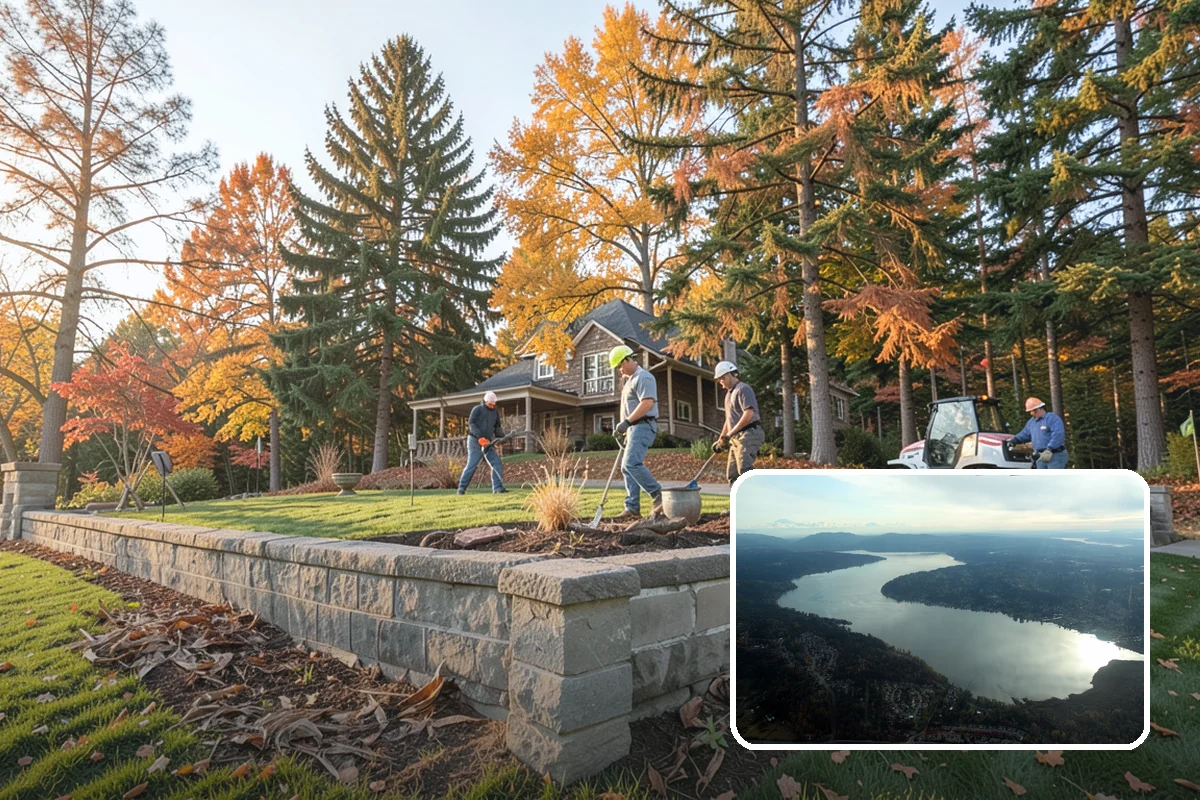
A residential plateau city on the east side of Lake Sammamish.
Benefits
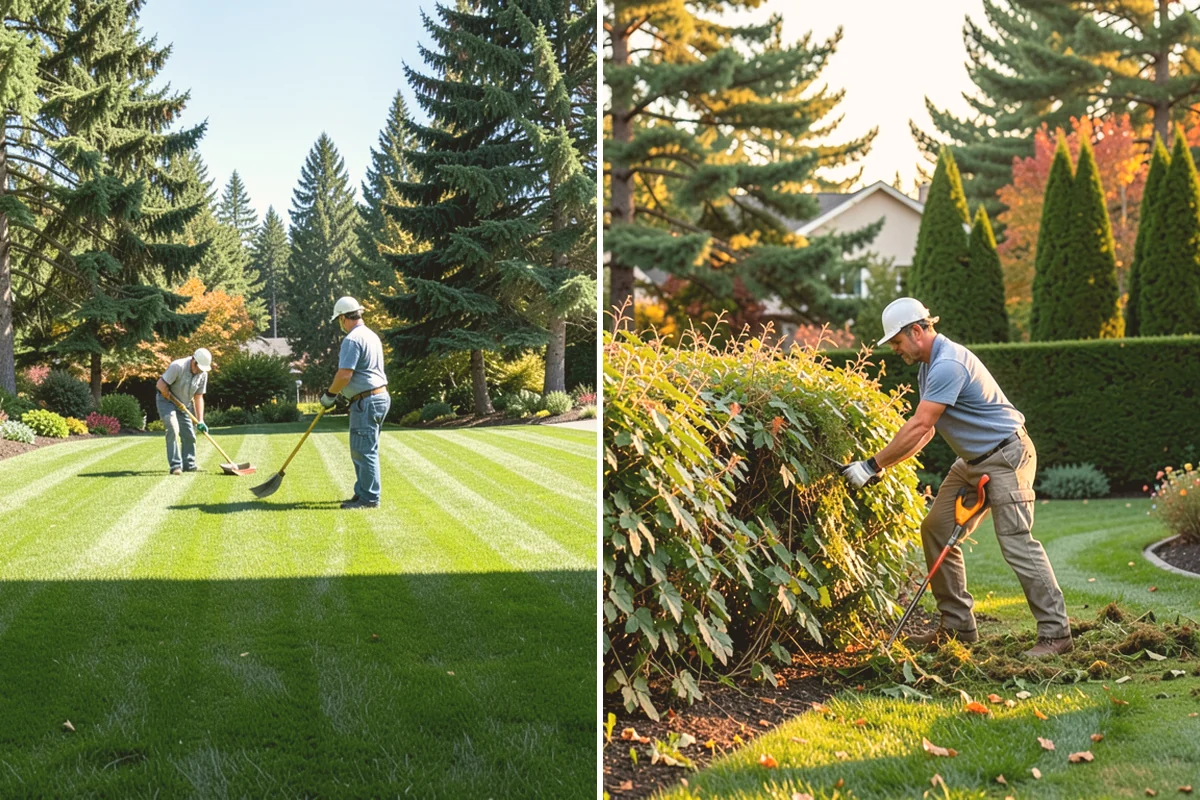
Removes saplings, volunteers, and small ornamentals; Stumps grubbed or ground to prevent regrowth; Nearby beds, fences, and structures protected; Catches fast-seeding volunteers early; Site left clean and replant-ready
Process

Also serving Sammamish
- Tree Pest Management in Sammamishat Washington Tree Services
Get a Free Small Tree Removal Estimate in Sammamish
Tell us about your project. We’ll review your needs and provide a customized, no-obligation proposal.
Request a Free Consultation
Complete the form or call our team to discuss your project.
On-Site Assessment
We’ll review your property, discuss your goals, and recommend an appropriate solution.
Receive a Customized Proposal
Receive a detailed estimate outlining the proposed work and pricing.