Shaping Your Outdoors. Surpassing Expectations.

Sammamish Sod Removal
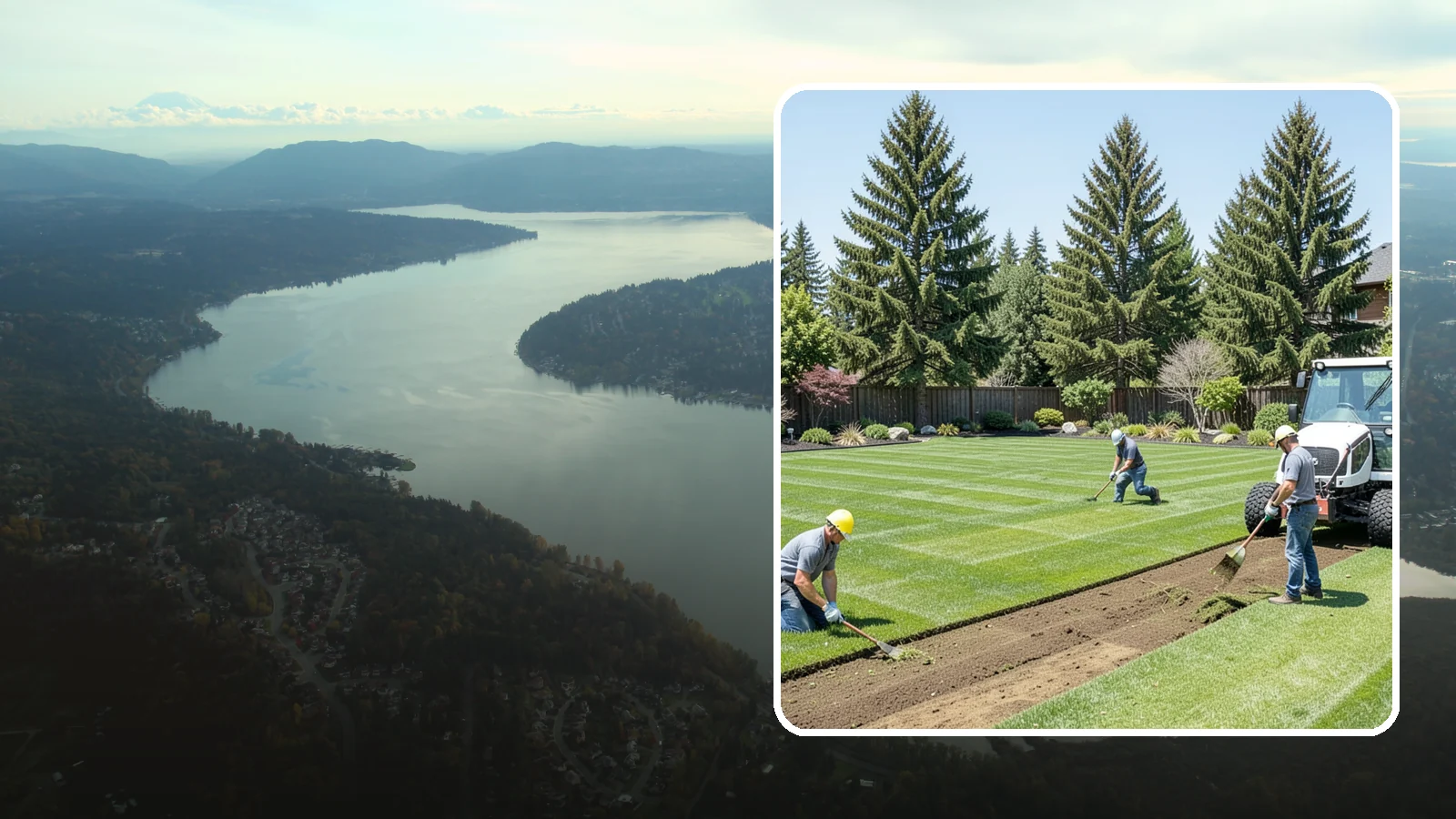
We cleanly strip out existing sod and haul it away to prepare your yard for its next landscape use.
Sod removal in Sammamish makes the most sense in late summer into early fall. July and August are the dry months here, with about 0.71 in of rain in July and about 1.21 in in August (Daymet, 2005-2025). Dry ground is lighter to handle, and cut sod lifts cleaner than it does when soaked.
The median first fall frost is Nov 14, so September and October leave time to remove turf, prepare the soil and plant before cold weather. Frost can come earlier or later in a given year. Washington Landscaping, based in Bothell, offers free estimates.
Planning Sod Removal in Sammamish: Scope, Soil and Timing
Start by deciding what the space will become. A new planting bed, a patch of gravel, a vegetable garden and a reseeded lawn all need different prep. The end use sets how deep we cut and what happens to the soil afterward.
Several things change the scope. The first is area. Large lawns take more labor and produce more debris to haul. The second is slope, since steeper ground is harder to cut evenly and can erode once it is bare. The third is the condition of the turf. Thick thatch, heavy weeds and tree roots near the surface all slow the work.
Drainage matters too. Per the USDA soil survey, about 24% of rated land in Sammamish is well drained, 72% is moderately well drained and 4% is poorly drained. That describes the city as a whole, and your own yard may differ. If water sits in one corner after rain, tell us. Bare soil there needs a plan, such as regrading or a different plant choice, before anything goes in.
On the job itself, sod is typically cut in strips with a sod cutter, rolled or lifted, and hauled away. The thin layer of soil that comes with it is lost, so the surface often sits a little lower. Expect some bare, uneven ground afterward. Depending on the plan, the next steps may be loosening compacted soil, mixing in compost, and raking the area smooth.
Bare soil should not stay open for long. Weeds move in fast, and winter rain can wash loose soil away. Plant, seed or mulch soon after removal.
If you want to plant in the fall, book the work early enough to finish well before the median Nov 14 frost date. Our estimates are free, and you can call or text 425-433-9444.
One practical tip: mow the lawn short a few days before removal, and water lightly if the ground is very hard. Short grass and slightly moist soil let the cutter slice more cleanly.
Sammamish yard conditions at a glance
| Soil drainage (rated land) | 24% well, 72% moderately well, 4% poorly drained |
|---|---|
| Dry months (under 1.25 in) | July and August |
| Frost-free season | about 231 days |
| Tree canopy | 40.6% of the city |
| Days with 0.1 in or more of rain | 128 a year |
A year in a Sammamish yard
- Late winter
- Dormant pruning for most deciduous trees and shrubs, before buds break.
- Spring
- Last frost is usually around Mar 24; in 1 year in 10 it comes on or after Apr 10. Plant frost-tender annuals and vegetables after that.
- Early summer
- Check sprinklers and drip lines before July, the start of the dry months here.
- Summer
- July and August average 0.7 in and 1.2 in. Water deeply and less often; mulch beds to hold moisture.
- Fall
- Aerate, overseed and plant trees and shrubs while the soil is warm; first frost is usually around Nov 14. Winterize irrigation before then.
- Winter
- About 34 days a year freeze at night and thaw by day: keep drains, paver joints and wall weep holes clear.
Dates are medians for the city from Daymet 2005-2025; your yard and any given year can differ.
How Sammamish’s soils drain
- Well drained24%
- Moderately well72%
- Poorly drained4%
Share of rated land in the USDA SSURGO soil survey; built-over ground is not rated. A soil check on your lot tells you what you have.
Sources: Daymet daily weather (NASA/ORNL), 2023 USDA Plant Hardiness Zone Map data (PRISM, Oregon State University), USDA SSURGO soil survey, USGS 3DEP elevation, USFS/NLCD tree canopy 2025, US Census ACS 2020-2024.
Sammamish Sod Removal
Local Service Information
Sammamish
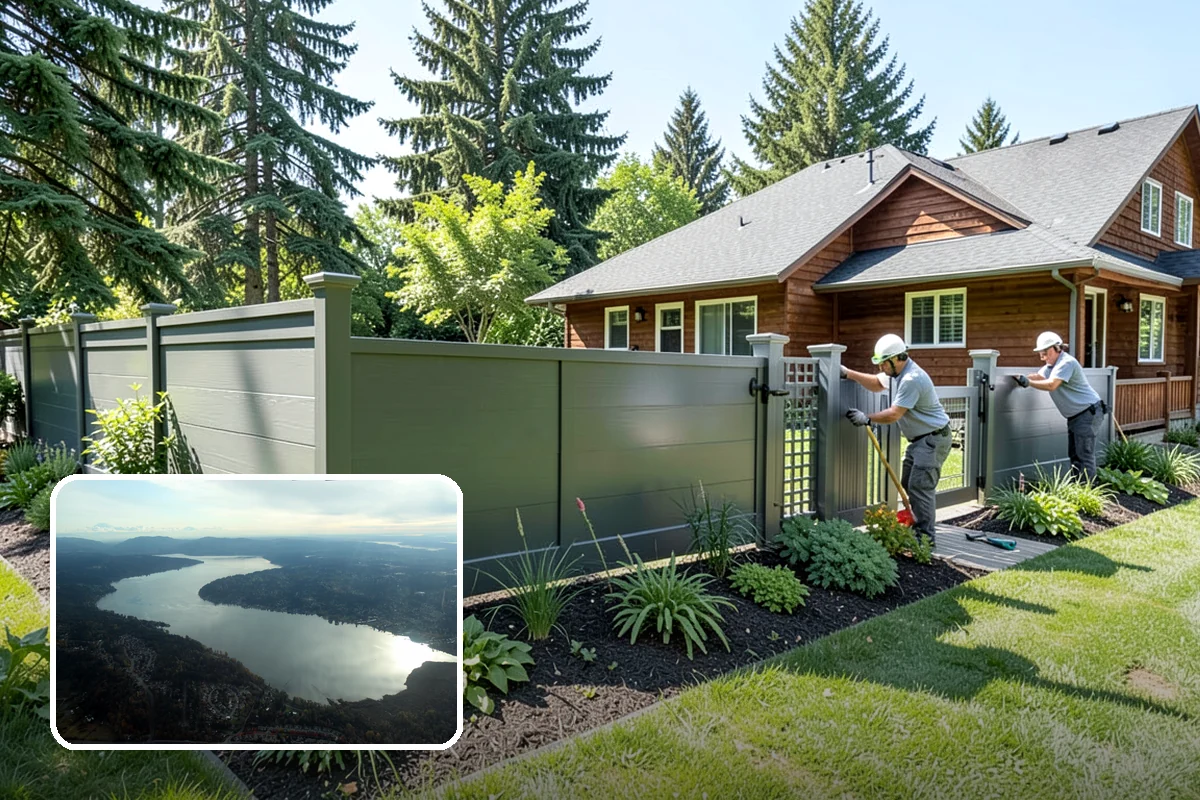
A residential plateau city on the east side of Lake Sammamish.
Benefits
Clean, level surface prepared for the next project; Removal of moss-prone thatch and root mat; No disposal hassle since we haul everything away; Preserved topsoil for immediate reuse; Faster project timelines for follow-on landscaping
Process
Also serving Sammamish
- Tree replacement in Sammamishat Washington Tree Services
Get a Free Sod Removal Estimate in Sammamish
Tell us about your project. We’ll review your needs and provide a customized, no-obligation proposal.
Request a Free Consultation
Complete the form or call our team to discuss your project.
On-Site Assessment
We’ll review your property, discuss your goals, and recommend an appropriate solution.
Receive a Customized Proposal
Receive a detailed estimate outlining the proposed work and pricing.