Shaping Your Outdoors. Surpassing Expectations.

Tacoma Pear Tree Pruning

Structural and fruiting pruning for pear trees that boosts health and harvest.
Your pear tree has grown tall and crowded. Shoots point straight up, branches rub, and the fruit sits out of reach. Or the center is so dense that leaves stay damp long after a rain. Those are common reasons Tacoma homeowners start looking at pruning.
Washington Landscaping has an ISA Certified Arborist on staff. Pruning a pear well means knowing which cuts open the canopy and which ones trigger a flush of weak, fast-growing shoots. Estimates are free.
Pruning Pear Trees in Tacoma's Wet, Mild Climate
Pear trees respond to pruning by sending up vigorous vertical shoots, often called water sprouts. Cut too much at once and the tree produces more of them, not fewer. Left alone, the canopy fills in, shades its own interior, and the branches that carry fruit get weaker.
Tacoma's weather adds a second concern. Daymet records for 2005-2025 show about 118 days a year with 0.1 in or more of rain. That is a lot of wet leaves and wet bark. A dense pear canopy dries slowly, and that favors fungal problems such as pear scab. Opening the center to light and air is standard practice in the Puget Sound region for this reason. Your own yard may be damper or breezier than the city as a whole, so tree placement matters too.
Timing the work
Pears are usually pruned in late winter, while the tree is dormant and before buds break. Tacoma's median last spring frost (32 F) is March 20, per Daymet data for 2005-2025. That is a median, so frost can come earlier or later in a given year. We try to avoid heavy cuts right before a hard freeze, and the arborist can help you judge the timing for your tree.
The USDA lists Tacoma in zone 8b, with an average coldest winter night of about 19.4 F, and parts of the city run from 8b to 9a. Most pear varieties handle that range well. Cold hardiness is rarely the limit here. Moisture and structure are.
What the work looks like
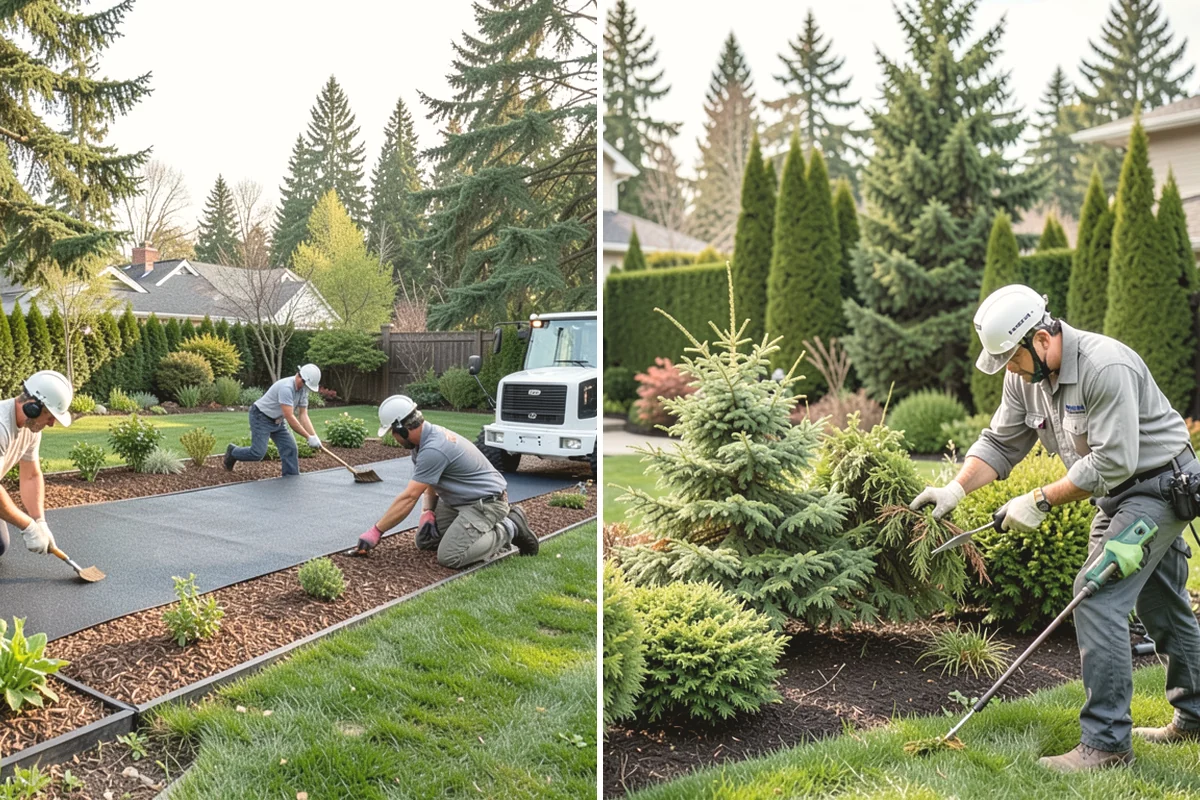
We start by studying the tree's shape and age. Then we remove dead, damaged, and crossing branches first. Next we thin crowded growth so light reaches the center, and we choose a strong set of main limbs. We also reduce height gradually when the tree has outgrown its space, rather than topping it. The goal is a tree that is easier to harvest and to keep healthy.
Call or text 425-433-9444 to set up a free estimate. We are licensed, bonded and insured.
Tacoma yard conditions at a glance
| USDA hardiness zone (2023) | 8b (parts 8b to 9a) |
|---|---|
| Last / first frost (median) | Mar 20 / Nov 14 |
| Tree canopy | 15.9% of the city |
| Share of rain October to April | 83% |
| Dry months (under 1.25 in) | July and August |
A year in a Tacoma yard
- Late winter
- Dormant pruning for most deciduous trees and shrubs, before buds break.
- Spring
- Last frost is usually around Mar 20; in 1 year in 10 it comes on or after Apr 8. Plant frost-tender annuals and vegetables after that.
- Early summer
- Check sprinklers and drip lines before July, the start of the dry months here.
- Summer
- July and August average 0.5 in and 0.9 in. Water deeply and less often; mulch beds to hold moisture.
- Fall
- Aerate, overseed and plant trees and shrubs while the soil is warm; first frost is usually around Nov 14. Winterize irrigation before then.
- Winter
- About 31 days a year freeze at night and thaw by day: keep drains, paver joints and wall weep holes clear.
Dates are medians for the city from Daymet 2005-2025; your yard and any given year can differ.
Sources: Daymet daily weather (NASA/ORNL), 2023 USDA Plant Hardiness Zone Map data (PRISM, Oregon State University), USDA SSURGO soil survey, USGS 3DEP elevation, USFS/NLCD tree canopy 2025, US Census ACS 2020-2024.
Tacoma Pear Tree Pruning
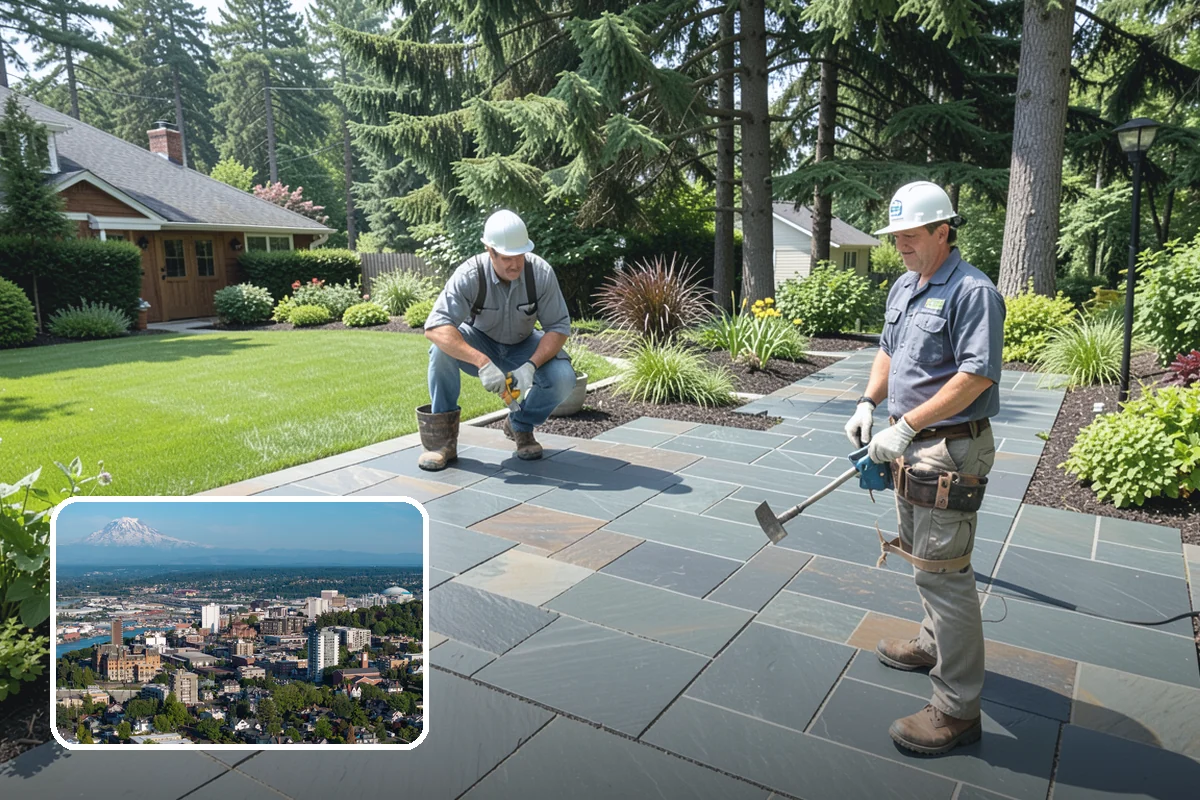
Local Service Information
Tacoma
The Pierce County seat and a major port city on Commencement Bay of Puget Sound.
Benefits
Opens congested, upright growth; Better fruit quality and quantity; Deadwood and crossing branches removed; Fire blight watched and managed; Strong, well-spaced fruiting wood
Process
Pear Tree Pruning in nearby areas
Also serving Tacoma
- Tree Trimming in Tacomaat Washington Tree Services
Get a Free Pear Tree Pruning Estimate in Tacoma
Tell us about your project. We’ll review your needs and provide a customized, no-obligation proposal.
Request a Free Consultation
Complete the form or call our team to discuss your project.
On-Site Assessment
We’ll review your property, discuss your goals, and recommend an appropriate solution.
Receive a Customized Proposal
Receive a detailed estimate outlining the proposed work and pricing.