Shaping Your Outdoors. Surpassing Expectations.

Tacoma Pine Tree Pruning

Pine pruning for health, safety, and form, using techniques suited to conifers.
You look out at your pine and see brown inner needles, dead branches near the trunk, or limbs reaching toward the roof or power line. Maybe the tree has grown so dense that it blocks light, or a heavy limb hangs lower than it used to.
Washington Landscaping prunes pine trees for Tacoma homeowners. We have an ISA Certified Arborist on staff, and estimates are free. Call or text 425-433-9444 to talk through what your tree needs.
Pine Tree Pruning in Tacoma: Timing, Cuts and Care
Pines do not grow like most broadleaf trees. Many species add length only at the branch tips, and they rarely sprout new growth from bare wood. A branch cut back to a leafless stub usually stays bare. That is why pine pruning is mostly about removing whole branches or shortening them to a side branch, not shearing the tree into shape.
Why pines get brown, crowded or dangerous
Some browning is normal. Pines shed older inner needles, and this is often most visible in fall. Dead branches, though, come from shade, crowding, disease, insects or past damage. Low limbs can also grow into walkways, roofs and driveways as the tree ages.
What Tacoma conditions mean for timing
Tacoma has dry months. July and August average about 0.53 in and 0.9 in of rain (Daymet, 2005-2025). A pine that has just been pruned is under some stress, and heavy cuts going into a dry stretch add to it. Pruning in the dormant season is often the more careful choice, and dead branches can be removed at most times of year. Your own yard may be wetter or drier than the city average, so a tree on a sunny, well-drained slope may need different attention than one in a damp, shaded corner.
Tacoma is in USDA zone 8b, with parts of the city from 8b to 9a. Most pines commonly planted here handle that range. Winter cold is rarely the main concern. Wind, crowding and drought stress matter more.
Tree canopy covers about 15.9% of Tacoma (USFS/NLCD 2025). Each tree on a lot matters to the canopy, so we aim to keep as much healthy growth as the job allows.
How the work goes
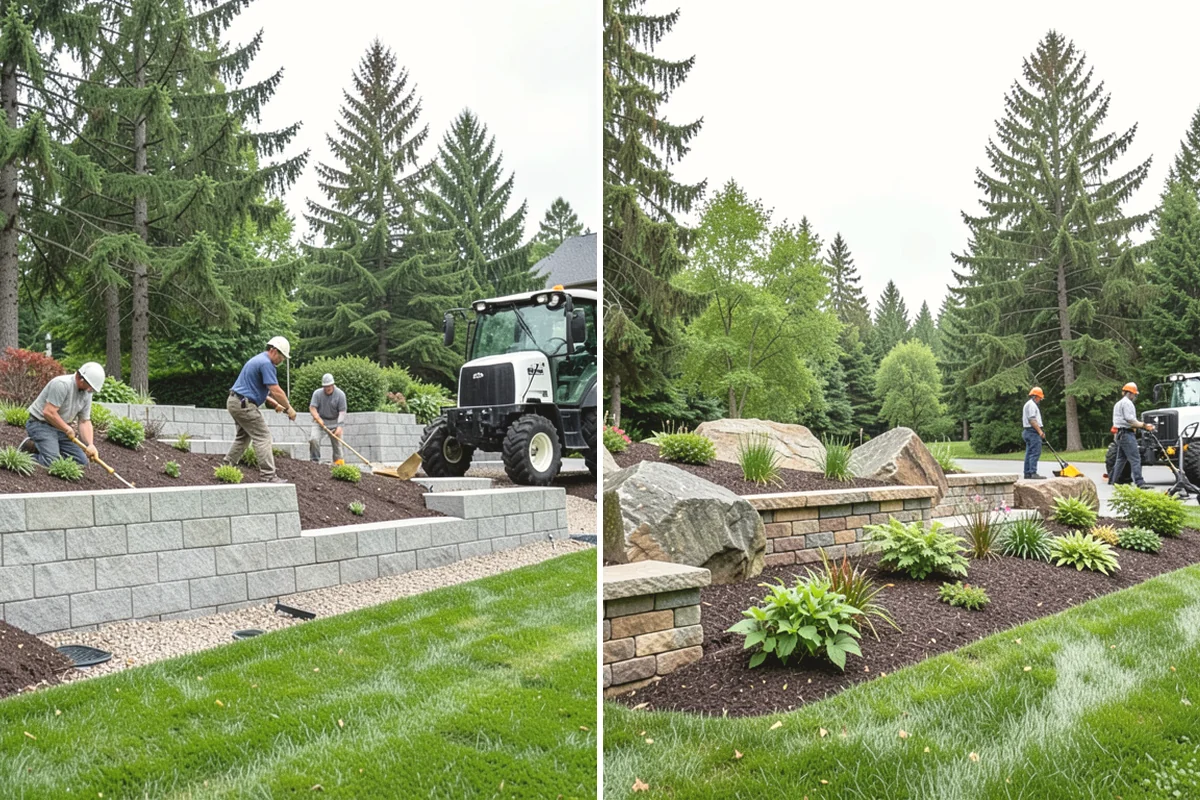
Our ISA Certified Arborist looks at the tree first. We identify dead, broken, rubbing or crossing branches, and branches that touch structures. We then make clean cuts just outside the branch collar, never flush to the trunk and never leaving long stubs. We do not remove more than a modest share of the live crown in a visit, because pines recover slowly from heavy cuts. Large limbs are cut in stages so they do not tear the bark. Where a tree is leaning, split or badly diseased, we will tell you if removal is a better option than pruning.
Tacoma yard conditions at a glance
| USDA hardiness zone (2023) | 8b (parts 8b to 9a) |
|---|---|
| Last / first frost (median) | Mar 20 / Nov 14 |
| Tree canopy | 15.9% of the city |
| Share of rain October to April | 83% |
| Dry months (under 1.25 in) | July and August |
A year in a Tacoma yard
- Late winter
- Dormant pruning for most deciduous trees and shrubs, before buds break.
- Spring
- Last frost is usually around Mar 20; in 1 year in 10 it comes on or after Apr 8. Plant frost-tender annuals and vegetables after that.
- Early summer
- Check sprinklers and drip lines before July, the start of the dry months here.
- Summer
- July and August average 0.5 in and 0.9 in. Water deeply and less often; mulch beds to hold moisture.
- Fall
- Aerate, overseed and plant trees and shrubs while the soil is warm; first frost is usually around Nov 14. Winterize irrigation before then.
- Winter
- About 31 days a year freeze at night and thaw by day: keep drains, paver joints and wall weep holes clear.
Dates are medians for the city from Daymet 2005-2025; your yard and any given year can differ.
Sources: Daymet daily weather (NASA/ORNL), 2023 USDA Plant Hardiness Zone Map data (PRISM, Oregon State University), USDA SSURGO soil survey, USGS 3DEP elevation, USFS/NLCD tree canopy 2025, US Census ACS 2020-2024.
Tacoma Pine Tree Pruning
Local Service Information
Tacoma
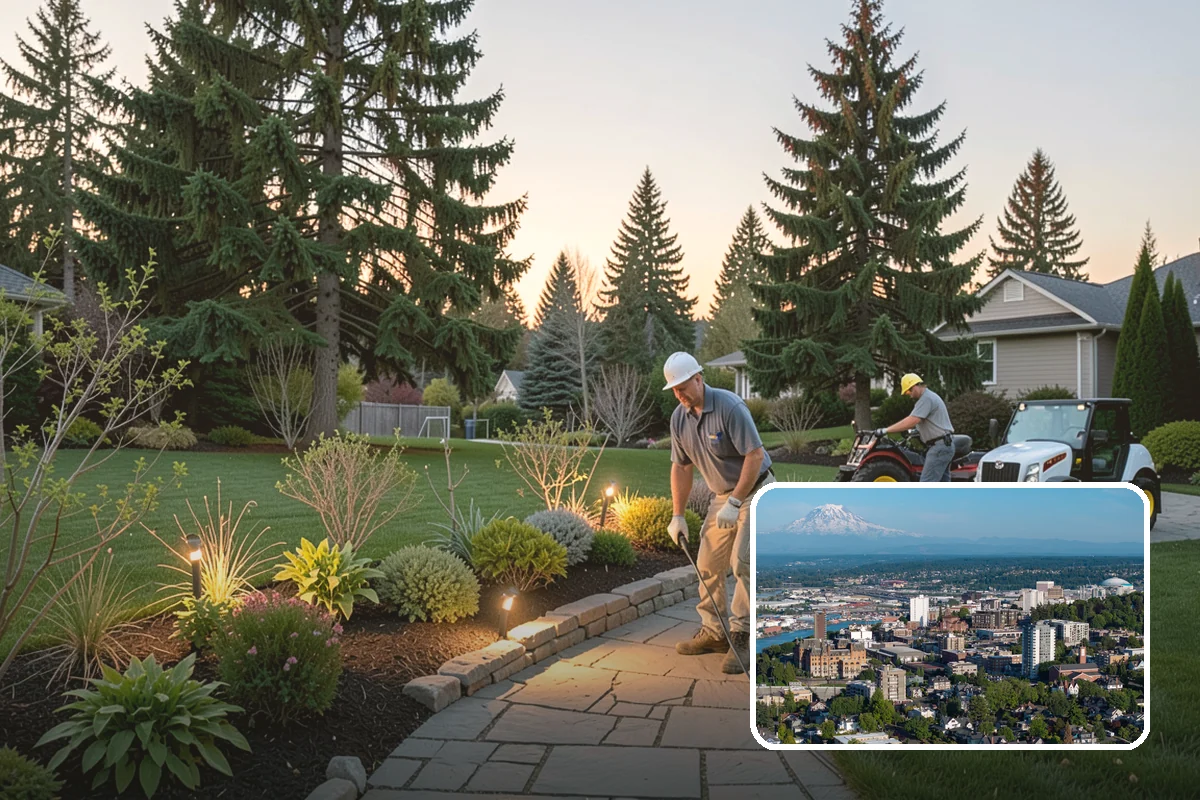
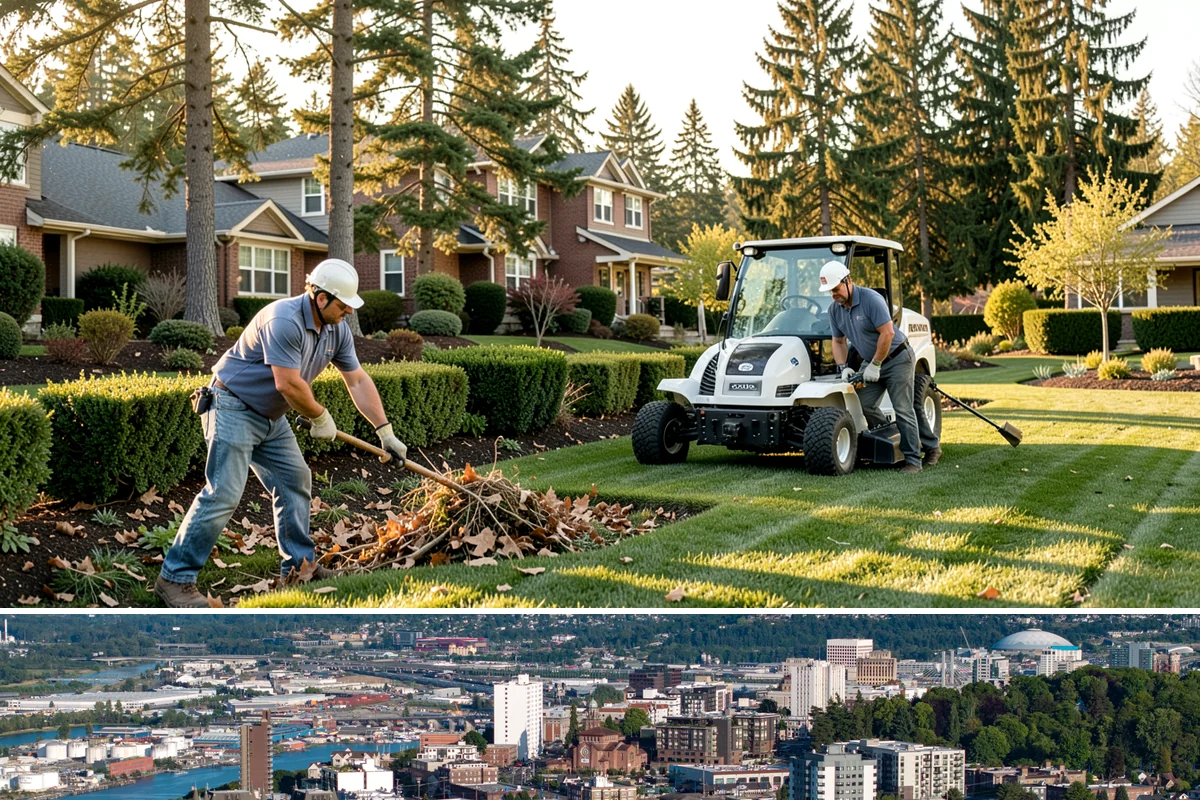
The Pierce County seat and a major port city on Commencement Bay of Puget Sound.
Benefits
Conifer-appropriate techniques; Deadwood and hazards removed; Canopy raised or thinned for clearance; Candling to control density; Respects the pine’s growth habit
Process
Pine Tree Pruning in nearby areas
Also serving Tacoma
- Weight reduction pruning in Tacomaat Washington Tree Services
Get a Free Pine Tree Pruning Estimate in Tacoma
Tell us about your project. We’ll review your needs and provide a customized, no-obligation proposal.
Request a Free Consultation
Complete the form or call our team to discuss your project.
On-Site Assessment
We’ll review your property, discuss your goals, and recommend an appropriate solution.
Receive a Customized Proposal
Receive a detailed estimate outlining the proposed work and pricing.