Shaping Your Outdoors. Surpassing Expectations.

Tacoma Seasonal Color Rotation
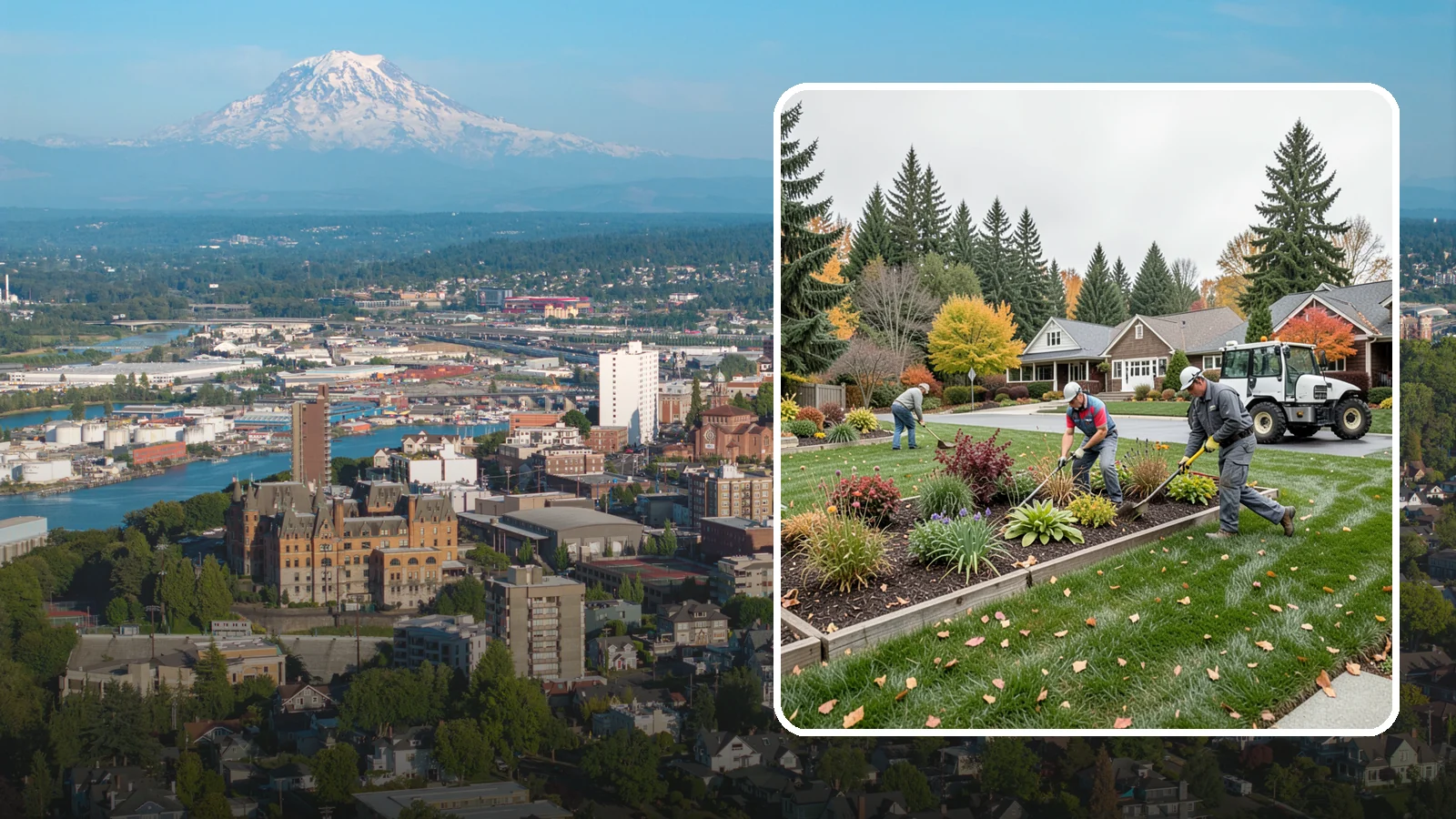
A managed program that rotates fresh seasonal plantings so your beds and containers always look their best.
In Tacoma, seasonal color rotation makes the most sense in two windows: around the median last spring frost of Mar 20, and ahead of the median first fall frost of Nov 14. Those dates mark a frost-free stretch of about 235 days. Frost can come earlier or later in any given year.
Washington Landscaping, based in Bothell and in business since 2004, swaps out tired annuals and pansies, bulbs and cool-season plants in beds and containers so your entry and borders keep color through the year. Estimates are free.
Planning Seasonal Color Rotation in Tacoma Yards
Start with the calendar. Per Daymet data for 2005-2025, Tacoma's median last spring frost is Mar 20 and its median first fall frost is Nov 14. Those are medians, not promises. Some years frost arrives sooner or lingers later.
Planning the rotation
Tender summer annuals generally go in after the last frost date has passed, so many people wait until late March or later, and some wait longer for warmth-loving plants. Cool-season color such as pansies, violas, and ornamental kale handles chilly weather better, so it goes in as fall approaches. Spring bulbs are planted in fall, which means that beds planned for tulips or daffodils need a decision before the first frost, not after.
What affects scope
The size of the beds and the number of containers set the amount of planting. Soil condition matters too. Beds that stay soggy or compacted may need amending before new plants go in, and your own yard may drain differently from the one next door. Sun exposure changes which plants make sense. A shaded entry and a bright south-facing border call for different choices. Removing spent plants and refreshing mulch adds to the work.
What to expect
We begin by walking the beds and pots with you and talking through colors, heights, and how much upkeep you want. The visit and estimate are free. On the day of the swap, old plants come out, the soil is loosened and refreshed, and new plants go in. Cleanup follows. Financing is available subject to credit approval, and the company is licensed, bonded, and insured.
Practical tip: pick your fall plants and bulbs in early autumn, well before November, so the roots can settle in before a frost arrives.
Tacoma yard conditions at a glance
| USDA hardiness zone (2023) | 8b (parts 8b to 9a) |
|---|---|
| Last / first frost (median) | Mar 20 / Nov 14 |
| Late last frost (1 year in 10) | on or after Apr 8 |
| Frost-free season | about 235 days |
| Dry months (under 1.25 in) | July and August |
| Soil drainage (rated land) | 17% well, 75% moderately well, 7% poorly drained |
A year in a Tacoma yard
- Late winter
- Dormant pruning for most deciduous trees and shrubs, before buds break.
- Spring
- Last frost is usually around Mar 20; in 1 year in 10 it comes on or after Apr 8. Plant frost-tender annuals and vegetables after that.
- Early summer
- Check sprinklers and drip lines before July, the start of the dry months here.
- Summer
- July and August average 0.5 in and 0.9 in. Water deeply and less often; mulch beds to hold moisture.
- Fall
- Aerate, overseed and plant trees and shrubs while the soil is warm; first frost is usually around Nov 14. Winterize irrigation before then.
- Winter
- About 31 days a year freeze at night and thaw by day: keep drains, paver joints and wall weep holes clear.
Dates are medians for the city from Daymet 2005-2025; your yard and any given year can differ.
How Tacoma’s soils drain
- Well drained17%
- Moderately well75%
- Poorly drained7%
Share of rated land in the USDA SSURGO soil survey; built-over ground is not rated. A soil check on your lot tells you what you have.
Sources: Daymet daily weather (NASA/ORNL), 2023 USDA Plant Hardiness Zone Map data (PRISM, Oregon State University), USDA SSURGO soil survey, USGS 3DEP elevation, USFS/NLCD tree canopy 2025, US Census ACS 2020-2024.
Tacoma Seasonal Color Rotation
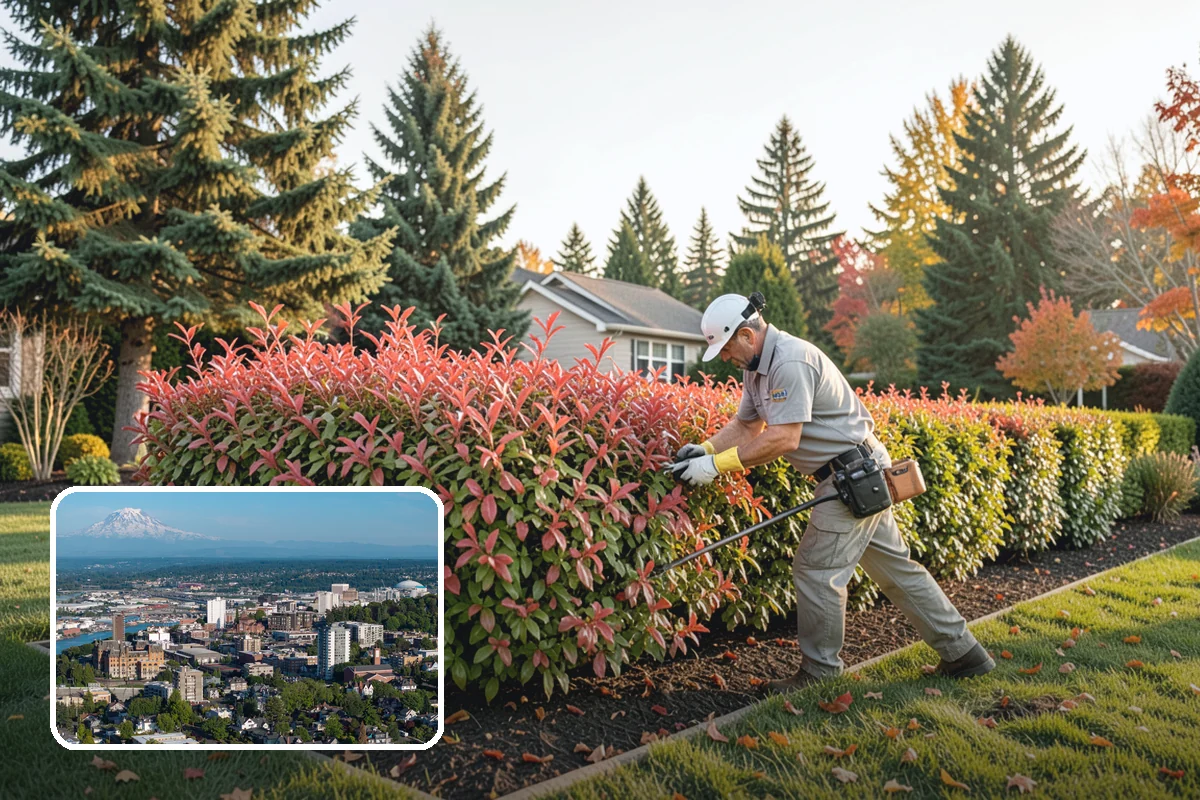
Local Service Information
Tacoma
The Pierce County seat and a major port city on Commencement Bay of Puget Sound.
Benefits
Fresh, peak-looking color year-round; Never a tired or dead planting stretch; Planned sequence of seasonal displays; The look upscale properties use; Scaled to your beds and budget
Process
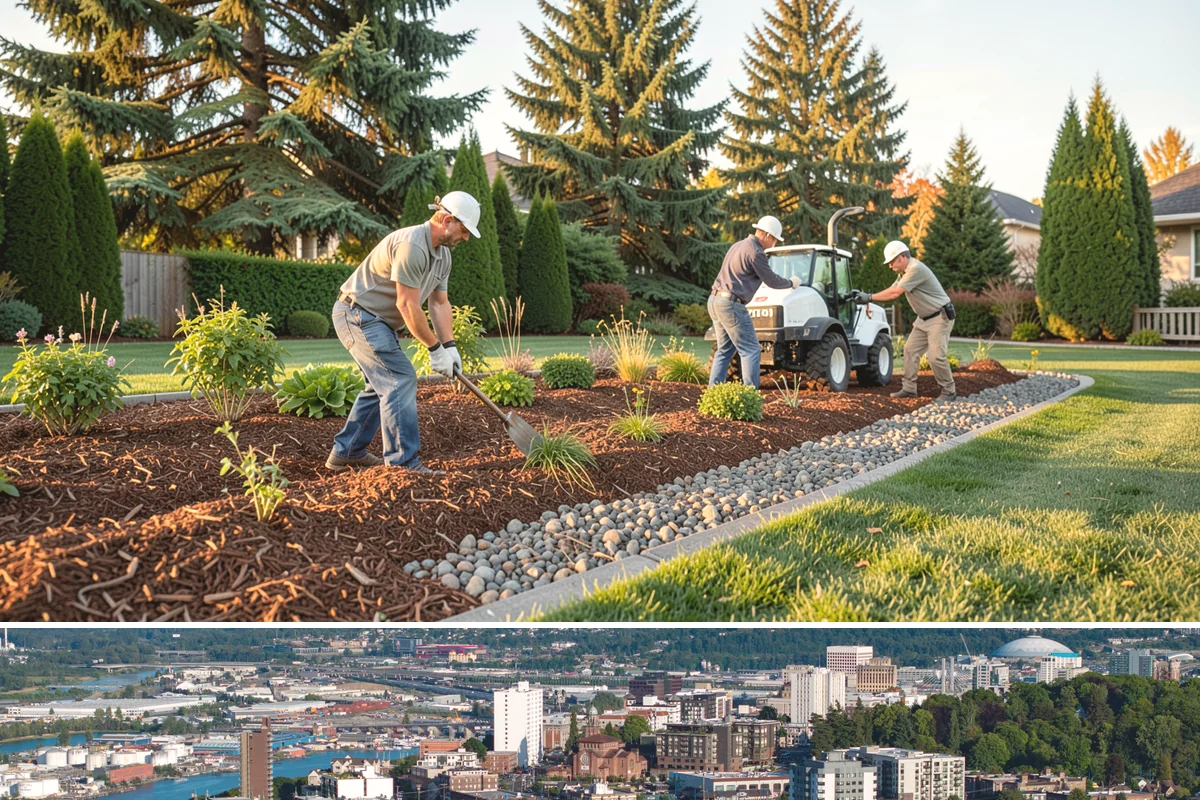
Seasonal Color Rotation in nearby areas
Also serving Tacoma
- Tree replacement in Tacomaat Washington Tree Services
Get a Free Seasonal Color Rotation Estimate in Tacoma
Tell us about your project. We’ll review your needs and provide a customized, no-obligation proposal.
Request a Free Consultation
Complete the form or call our team to discuss your project.
On-Site Assessment
We’ll review your property, discuss your goals, and recommend an appropriate solution.
Receive a Customized Proposal
Receive a detailed estimate outlining the proposed work and pricing.