Shaping Your Outdoors. Surpassing Expectations.

Tacoma Seating Wall Installation
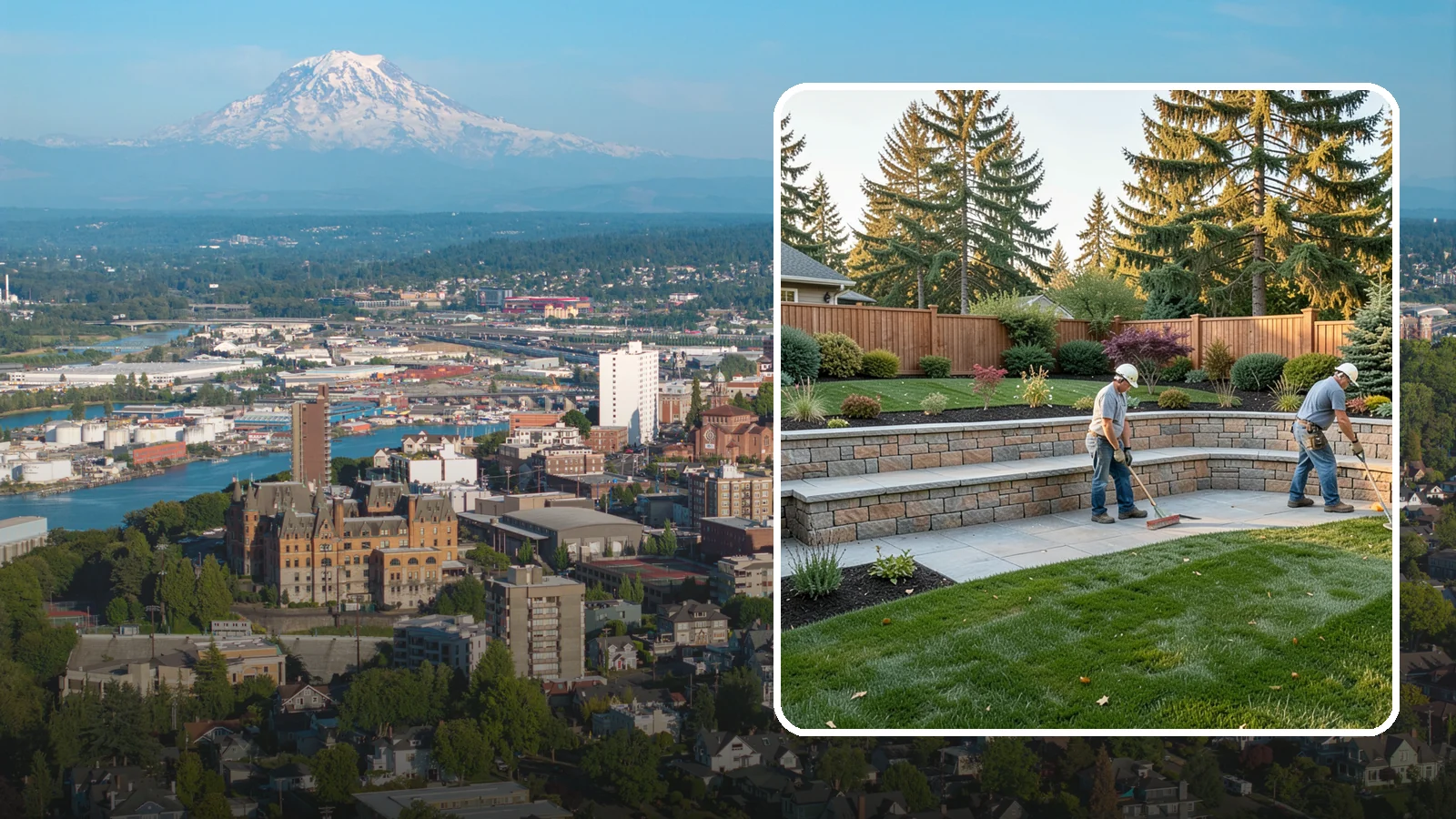
Built-in seating walls that add permanent seating and definition to patios and gathering spaces.
In Tacoma, seating walls make the most sense to build from spring through fall. The frost-free season runs about 235 days, from about Mar 20 to Nov 14 (a median, so frost can come earlier or later in a given year). Mortar and concrete footings cure best without freezing nights.
Washington Landscaping, based in Bothell, builds seating walls for patios, fire pits and garden edges. We offer free estimates, and our hardscaping work carries a 1-year workmanship warranty. This page explains how planning, scope and the build itself usually go.
Planning a Seating Wall in Tacoma: Scope, Timing and Process
Start with how you want to use the wall. A low wall around a fire pit needs different dimensions than a bench-height wall along a patio edge. Seat height, depth and length decide how much material and base work the job needs.
What affects scope
Wall height, length, and the material you choose (block, natural stone or poured concrete with a veneer) drive most of the work. Site conditions matter too. A sloped yard may need the wall to hold back soil, which is more involved than a freestanding wall. Drainage behind the wall also needs attention so water does not build up and push on it.
Permit needs for walls are checked with the city before work starts. Taller walls and walls that retain soil are the most likely to raise questions, so we confirm this early rather than midway through the job.
Why freezing matters here
Tacoma sees about 31 days a year that freeze at night and thaw by day, per Daymet. Repeated freeze and thaw cycles can shift a poorly built base and crack mortar joints. That is why a compacted gravel base, proper footing depth and good drainage are standard practice. The city sits in USDA zone 8b, with parts ranging from 8b to 9a, so winters are mild, but those cycles still happen. Your own yard may differ from the citywide numbers, especially if it is shaded or low-lying.
What to expect
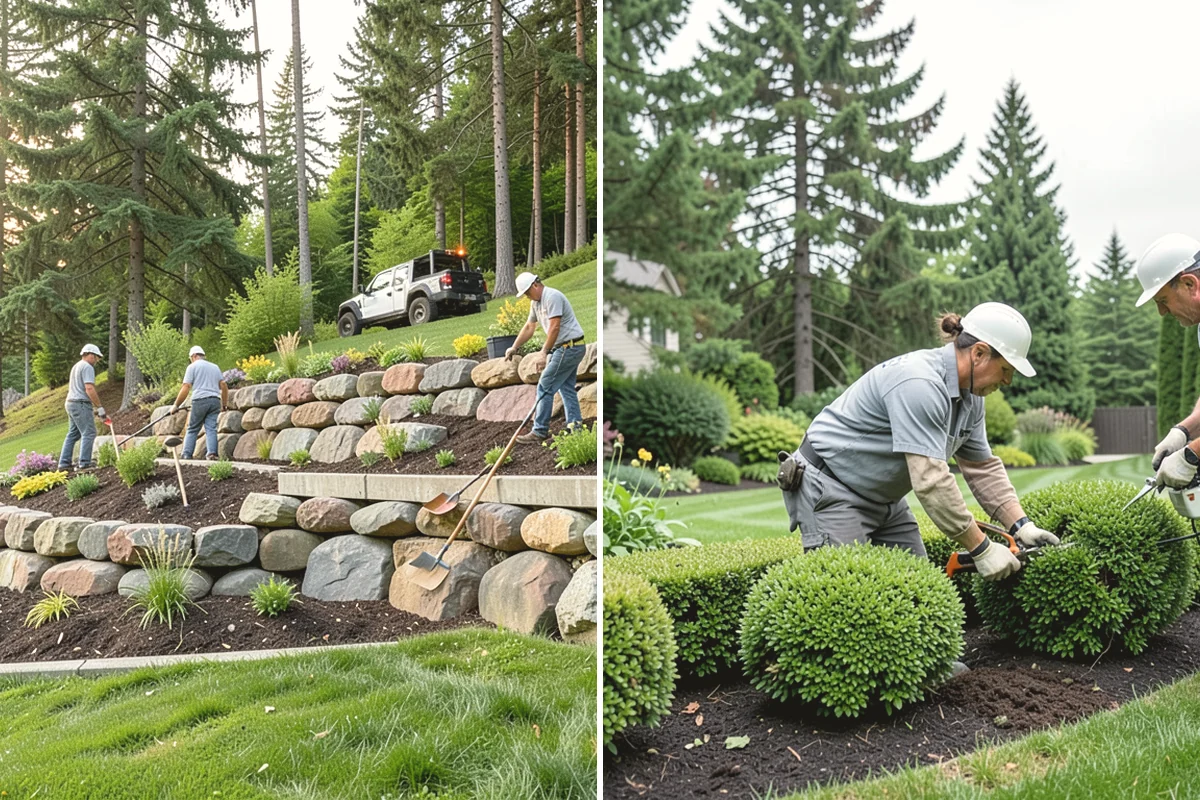
The work usually runs in this order: layout and marking, excavation, base and footing, wall construction, then cap stones and cleanup. You get a free estimate first, and financing is available subject to credit approval. We are licensed, bonded and insured ($2M).
Practical tip: decide on seat height and where people will sit before the estimate visit. Sit in a few chairs and benches you like and measure them. It makes the plan clearer and avoids changes after the base is set.
Tacoma yard conditions at a glance
| Days that freeze at night and thaw by day | 31 a year |
|---|---|
| Land sloping 15% or more | 11% (40% or more: 2.9%) |
| Days with 0.1 in or more of rain | 118 a year |
| Soil drainage (rated land) | 17% well, 75% moderately well, 7% poorly drained |
| Elevation range | -5 to 445 ft |
A year in a Tacoma yard
- Late winter
- Dormant pruning for most deciduous trees and shrubs, before buds break.
- Spring
- Last frost is usually around Mar 20; in 1 year in 10 it comes on or after Apr 8. Plant frost-tender annuals and vegetables after that.
- Early summer
- Check sprinklers and drip lines before July, the start of the dry months here.
- Summer
- July and August average 0.5 in and 0.9 in. Water deeply and less often; mulch beds to hold moisture.
- Fall
- Aerate, overseed and plant trees and shrubs while the soil is warm; first frost is usually around Nov 14. Winterize irrigation before then.
- Winter
- About 31 days a year freeze at night and thaw by day: keep drains, paver joints and wall weep holes clear.
Dates are medians for the city from Daymet 2005-2025; your yard and any given year can differ.
How Tacoma’s soils drain
- Well drained17%
- Moderately well75%
- Poorly drained7%
Share of rated land in the USDA SSURGO soil survey; built-over ground is not rated. A soil check on your lot tells you what you have.
Sources: Daymet daily weather (NASA/ORNL), 2023 USDA Plant Hardiness Zone Map data (PRISM, Oregon State University), USDA SSURGO soil survey, USGS 3DEP elevation, USFS/NLCD tree canopy 2025, US Census ACS 2020-2024.
Tacoma Seating Wall Installation
Local Service Information
Tacoma
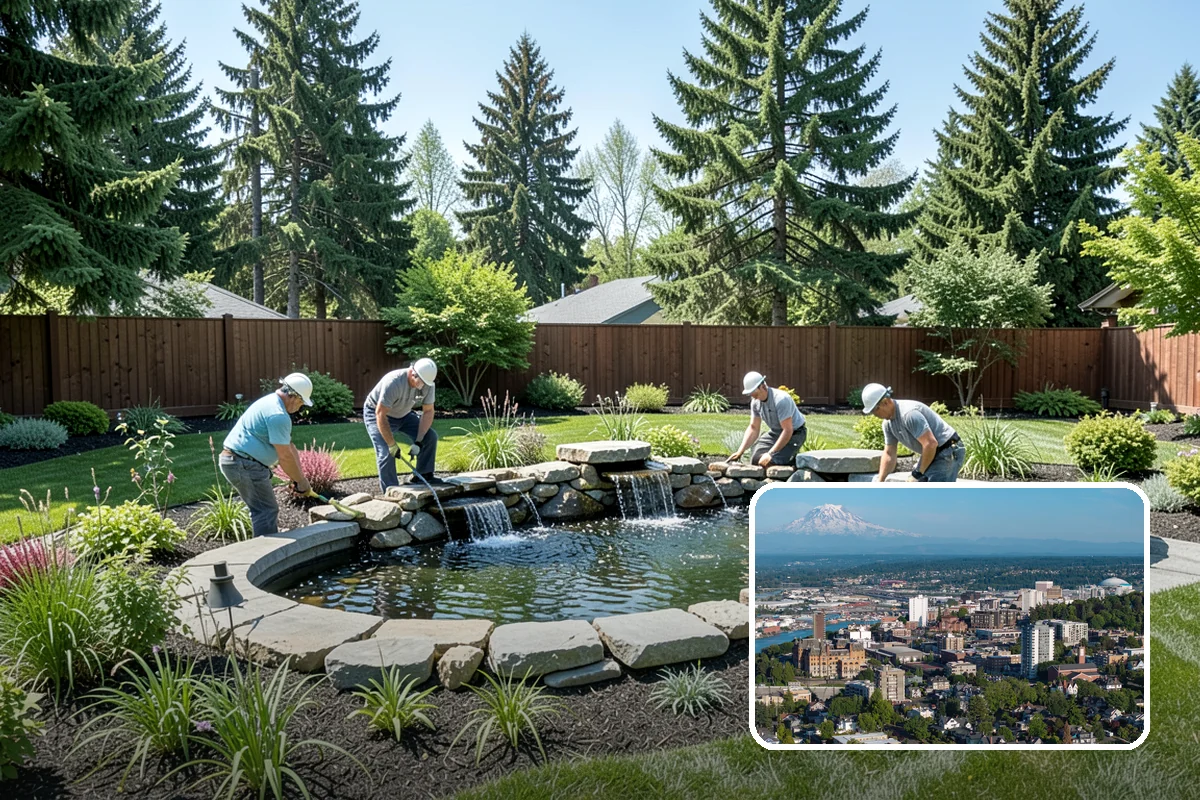
The Pierce County seat and a major port city on Commencement Bay of Puget Sound.
Benefits
Permanent seating without clutter; Frames and defines the space; Comfortable, sittable height and caps; Materials matched to your patio; Makes the space more usable
Process
Seating Wall Installation in nearby areas
Get a Free Seating Wall Installation Estimate in Tacoma
Tell us about your project. We’ll review your needs and provide a customized, no-obligation proposal.
Request a Free Consultation
Complete the form or call our team to discuss your project.
On-Site Assessment
We’ll review your property, discuss your goals, and recommend an appropriate solution.
Receive a Customized Proposal
Receive a detailed estimate outlining the proposed work and pricing.