Shaping Your Outdoors. Surpassing Expectations.

Tacoma Shrub Planting
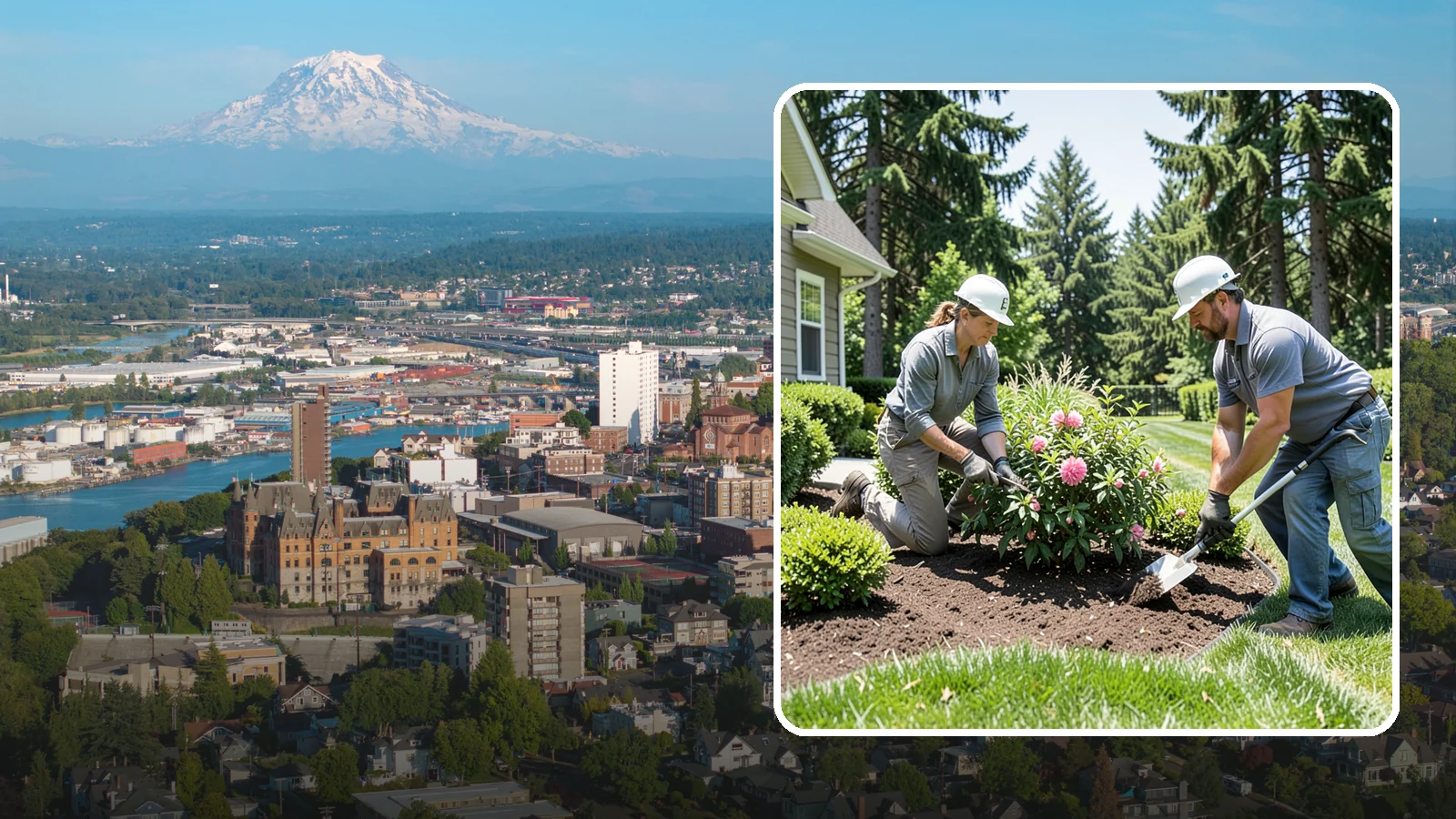
Foundation and accent shrubs planted to add structure, privacy, and year-round greenery.
In Tacoma, the best window for shrub planting is usually fall, with early spring as the second choice. Fall planting gives roots time to grow while the soil is still workable and the rain returns. Planting before July and August also keeps new shrubs out of the driest stretch of the year.
Washington Landscaping plants shrubs for foundation beds, screens, borders and mixed plantings. This page explains how we plan the work, what changes the scope, and what you can expect once planting begins.
Planning Shrub Planting in Tacoma: Drainage, Zone and Dry Summers
Start with the site
Tacoma sits in USDA zone 8b, with parts of the city running 8b to 9a. The average coldest winter night is about 19.4 F. That is the number to match against a shrub's hardiness rating. Frost timing and cold snaps vary from year to year, so a rating is a guide, not a guarantee.
Drainage shapes plant choice
Per the USDA soil survey, about 17% of Tacoma's rated land is well drained, 75% is moderately well drained and 7% is poorly drained. Those figures describe the city as a whole. Your yard may differ, especially at the bottom of a slope or beside a downspout. Before choosing plants, we look at where water sits after rain. A spot that stays soggy suits different shrubs than a dry, sunny bank. Planting a shrub that dislikes wet roots in a low spot is a common reason for failure.
What affects scope
The size of the job depends on a few things:
the number and size of the shrubs, how much existing growth needs to come out, how much soil needs to be loosened or amended, and how easy it is to get materials to the planting area. Mulch, edging and irrigation changes add to the work. If a bed needs grading or a wall, permit needs are checked with the city before work starts.
What to expect
We confirm the layout with you first, then mark plant positions. Holes are dug wide rather than deep, and each shrub is set so the root flare sits at or just above the soil line. We backfill, water in and mulch. Plants will look small at first. Most shrubs need a full growing season or more to settle in and fill out.
One practical tip
Tacoma's July averages about 0.53 inches of rain and August about 0.9 inches. Plan on deep watering through your first summer, even for shrubs sold as drought tolerant. A slow soak once or twice a week usually does more than daily light sprinkling.
Tacoma yard conditions at a glance
| USDA hardiness zone (2023) | 8b (parts 8b to 9a) |
|---|---|
| Last / first frost (median) | Mar 20 / Nov 14 |
| Late last frost (1 year in 10) | on or after Apr 8 |
| Frost-free season | about 235 days |
| Dry months (under 1.25 in) | July and August |
| Soil drainage (rated land) | 17% well, 75% moderately well, 7% poorly drained |
A year in a Tacoma yard
- Late winter
- Dormant pruning for most deciduous trees and shrubs, before buds break.
- Spring
- Last frost is usually around Mar 20; in 1 year in 10 it comes on or after Apr 8. Plant frost-tender annuals and vegetables after that.
- Early summer
- Check sprinklers and drip lines before July, the start of the dry months here.
- Summer
- July and August average 0.5 in and 0.9 in. Water deeply and less often; mulch beds to hold moisture.
- Fall
- Aerate, overseed and plant trees and shrubs while the soil is warm; first frost is usually around Nov 14. Winterize irrigation before then.
- Winter
- About 31 days a year freeze at night and thaw by day: keep drains, paver joints and wall weep holes clear.
Dates are medians for the city from Daymet 2005-2025; your yard and any given year can differ.
How Tacoma’s soils drain
- Well drained17%
- Moderately well75%
- Poorly drained7%
Share of rated land in the USDA SSURGO soil survey; built-over ground is not rated. A soil check on your lot tells you what you have.
Sources: Daymet daily weather (NASA/ORNL), 2023 USDA Plant Hardiness Zone Map data (PRISM, Oregon State University), USDA SSURGO soil survey, USGS 3DEP elevation, USFS/NLCD tree canopy 2025, US Census ACS 2020-2024.
Tacoma Shrub Planting

Local Service Information
Tacoma
The Pierce County seat and a major port city on Commencement Bay of Puget Sound.
Benefits
Adds structure and year-round greenery; Screening and privacy where you need it; Shrubs sized to their mature dimensions; Proper planting for healthy establishment; Evergreen and flowering options
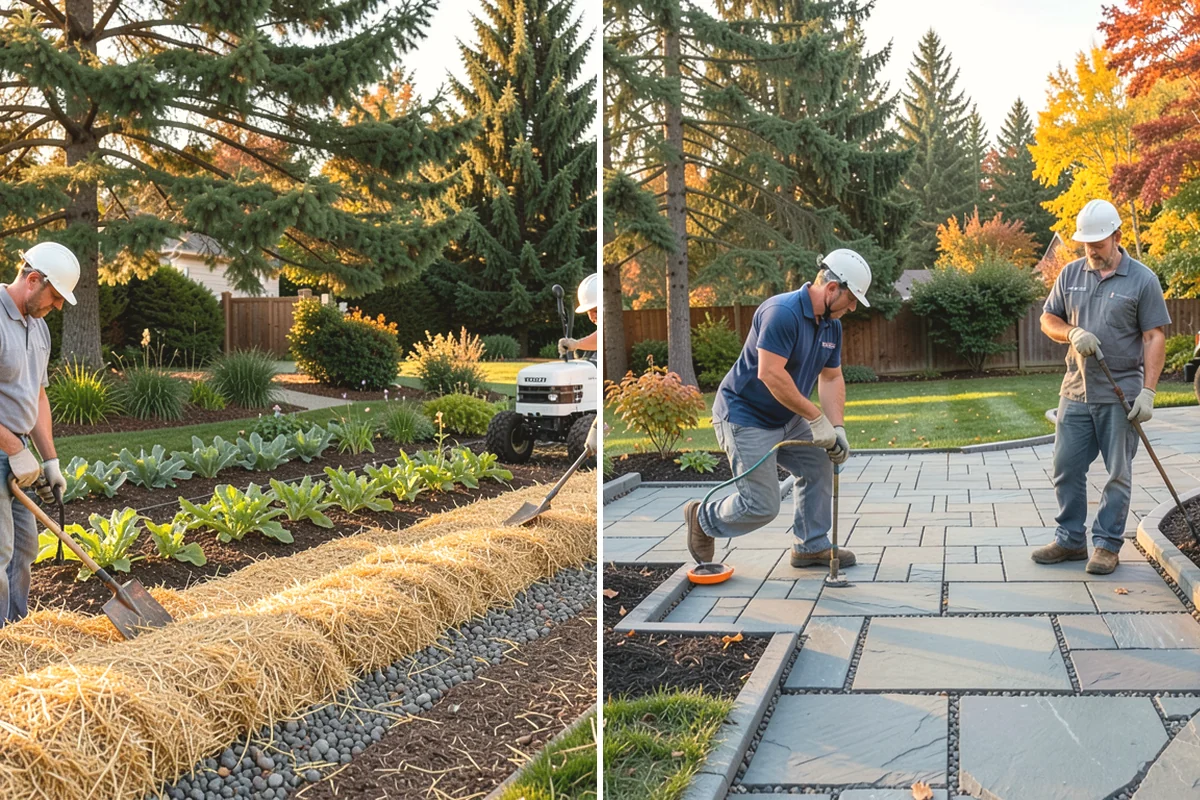
Process

Shrub Planting in nearby areas
Also serving Tacoma
- Privacy screen planting in Tacomaat Washington Tree Services
Get a Free Shrub Planting Estimate in Tacoma
Tell us about your project. We’ll review your needs and provide a customized, no-obligation proposal.
Request a Free Consultation
Complete the form or call our team to discuss your project.
On-Site Assessment
We’ll review your property, discuss your goals, and recommend an appropriate solution.
Receive a Customized Proposal
Receive a detailed estimate outlining the proposed work and pricing.