Shaping Your Outdoors. Surpassing Expectations.

Tukwila Butterfly Bush Pruning
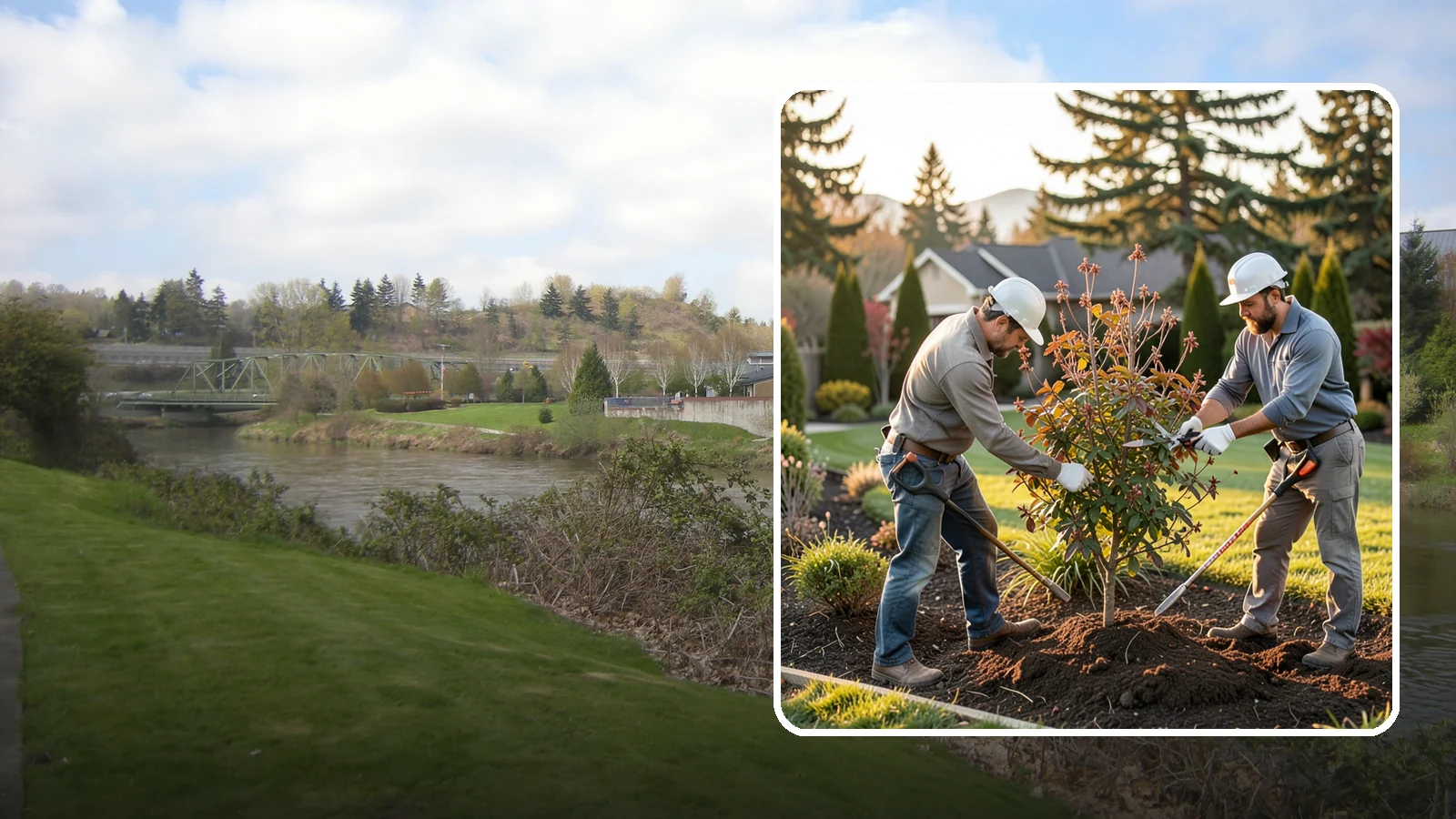
Hard late-winter cutback of butterfly bush to encourage vigorous new growth, prolific blooms, and responsible size control.
Your butterfly bush has gone leggy. The stems flop over, the flowers sit high out of reach, and the center looks woody and bare. Or it grew so large over summer that it now crowds a walkway or a neighboring plant.
Butterfly bush (Buddleja) responds well to a hard cut at the right time. Washington Landscaping prunes butterfly bushes for Tukwila homeowners, and an ISA Certified Arborist is on staff. Estimates are free, and you can call or text 425-433-9444 to set one up.
Why Tukwila Butterfly Bushes Need a Yearly Hard Prune
Butterfly bush blooms on new wood. Stems that grew this year carry this year's flowers. If the plant is never cut back, it keeps old, woody stems and pushes its blooms to the tips, so you get fewer flowers and a tall, open shape.
Local conditions make this more likely here. Tukwila is in USDA zone 9a, with an average coldest winter night of about 21.1 F (2023 USDA map). That is mild. Stems rarely die back from cold, so nothing resets the plant for you. It carries last year's tall frame into spring and keeps stretching.
The growing season is long too. The median last spring frost is March 11, and the frost-free season runs about 247 days, to roughly November 17 (Daymet, 2005-2025). Those are medians, so frost can come earlier or later in a given year. A long season gives the plant plenty of time to put on a lot of growth, and an unpruned bush can get large and floppy.
That timing shapes when we prune. Late winter to early spring, around the time of the last frost, is standard practice in the Puget Sound region. Cutting too early can invite new growth that a late frost then damages. Waiting too long cuts into the bloom time.
The work itself is simple. We cut the main stems back hard, leaving a low framework of healthy wood a foot or two above the ground. We remove dead, crossing and weak stems, and we open the center so air moves through. New shoots then grow from that framework through the season.
We can also remove spent flower heads during summer, which tidies the plant and may encourage more blooms. If your bush is very old or overgrown, tell us when you call. We will look at it and explain what a reasonable cut would be.
Tukwila yard conditions at a glance
| USDA hardiness zone (2023) | 9a |
|---|---|
| Last / first frost (median) | Mar 11 / Nov 17 |
| Tree canopy | 19.3% of the city |
| Share of rain October to April | 82% |
| Dry months (under 1.25 in) | July and August |
A year in a Tukwila yard
- Late winter
- Dormant pruning for most deciduous trees and shrubs, before buds break.
- Spring
- Last frost is usually around Mar 11; in 1 year in 10 it comes on or after Mar 27. Plant frost-tender annuals and vegetables after that.
- Early summer
- Check sprinklers and drip lines before July, the start of the dry months here.
- Summer
- July and August average 0.5 in and 0.8 in. Water deeply and less often; mulch beds to hold moisture.
- Fall
- Aerate, overseed and plant trees and shrubs while the soil is warm; first frost is usually around Nov 17. Winterize irrigation before then.
- Winter
- About 26 days a year freeze at night and thaw by day: keep drains, paver joints and wall weep holes clear.
Dates are medians for the city from Daymet 2005-2025; your yard and any given year can differ.
Sources: Daymet daily weather (NASA/ORNL), 2023 USDA Plant Hardiness Zone Map data (PRISM, Oregon State University), USDA SSURGO soil survey, USGS 3DEP elevation, USFS/NLCD tree canopy 2025, US Census ACS 2020-2024.
Tukwila Butterfly Bush Pruning

Local Service Information
Tukwila
A city in the Green/Duwamish river valley of south King County, a major retail and commercial hub.
Benefits
Produces abundant summer blooms on strong new growth; Prevents a leggy, woody, top-heavy shape through hard renewal; Supports responsible management of a Washington-regulated species; Controls size to fit beds and borders; Extends flowering when combined with seasonal deadheading
Process

Also serving Tukwila
- Shrub pruning in Tukwilaat Washington Tree Services
Get a Free Butterfly Bush Pruning Estimate in Tukwila
Tell us about your project. We’ll review your needs and provide a customized, no-obligation proposal.
Request a Free Consultation
Complete the form or call our team to discuss your project.
On-Site Assessment
We’ll review your property, discuss your goals, and recommend an appropriate solution.
Receive a Customized Proposal
Receive a detailed estimate outlining the proposed work and pricing.